Why do stars change their spin as they near the end of their lives? Scientists explain
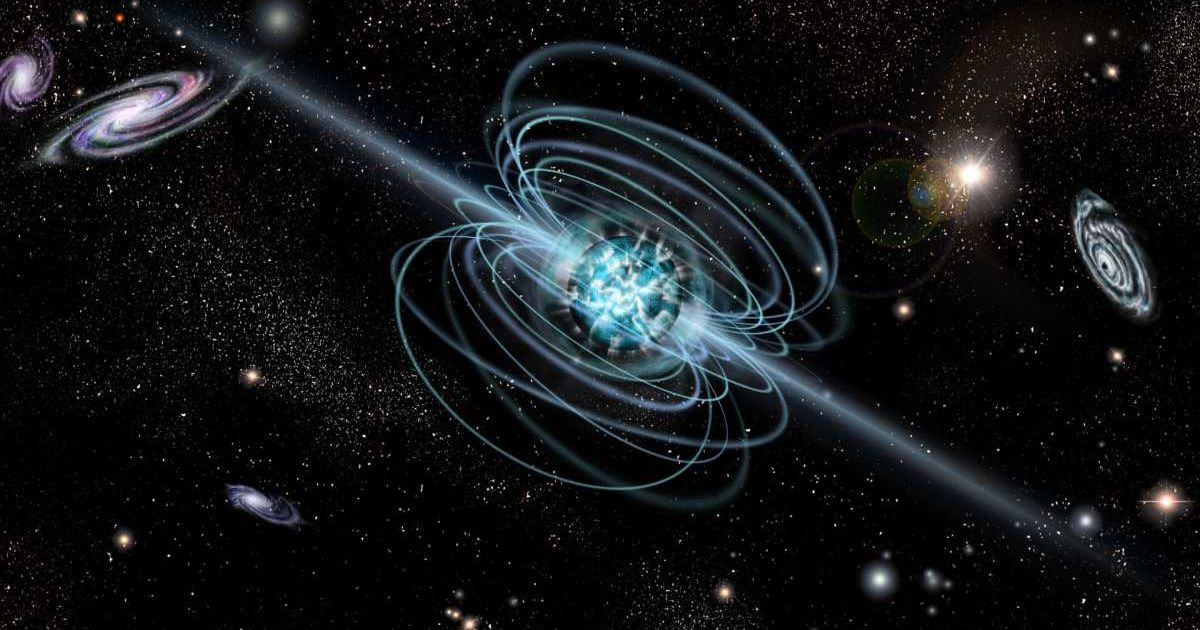
Since birth, a star begins to rotate on its axis and such rotation continues till its death. But spin rate slows down as a star ages and so does its angular momentum. It has been observed that the Sun blows off surface material as solar wind. Astronomers thought that the interaction between the magnetic field and plasma flow probably induced such a phenomenon. They think that this is the efficient way to reduce a star’s spin rate by 100 to 1000 times its initial rotation rate. Why and how this takes place has long intrigued researchers. Now, a research team at Kyoto University has pinned down the underlying mechanism that triggers such changes in spin. They report their findings in a paper published in The Astrophysical Journal.
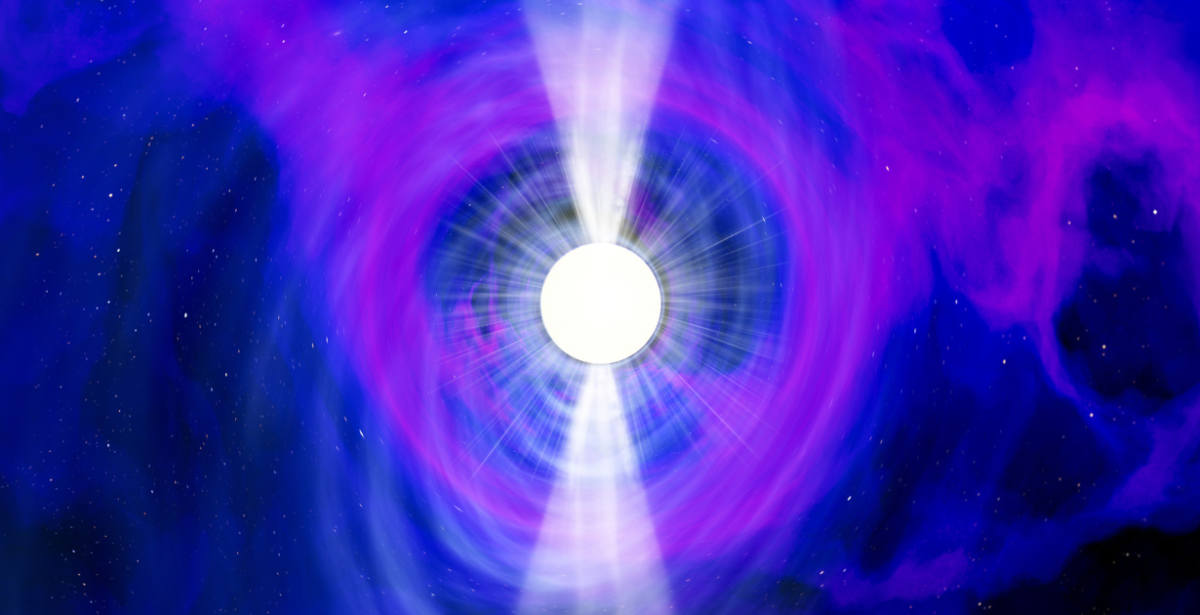
The researchers used asteroseismology, a fledgling field of astronomy that measures a star’s natural oscillation frequencies. In recent separate studies, researchers have used this field to measure the internal rotation rates and magnetic fields of other stars in our galaxy. From these studies, a picture of how stellar rotation decreases with age emerged. Taking cues from such studies and 3D simulations of the solar convective zone, the team probed how magnetic fields affect rotation inside massive stars. They did a 3D simulation of a massive star to analyze the complex interplay between violent convection, rotation, and magnetic fields.
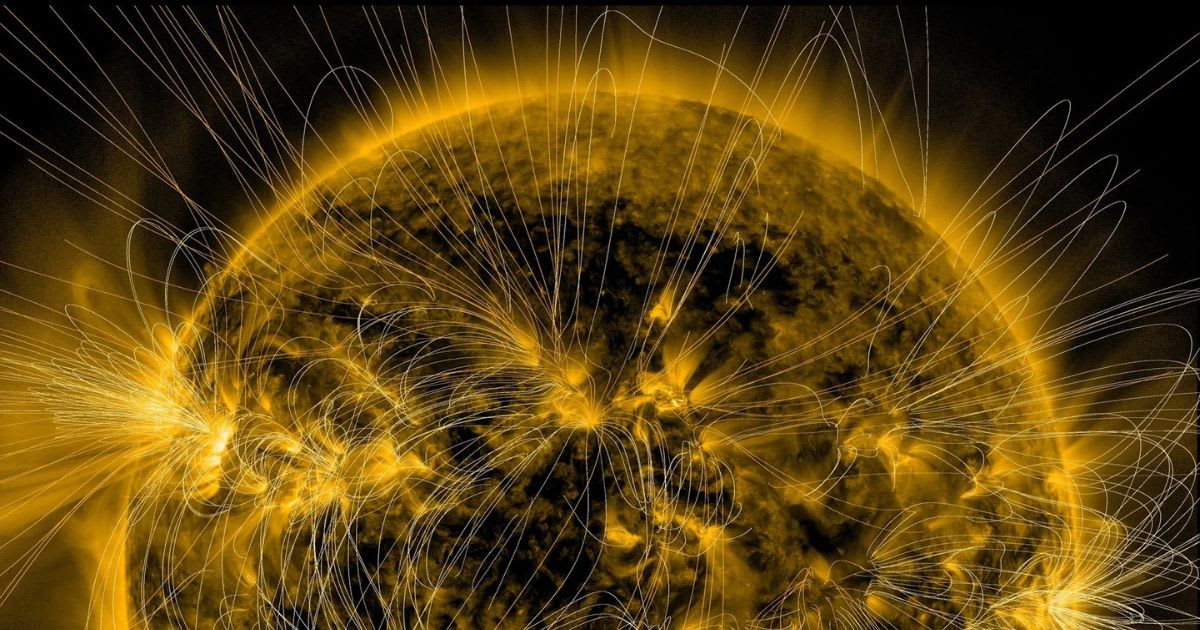
This analysis revealed that the internal rotation and magnetic field coevolve, which is akin to the solar dynamo: the energy process that sustains our Sun's magnetic field. "Our coauthors in Australia and the UK have already performed 3D magnetohydrodynamic simulations for massive stars before core-collapse. We suspected that the flow inside the massive star’s convective zone may evolve analogously with the solar convective zone," says team leader Ryota Shimada at Kyoto University in a statement. Armed with this knowledge, the team was able to write a mathematical theory that predicts the evolution of the star’s internal rotation rate. Over short timescales, rotation and magnetic fields influence the speed and direction of convective motions. This, in turn, changes the rotation, causing it to speed up or slow down spin rates, the simulation showed.
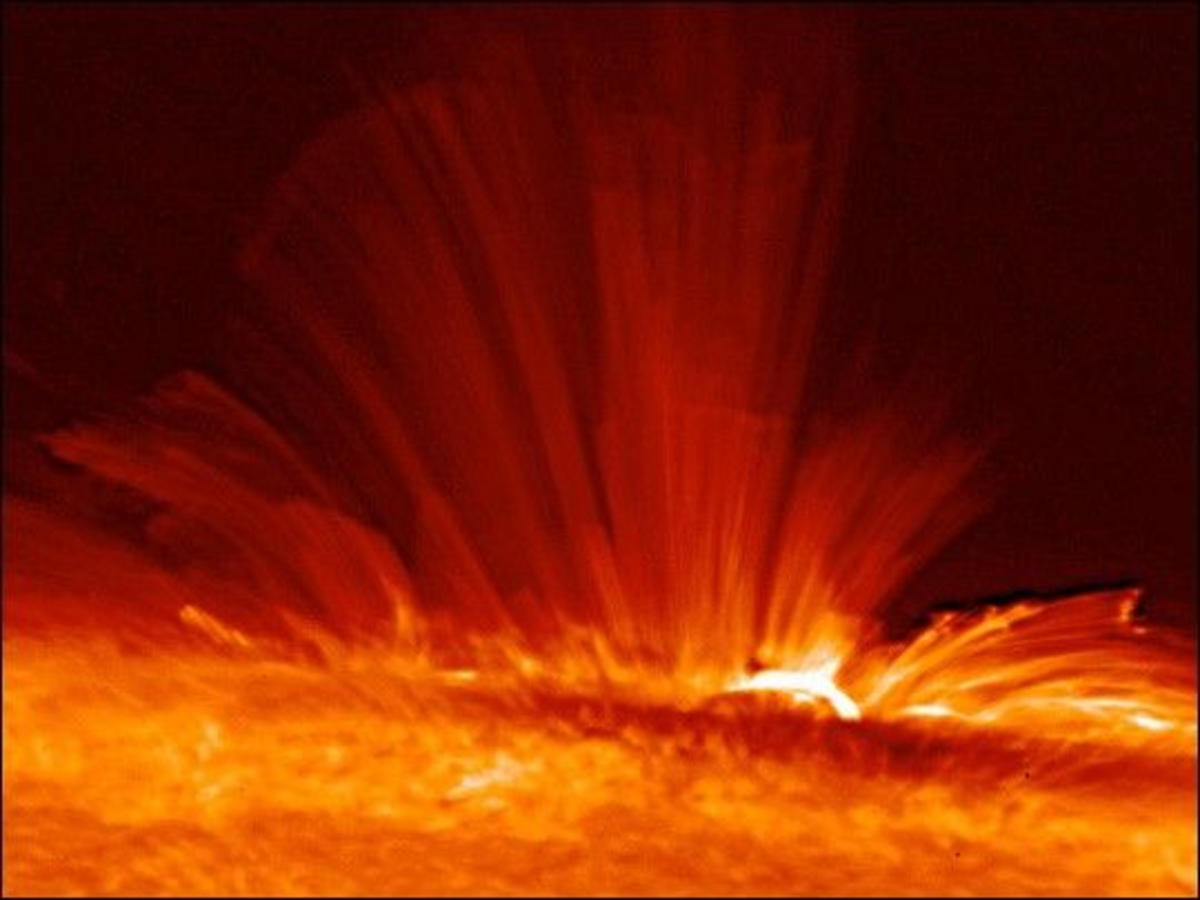
The researchers then developed a model, considering the interaction between convection, rotation, and magnetic fields. The model uncovered that angular momentum is radially transported outwards and inwards. By the time a star nears its end, such transport is directly related to the geometry of the magnetic field. This discovery suggests that the theory developed to describe rotation in solar-type stars may be universal. "We were surprised to discover that some configurations of the magnetic fields actually spin the core up, suggesting that the final spin rate will be unique to the star's properties," says co-author Lucy McNeill at Kyoto University. "Slow rotation might even be forbidden in some classes of massive stars." Next, the team wants to simulate the whole lifetimes of various low to high-mass stars, enabling them to forecast rotation rates of these stars at various stages of their lives.
More on Starlust
The Sun's magnetic 'engine' is located 200,000 kilometers below its surface, new study claims