Thanks to the James Webb Telescope, we may have finally found evidence of the universe's first stars
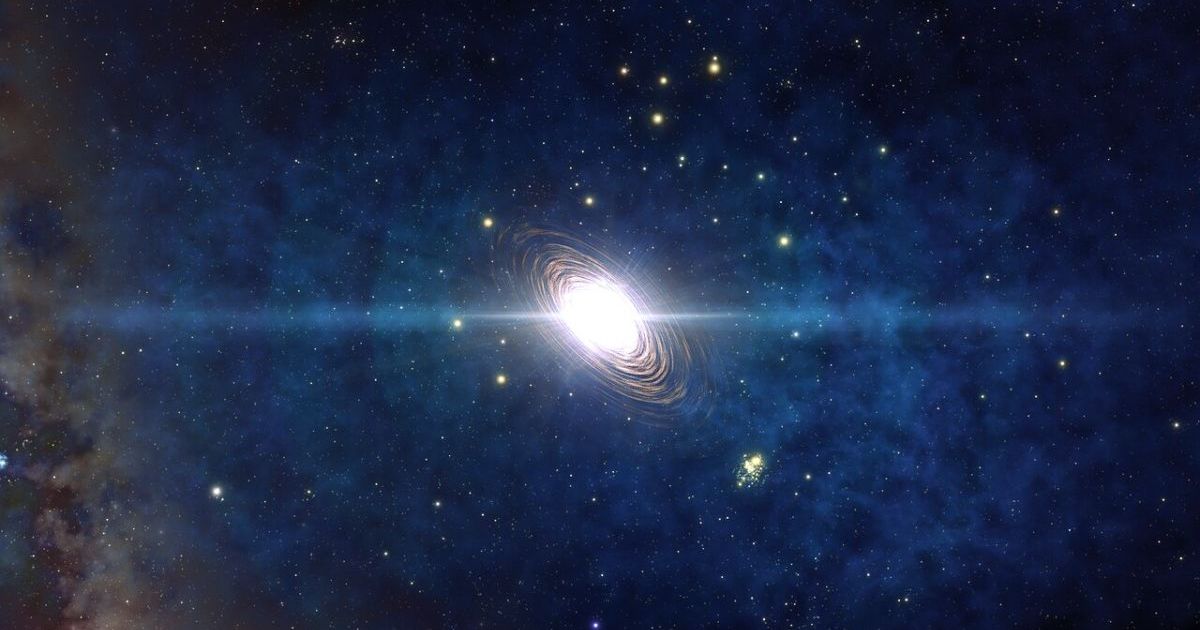
To date, the study of the universe’s very first stars has been limited to the realm of theoretical models. Now, observations by the James Webb Space Telescope may have detected the existence of such stars known as ‘Population III’ stars. These ancient stars have been found to be huddled around a small companion object that formed just 400 million years after the Big Bang. A pair of papers, published as preprints on the arXiv server, describes the discovery. One study has been led by Roberto Maiolino from the University of Cambridge and the other by Elka Rusta from the University of Florence. The findings of the studies, if proved right, might provide direct observational evidence of conditions that prevailed during the early universe. They will also shed light on how the very first-generation stars were born and how they shaped the sequences of cosmic events that followed.
The cosmic ambience that spawned Population III stars was quite different from that of today. The ancient stars were born out of clouds of almost pure hydrogen and helium. This was a cosmic epoch when heavier elements like carbon, oxygen, and iron were yet to be made in the fiery cauldron of stars. Astronomers think that the ancient stars were massive and exhausted their fuel in just a few million years. They ended their lives in colossal supernovae, paving the way for the birth of next-generation stars with heavier elements.
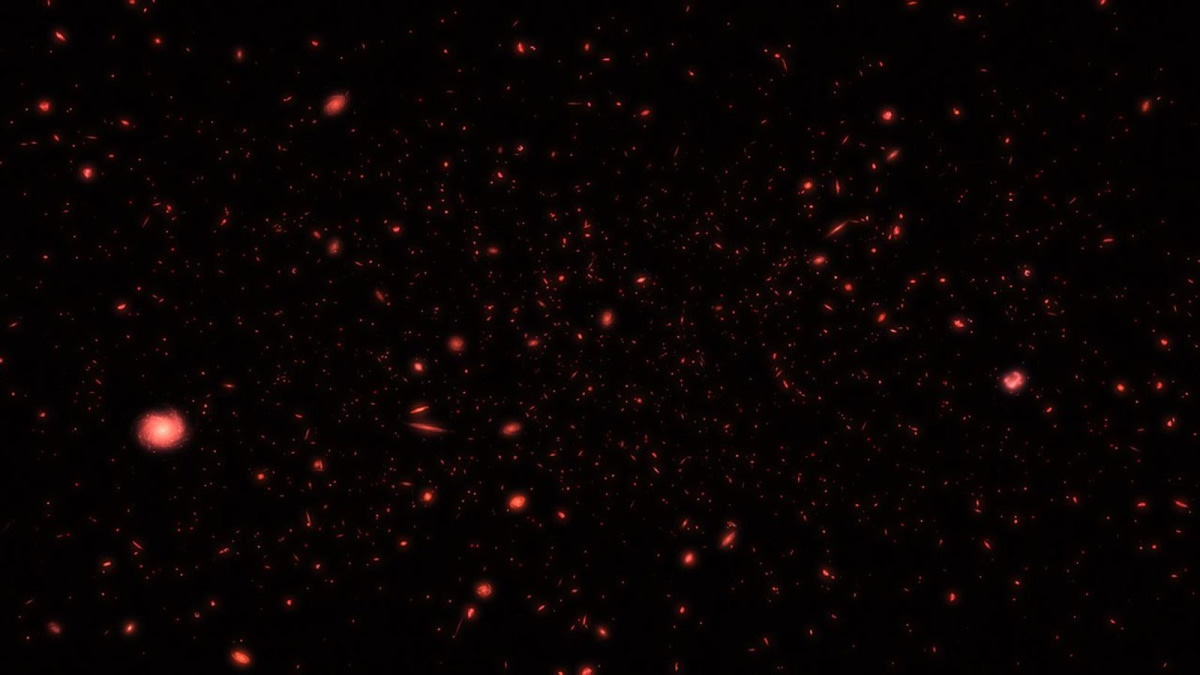
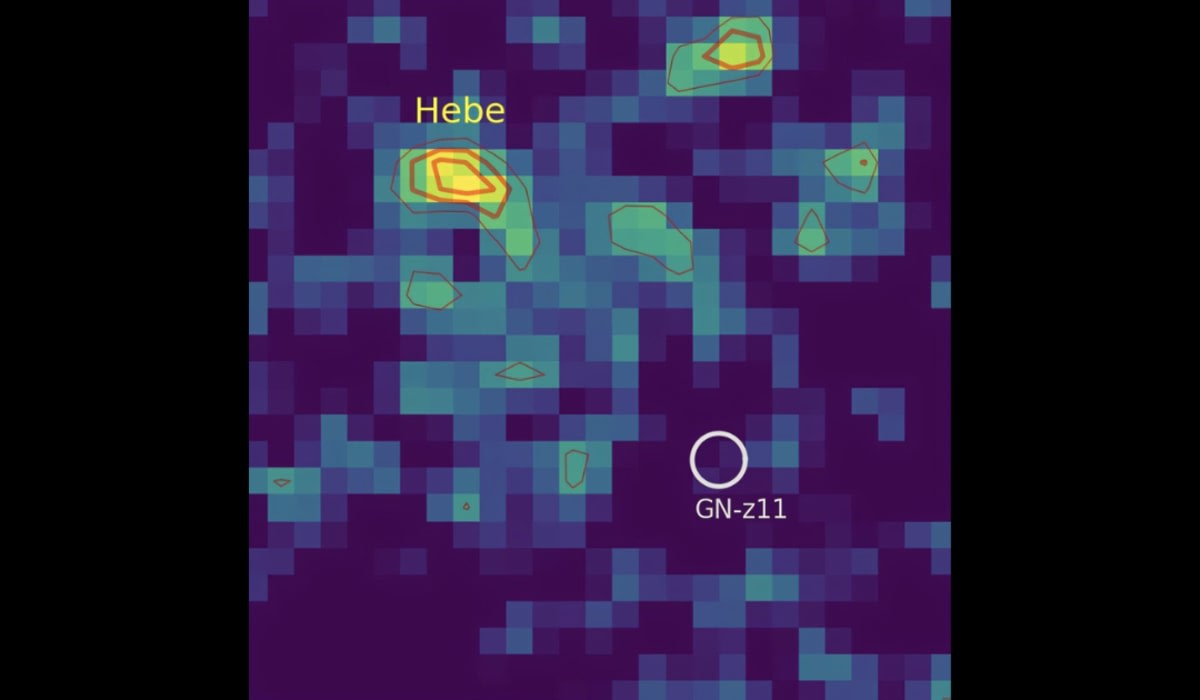
In 2024, Maiolino and his teammates detected an unusual signal in the halo of GN-z11—one of the brightest known galaxies of the early universe. Using a near-infrared spectroscopy instrument on board JWST, the researchers homed in on a faint emission line from a small companion object named Hebe, just three kiloparsecs away from the host galaxy. To their surprise, the line matched the signature of doubly ionized helium. This flagged the presence of an extremely energetic radiation. However, the team didn’t find any light signals that could be linked to metals, which suggested that Population III stars were the most likely source.

Rusta’s team, working separately, detected a hydrogen emission line from the same location. They didn't find any signs of heavier elements either. Having found both hydrogen and helium, Rusta's team could compare the ratio of these two elements and estimate the mass of the stars. Their analysis reveals that the stars are roughly between 10 and 100 times the mass of the Sun. This is consistent with theoretical predictions that the first stars were massive and hot, popping up in a universe that was not yet rich in heavier elements. The two studies thus provide the most convincing indication yet of the presence of Population III stars. However, with all this said and done, more observations will be required to get a deeper understanding of the lives of these ancient objects.
More on Starlust
Baby stars don’t grow quietly—ALMA captures how a young star 'sneezes' rings of energy into space