Starlab accelerates commercial space station development with key milestones
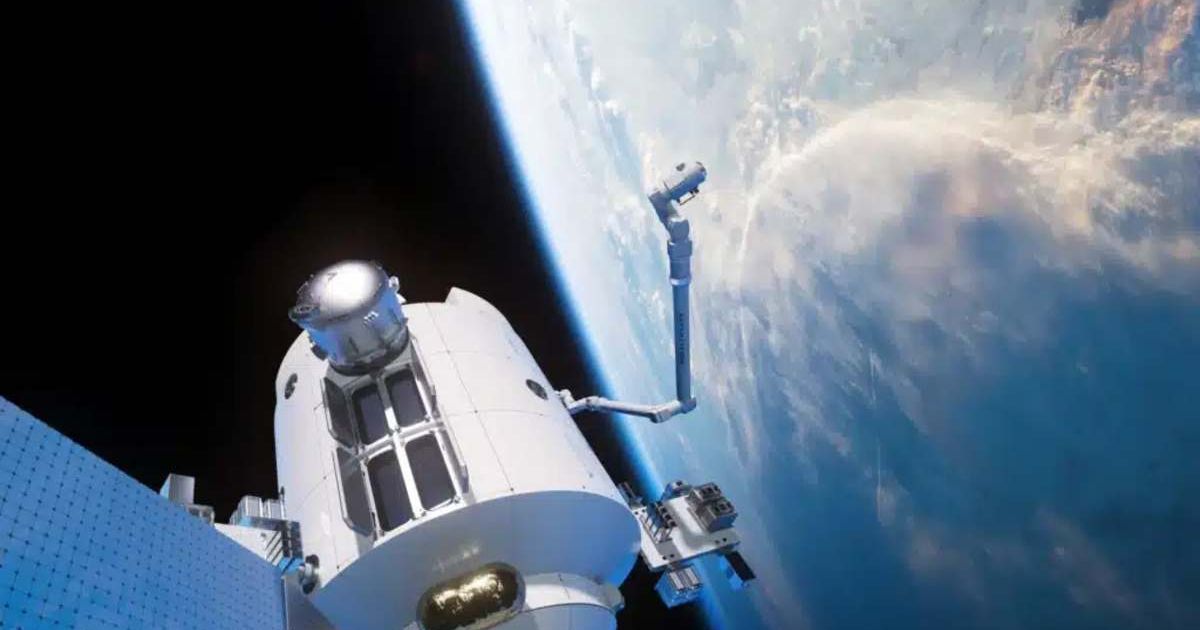
Starlab, a commercial space station supported by NASA, has completed five critical development and design milestones, marking significant progress in the agency's initiative to foster a commercial marketplace in low Earth orbit. The completed milestones, part of a 2021 NASA Space Act Agreement, encompassed rigorous reviews of Starlab's preliminary design, safety protocols, spacecraft mockup plans, and procurement strategies. These assessments provide NASA with essential insight into the company's advancement, per NASA.
We are one step closer to building humanity's next home in orbit. Starlab recently cleared several key milestones in developing our commercial space station.
— Starlab (@Starlab_Space) July 16, 2025
We successfully completed five development and design milestones for NASA, including a preliminary design review and… pic.twitter.com/r6c17ja6vy
“As we work toward the future of low Earth orbit, these milestones demonstrate Starlab’s dedication to building a commercial space station that can support human life and advance scientific research,” stated Angela Hart, program manager for NASA’s Commercial Low Earth Orbit Development Program at Johnson Space Center in Houston. “Both the insight shared by Starlab and the expertise shared by NASA are critical to future mission success.”
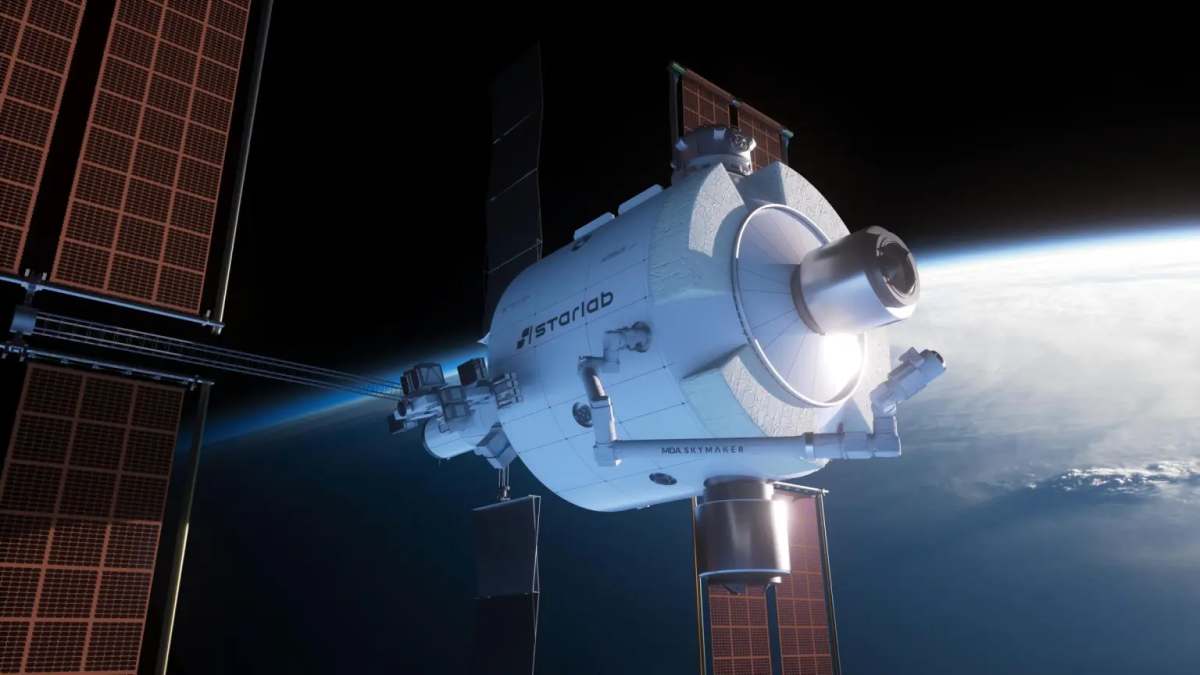
Starlab recently finalized a preliminary design and safety review of its station's architecture and systems. The company is now poised to commence detailed design and hardware development, aiming for a crucial critical design review later this year. This review is a pivotal step, evaluating design maturity before proceeding to fabrication and assembly. Furthermore, Starlab has begun constructing a full-scale, high-fidelity mockup of the station. This mockup, destined for NASA Johnson's Space Vehicle Mockup Facility, will enable "human-in-the-loop" testing. This process involves participants conducting day-in-the-life simulations to evaluate interior design, crew training, procedure development, hardware checks, and in-flight issue resolution.
Additional completed reviews include the system design architecture, procurement plan, and the design of the Northrop Grumman Cygnus spacecraft docking system. Northrop Grumman partnered with Starlab in 2023 to provide cargo logistics and engineering consultation. These reviews incorporated design updates for components such as solar arrays, docking ports, and crew quarters. NASA is actively supporting the development of several commercial space stations through various agreements, both funded and unfunded. Following the design and development phase, the agency intends to obtain services from multiple companies, aiming to become one of many customers for commercial low Earth orbit stations.
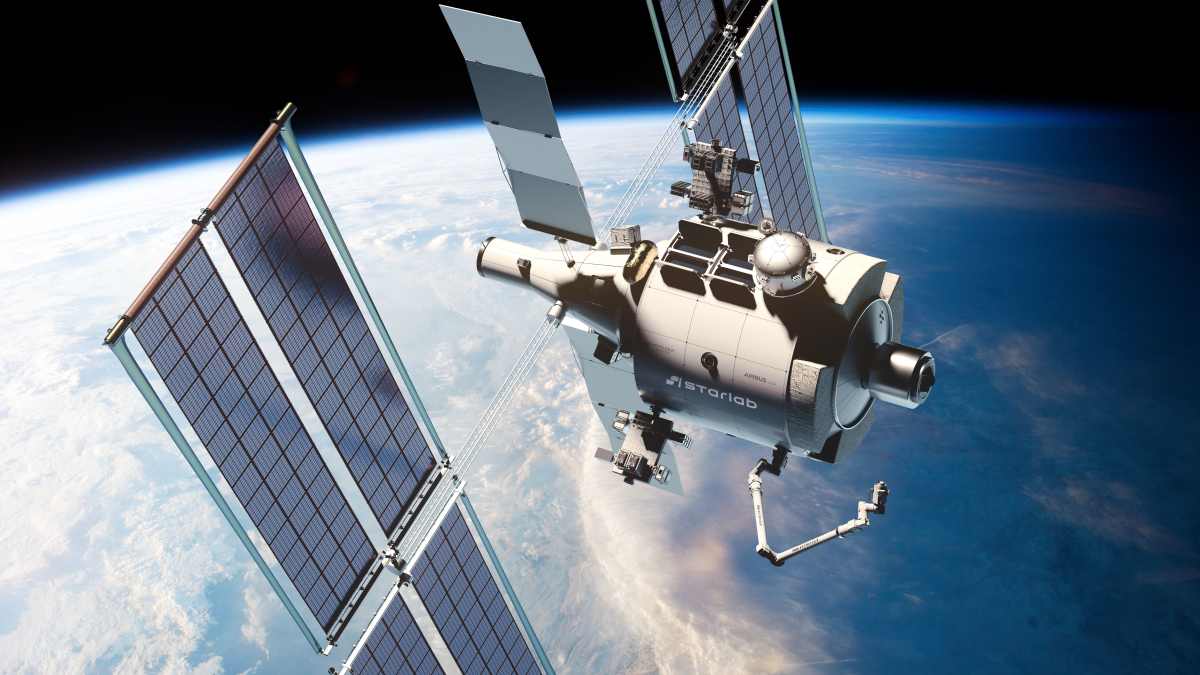
This progress with Starlab is a crucial step as the International Space Station approaches its planned retirement in 2030. NASA is strategically shifting its focus to new commercial space stations in low Earth orbit to ensure it can continue to harness the unique microgravity environment for critical research and development, according to NASA. Through these commercial collaborations, NASA aims to uphold its leadership in microgravity research and guarantee ongoing access to low Earth orbit for the benefit of all.
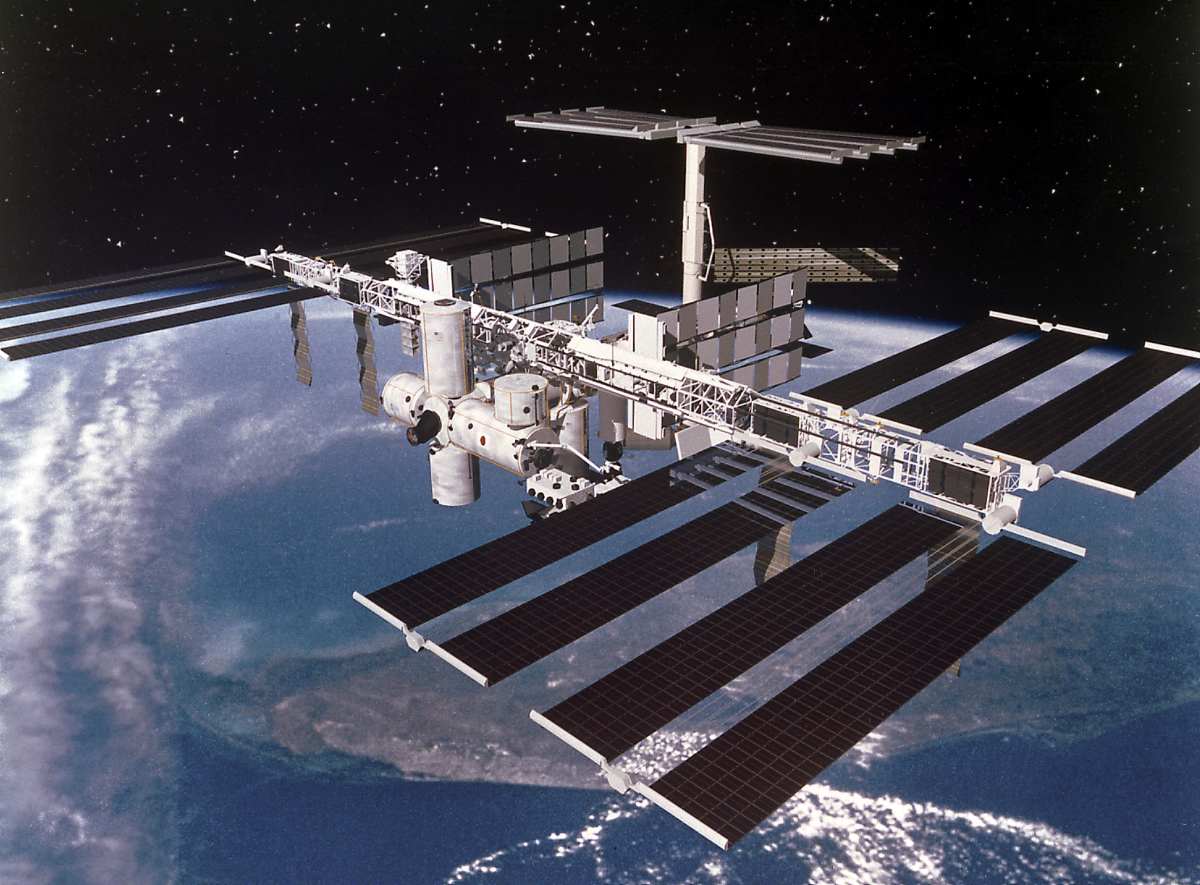
NASA's commercial strategy is designed to secure reliable and safe services for the government at a reduced cost. This approach will free up agency resources, allowing NASA to concentrate on the next ambitious phase of human exploration in our solar system, including missions to the Moon and Mars. Simultaneously, low Earth orbit will remain an invaluable proving ground and training environment for these deep space endeavors.
To achieve this, NASA is employing a two-phase strategy to support the design and development of these privately owned and operated space stations. This framework will enable NASA, alongside other potential customers, to procure services from these commercial platforms, thereby stimulating the growth of a robust microgravity marketplace.