Two exoplanets collided—and the impact was similar to the one that created Earth and the Moon
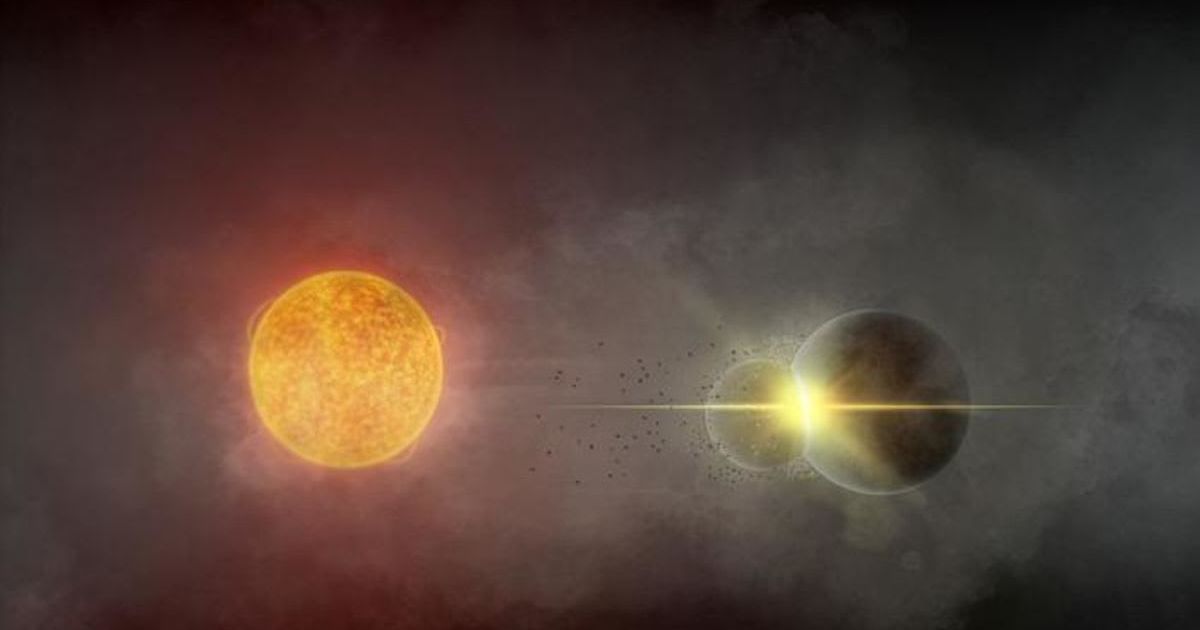
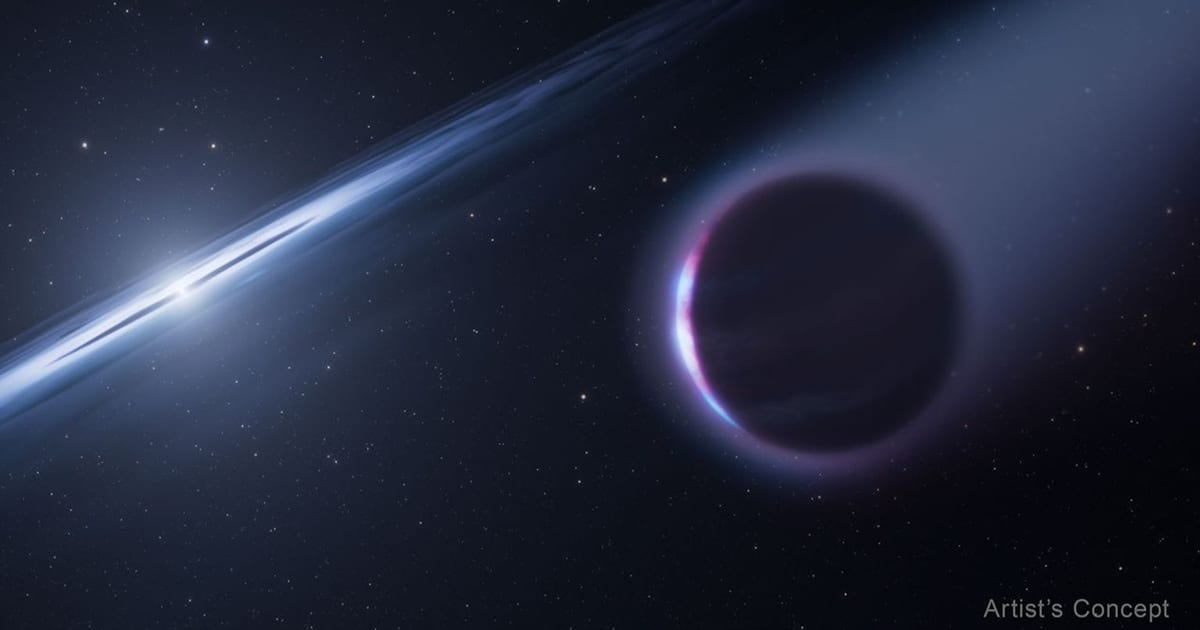
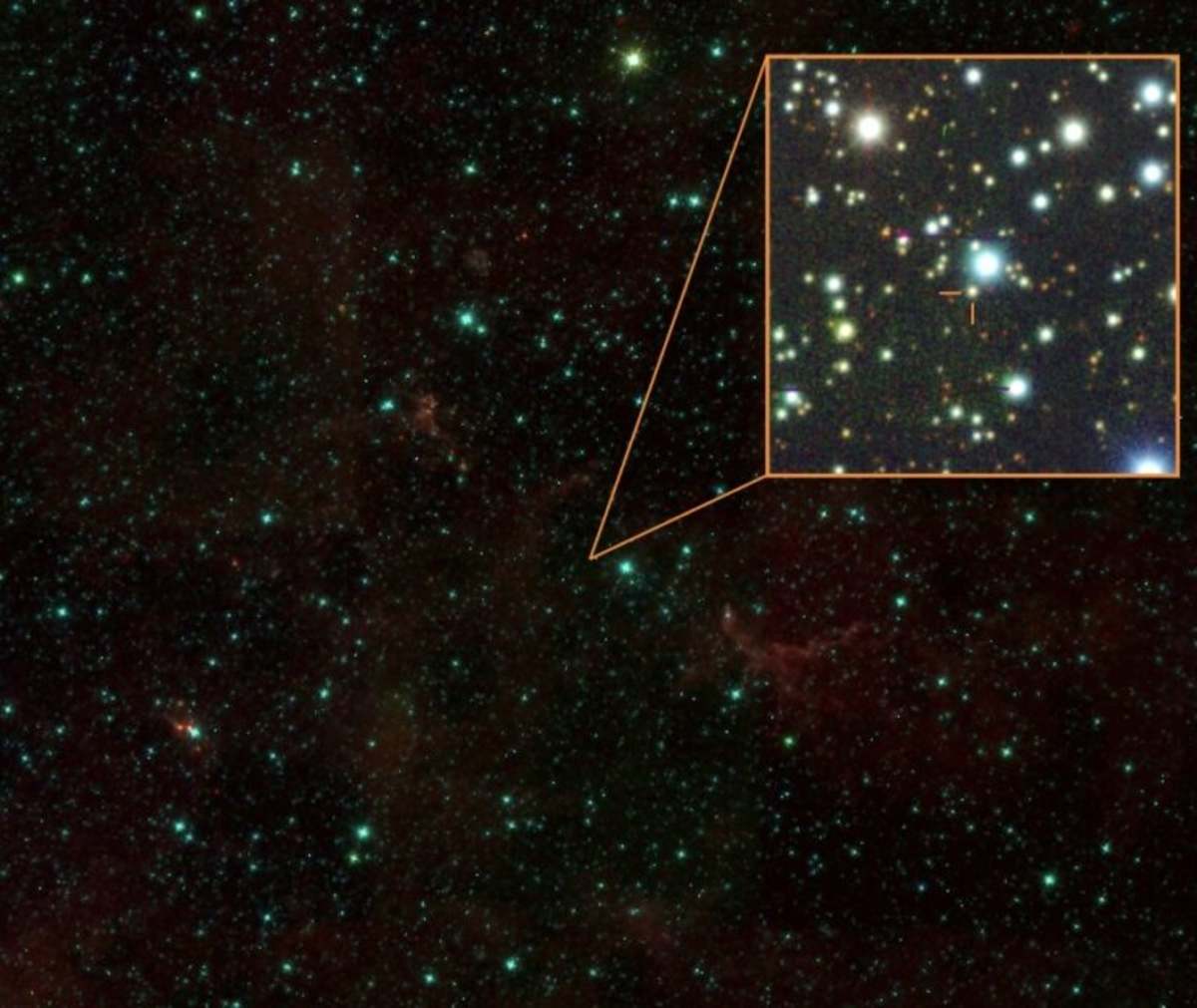
While reviewing old telescopic data from 2020, astronomer Anastasios (Andy) Tzanidakis, a doctoral candidate in astronomy at the University of Washington, discovered a Sun-like star (Gaia20ehk) that flickered strangely. Closer inspection revealed that the flickering was in no way related to any change in the star's energy output. Instead, huge quantities of rocks and dust that were passing in front of the star dimmed its light. The debris came from a violent collision between two planets, Tzanidakis and his colleagues found. Their analysis has been published in the Astrophysical Journal Letters. “The star’s light output was nice and flat, but starting in 2016, it had these three dips in brightness. And then, right around 2021, it went completely bonkers,” said Tzanidakis in a statement.
“I can’t emphasize enough that stars like our sun don’t do that. So, when we saw this one, we were like ‘Hello, what’s going on here?'" he added. Planet formation is a messy affair. Planets in early solar systems collide regularly with each other, flinging debris everywhere before settling down into an equilibrium—a process that takes millions of years. Such collisions may be common, but astronomers need patience and luck to detect one. In addition, the orbits of the colliding planets must be between us and their star, so the debris can partially block the star’s light. Then, depending on the distance between them and us, the event may take years to reach Earth.
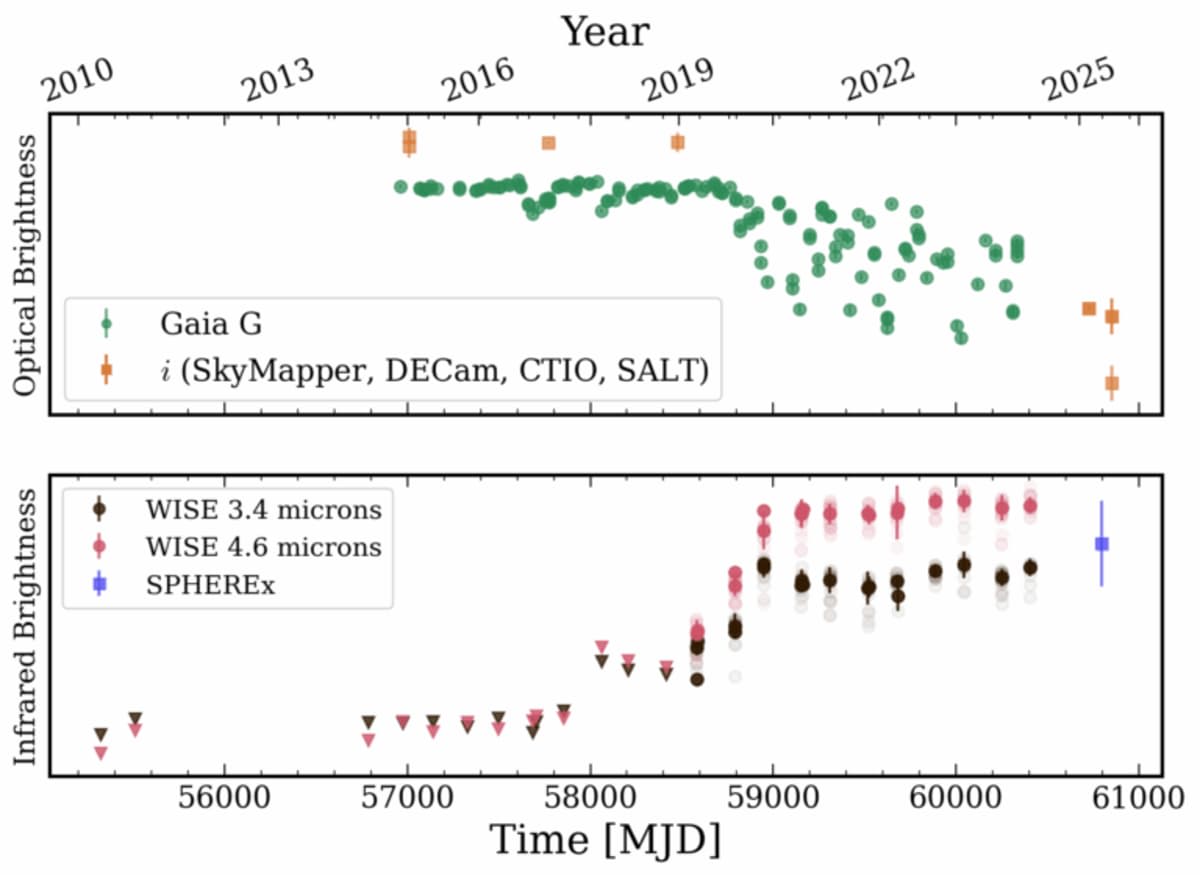
“Andy's unique work leverages decades of data to find things that are happening slowly—astronomy stories that play out over the course of a decade,” said senior author James Davenport, a UW assistant research professor of astronomy. “Not many researchers are looking for phenomena in this way, which means that all kinds of discoveries are potentially up for grabs.” Tzanidakis closely monitors stars’ extreme variability. In a previous work, he showed how a large dust cloud eclipsed a binary star for seven years. But the new star’s behavior baffled the team. But then, Davenport suggested using data from another telescope and looking for infrared light. This suggestion gave them the breakthrough. “The infrared light curve was the complete opposite of the visible light,” Tzanidakis said. “As the visible light began to flicker and dim, the infrared light spiked. Which could mean that the material blocking the star is hot—so hot that it’s glowing in the infrared.”
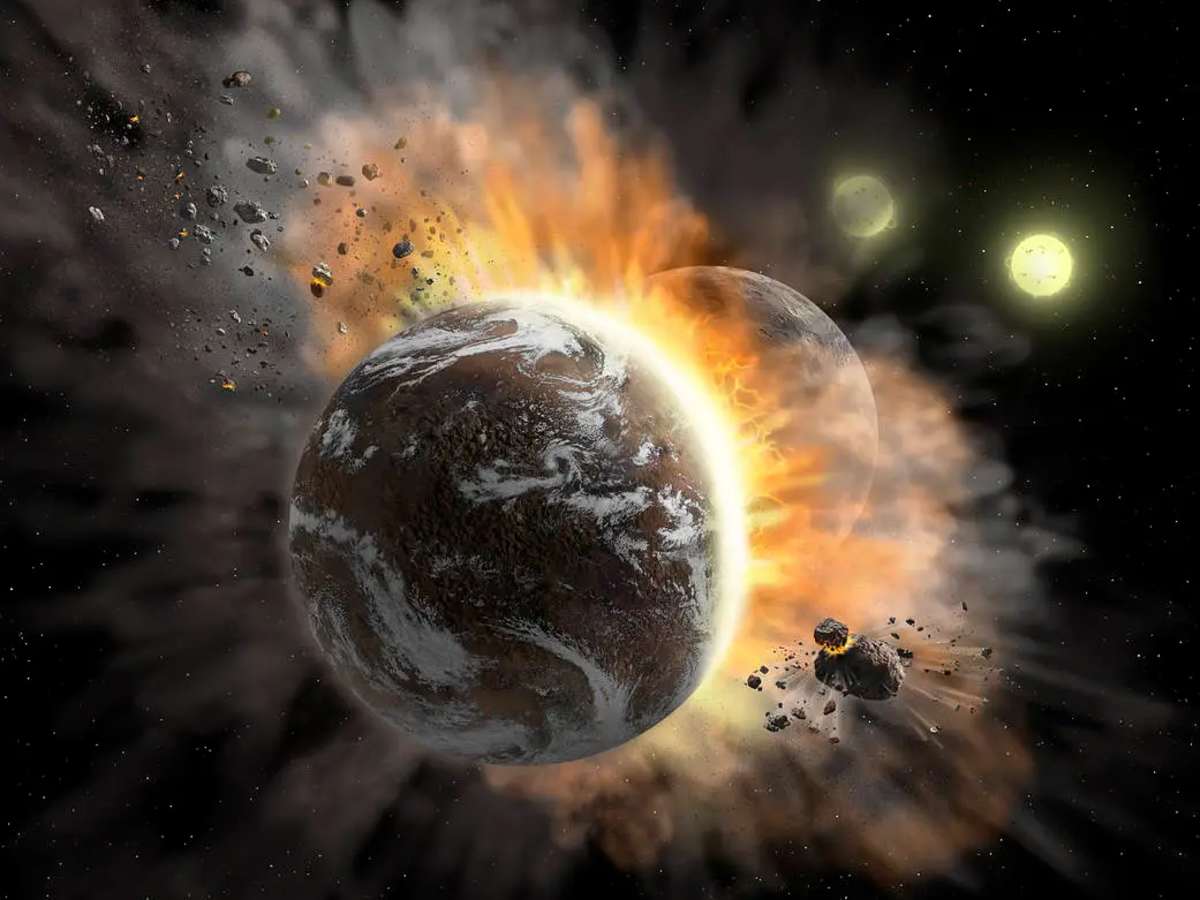
A collision between the planets would definitely produce enough heat to be detected in infrared light. It also explained the initial drops in light. At first, the two planets came close to each other and then brushed past. At this stage, they didn’t emit much infrared light. Next, they collided, increasing infrared radiation. This collision reminded astronomers of the one responsible for the birth of Earth and the Moon about 4.5 billion years ago. "There are only a few other planetary collisions of any kind on record, and none that bear so many similarities to the impact that created the Earth and Moon," Tzanidakis said. "If we can observe more moments like this elsewhere in the galaxy, it will teach us lots about the formation of our world."
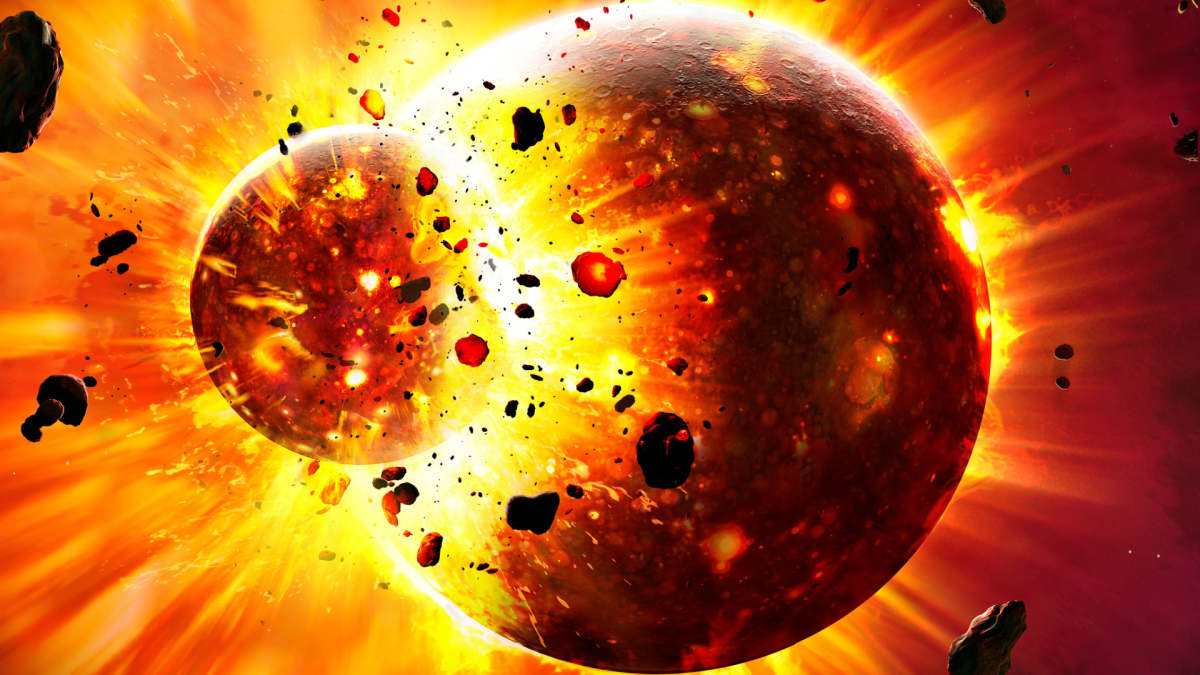
The dust cloud is circling the new star at roughly the same distance that separates the Sun from Earth. Astronomers think that at this distance the dust will gradually cool and solidify, forming an Earth-Moon-like system. To find more such collisions, the team's best bet is the powerful Simonyi Survey Telescope at the NSF–DOE Vera C. Rubin Observatory. With it, Davenport thinks that astronomers could locate 100 new impacts over the next decade, narrowing our search for habitable places beyond the solar system.
More on Starlust
Distant moons around alien planets may host conditions for life, says new study
A rare 'teenage' planetary system could help bridge a gap in the study of cosmic evolution