This 'dead' star came back to life 30 years ago. Now it’s changing again.
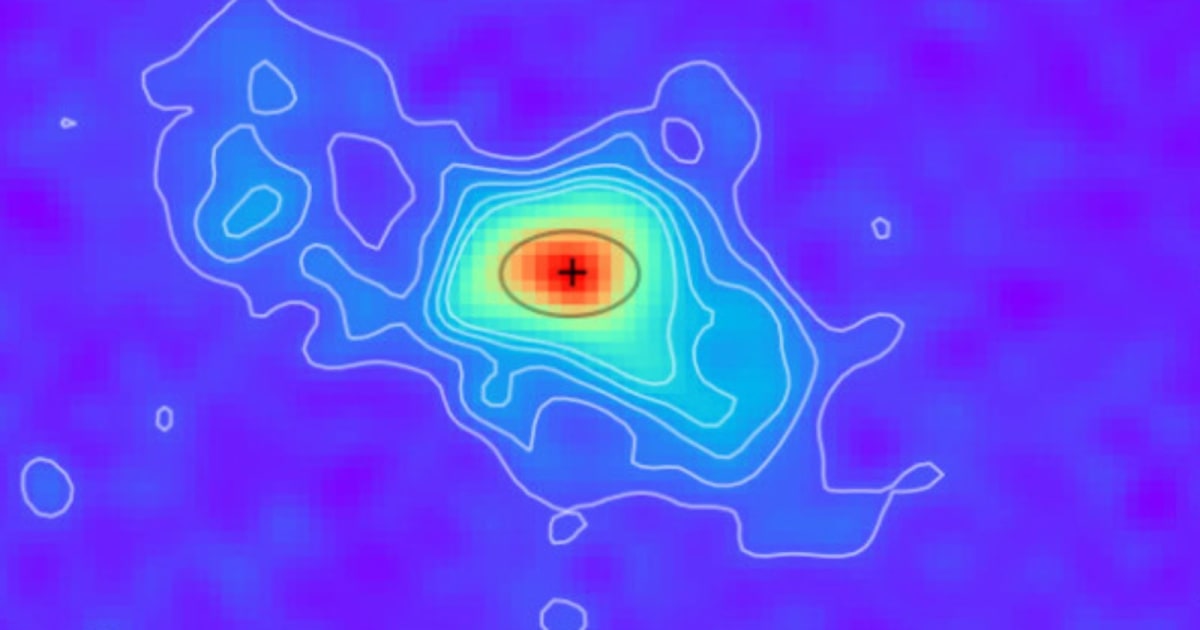
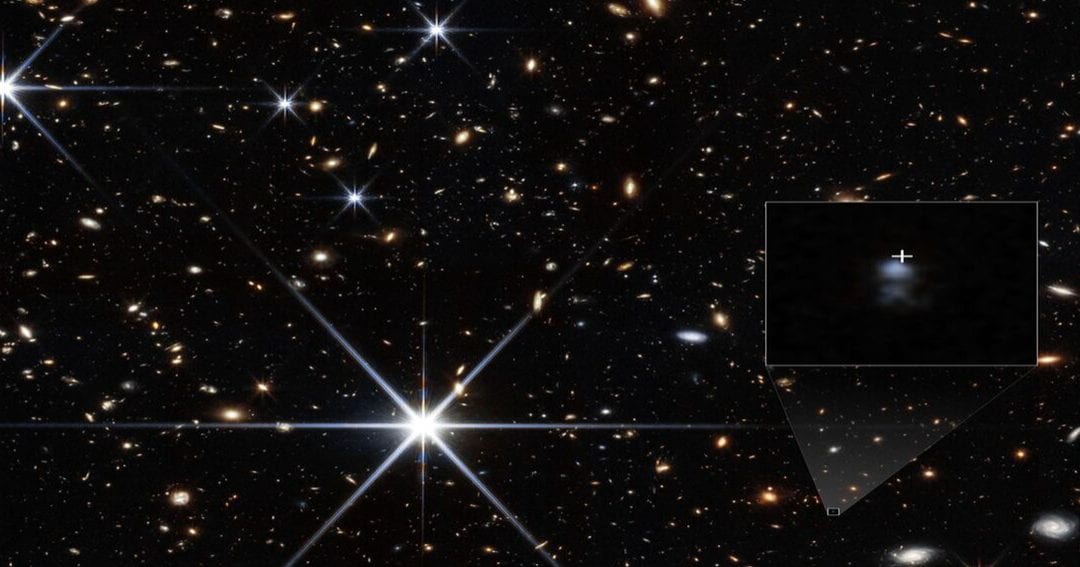
A "dead" star that came back to life 30 years ago is changing once again. In 1996, Sakurai's Object underwent a drastic eruption, after which astronomers observed it as a "born-again" star. Now, new observations show that the star is reheating and entering a new phase of its evolution.
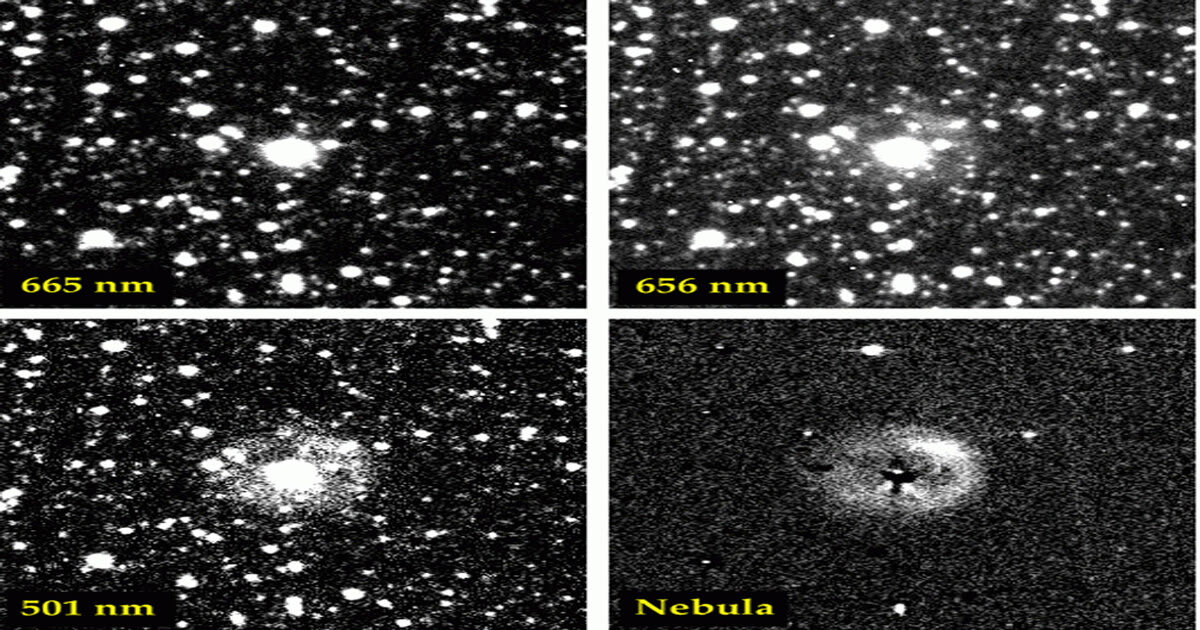
This is interesting because, this time, astronomers are able to observe this change in real time, within just a few decades. They are following a process that would normally take far longer to observe during a star's life.
The strange second life of Sakurai’s Object
In 1996, the behavior of Sakurai's Object was definitely not like normal evolution. During its outburst, the star ejected so much material that it eventually hid the central region from view. Even after that, astronomers continued to follow the star through radio and infrared observations because it was evolving at a very fast rate.
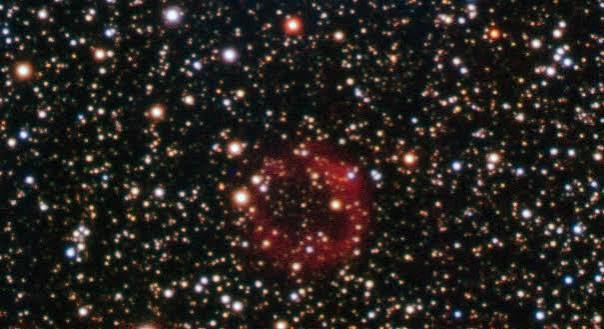
The speed of this star's evolution is what makes its story so interesting. According to stellar-evolution models, the process should have taken hundreds of years, but Sakurai's Object's born-again phase developed in roughly 5 years. To understand this brisk evolution, scientists had to reconsider how their models described the process. This evolution makes Sakurai's Object a rare body for scientists to study. Normally, observing a star evolve on a human timescale is difficult, but here, astronomers have been able to follow these changes over just a few decades.
A new look at Sakurai’s Object
In 2023, researchers used the FORS2 instrument of the European Southern Observatory's Very Large Telescope (VLT) to observe Sakurai's Object's optical spectrum. An optical spectrum basically shows how light from a particular object behaves at different wavelengths and can provide hints about the composition and physical conditions of a star. In this data, scientists found clear stellar features, especially emission lines linked with carbon and helium. Researchers compared these observations with stellar-atmosphere models to understand exactly where these features were coming from.
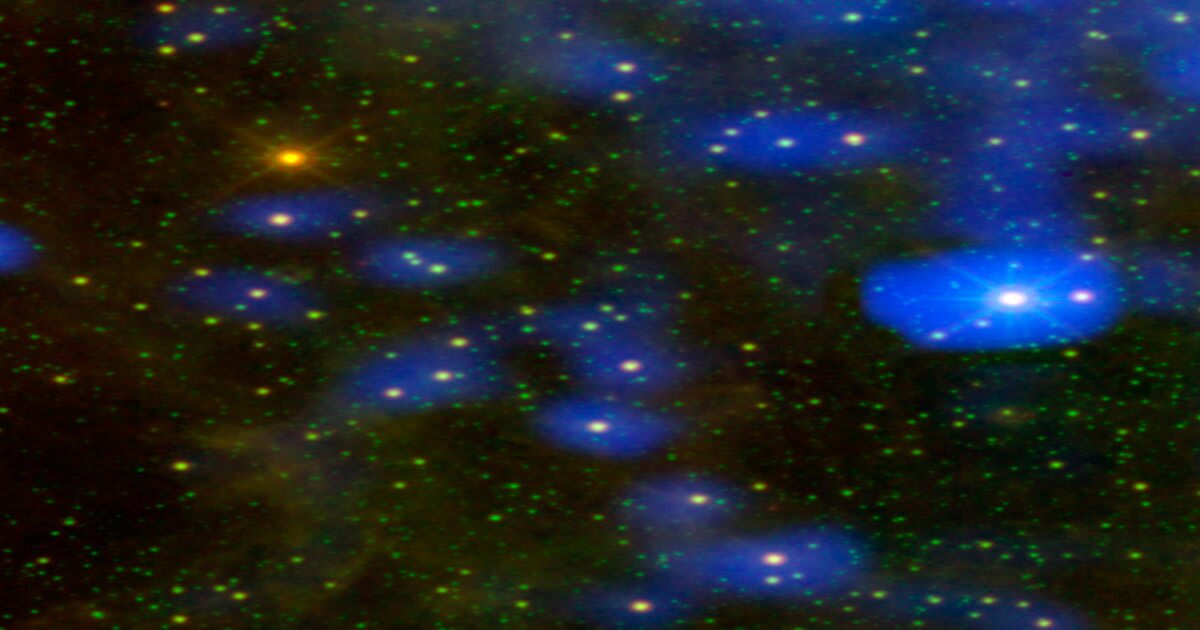
In a new study, published in the Monthly Notices of the Royal Astronomical Society on September 16, 2026, W. Marcolino and his team used this analysis to confirm that these emission lines were arising from a [WR]-type stellar wind (a low-mass Wolf–Rayet-type star). Researchers identified Sakurai's Object's central star as a [WC]-type, a carbon-rich subtype of Wolf–Rayet-type stars. According to their models, its current temperature is around 30,500 K, with a range of 27,000-36,000 K.
A star astronomers can watch evolve
Currently, astronomers are monitoring Sakurai's Object because it is reheating. In the coming years, scientists will track changes in its spectrum and temperature so they can study how the star continues through this evolutionary phase. Future observations can help scientists understand why the star is reheating more gradually than some models predicted. Sakurai's Object can be followed on a human timescale, so every new observation can give scientists another clue about how this rare stage of stellar evolution unfolds.
More on Starlust
Young stars are changing entire galaxies and scientists finally know how
Starting with spring equinox on March 20, Sun will move northward each day—here's how to track it