Starting with spring equinox on March 20, Sun will move northward each day—here's how to track it

The March equinox arrives tomorrow, March 20, at 14:46 UTC (7:46 am EDT), according to NASA. Marking the start of spring in the Northern Hemisphere, this celestial event will offer us the perfect opportunity to observe the sun’s trajectory shift northward along the beaming horizon until the occurrence of the June solstice. Here we provide you with the complete information regarding the spring equinox and ways to track the Sun’s movement.
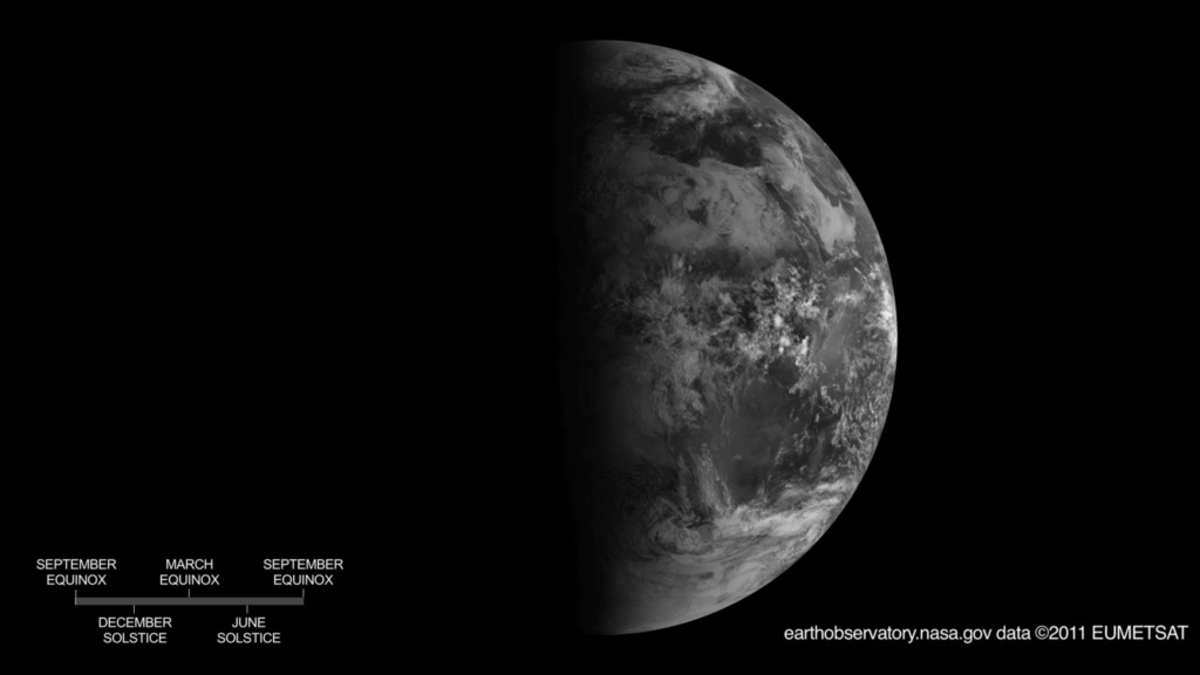
What is an equinox?
The word "equinox" originates from Latin, meaning “equal night,” and it occurs when the Sun crosses the plane of Earth's equator. This phenomenon occurs twice a year, once in March and then in September. During the equinoxes, both the Northern and the Southern Hemispheres receive equal sunlight, even though the precise lengths of the day and night on the equinox aren't exactly equal. Some areas may experience that split a few days later or earlier than the equinox itself, depending on the latitude.
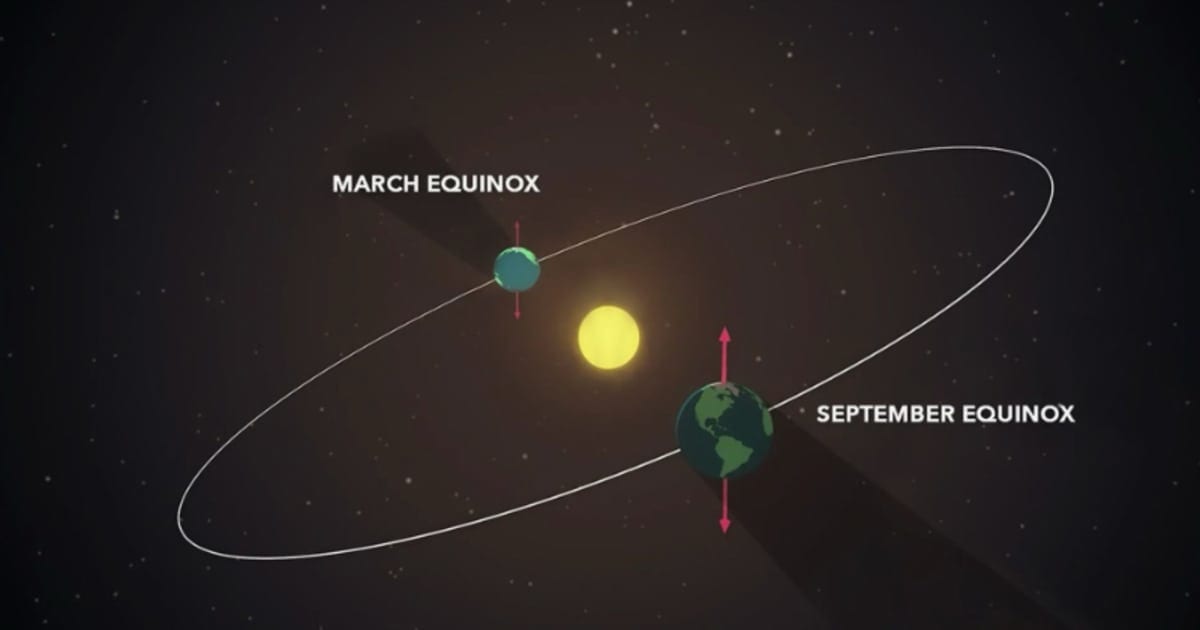
Tracking the Sun’s journey
Noting the Sun's position each day at sunrise or sunset in the weeks following the March equinox will let observers track its journey northward. As many streets in the U.S. and other parts of the world are aligned in the north-south or east-west direction, tracking the Sun in the days following the March equinox can be done through any east- or west-facing window of your home, per EarthSky. But in case that is not possible, pick a fixed spot outdoors facing east or west that offers a clear horizon view and direct sunlight. Making a note of the spot where the Sun sets or rises every week or 10 days, with respect to trees and other objects in the place, will be enough to track the movement of the Sun.

Remember that the Sun's movement along the horizon is more perceptible the farther north or south you are of the equator. For instance, in places like Denver, Colorado; the island of Sardinia, Italy; and Beijing, China, which are located at 40 degrees north latitude, the Sun will be rising in the east and setting in the west on the day of the equinox, and the same will be followed in places like Fairbanks, Alaska; Siberia; and Iceland, which are located at 65 degrees north latitude. But here comes the interesting part: two weeks later, on April 4, in the former areas, the Sun’s rising and setting points will shift by 7 degrees toward the north, while in the latter areas, the points will shift by 14 degrees northward.
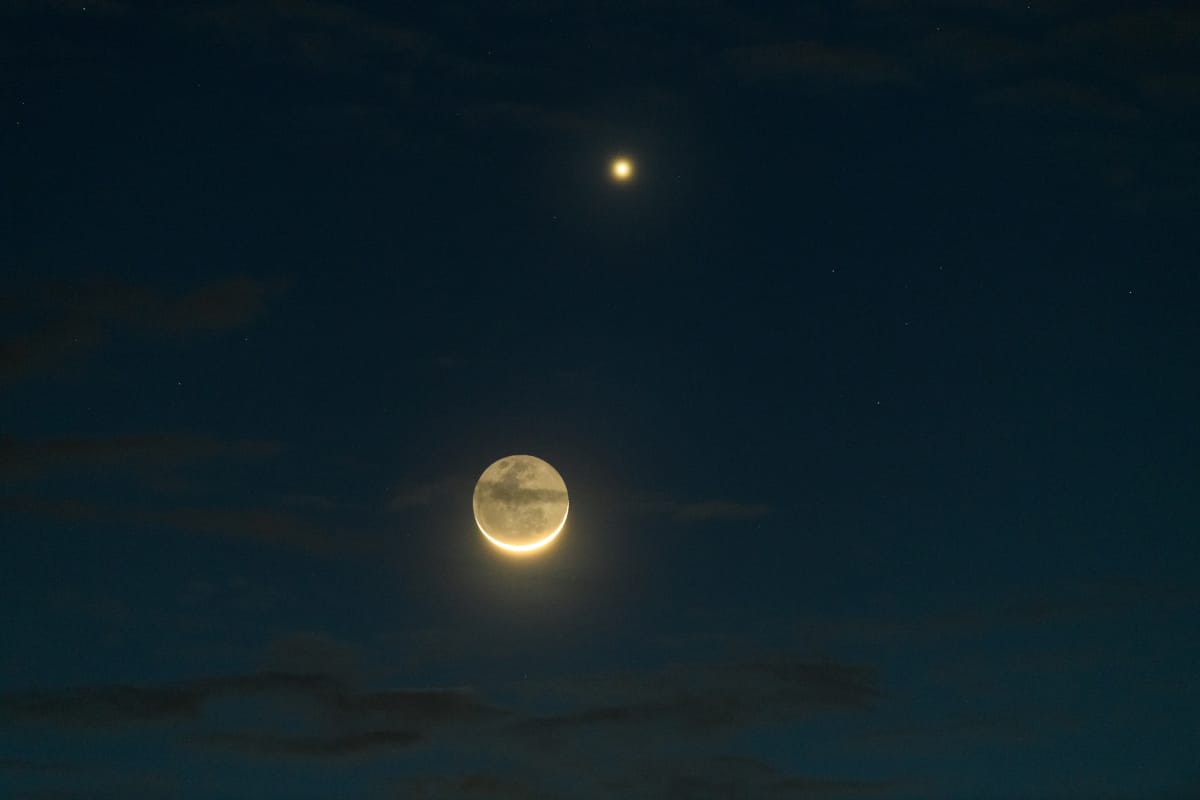
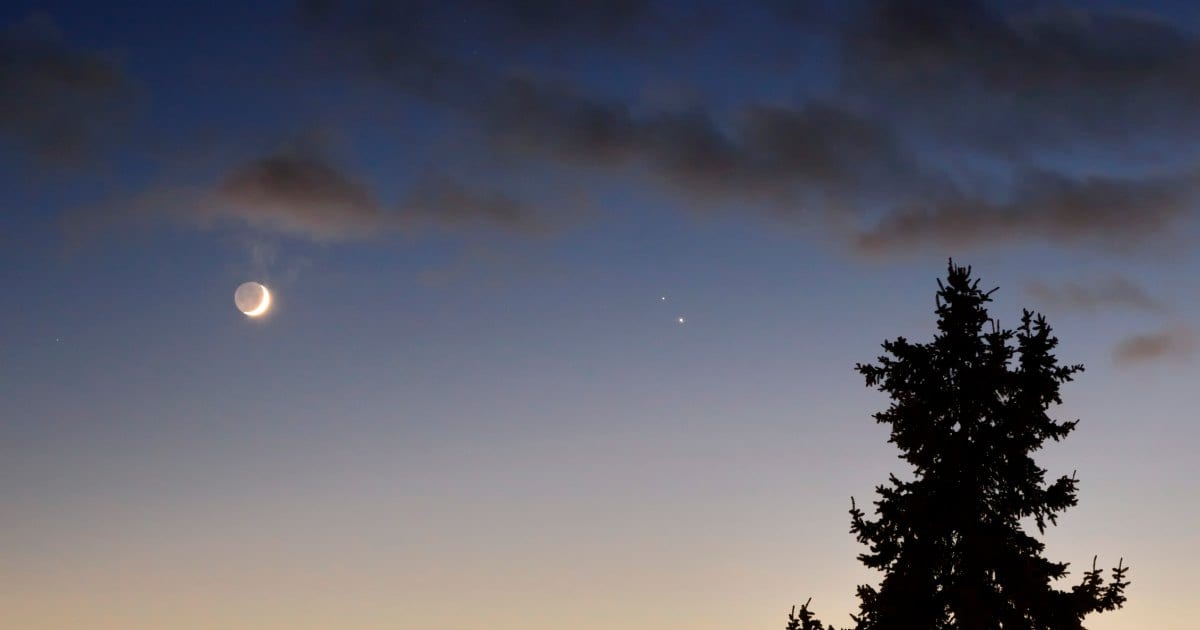
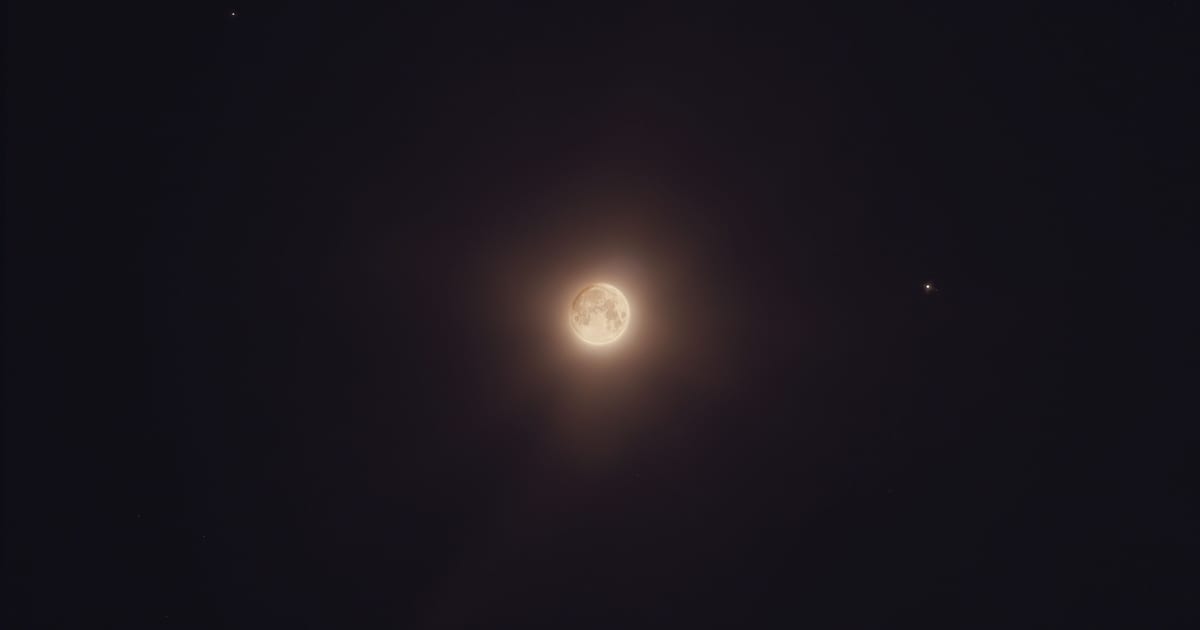
As we come closer to the occurrence of the March equinox, get ready, skywatchers, to follow the Sun along its journey to the solstice. What's more, another visual treat will accompany this equinox. We will be graced with the Moon-Venus conjunction, as the waxing crescent Moon will be near Venus in the sky, low down on the western horizon, just after the Sun sets.
More on Starlust
Skywatching events in March 2026: Onset of spring and more
NASA's top skywatching events for 2026: Total lunar eclipse, Perseid meteor shower and more