The butterfly effect in galaxy formation: How minute changes in star positions affect development
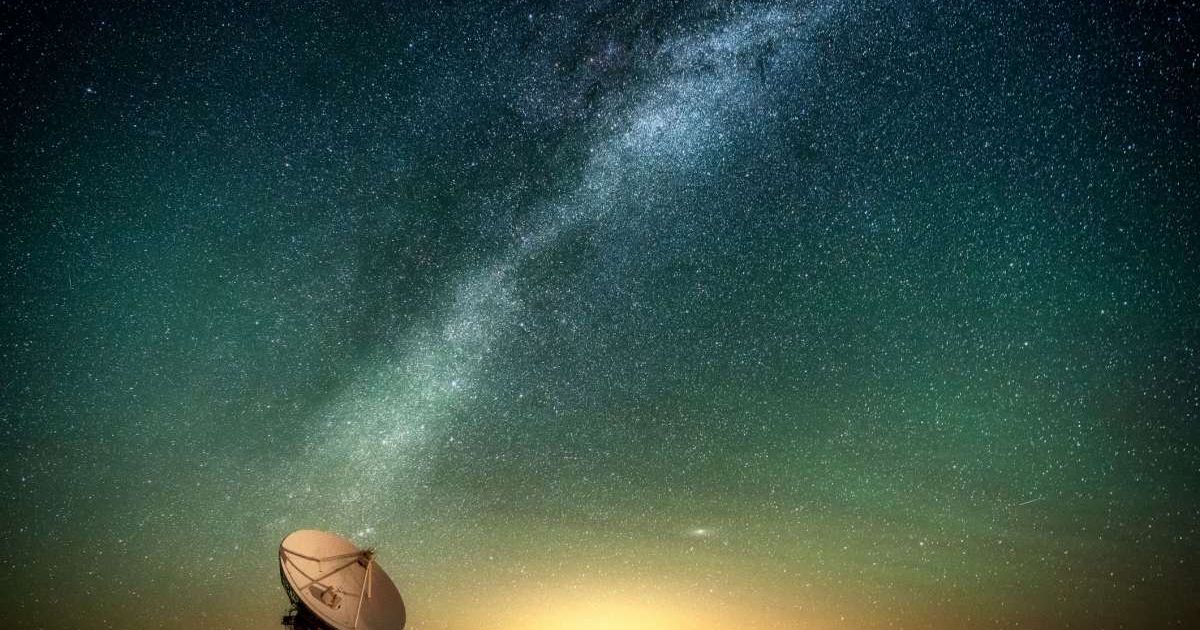
Even when starting from identical initial conditions, astronomers don't usually find the exact same result when simulating galaxies. This difference in simulation outcomes, it appears, doesn't stem from a flaw in the computational method used. Rather, it reflects the inherent, chaotic nature of how galaxies develop, according to new research by a team of astronomers from the University of Barcelona and Leiden University. Astronomers Tetsuro Asano and Simon Portegies Zwart have detailed their findings in a paper accepted for publication in the Astronomy & Astrophysics journal and now available on the arXiv preprint server. Their study brings us a step closer to solving the mystery of the chaos that reigns at the heart of the Milky Way.
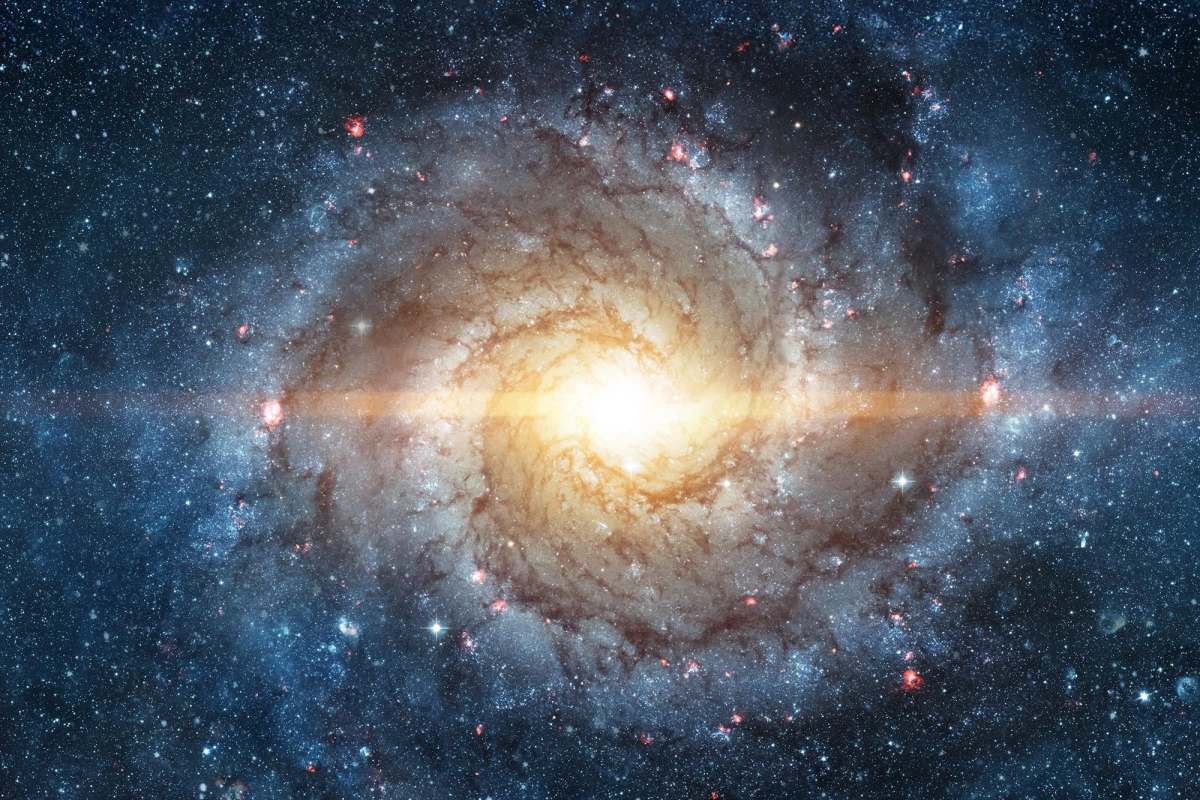
For the study, the researchers modelled hundreds of Milky Way-like galaxies, each embedded in a cloud of dark matter. However, these simulations were not to scale: because modern supercomputers do not have the capability to calculate the gravitational tug-of-war that could play out in, say, a galaxy containing 100 billion individual stars, astronomers use something known as an N-body simulation. Here, a galaxy is mapped using millions of "particles," each representing thousands of stars clumped together. In each experiment for the present study, the team ran paired simulations that were identical, except for an infinitesimal shift in the position of a single simulation particle, which was displaced by 50 parsecs or 163 light-years, which is a tiny distance in cosmic terms. Yet, this small change triggered a cascading effect, resulting in visible structural deviations as a galaxy developed.
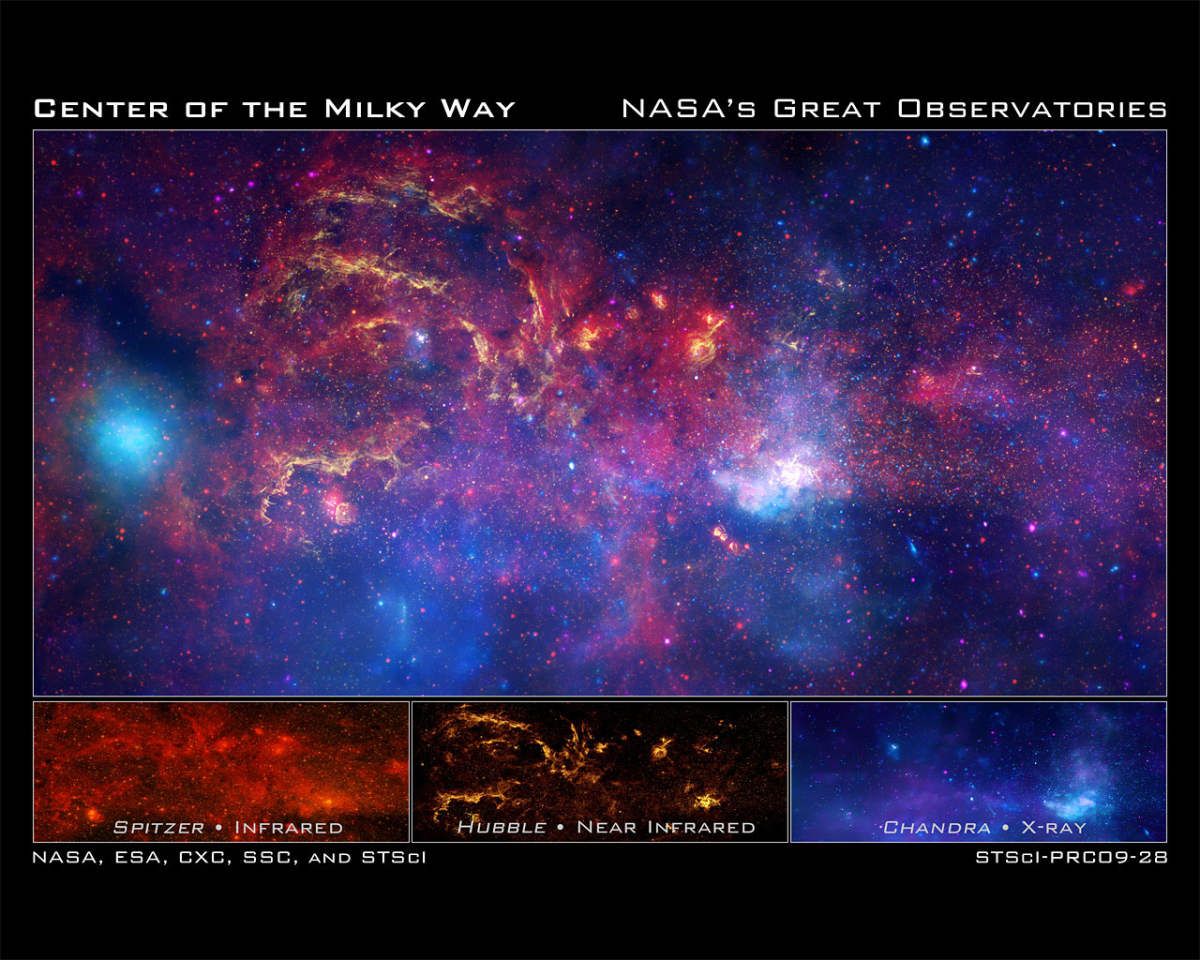
The new findings challenge conventional assumptions: for long, astronomers had assumed that galaxies were simply too vast to be affected by microscopic changes, like the position of a single star. The reasoning was simple: because a galaxy like the Milky Way is home to 100 billion stars spread across a mind-boggling distance of 100,000 light-years, a small displacement of a single mass, such as a star, was expected to average out into a smooth and predictable evolution. However, the experiments run by the team showed otherwise. This phenomenon, the researchers noted, was a "clear manifestation" of the famous butterfly effect, which posits that the flap of a butterfly's wings can lead to a series of cascading effects, ultimately even influencing the path of a distant hurricane. In simple terms, the butterfly effect suggests that small changes in the initial conditions of a system can result in differences in its final state. Galaxies, too, are similarly sensitive to small disturbances, the study found. "It's quite remarkable that the Milky Way, with so many stars that you would expect it to behave smoothly, still turns out to be so chaotic," said Portegies Zwart in a statement. He went on to explain that even small deviations made the Milky Way's development unpredictable in a mere 100,000 years, a blink of an eye on the cosmic timescale.
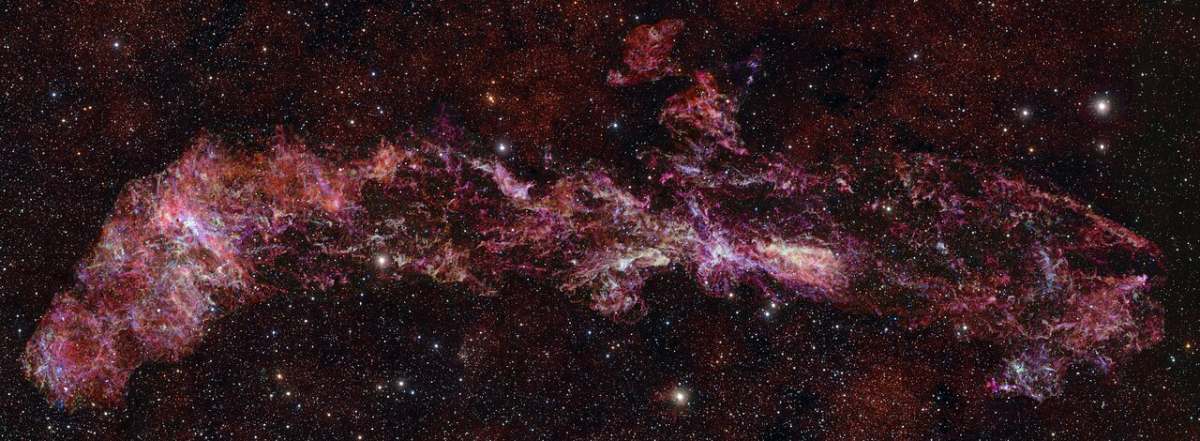
The study, thus, suggests that predicting the precise future of a galaxy in cosmic terms is nigh impossible, given how small deviations in point masses can alter development trajectories entirely. That said, despite this chaos of galactic dynamics, galaxies don't descend into total anarchy either from small changes, suggesting that there exist macroscopic limits to the butterfly effect. The study's experiments found that while small changes do alter galaxy development, the overarching structures of galaxies remain recognizable: spiral galaxies still develop to become spiral galaxies, for instance, but the finer details, such as the curvature of spiral arms, diverge in difficult-to-predict ways. "This resolves the paradox that galaxies can behave both smoothly and chaotically at the same time," says Portegies Zwart. "We have now quantified how choices in a simulation determine how much of that chaos you see. That not only explains how a single particle can reshape an entire galaxy, but also how we can model this reliably," he added.
More on Starlust
New instrument, TIME, maps the Milky Way's core to prepare for a survey of the early universe
Astronomers identify 20 stars as remnants of Loki, a dwarf galaxy consumed by the Milky Way