Strawberry Moon 2026: When and how to watch June's rare full Moon—viewing times and locations

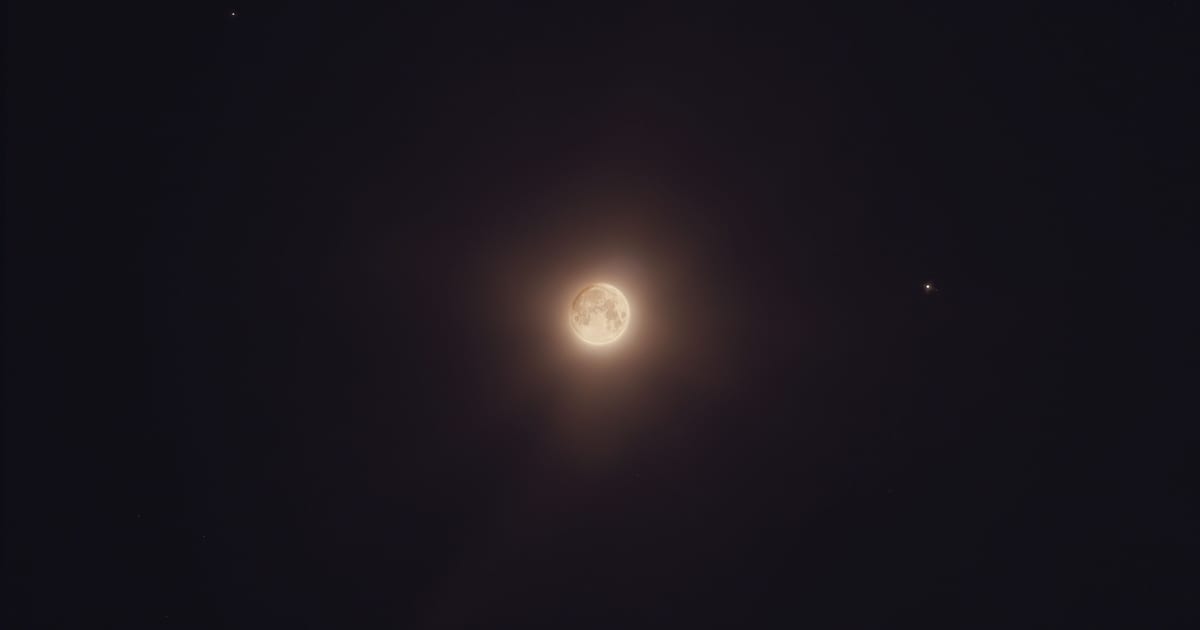
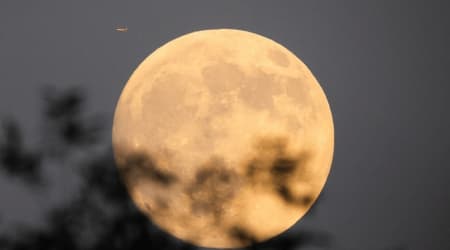
Skywatchers can watch the full Strawberry Moon on Monday, June 29, 2026. The term "Strawberry Moon" refers to the traditional strawberry harvest in North America during the month of June. The June 29 full Moon stands out for a few reasons. For the people of the Northern Hemisphere, this will be the very first summer full Moon, which will also be the second-smallest full Moon this year. Additionally, the Strawberry Moon will be positioned lower in the sky than the other full moons of 2026.

When and how to see the Strawberry Moon?
To watch the Strawberry full Moon, stargazers should keep a close eye on the southeastern horizon around sunset on the evening of June 29. The full Moon will be embedded within the constellation Sagittarius. Unfortunately, casual skywatchers will be deprived of seeing those background stars, as the intense lunar glare will easily wash them out. Due to a phenomenon known as the Moon illusion, the lunar disk will appear larger than usual to the naked eye when it hangs close to the horizon. This trick of the brain makes the Moon appear massive at moonrise compared to when it is higher up in the sky. In reality, there are no changes in the Moon’s physical size, nor does its distance from the Earth meaningfully change during this visual trick.

For skywatchers, the best time to observe the Strawberry Moon is during moonrise, when the lunar disk will provide the best views. The full Moon on June 29 will reach its exact full phase at 7:57 p.m. EDT. While this represents the exact moment of peak illumination, the best time to watch the Moon will simply be on the night of June 29. To get a great view, find an open field, a terrace, or a coastline with an unobstructed southeastern horizon.

Where to see the Strawberry Moon?
Here are the local times for the June 2026 Strawberry full Moon, when it reaches 100% illumination, as per Time and Date:
- New York: June 29, 19:56 EDT
- London: June 30, 00:56 BST
- Beijing: June 30, 07:56 CST
- Tokyo: June 30, 08:56 JST
- Sydney: June 30, 09:56 AEST

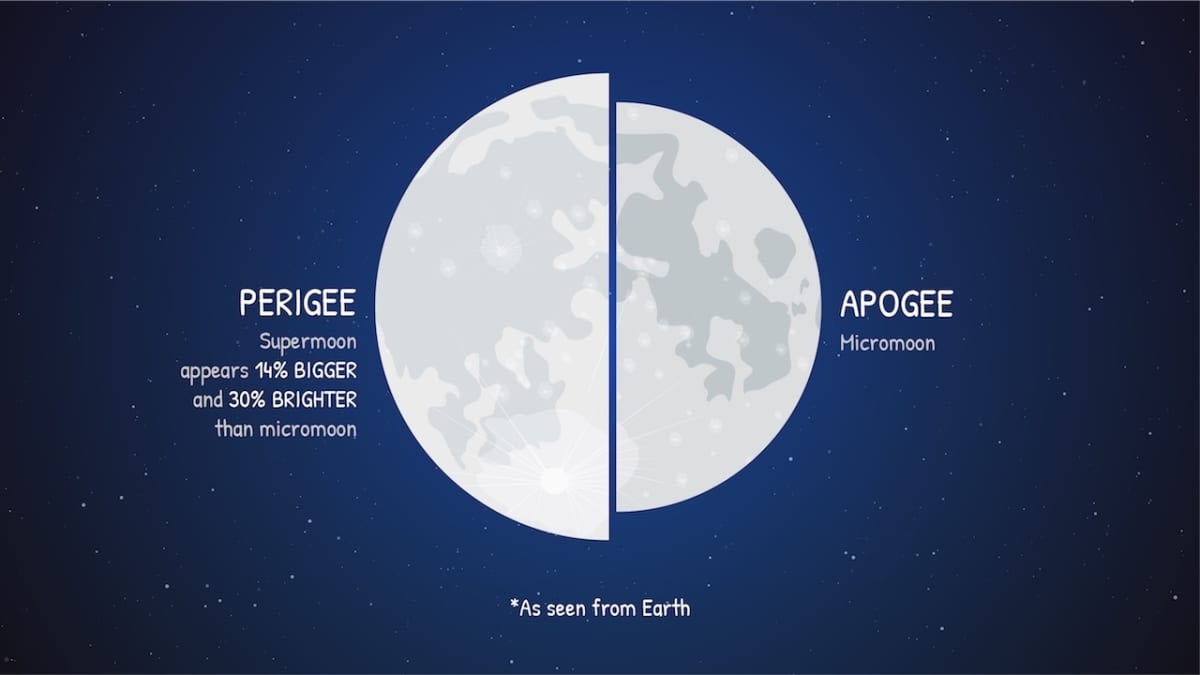
The June full Moon will occur one day after lunar apogee, the specific point when it is farthest from our planet. Conversely, the point in the Moon’s orbit closest to the Earth is termed perigee. Full Moons that coincide with apogee are known as micromoons. A micromoon is dimmer and slightly smaller than average, acting as the opposite of a supermoon, which appears up to 30% brighter than a micromoon.
Is the ‘Strawberry Moon’ red in color?
No, the name Strawberry Moon does not have anything to do with the lunar disk’s color. While the Moon appears in its usual hue, according to the Old Farmer’s Almanac, the name is a reference to how strawberries ripen during this time and were historically harvested by Native Algonquian tribes. The June full Moon also has several other names given by various indigenous cultures. The Haida people call it the ‘Berries Ripen Moon,’ while the Cherokee and the Tlingit tribes call it the ‘Green Corn Moon’ and ‘Birth Moon,’ respectively. According to Time and Date, traditional European names for the June moon include the ‘Horse Moon’ or ‘Hot Moon.’
More on Starlust:
Total Solar Eclipse 2026: Date, time, viewing locations, and safety measures—all you need to know
In pics: March 2026 'Blood Worm Moon' from New Orleans, Beijing and New Zealand