SpaceX's Falcon 9 to deploy another 25 Starlink satellites on March 24 following a busy launch week
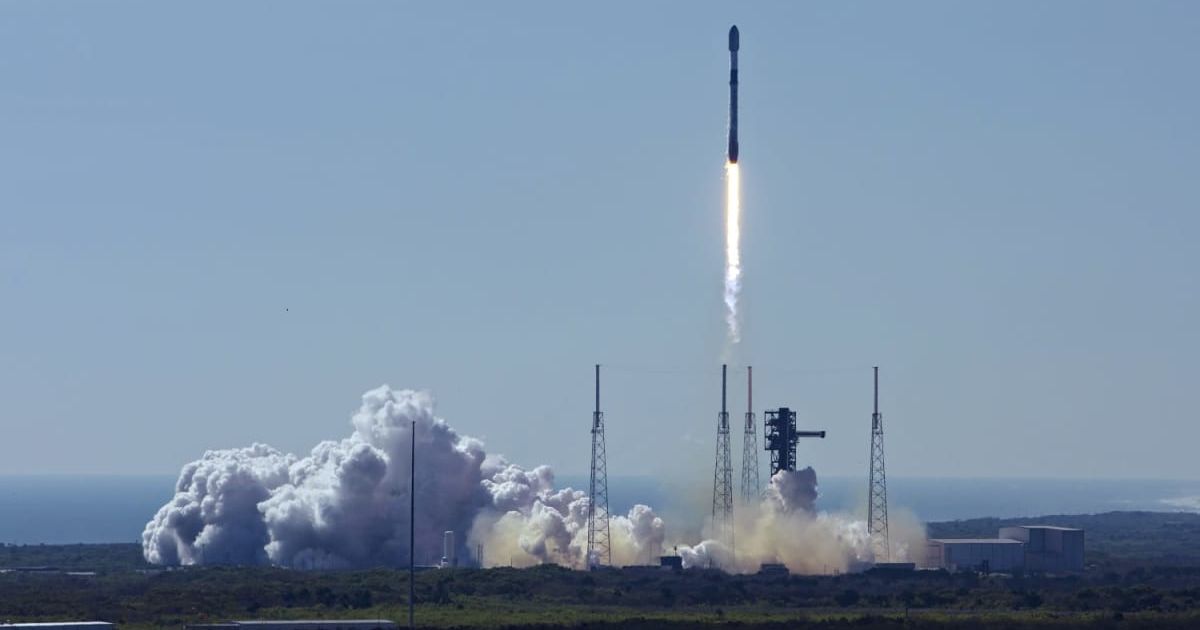
After stage separation, the first-stage booster will land on the Of Course I Still Love You droneship in the Pacific Ocean.
UPDATED APR 1, 2026
SpaceX's Falcon 9 rocket lifts off from Florida with 29 Starlink satellites on March 22, 2026. (Representative Cover Image Source: SpaceX/X)

SpaceX is set to launch another 25 Starlink satellites aboard a Falcon 9 rocket on March 24, 2026, maintaining its high cadence of launches. The satellites will be deployed from the Space Launch Complex 4 East (SLC-4E) at Vandenberg Space Force Base in California. This announcement follows a hectic week of nearly daily Falcon 9 flights, during which 137 satellites were deployed into low-Earth orbit in five separate batches. 
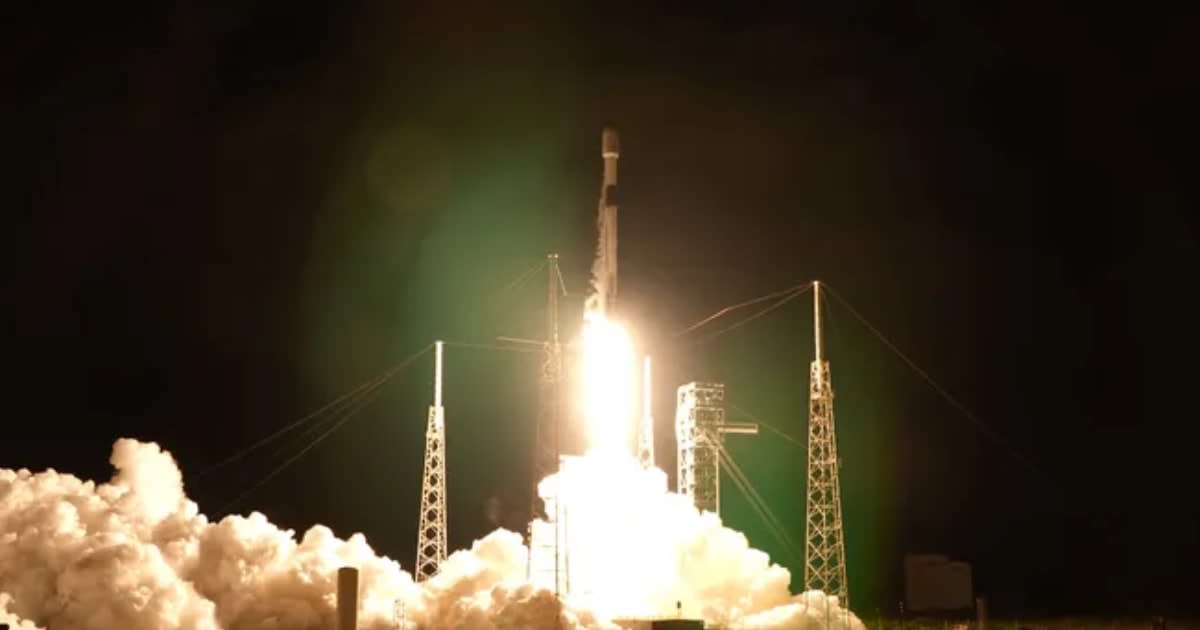
A SpaceX Falcon 9 rocket carrying 29 Starlink satellites launches from Cape Canaveral Space Force Station in Florida on Sunday, Jan. 18, 2026. (Image credit: SpaceX)
A SpaceX Falcon 9 rocket carrying 29 Starlink satellites launches from Cape Canaveral Space Force Station in Florida on Sunday, Jan. 18, 2026. (Representative Image Source: SpaceX)

The upcoming launch from Vandenberg’s SLC-4E is scheduled to take place between 7:03 p.m. EDT and 11:03 p.m. EDT. Following stage separation, which is expected to happen around two and a half minutes into the mission, the first stage of the rocket will land in an upright fashion on the Of Course I Still Love You droneship, stationed in the Pacific Ocean, about eight minutes and thirteen seconds into the mission. According to the company, the mission will also mark the 23rd flight for the first-stage booster, which has supported 12 Starlink missions as of yet. SpaceX has also warned that the residents of the Santa Barbara, San Luis Obispo, and Ventura counties may hear one or more sonic booms, depending on the weather.
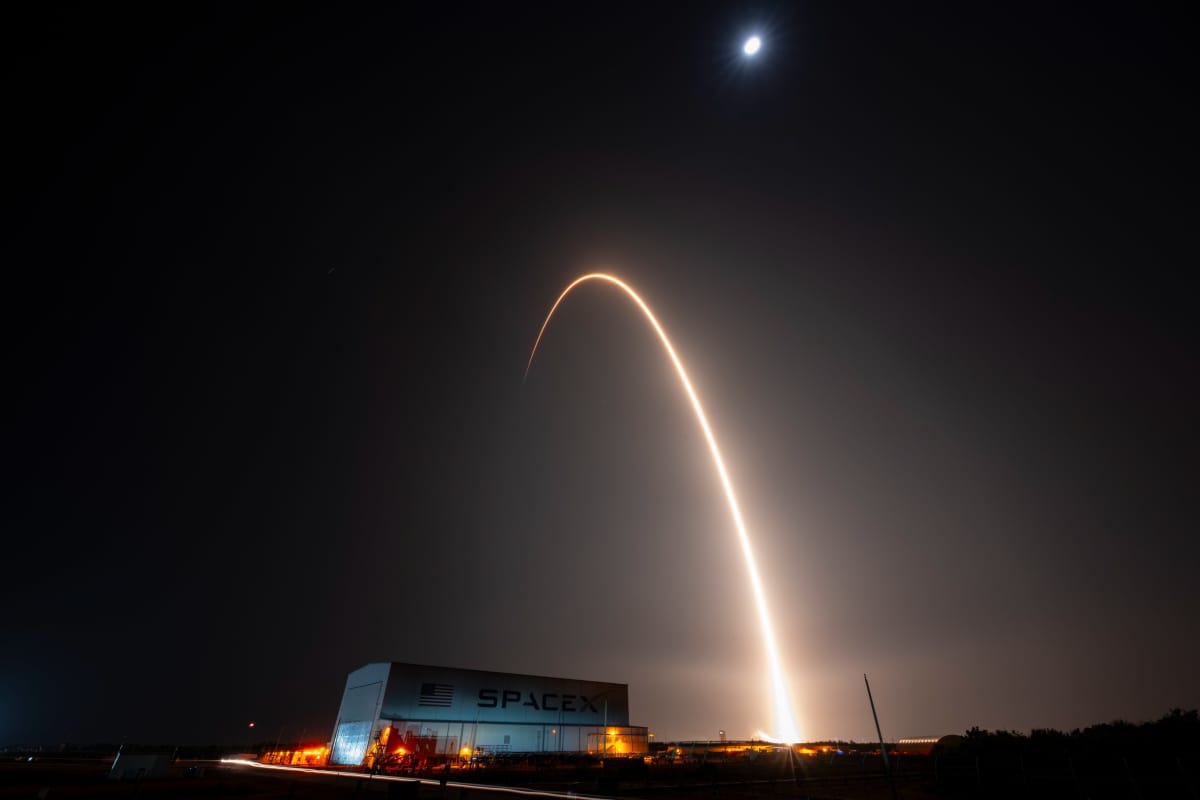
SpaceX Falcon 9 rocket launch 28 Starlink satellites from Cape Canaveral Space Force Station in Florida on May 6, 2025. (Credit: SpaceX)
SpaceX Falcon 9 rocket launch 28 Starlink satellites from Cape Canaveral Space Force Station in Florida on May 6, 2025. (Representative Image Source: SpaceX)

This event will have a live webcast, so you can watch the pre-launch stream on the company’s X account and the X TV app, starting five minutes before liftoff. A batch of 29 Starlink satellites is also scheduled to launch on March 26, 2026, between 7:22 a.m. EDT and 11:22 a.m. EDT from Space Launch Complex 40 (SLC-40) at Cape Canaveral Space Force Station in Florida. It will be the 34th flight for the first-stage booster, which has flown on 22 Starlink missions till now. Following stage separation, it will land on the Just Read the Instructions droneship out in the Atlantic Ocean.

More on Starlust

SpaceX conducts first Starship V3 static fire test in preparation for April test flight

Blue Origin joins SpaceX in the orbital data center race, aims to launch over 50,000 satellites
MORE STORIES

As they interacted with the media, the crew members of the Artemis II mission also talked about how they were supported on the mission by mental health professionals.
11 hours ago
“If you had given us the keys to the lander, we would have taken it down and landed on the Moon.”
13 hours ago
The Denver-based company will select its own astronauts for what will be the seventh private mission to the ISS.
1 day ago
The Starship upper stage also went through its first full-duration static fire test on April 14.
1 day ago
The third New Glenn mission, dubbed NG-3, is expected to launch massive broadband satellites into low Earth orbit.
2 days ago
Northrop Grumman’s Cygnus XL was captured by the Canadarm2, after which mission control in Houston installed it on the Unity module of the ISS.
2 days ago
Four fifths of the SLS core stage will travel on the Peagus barge from NASA's Michoud Assembly Facility in New Orleans to the Kennedy Space Center in Florida.
3 days ago
The use of ultralight graphene aerogels for propulsion with a push using light could be the way forward.
4 days ago
NASA Administrator Jared Isaacman reiterated that this was not a once-in-a-lifetime moment, but rather the beginning of more exciting missions.
4 days ago
China is the United States' biggest competitor in the modern-era space race.
4 days ago