SpaceX's Project Starfall demo to launch today: Here's what the Elon Musk-led firm aims to achieve
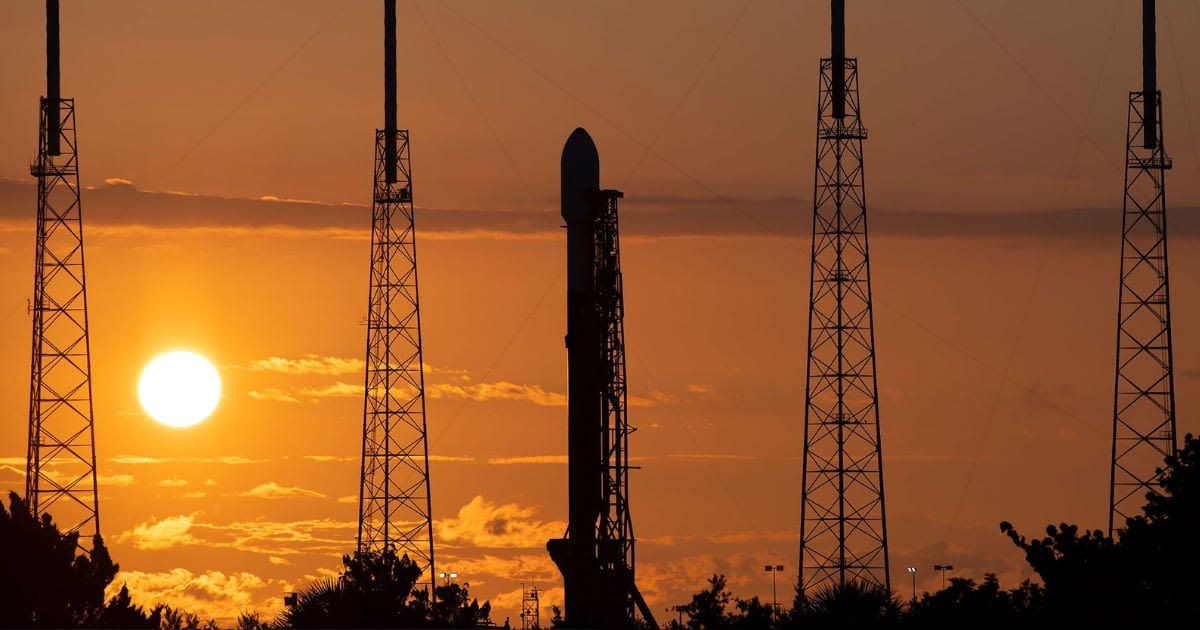
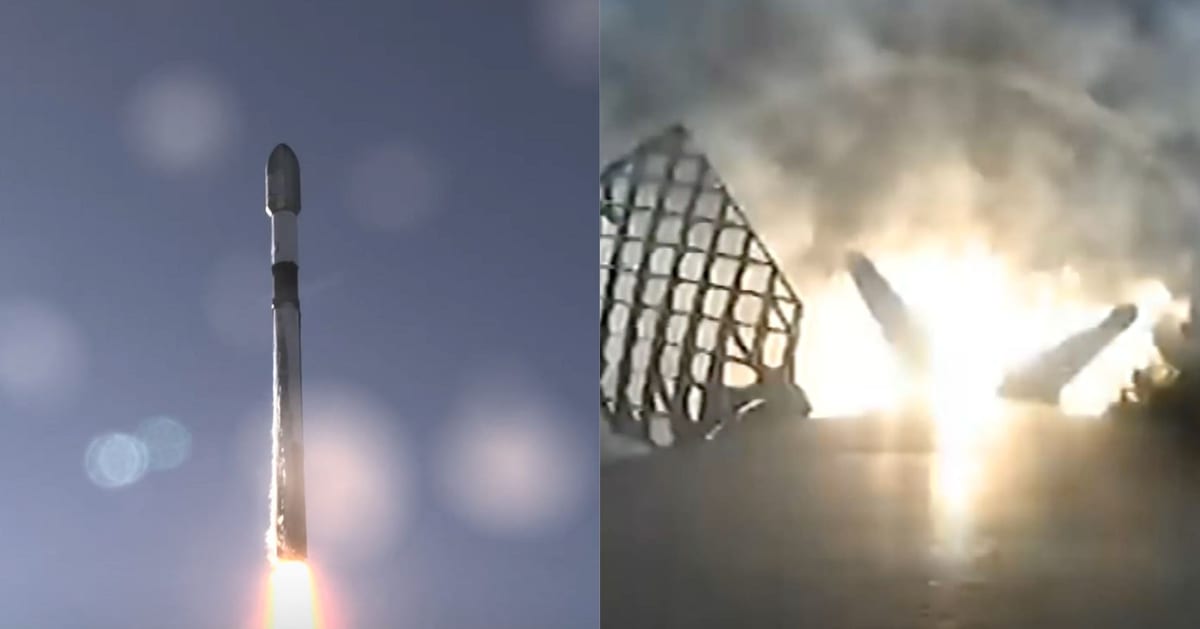
SpaceX is gearing up for the first-ever launch of its Starfall demonstration mission today, June 23, 2026. This flight marks the company's ambitious foray into a new format of rapid logistics—bringing heavy cargo from low Earth orbit directly back to the ground. Planned to lift off during a one-hour launch window that opens at 6:43 a.m. EDT from Space Launch Complex 40 at Cape Canaveral, Florida, the experimental spacecraft will hitch a ride to space aboard a veteran Falcon 9 rocket making its 29th flight.
Until recently, the Starfall initiative was kept a closely guarded secret at the Elon Musk-owned company. However, an environmental assessment released last month by the Federal Aviation Administration (FAA) pulled back the curtain on the project. According to the document, the goal of this specific program is to "demonstrate capabilities for future transport and delivery of goods through space" across two test missions. The first of these, Tuesday's launch, also features a backup launch window on Wednesday.
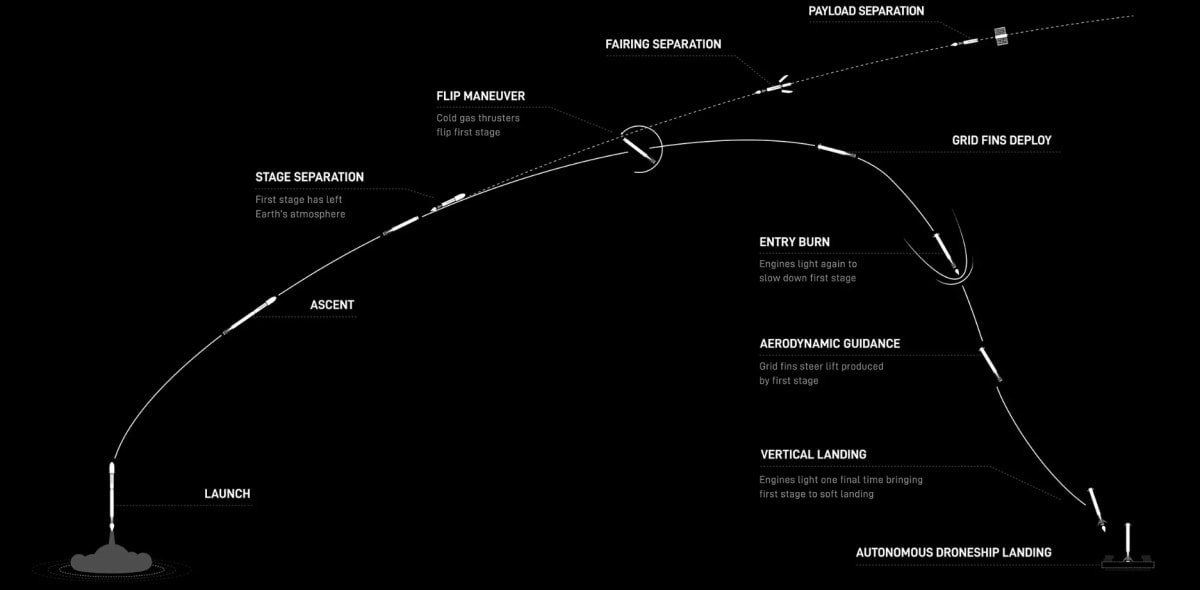
The objectives of Starfall
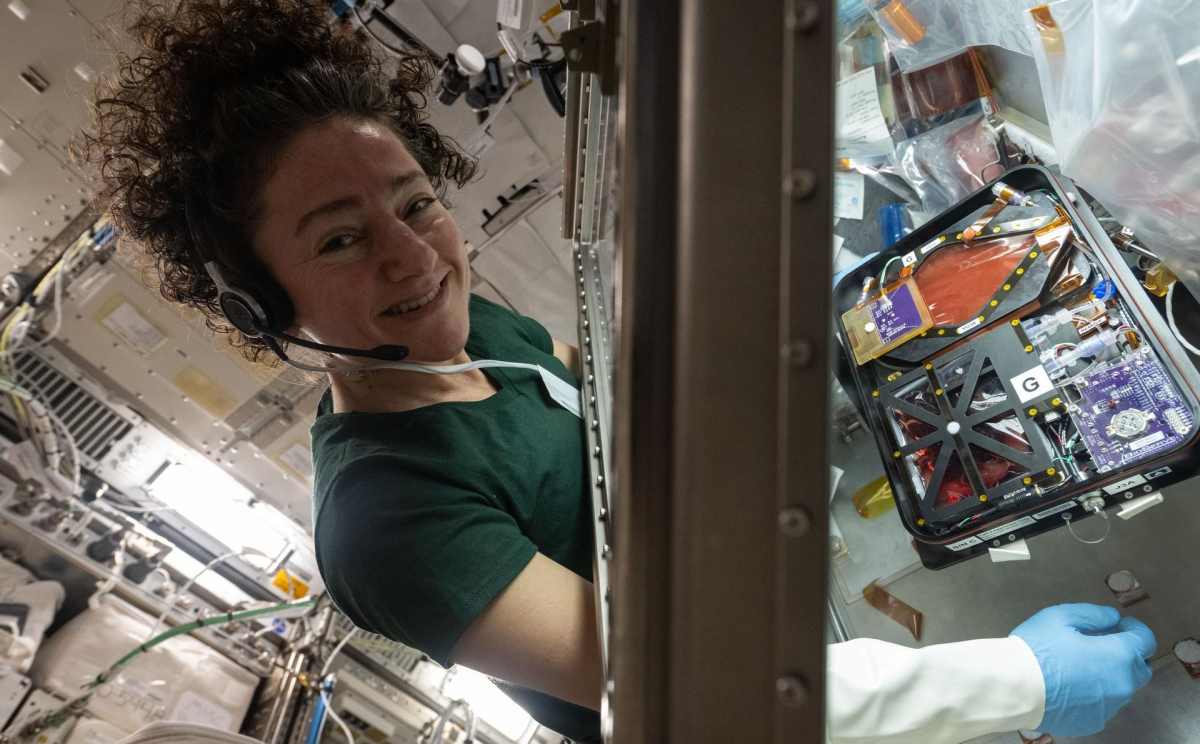
It appears the primary objective of the demonstration flight—and by extension, the entire Starfall project—is to support the rapidly growing industry of in-space manufacturing. According to NASA, space‑based manufacturing of materials like colloidal crystals and bio-engineered living cartilage cells has been the subject of recent investigations by the Expedition 74 crew on board the International Space Station (ISS).
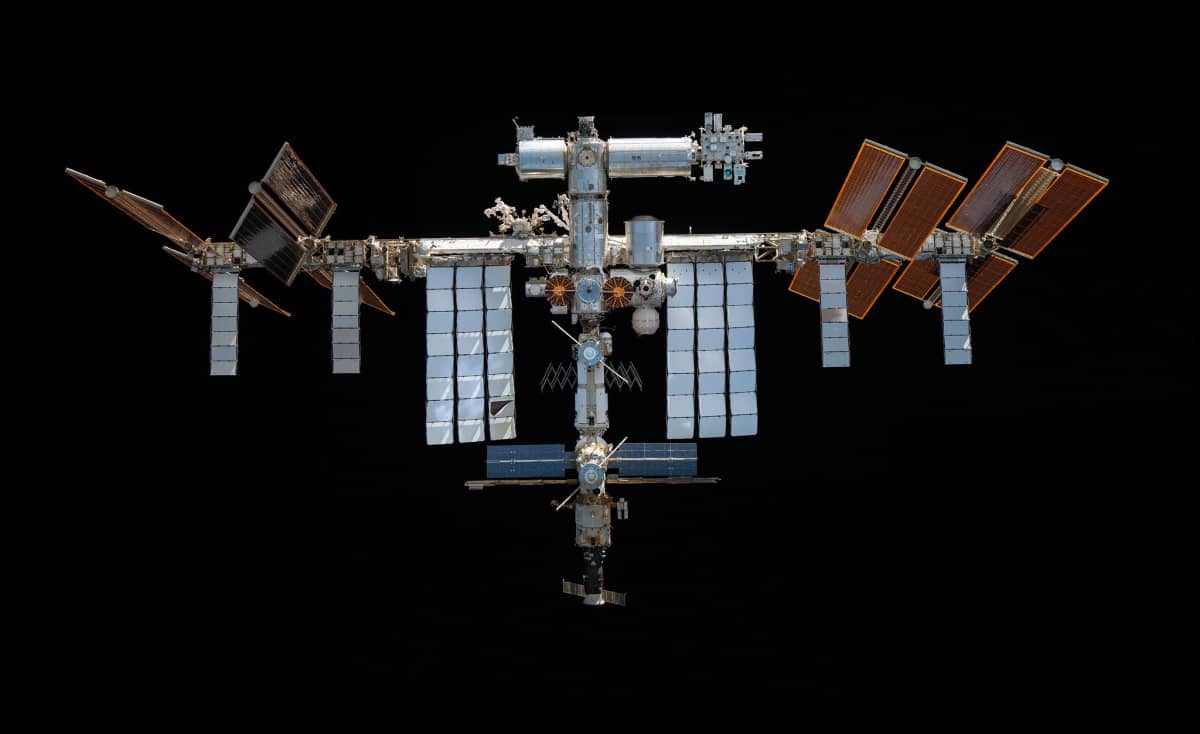
However, once the aging orbital outpost is retired after NASA's 2030 deadline, the industry will require an independent, automated platform to build these advanced materials in the microgravity of space and safely return them home. The FAA assessment notes that the mass-produced Starfall capsule is intended to act as a "proliferated successor" to the ISS, scaling its successful experiments into a self-sustaining manufacturing economy in space. The Texas-based company also intends to enable rapid point-to-point delivery of military or commercial cargo. Once in space, the Starfall capsules can either loiter in orbit as automated supply depots or move in a direct suborbital trajectory to land at a specific location on Earth on short notice.
Starfall spacecraft's design
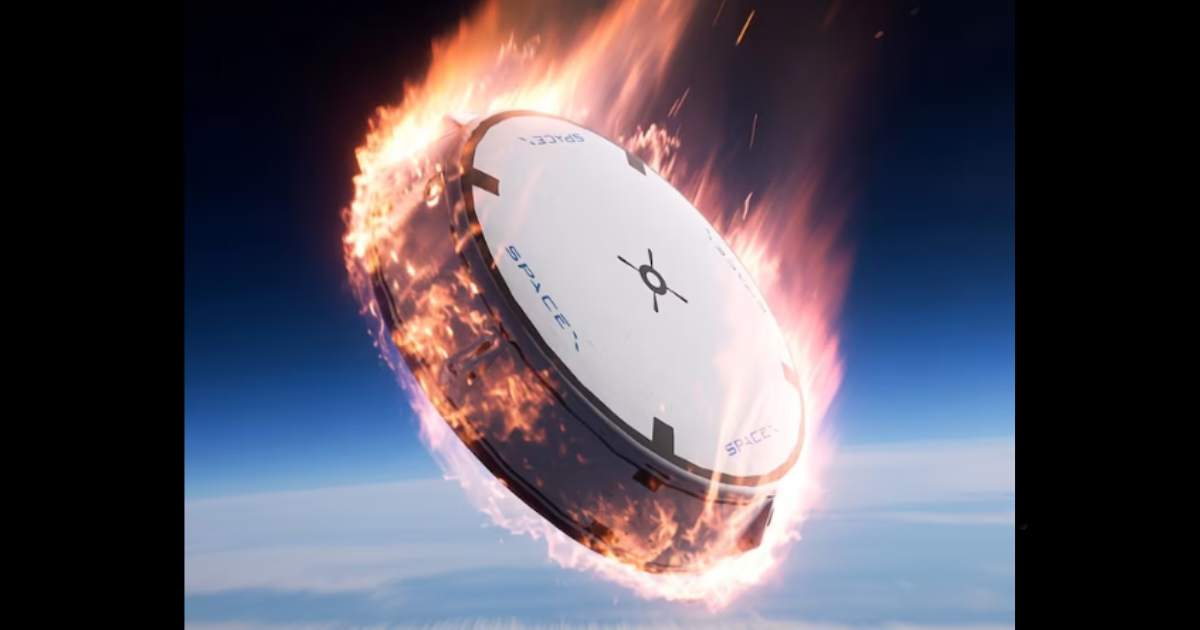
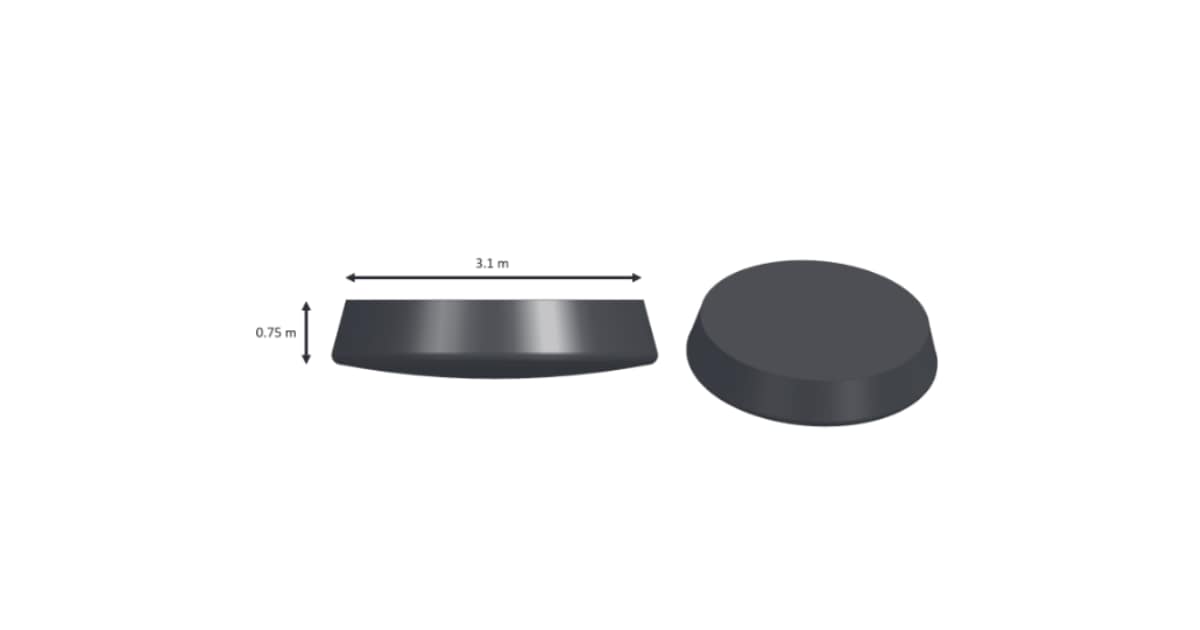
Historically, the design of reentry vehicles has revolved around a conical shape with a blunt heat shield at the bottom, much like the SpaceX Dragon, which ferries astronauts and cargo back and forth to the ISS. Starfall, however, is completely different. It features a low-profile, disk-shaped cylindrical design that closely resembles a giant hockey puck. It measures roughly 10 feet wide and just 2.5 feet tall, weighing in at roughly 4,630 pounds without cargo.
Because it is entirely uncrewed, the vehicle skips heavy life-support systems and heavy propulsion units. In fact, it has no onboard engines capable of de-orbiting itself. Instead, Starfall is reliant on the upper stage of its launch vehicle to deliver it to its destination and eventually put it on a targeted trajectory for reentry. It does, however, feature cold-gas attitude control thrusters powered by inert nitrogen, allowing it to orient itself precisely as it hits the upper atmosphere and begins its fiery descent.
What this test is for
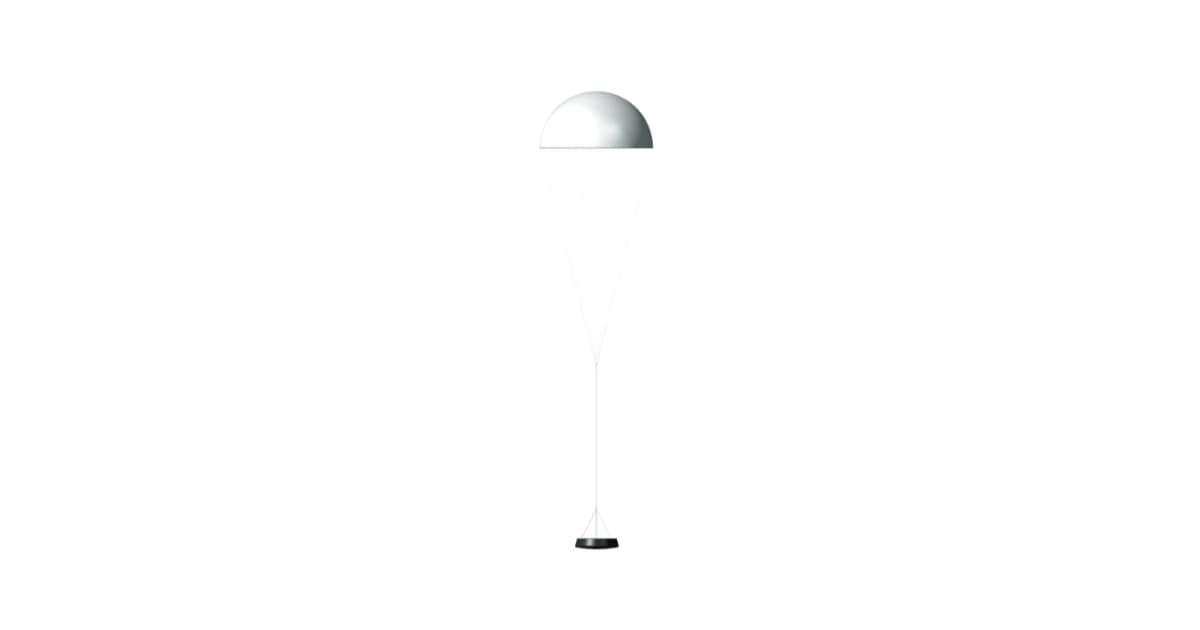
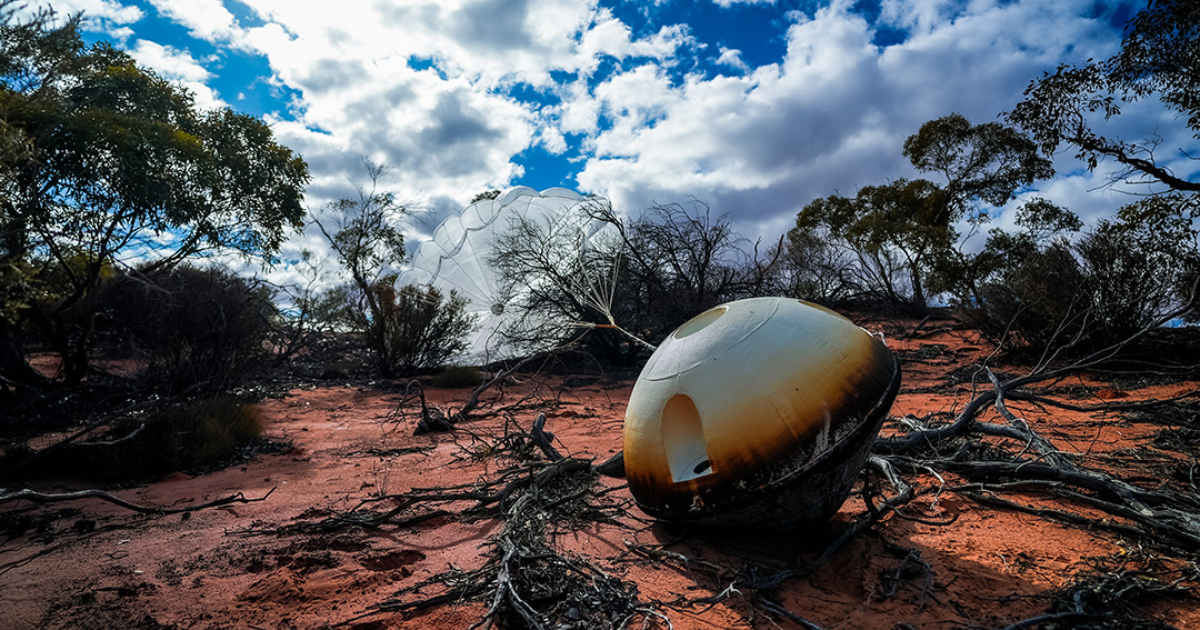
During the demonstration flight, SpaceX will focus not only on the mechanics of Starfall's reentry, but also on testing its recovery pipeline after splashing down in the Pacific Ocean. Once through the worst of the atmospheric heating, the capsule will gradually slow down via the deployment of three sequential parachutes (pilot, drogue, and a single main chute). Right before splashdown occurs, the carbon-fiber heat shield—weighing more than 1,500 pounds—will be mechanically jettisoned to give recovery teams immediate access to the payload section. According to the FAA's assessment, SpaceX will attempt to recover all separated components of the demonstration using inflatable boats and a primary recovery vessel.
A growing commercial space
SpaceX isn't the only entity attempting to cater to this emerging industry; private startups like Varda Space Industries are already pioneering space-manufacturing returns. The California-based company's W-3 capsule safely returned to Earth in May of last year, successfully proving their own reentry capabilities. Elsewhere in the U.S., Colorado-based startup Lux Aeterna also took substantial steps in developing a reusable satellite platform known as Delphi, recently raising $10 million to eliminate the wastefulness of deliberately burning up satellites after their operations conclude. Yet what truly sets SpaceX's Starfall apart is its massive scale: the hockey-puck capsule is designed to carry payloads weighing up to 2,200 pounds, representing a huge leap in cargo capacity compared to the smaller reentry capsules currently on the market.
More on Starlust:
International Space Station leak update: NASA directs astronauts to take shelter in SpaceX's Dragon
How to spot the International Space Station with the naked eye before it deorbits in 2030