SpaceX marks its 139th launch of the year with SpainSat NG II mission from Cape Canaveral
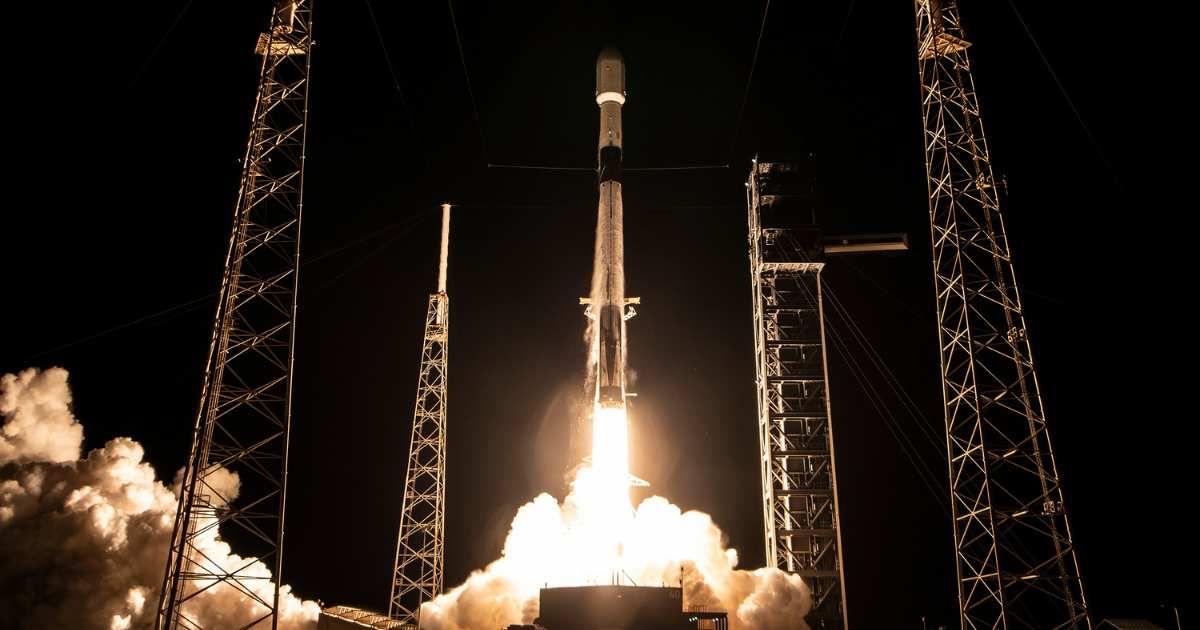
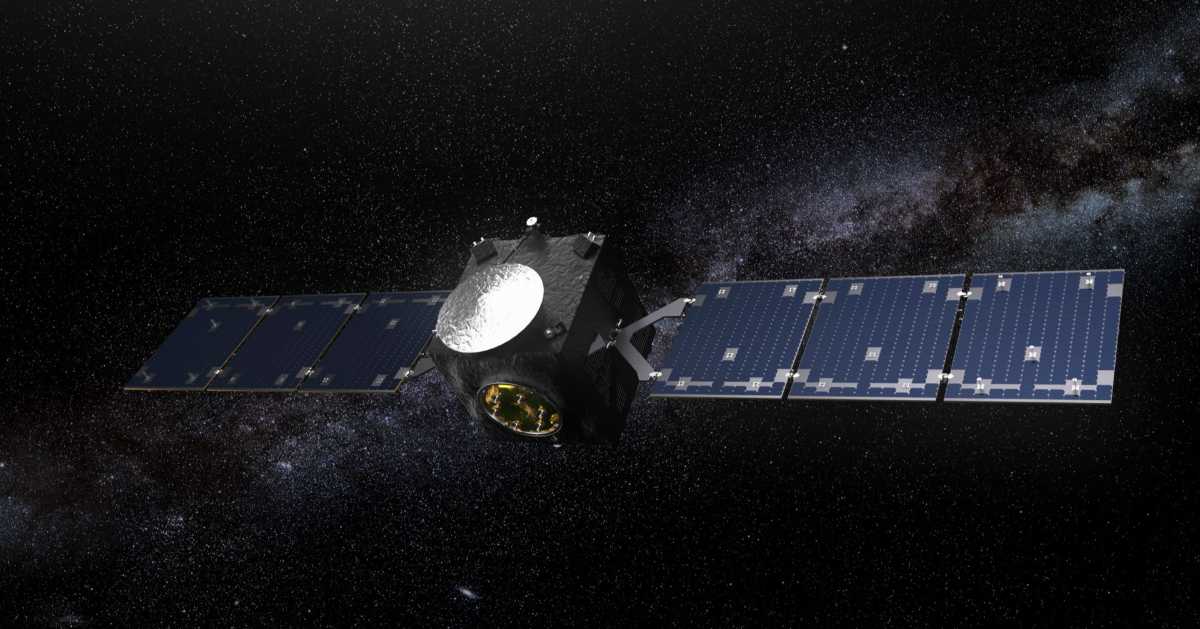
The Falcon 9 launched the SpainSat NG II mission to orbit from Florida, marking a new annual flight record for SpaceX. On Thursday, October 23, SpaceX successfully executed its 139th mission of 2025, a late-evening operation conducted from Cape Canaveral Space Force Station. The flight delivered the second and final spacecraft for the Spanish Ministry of Defense's Spainsat Next Generation (NG) satellite network, according to Space.com.
Falcon 9 launches the SpainSat NG II mission to orbit from Florida pic.twitter.com/NQNUFyAMf4
— SpaceX (@SpaceX) October 24, 2025
The mission saw a Falcon 9 rocket lift off at 9:30 p.m. EDT. The two-satellite Spainsat NG constellation is designed to provide highly secure, military-grade communications capabilities for the Spanish Armed Forces and its allies. SpaceX previously launched the first satellite in the series this past January. The rocket's upper stage was scheduled to place the Spainsat NG-2 into a geosynchronous transfer orbit approximately 36 minutes after ignition. Confirmation of the satellite's successful deployment followed shortly after the scheduled window, according to an update from SpaceX's official X account.
Deployment of SpainSat NG II confirmed pic.twitter.com/4ZCbbcsgXr
— SpaceX (@SpaceX) October 24, 2025
Notably, the Falcon 9's first-stage booster for this flight was not recovered. Due to the significant energy required to deliver the heavy payload to its precise orbital destination, the booster, which was on its 22nd overall flight, was expended rather than landed.
This launch marks the 22nd and final launch for the Falcon 9 first stage booster supporting today’s mission as additional performance is required to deliver the SpainSat NG II satellite to geosynchronous orbit
— SpaceX (@SpaceX) October 24, 2025
This particular workhorse booster demonstrated a remarkable service history leading up to its final mission. According to SpaceX's X post, its previous 21 flights included the deployment of critical payloads such as the CRS-26 cargo resupply mission to the International Space Station, the OneWeb Launch 16 and SES O3b mPOWER-C communication satellite deployments, and dedicated launches for operators like Intelsat (IS-40e), Ovzon-3, Eutelsat 26D, Turksat 6A, Maxar 2, and SXM-9. In addition to these diverse missions, the veteran stage contributed to the ongoing build-out of the Starlink megaconstellation with twelve prior launches dedicated solely to the internet service.
The first stage booster supporting today’s mission previously launched CRS-26, OneWeb Launch 16, Intelsat IS-40e, SES O3b mPOWER-C, Ovzon-3, Eutelsat 26D, Turksat 6A, Maxar 2, SXM-9, and 12 Starlink missions pic.twitter.com/AGGRKlQKY8
— SpaceX (@SpaceX) October 24, 2025
The 139 launches this year comprise a record 134 Falcon 9 missions and five high-altitude test flights of the company's next-generation Starship vehicle. This performance surpasses the company's prior annual launch totals, including the 2024 count, which involved 132 Falcon 9 flights, two Falcon Heavy launches, and four Starship tests.

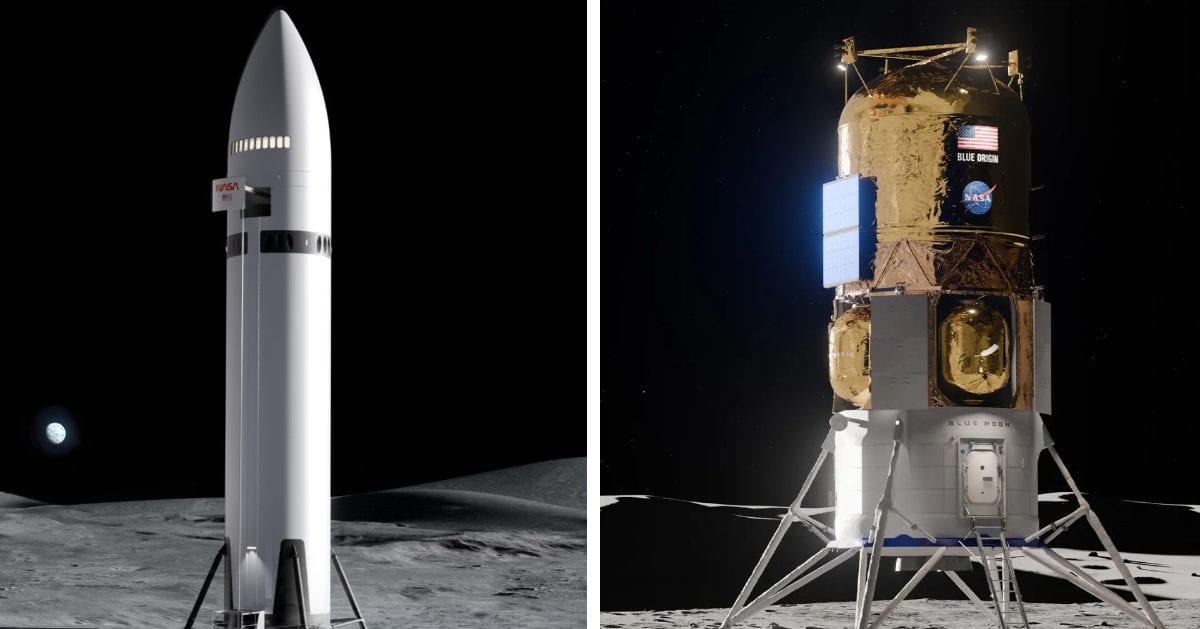
Despite SpaceX's record-setting pace for orbital launches, its role in the highest-profile U.S. space initiative is now under severe scrutiny. NASA's timeline for returning astronauts to the Moon is in jeopardy, prompting the agency to float the possibility of replacing SpaceX as the prime developer for the Human Landing System (HLS). Acting NASA Chief Sean Duffy publicly indicated a readiness to terminate or significantly revise the high-stakes, $2.9 billion contract awarded to Elon Musk’s firm for the crucial Artemis III lunar landing vehicle.

Duffy's remarks highlight mounting concern over the national priority of the mission. Duffy affirmed that NASA intends to "open up the contract" to greater competition, directly challenging the 2021 sole-source decision that selected the Starship vehicle. The aggressive stance is fueled by geopolitical pressure to win the renewed "space race" against China.
More on Starlust
SpaceX set to launch upgraded Starship V3 for ambitious missions after successful V2 swansong