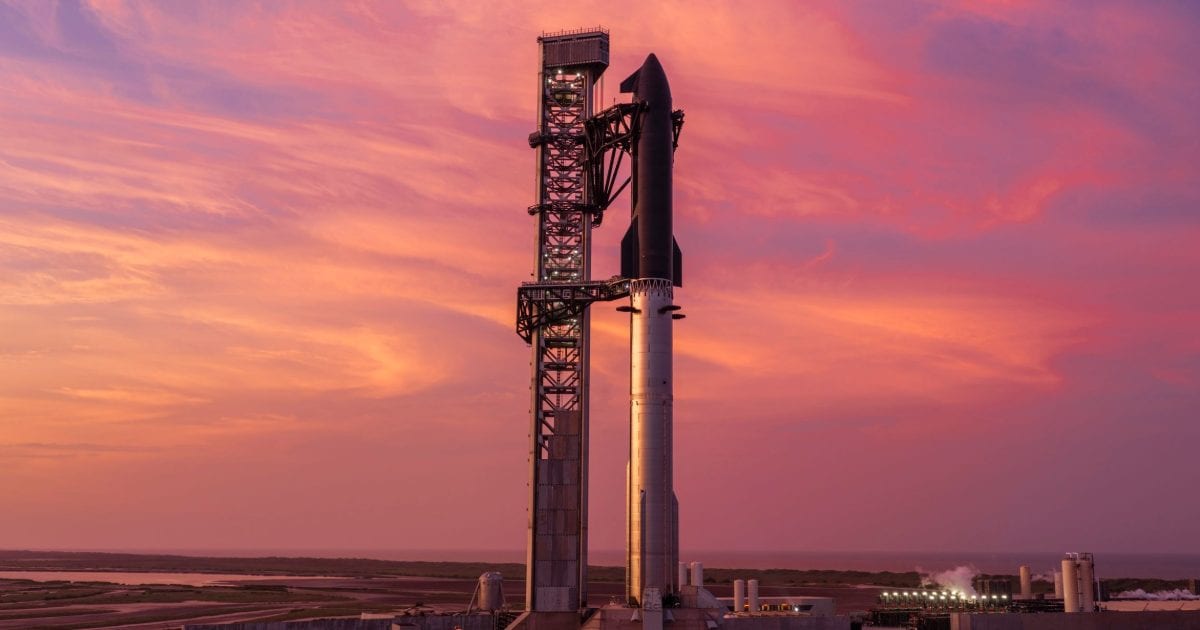
SpaceX Dragon spacecraft arrives at Cape Canaveral for October 1 launch of NASA’s Crew-13
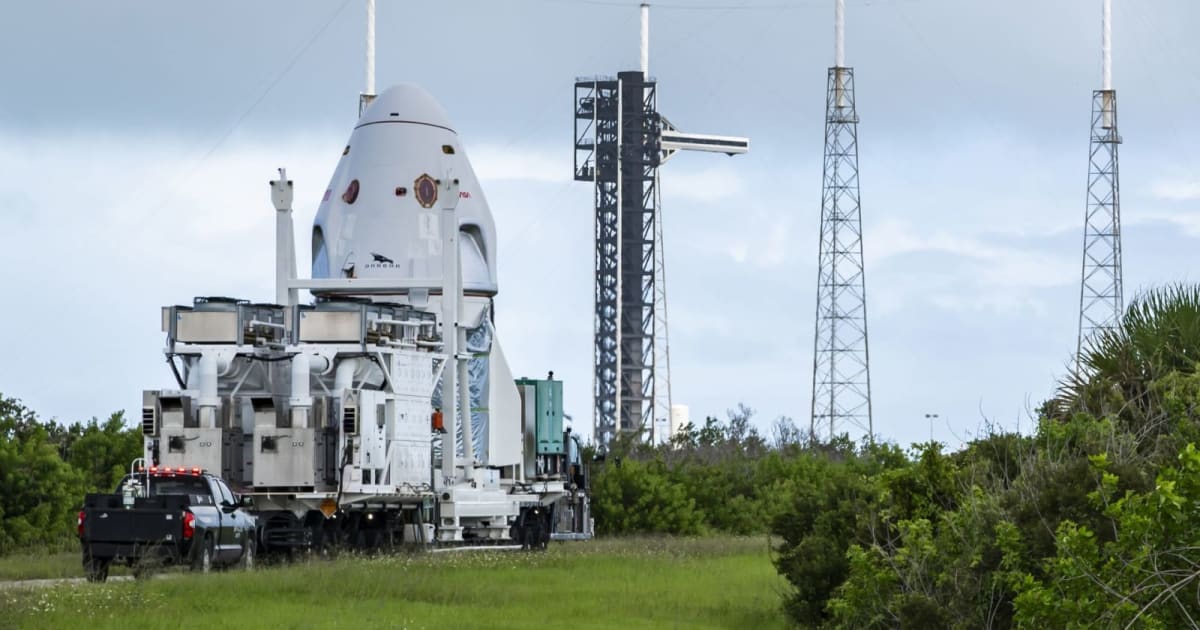
SpaceX, on Thursday, announced a major update regarding NASA’s Crew-13 mission. The Dragon spacecraft that will carry four astronauts to the International Space Station (ISS) has arrived at Pad 40 at the Cape Canaveral Space Force Station in Florida and will soon be mated with the Falcon 9 rocket. The launch is targeted for October 1 at 11:10 am EDT, with a backup opportunity the next day at 10:47 am EDT, and it will mark the 13th crew rotation mission to the ISS that SpaceX is launching for NASA.
Dragon arrives at pad 40 ahead of the upcoming Crew-13 launch to the @Space_Station → https://t.co/l8scSzMfaO pic.twitter.com/yJCF6Ao4q1
— SpaceX (@SpaceX) September 25, 2026
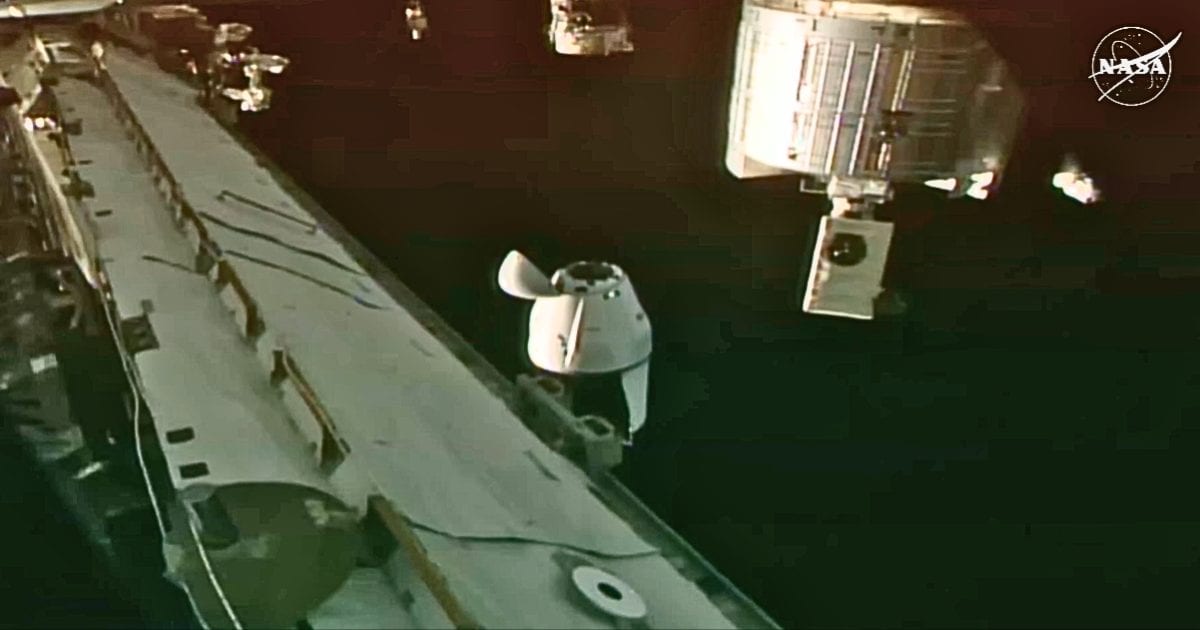
SpaceX also shared pictures of the Dragon spacecraft being moved to Pad 40 for what will be its fifth mission to date. This refurbished vehicle debuted on the Crew-4 mission, which launched on April 27, 2022, and has since flown multiple commercial and crew rotation missions. Moreover, Crew-13 will be the third flight for the first-stage booster of the Falcon 9 rocket, which previously launched Crew-12 and one Starlink mission. The live webcast of this mission will begin an hour prior to liftoff, and you can watch it live on NASA’s X profile and YouTube channel along with SpaceX’s official website and X handle.
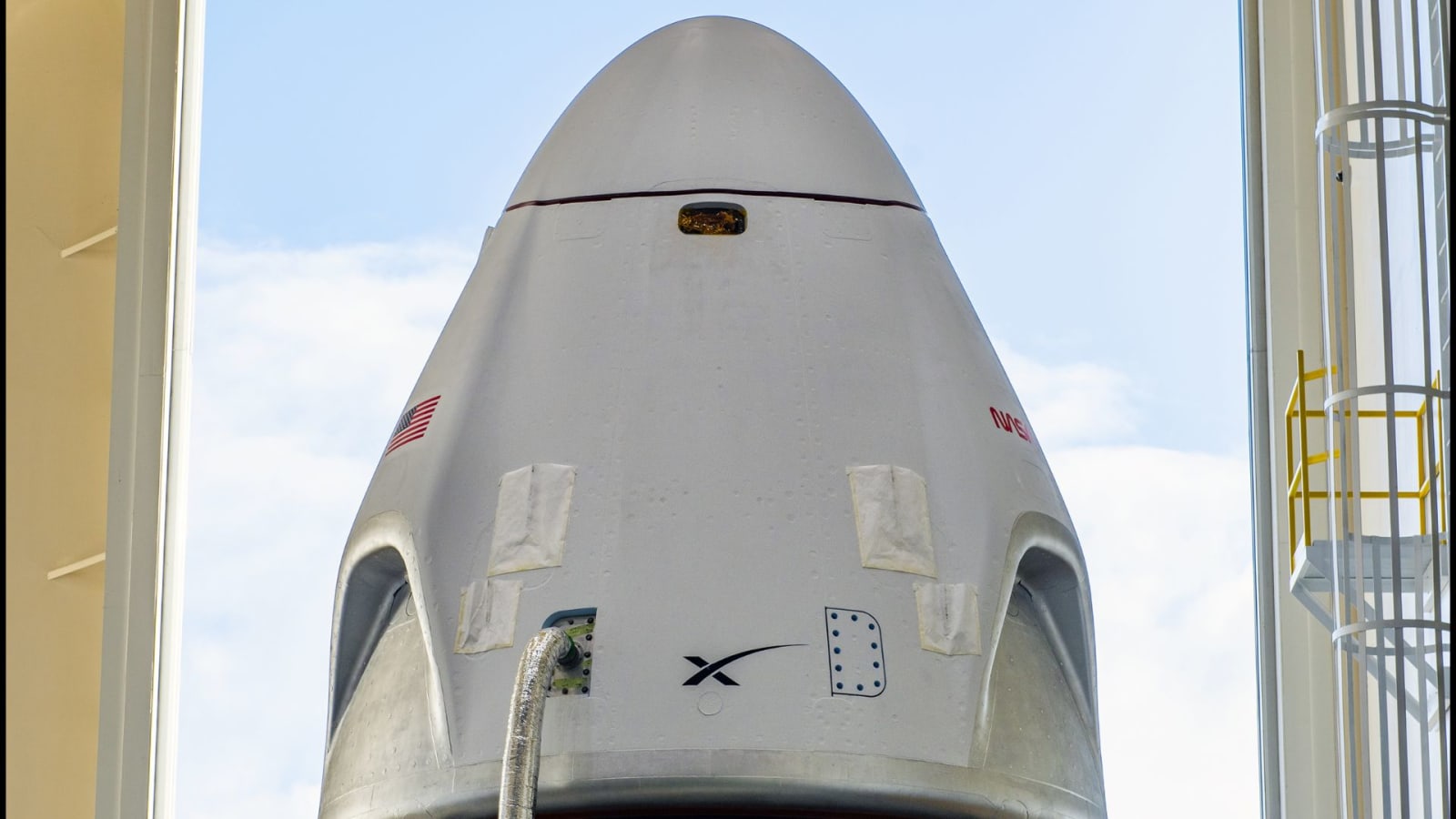
If Crew-13 launches on October 1, the Dragon spacecraft will dock at the station’s Harmony module around 8 pm EDT. The mission is being led by commander Jessica Watkins, who will be accompanied by pilot Luke Delaney and two mission specialists: Joshua Kutryk of the Canadian Space Agency and Sergey Teteryatnikov of the Russian space agency, Roscosmos. Watkins, who was part of Crew-4, will become the first active NASA astronaut to ride the Dragon spacecraft twice, whereas the other three members will be flying on their debut missions.
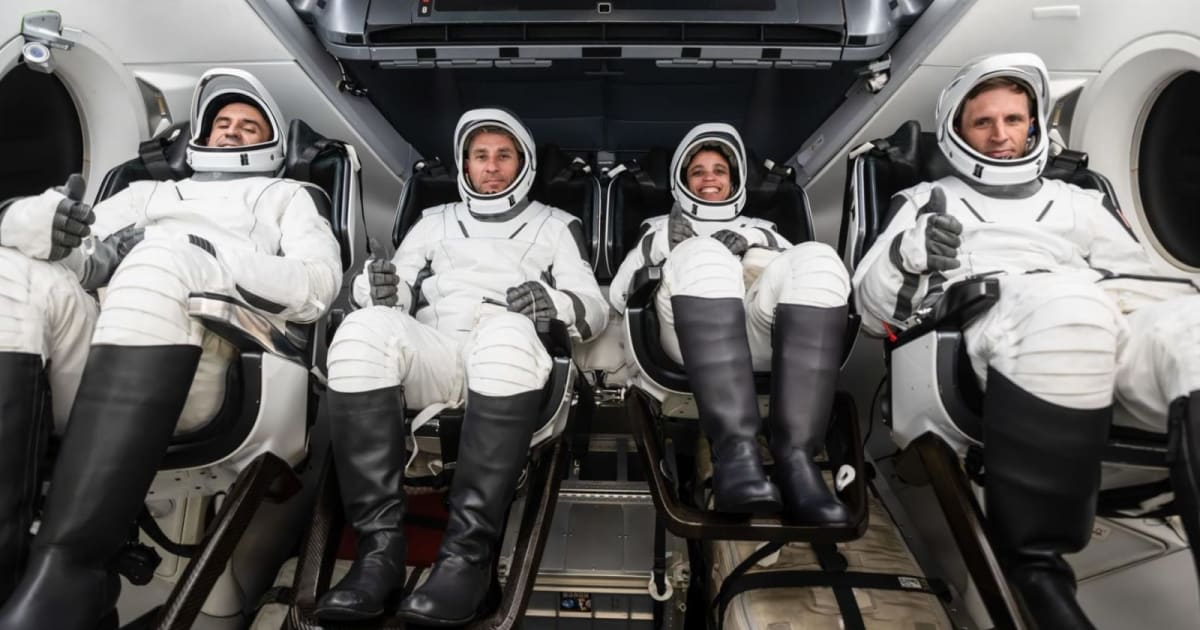
The quartet will stay aboard the ISS for at least six months and conduct a wide range of research that will boost efforts for “Artemis missions to the Moon, work on the Moon Base, and future expeditions to Mars.” During their stay, they will study blood flow and clotting in microgravity, monitor their eye health while taking a daily B-vitamin supplement, test their manual piloting skills, and collect data on the health, behavior of station residents, and exercise habits of select astronauts.
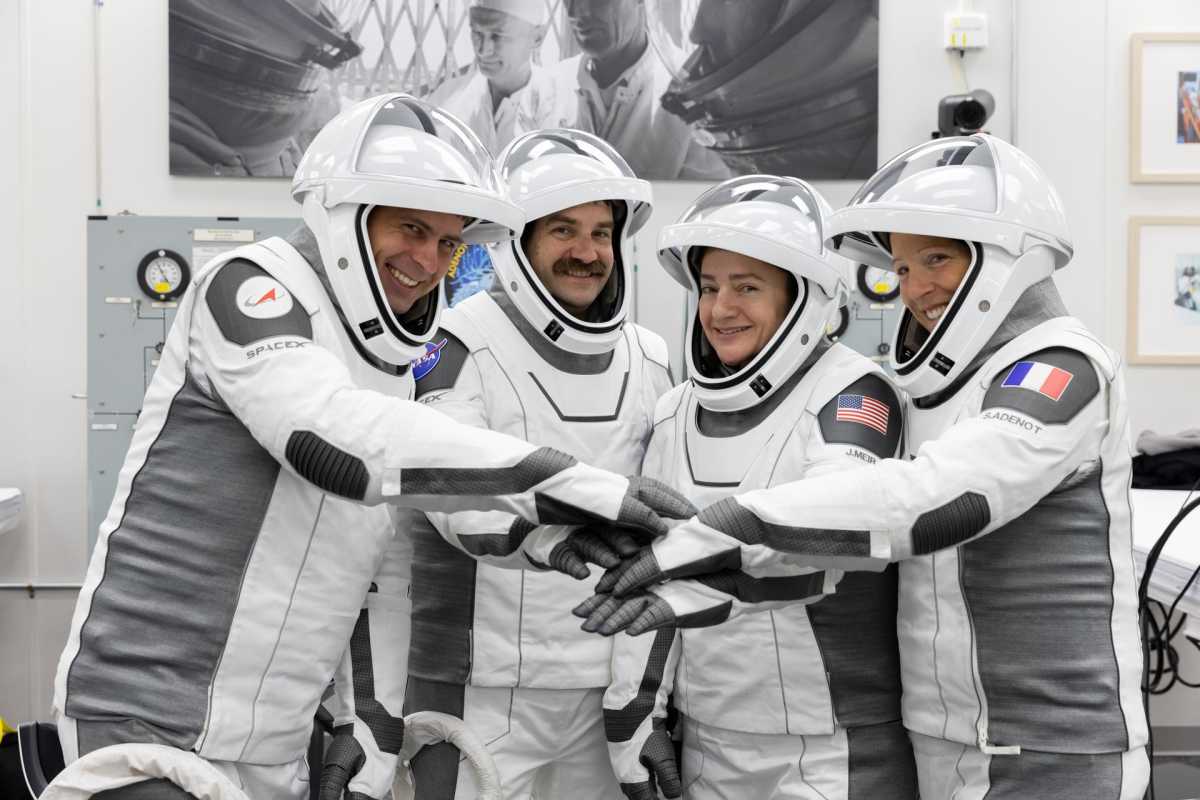
Crew-13’s arrival at the station will be followed by the departure of Crew-12 sometime around mid-October. Crew-12 launched in February this year with NASA astronauts Jessica Meir and Jack Hathaway, the European Space Agency’s Sophie Adenot, and Roscosmos cosmonaut Andrey Fedyaev, who make up Expedition 75. Mission commander Meir, who is currently also the commander of the ISS, will soon hand over station command to Crew-13 after its arrival, before wrapping up the Crew-12 mission for a return.
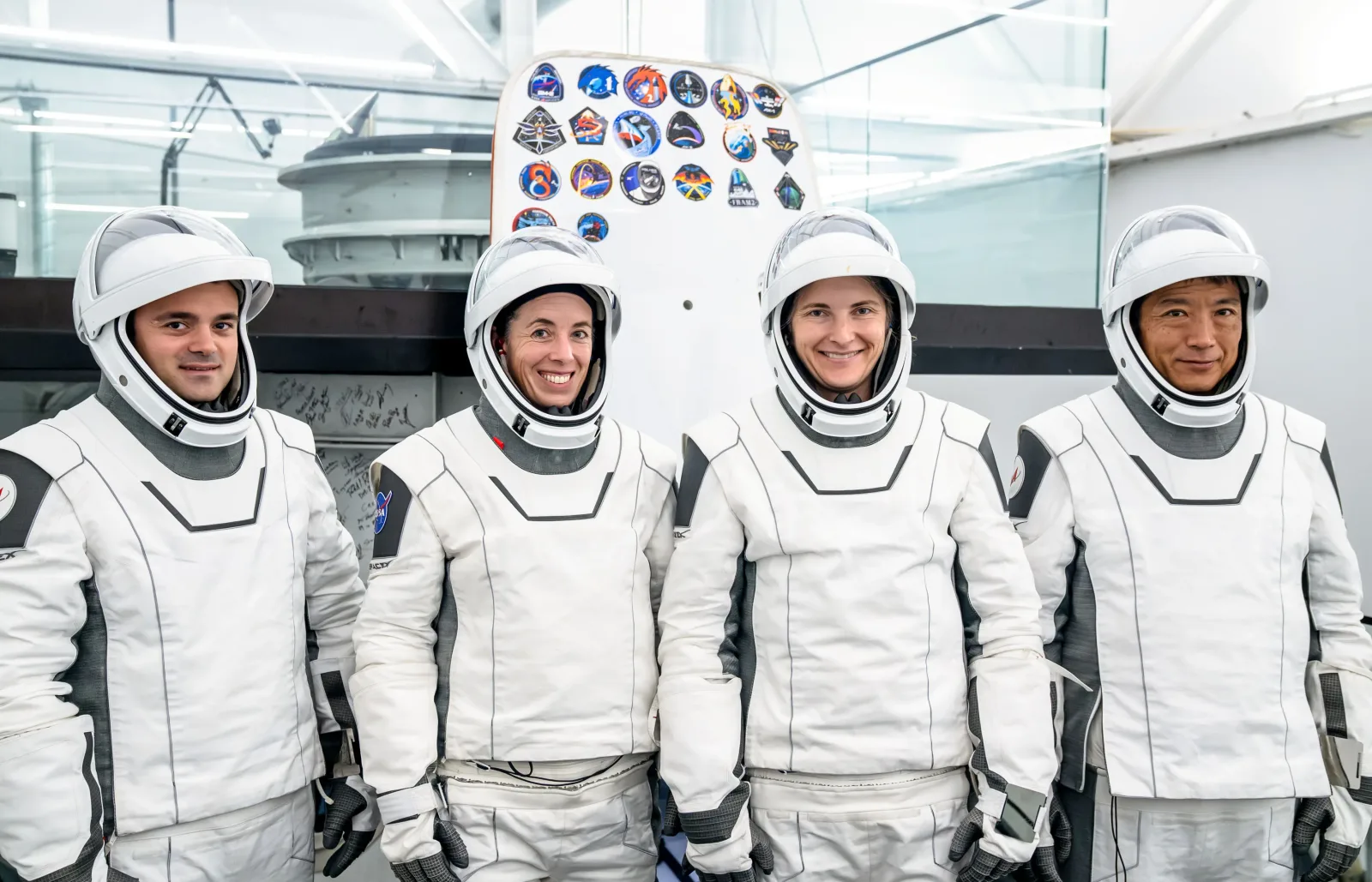
On Thursday, NASA even announced the astronauts for the Crew-14 mission, which will launch no earlier than spring 2027. The crew includes NASA astronauts Kayla Barron (commander) and Chris Birch (pilot), Japanese astronaut Makoto Suwa, and Russia’s Arutyun Kiviryan. Similar to Watkins, Barron will fly on her second mission on a Dragon spacecraft, whereas the other members will launch on their debut spaceflights.
More on Starlust
International Space Station to retire in 2030: Here are major private habitats that will replace it