How much water does an Earth-like planet need to harbor life? A new study has the answer
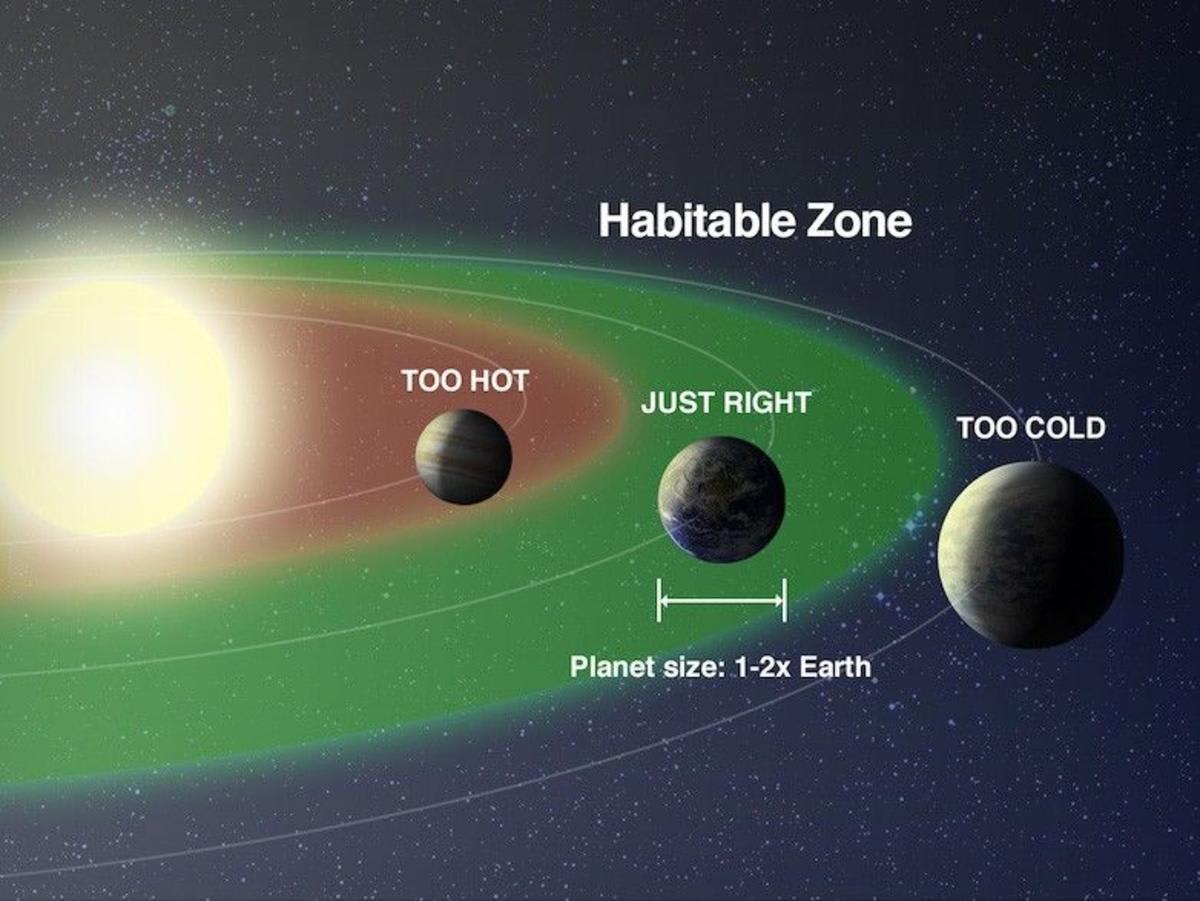
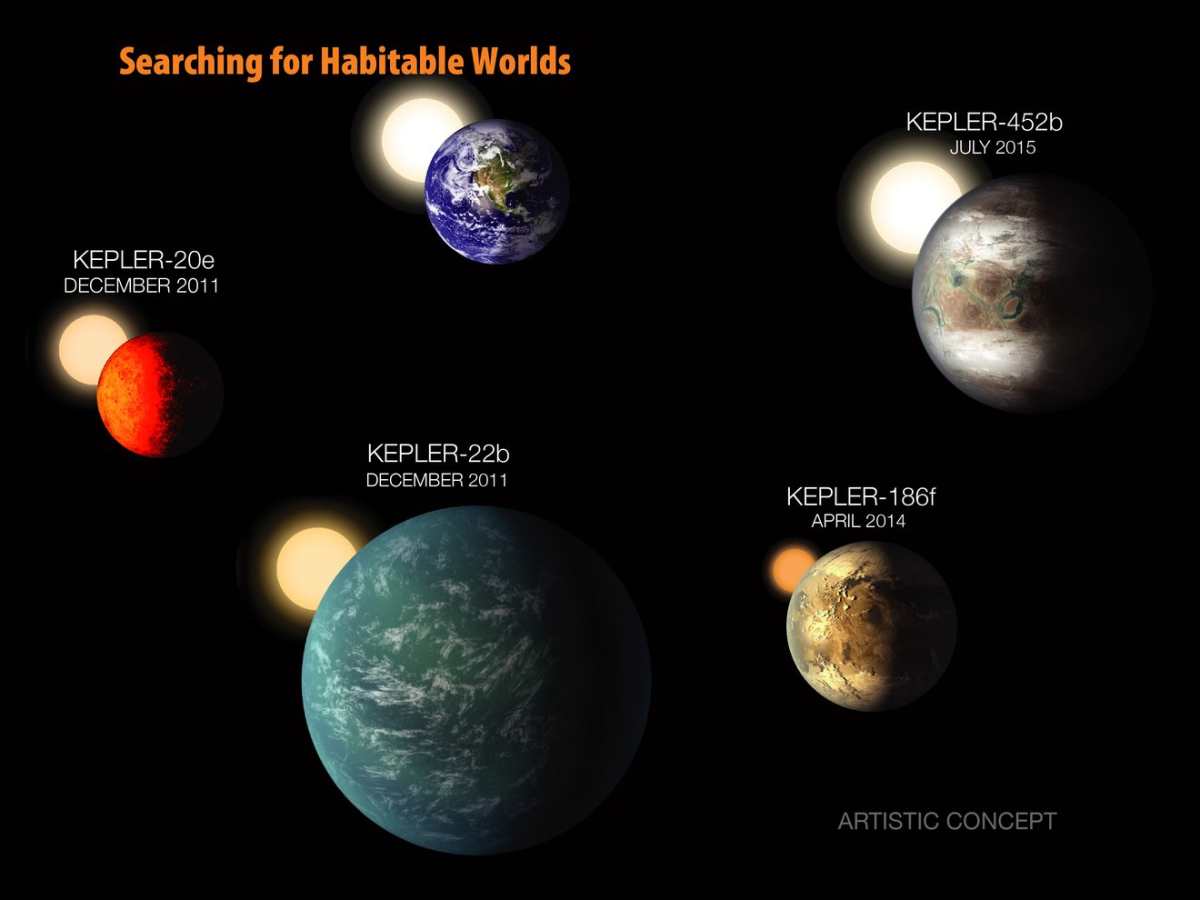
Water is one of the preconditions for life. But how much water does a planet need to support life? A new study, published in the Planetary Science Journal, shows that an Earth-sized planet needs at least 20 to 50% of the water in Earth’s oceans to run a natural cycle that keeps liquid water on the surface. Out of the billions of planets outside our solar system, scientists have confirmed more than 6,000. But only a few of them are candidates that might harbor life. In their search for alien life, astronomers try to look for planets in the habitable zone. This is the distance from a star at which liquid water could exist on orbiting planets’ surfaces.
“When you are searching for life in the broad landscape of the universe with limited resources, you have to filter out some planets,” said lead author Haskelle White-Gianella, a doctoral student of Earth and space sciences at the University of Washington (UW), in a statement. The presence of water, although important, does not guarantee the presence of signs of life. This study allowed the researchers to narrow their search by probing planets with a small amount of water. “We were interested in arid planets with very limited surface water inventory—far less than one Earth ocean. Many of these planets are in the habitable zone of their star, but we weren’t sure if they could actually be habitable,” White-Gianella said.
The UW team showed that habitability depends on the geologic carbon cycle. This is a water-driven process that facilitates carbon exchanges between the atmosphere and interior over millions of years. This, in turn, stabilizes surface temperatures. To better understand this, we can look at the Earth’s carbon cycle. Volcanoes spew out carbon dioxide that accumulates in the atmosphere before falling back to Earth dissolved in rainwater. Rain-mediated rock erosion creates runoff that ferries carbon to the ocean. After sinking to the seafloor, the carbon is stored in oceanic plates, which, when they collide, form mountains, causing carbon to resurface.

If there is not enough water for rainfall, carbon removal via weathering won't be able to offset the emissions from volcanoes. This will lead to a spike in the atmospheric carbon dioxide content, which, in turn, will trap water. Carbon dioxide, being a greenhouse gas, will also cause temperatures to rise and evaporate the remaining surface water. This will initiate a runaway warming that makes the planet too hot to host life. “So that unfortunately makes these arid planets within habitable zones unlikely to be good candidates for life,” White-Gianella said.
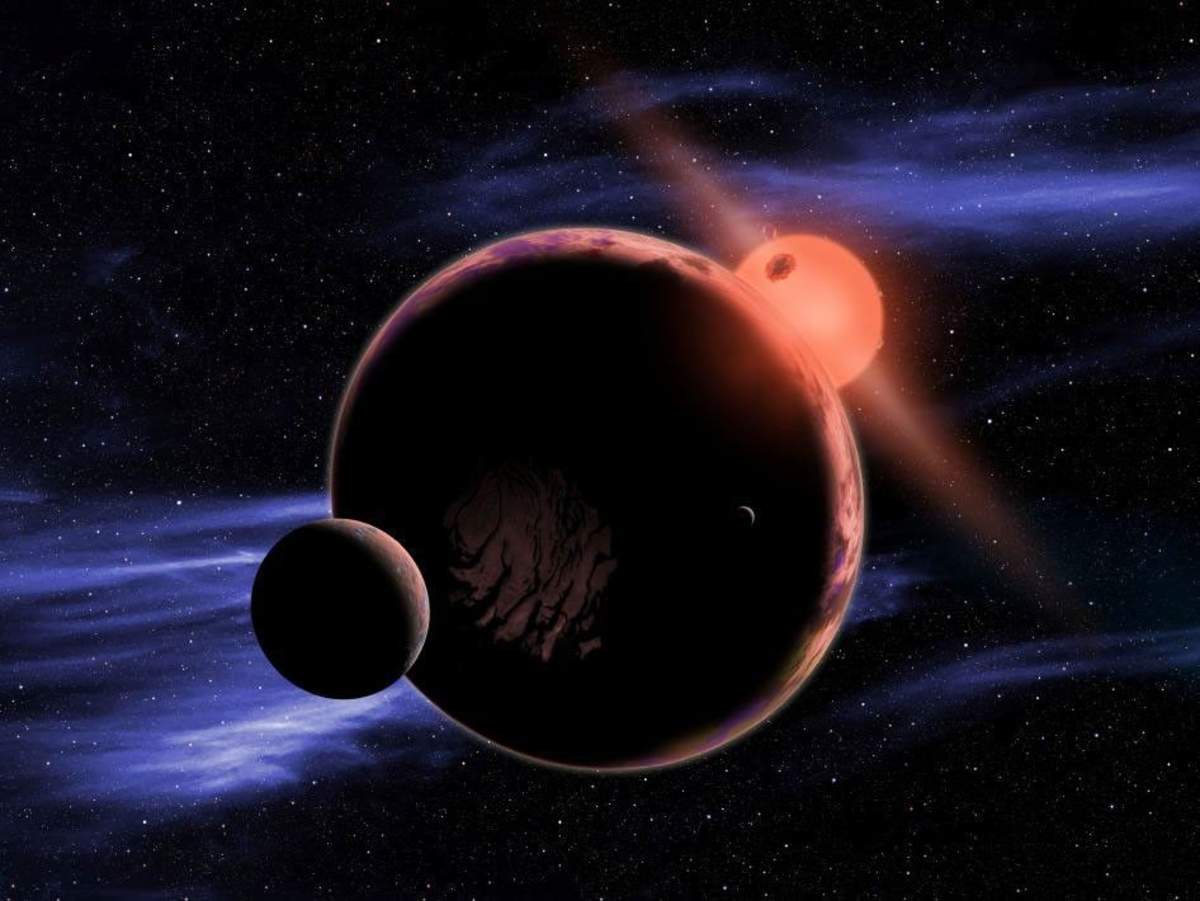
Sophisticated devices can measure the presence of water on distant planets. But rocky planets are difficult to observe directly. To make up for this, the researchers did simulations to study how water could behave on desiccated planets. Previous models focused on cooler and wetter planets. The models included sunlight-induced evaporation but excluded wind. In the new study, the researchers modified the existing models by finetuning evaporation and rainfall estimates. “These sophisticated, mechanistic models of the carbon cycle have emerged from people trying to understand how Earth’s thermostat has worked—or hasn’t—to regulate temperature through time,” said senior author Joshua Krissanen-Totton, a UW assistant professor of Earth and space sciences.
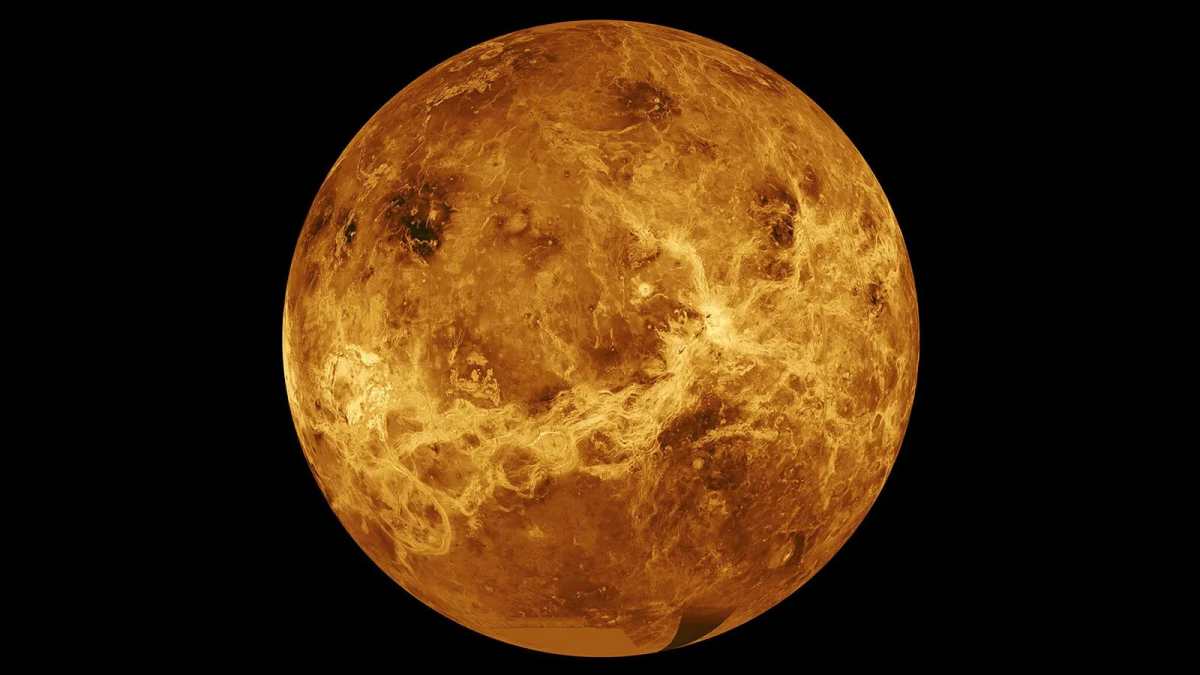
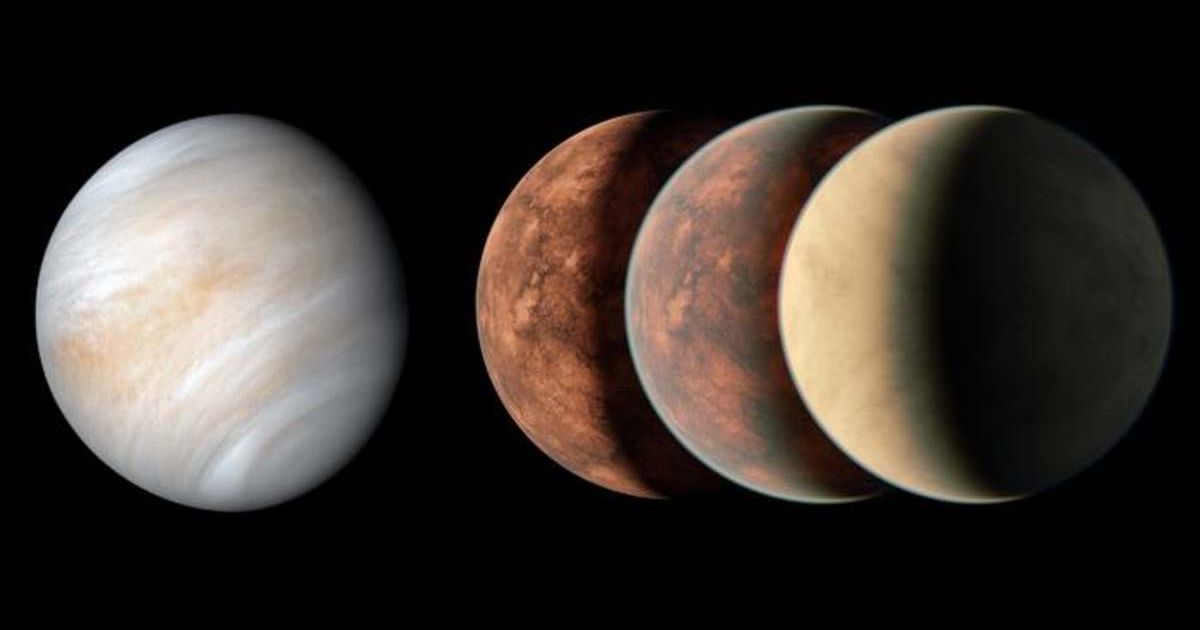
The models show that even planets that have surface water could lose it. With it, a habitable planet becomes uninhabitable due to a disrupted carbon cycle. Our solar system has one such planet closer to Earth. It is Venus, which, roughly the same size as Earth, formed around the same time and probably started with a similar amount of water. But today’s Venus is hostile in terms of temperatures and pressure. “Standing on the surface would feel like being crushed by 10 blue whales,” White-Gianella said. The researchers note that Venus, being closer to the Sun, came into existence with slightly less water than Earth. This impaired its geologic carbon cycle, increasing carbon dioxide levels that caused surface temperatures to rise. Venus failed to retain its water and lost any life it may have had. Future missions to Venus will look into whether it ever harbored life. The findings could shed light on planets much farther away.
More on Starlust
What creates Venus' mysterious lower haze? Astronomers may finally have the answer
Alien life may be hiding in planetary patterns, new study suggests