Scientists may have finally uncovered why the Moon appears lopsided
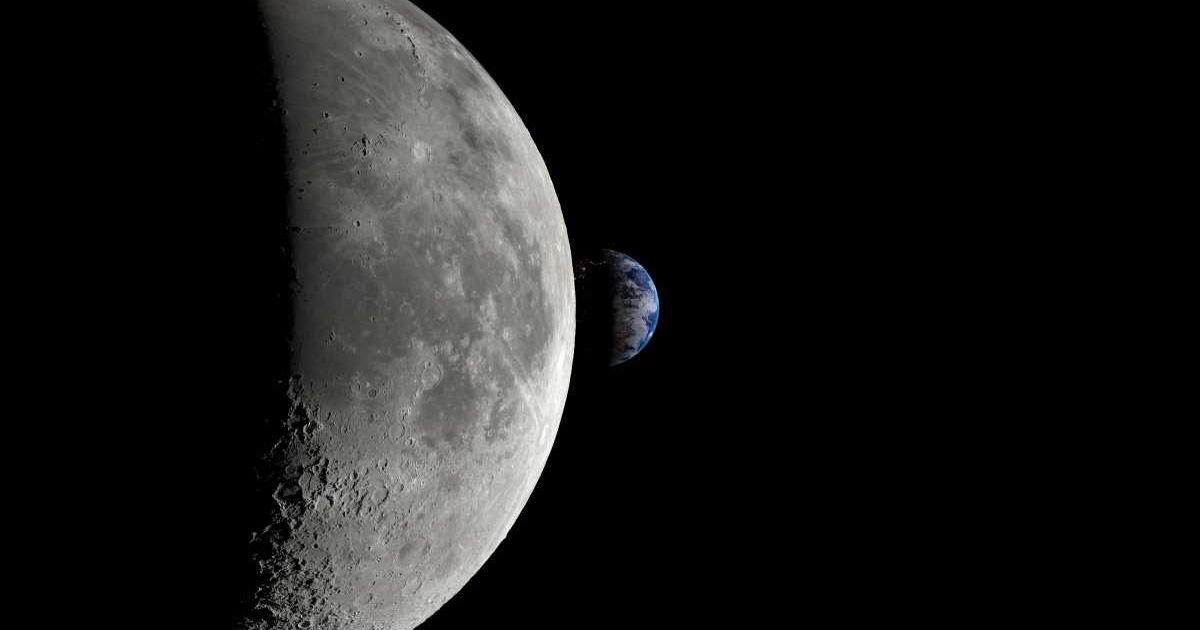
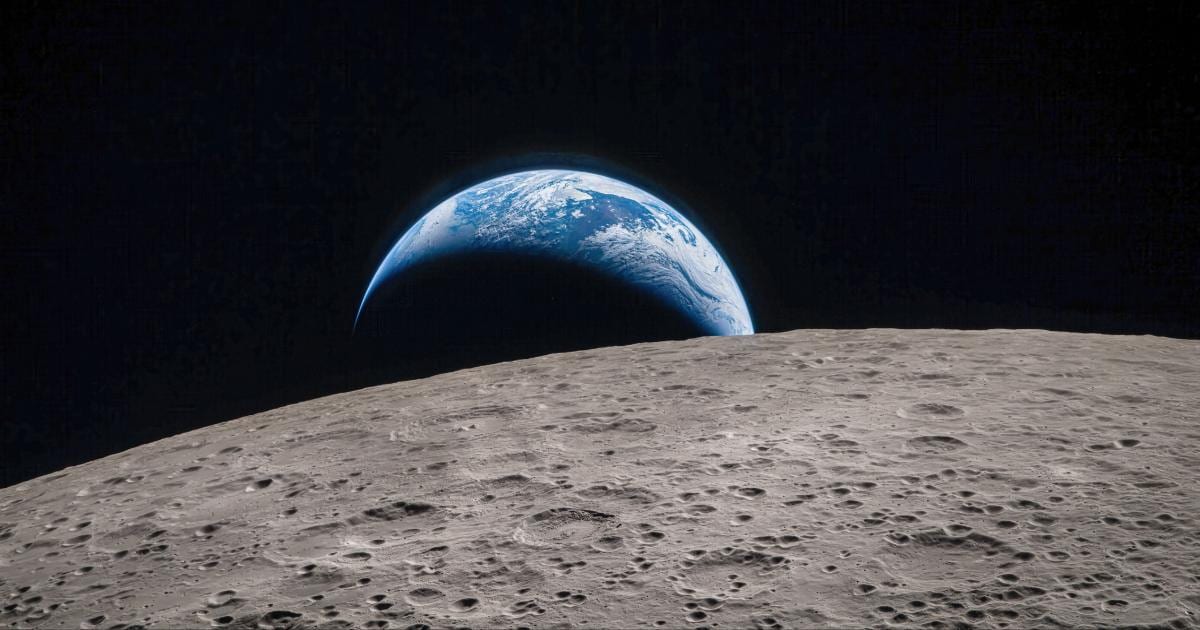
The Moon is barren and lifeless. Yet its dull, pockmarked surface never ceases to amaze us. It has volcanic plains on the near side that we can see, whereas rugged mountains prevail on the far side. Now, scientists inch closer to explaining this discrepancy. A research team, led by Professor TIAN Hengci from the Institute of Geology and Geophysics of the Chinese Academy of Sciences (IGGCAS), analyzed lunar soil and rock brought back from the far side by Chang’e-6. Their analysis, published in the Proceedings of the National Academy of Sciences, revealed a history of massive impact that created a deep scar on the lunar surface. It also changed the Moon’s interior, per a report by Phys.org.
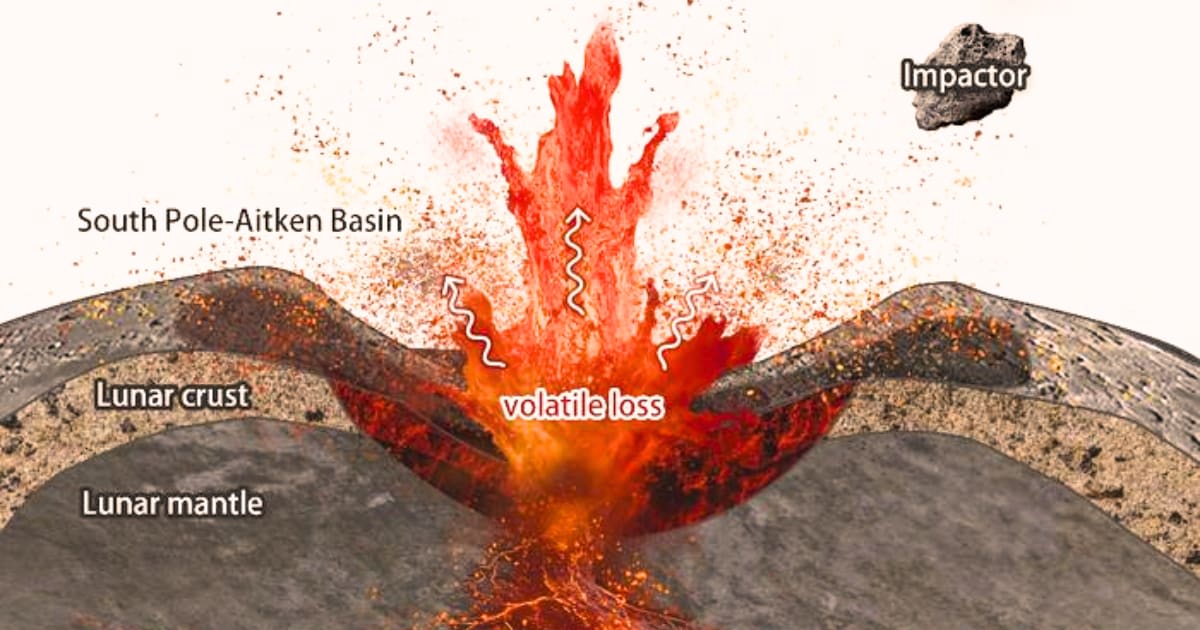
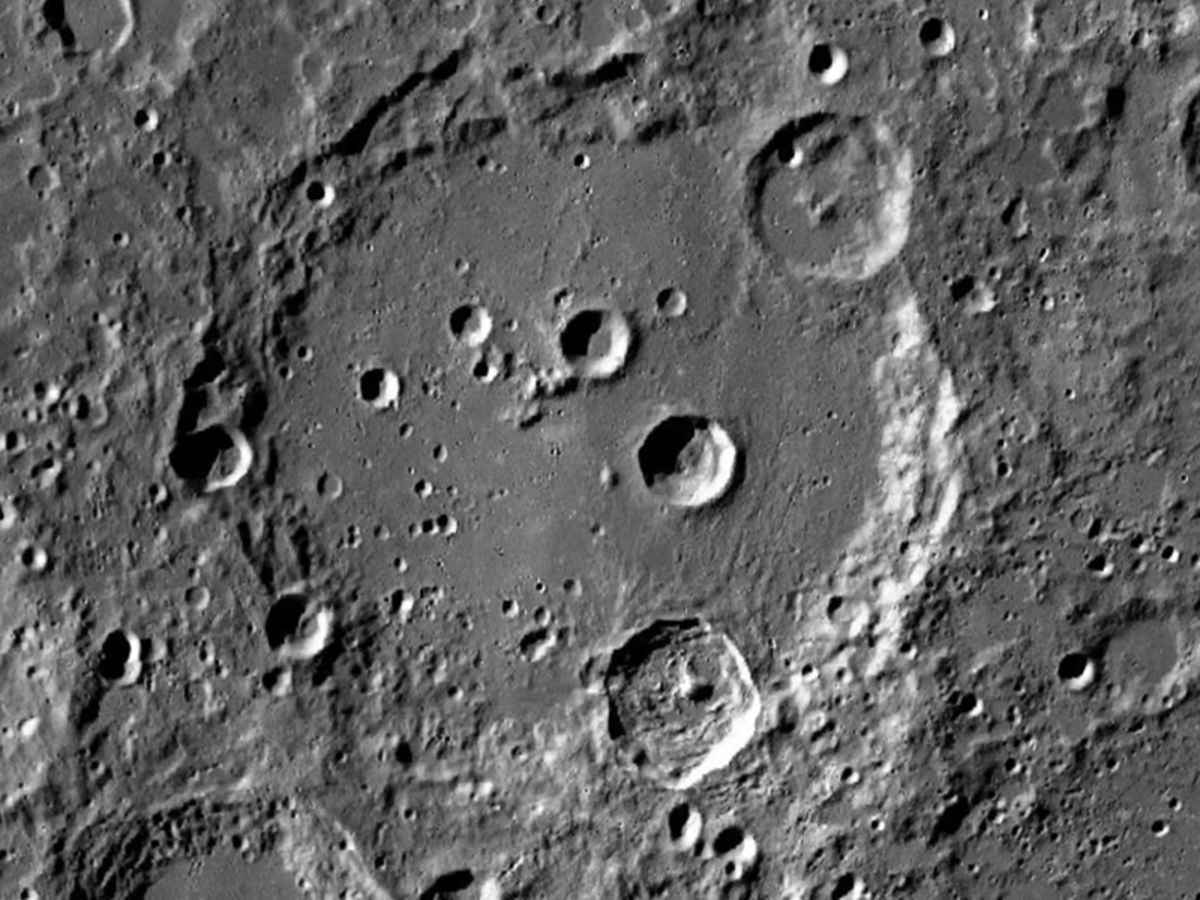
Named South Pole-Aitken Basin, the scar occupies nearly one-fourth of the lunar surface, from Aitken Basin to South Pole, and probably formed around 4 billion years ago. The researchers set out to see whether the impact had reached the moon’s interior and changed its chemistry. They studied four tiny basalt fragments using a sophisticated technique that determines the signature of various molecules and trace gases and compared them with rocks collected from the Moon’s near side by Apollo missions.

The results were astonishing. Potassium isotopes from the far-side samples were significantly heavier, while those from iron were only slightly heavier. Volcanic eruptions can contribute to iron differences. But what about the differences of potassium isotopes? The researchers believe that this points to another source of heating. Potassium readily vaporizes when heated. The lighter potassium isotopes evaporate, leaving behind the heavier ones. The abundance of these heavy isotopes in the rock of the far side indicates that a very big celestial body landed on this side, incinerating the Moon’s interior.
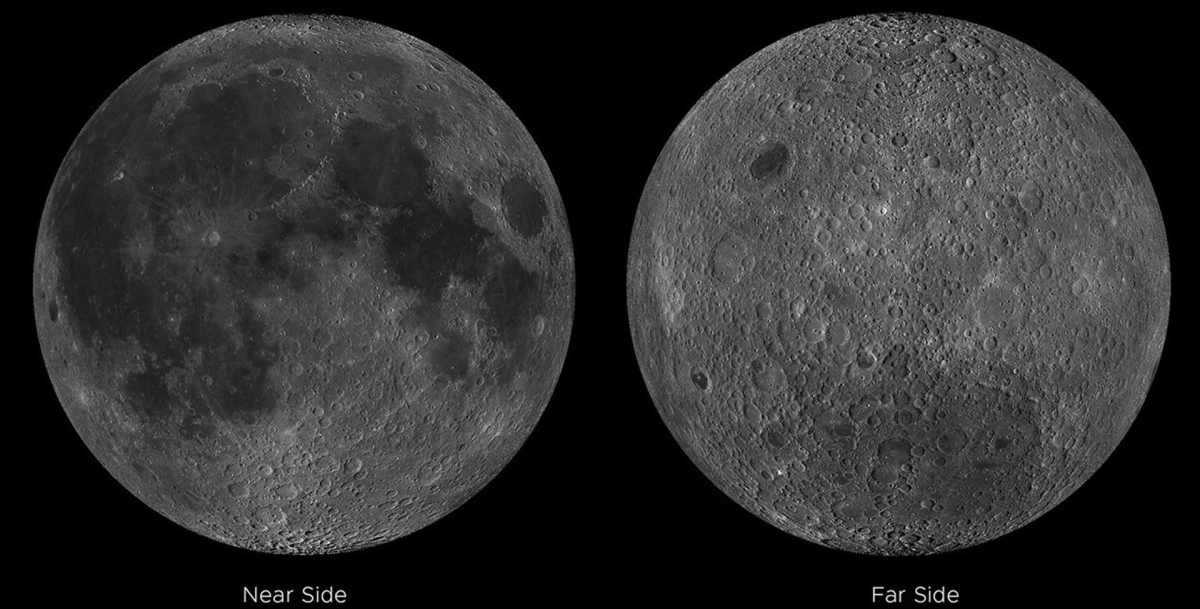
Time and again, spacecraft observations have shown that the Moon’s near side and far side are poles apart in topography, crustal thickness and composition. This difference first surfaced in the Apollo era. Then in 2012, the Gravity Recovery and Interior Laboratory (GRAIL) mission began to measure the Moon’s gravity. Such measurement revealed that the Moon’s crust on the far side is thicker than on the near side. Analyzing this result, a research team from Macau and Germany created a model and predicted that the Moon was hit by a dwarf planet in its early history. This collision caused a deep impact, melting a mixture of crust and mantle materials.
The Chinese team, which also points to an impact, says the collision was so hot and deep that it melted the Moon’s interior, ejected materials, and literally hurled them over to the near side, causing widespread volcanism. Thus, the far side got stripped of the lighter potassium isotopes, leaving behind its heavier counterparts. This uncovers new evidence on how large-scale impacts may have played a key role in creating a lopsided lunar landscape, wrote the researchers.
More on Starlust
NASA prepares for Moon landings, begins the most complex plume-surface interaction tests
China eyes lunar water ice as Chang’e 7 gets ready for the Moon's south pole
Moon dust brought back 50 years ago is now revealing how the Sun changes the lunar surface