Early universe was suspected to be rich in hydrogen—now astronomers have confirmed it
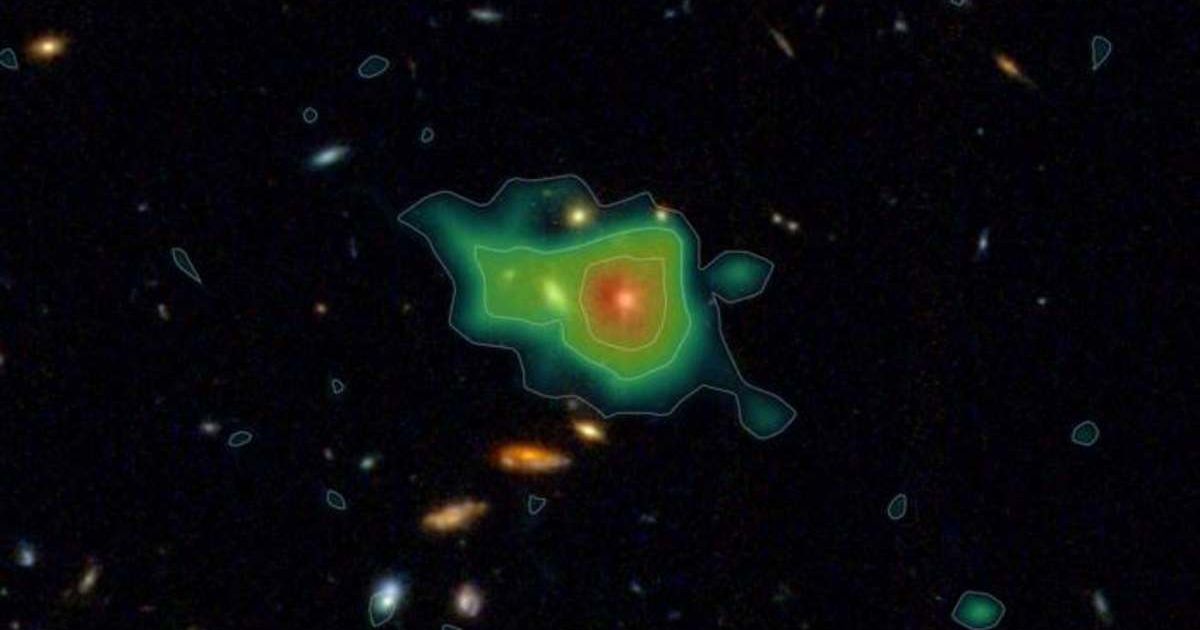
Using the Hobby–Eberly Telescope Dark Energy Experiment (HETDEX), a team of astronomers has discovered enormous hydrogen gas halos, called “Lyman-alpha nebulae”, that surrounded galaxies 10 to 12 billion years ago. Known as Cosmic Noon, this was an epoch when the galaxies were growing very fast. To trigger such a growth rate, they would have needed fuel such as vast reservoirs of hydrogen gas—a key molecule that powers every star. The research, published in The Astrophysical Journal, increased the known number of hydrogen gas halos from 3,000 to over 33,000. This means an increase by a factor of ten. The findings not only increased the number but also the size of the halos, providing the astronomers a good sample to probe the origin and evolution of the first galaxies.
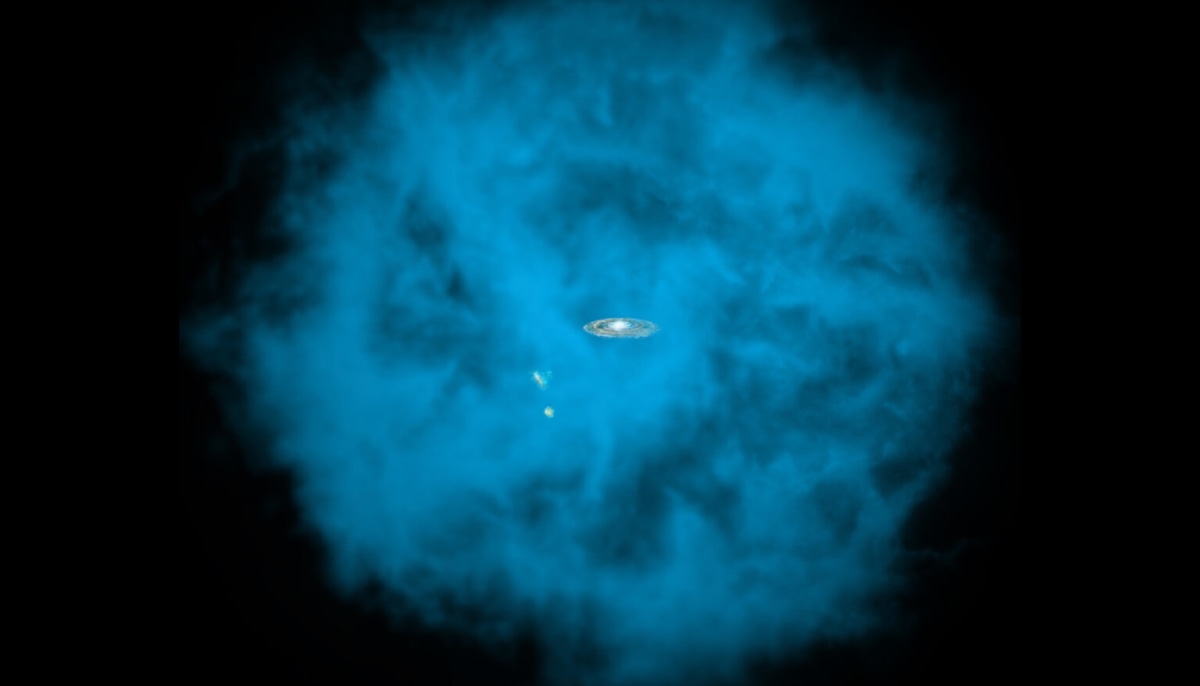
“We’ve been analyzing the same handful of objects for the past 20 or so years,” said Erin Mentuch Cooper, HETDEX data manager and lead author on the study, in a statement. “HETDEX is letting us find many more of these halos and measure their shapes and sizes. It has really allowed us to create an amazing statistical catalogue.” Hydrogen gas is difficult to detect because it doesn’t generate its own light. When this gas hovers near a galaxy or group of galaxies full of UV-emitting stars, energy from such stars makes this element glow. In 1969, astronomers John Bahcall and Lyman Spitzer of the Institute for Advanced Study, Princeton, first predicted the possible existence of such gas halos. Since then, several studies have detected hydrogen gas halos that can extend 20 times farther than the diameter of a galaxy.
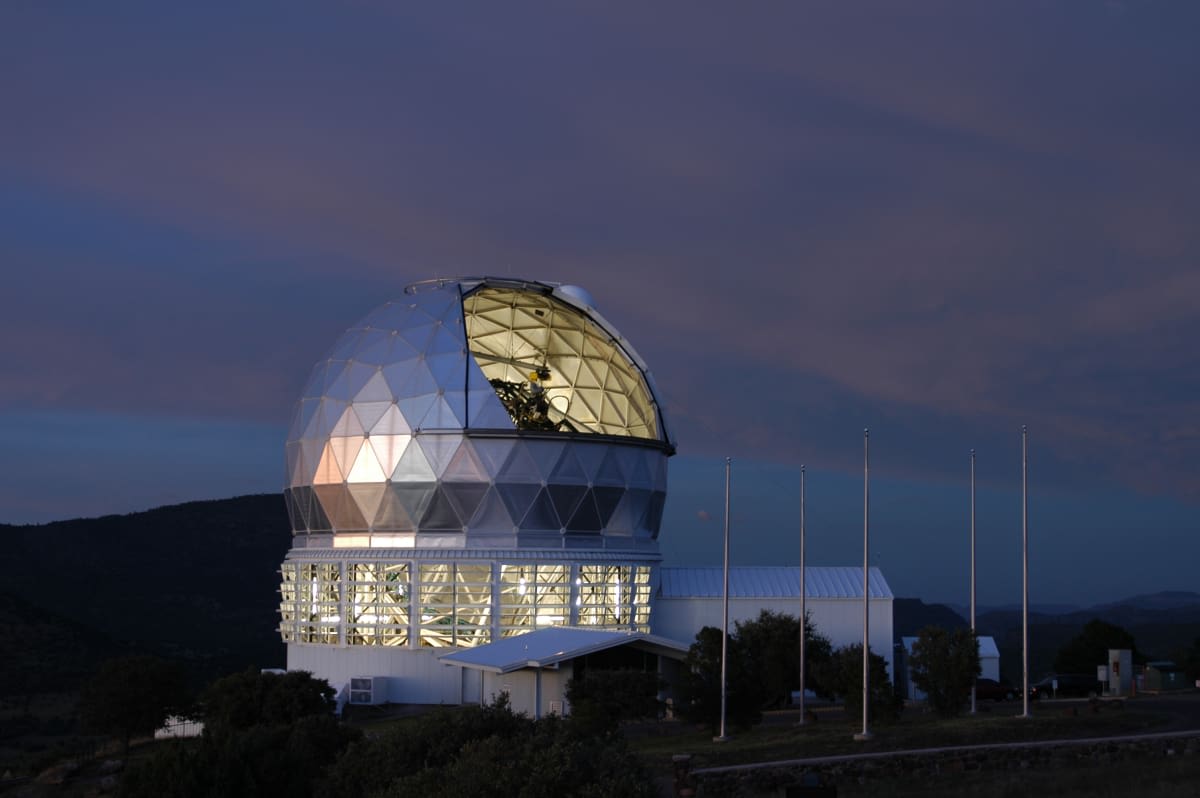
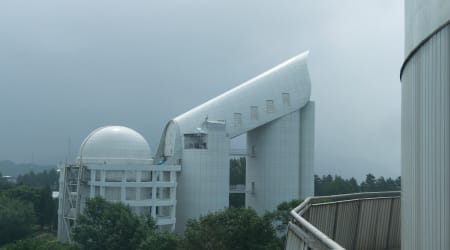
But previous studies left out some halos, particularly those that fall between the little guys and big honkers. With HETDEX, astronomers are scanning the sky more meticulously. Using the telescope at the McDonald Observatory, they analyzed more than 1 million galaxies to understand dark matter. “We’ve captured nearly half a petabyte of data on not only these galaxies but the regions in between,” said Karl Gebhardt, HETDEX principal investigator, chair of The University of Texas at Austin’s astronomy department, and co-author on the paper. “Our observations cover a region of the sky measuring over 2,000 full Moons. The scope is enormous and unprecedented.”
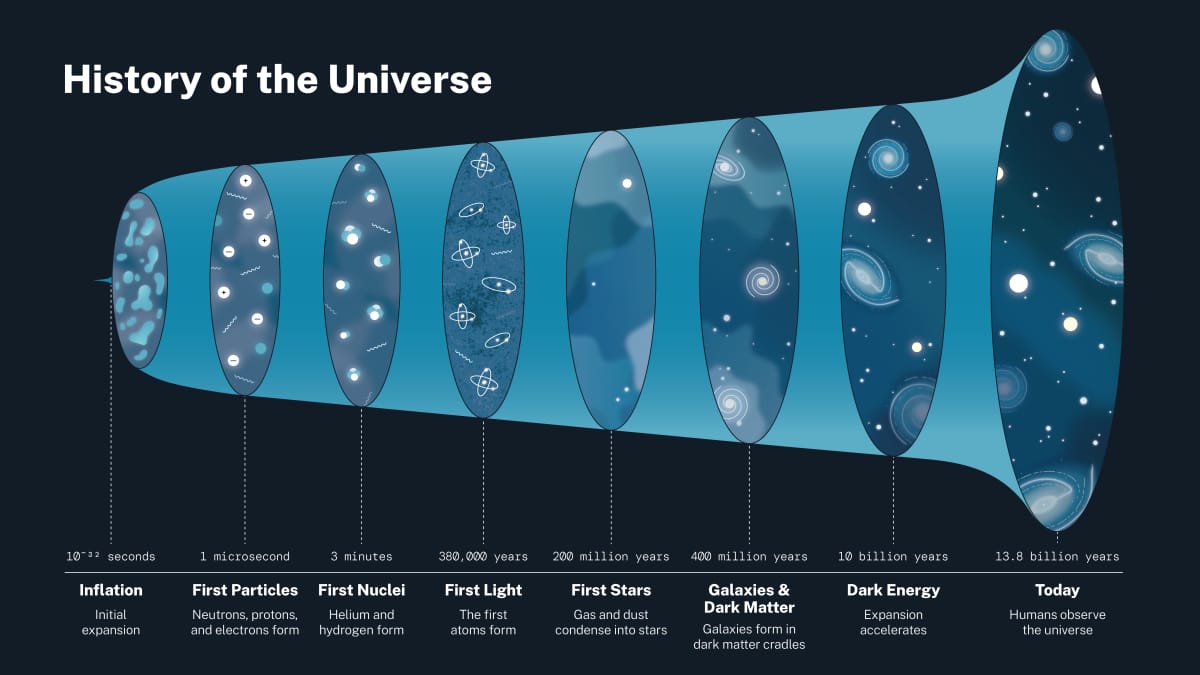
The newly detected halos stretch from tens of thousands to hundreds of thousands of light-years across. Apart from gigantic ones, some halos are as simple as a football-shaped cloud encircling a single galaxy. Some of them sprawl, forming irregular blobs that contain multiple galaxies. “Those are the fun ones,” said Mentuch Cooper. “They look like giant amoebas with tendrils extending into space.” To know whether these halos are really formed by hydrogen gas, the researchers probed the 70,000 brightest of the over 1.6 million early galaxies identified by HEDTEX so far. With the help of supercomputers at the Texas Advanced Computing Center, they examined how many of these halos have a central compact region of hydrogen and a thinner cloud extending beyond it.
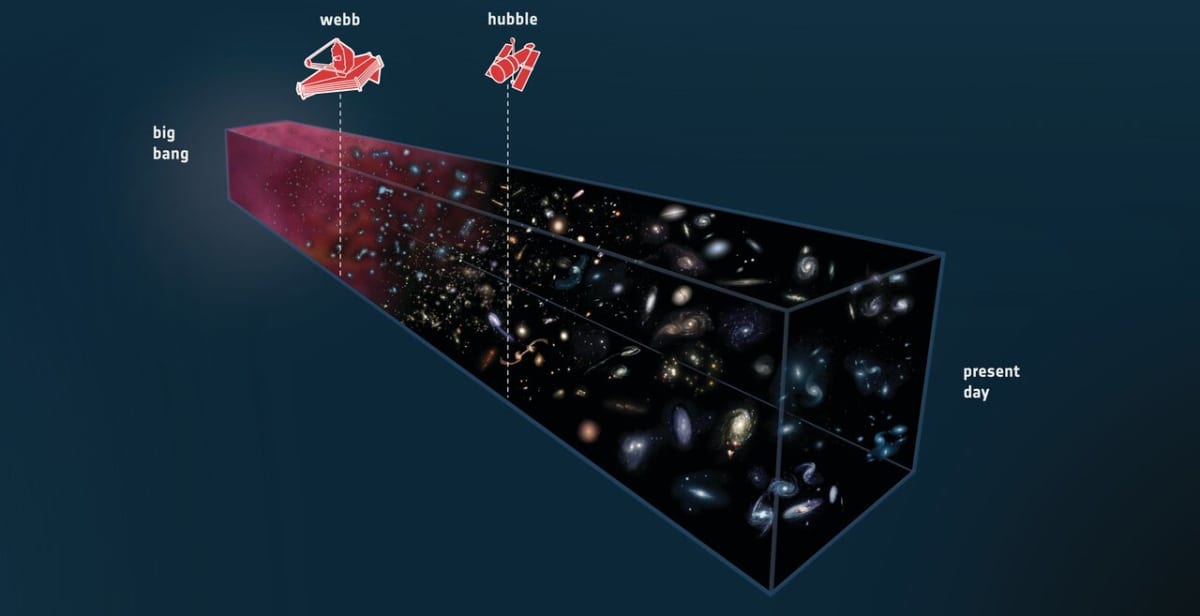
Nearly half of them have these traits and are qualified as hydrogen gas halos. “What’s more, this fraction is likely an underestimate,” explained Mentuch Cooper. “We suspect the faintest systems simply aren’t bright enough to fully reveal how large they are.” These findings, the researchers note, give others a good launching pad to study the early universe and how its matter and structure evolved. With 33,000 halos at their disposal, they needn’t bother about where to look for them. Now, researchers have to pick out the right halo from the crowd. “There are various models for galaxies in this epoch that largely work and seem to make sense, but there are gaps and holes,” added Dustin Davis, a postdoctoral fellow at UT Austin, a HETDEX scientist, and co-author on the study. “Now we can focus on individual halos and see at a greater detail the physics and mechanics of what's going on. And then we can fix or throw out the models and try again.”
More on Starlust
Scientists explain why Milky Way's southern gas is glowing 12 percent hotter than the northern part