Astronomers finally managed to measure the mass of a 'rogue' planet—it's a lot like Saturn
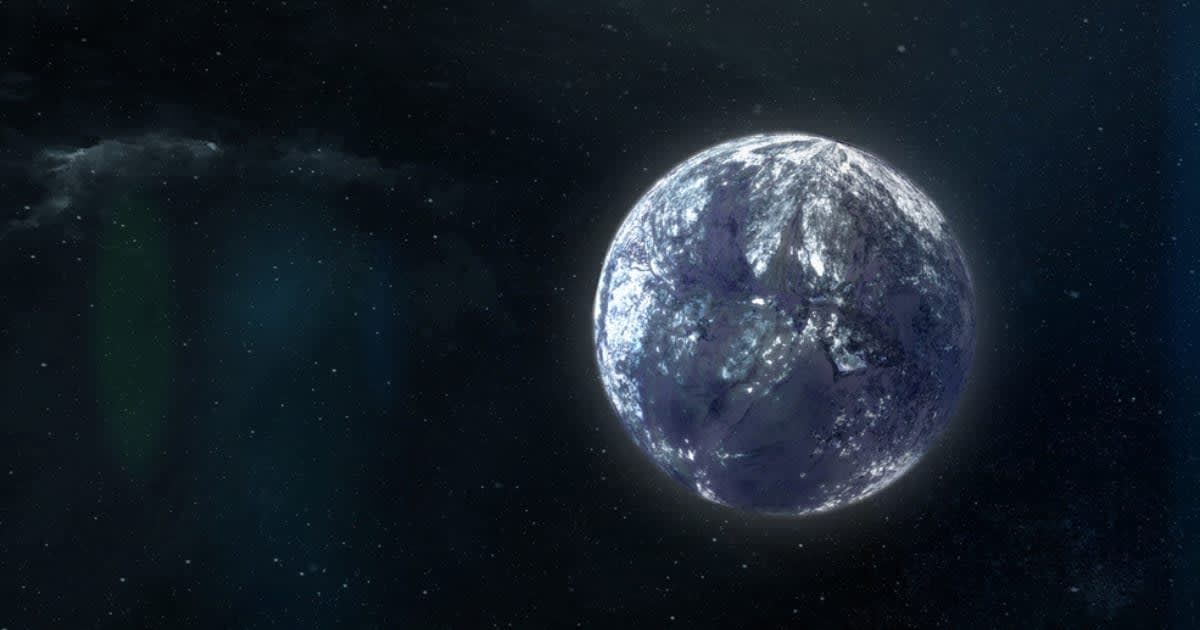
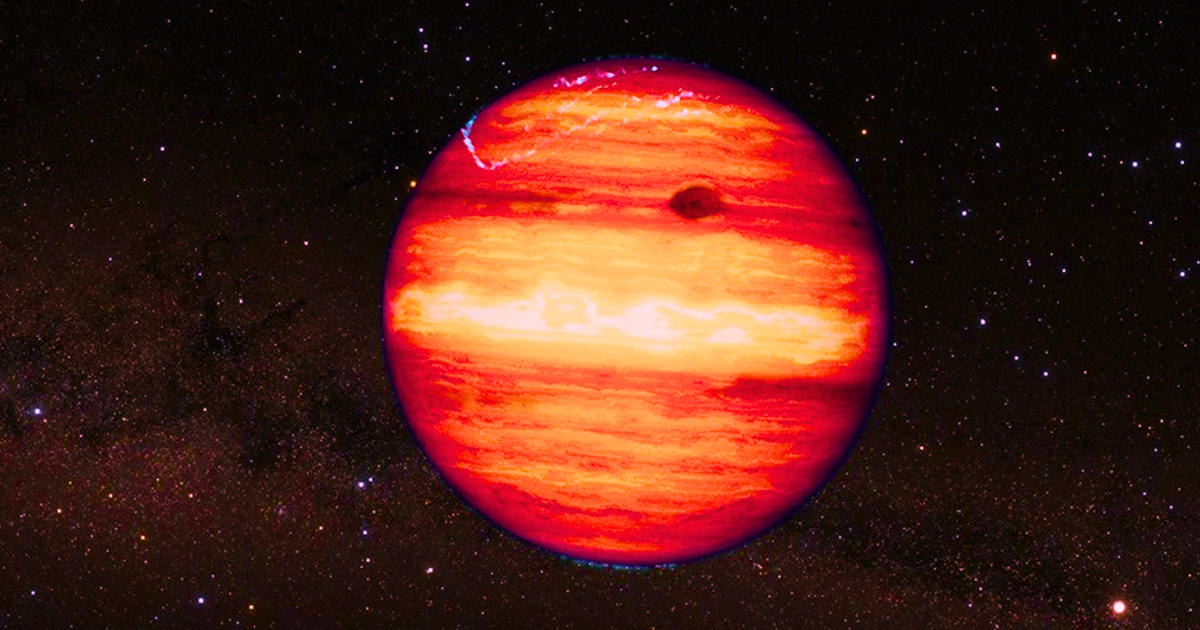
In a groundbreaking experiment, researchers have revealed the mass of a "rogue planet" for the first time ever. Around 10,000 light-years away from Earth, this planet, which does not go around a host star but rather travels through space all alone, has been found to have a mass similar to that of Saturn, as per a recent study published in Science.
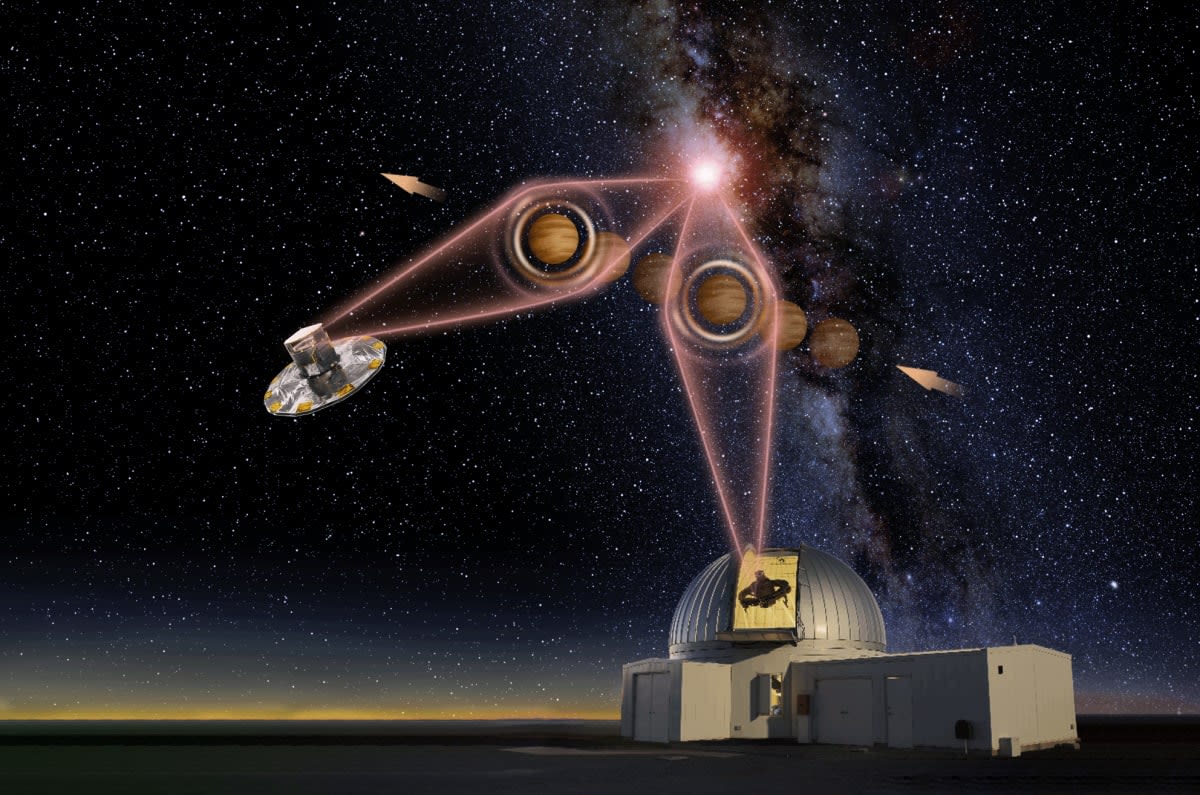
Although an accurate measurement of the mass of a rogue planet hadn't been made until now, scientists had observed quite a few of them over the last decade. Since these "free" planets are practically invisible, emitting no light of their own, the only feasible way to detect them is through a phenomenon called microlensing. This happens when the gravity of a rogue planet causes the light of the star it is passing by to flicker.
Two surveys—the Korea Microlensing Telescope Network (KMTNet) and the Optical Gravitational Lensing Experiment (OGLE)—caught the two-day-long microlensing event, now designated KMT-2024-BLG-0792/OGLE-2024-BLG-0516, caused by the rogue planet in question. In fact, coincidentally, the Gaia spacecraft also detected the same event. It was thanks to these overlapping observations that the researchers were able to ascertain the microlens parallax effect, which isn't too different from how we perceive depth based on things appearing different when we close one eye instead of the other.

“We are able to use the same principle to extract the distance information of this rogue planet candidate, finding the mass and distance separately,” stated Subo Dong, an astronomy professor at Peking University and the lead researcher of the study. “The difference is that the spacing between the eyes of we humans is a few centimeters, whereas Gaia is about 1.5 million kilometers away from Earth,” he added, per the Peking University press release.
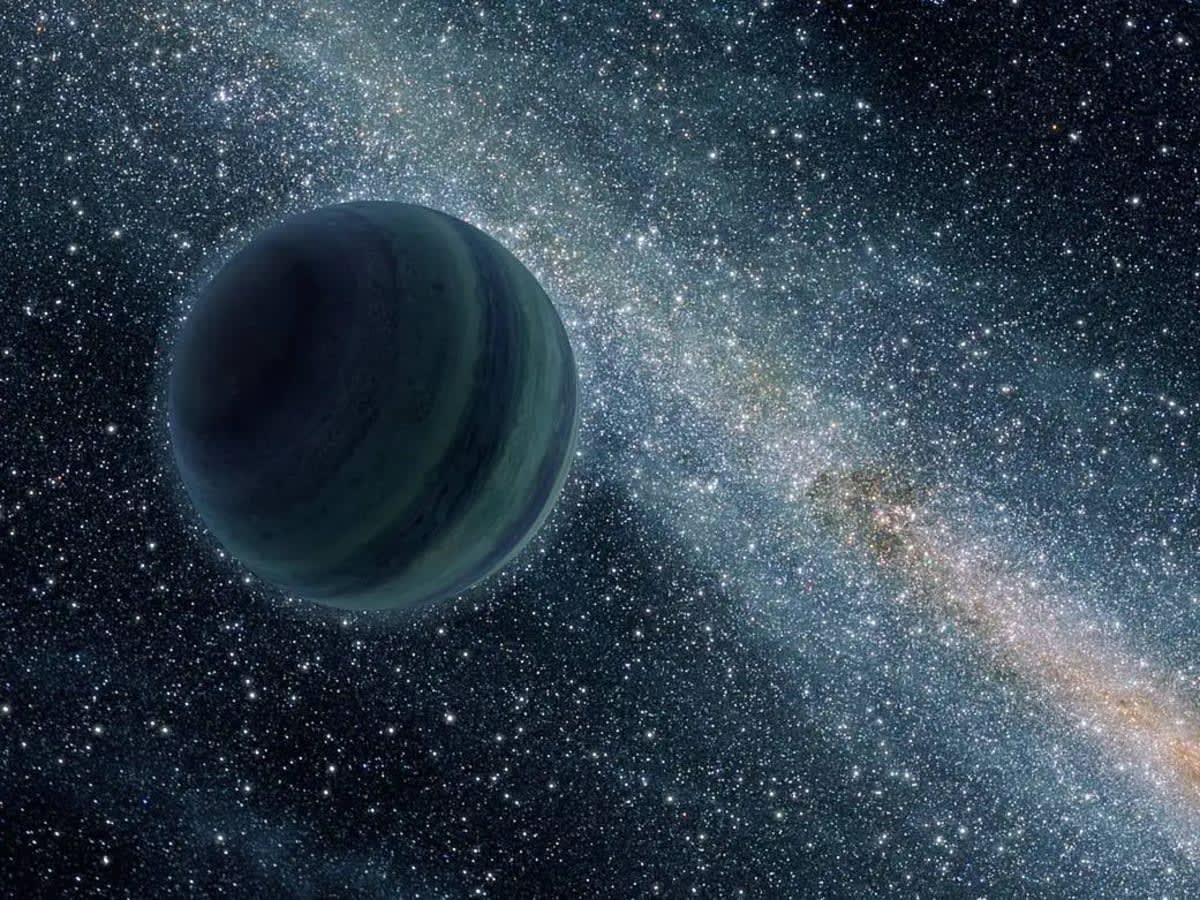
By securing the accurate figures, Dong and his team were able to eliminate all doubts with regard to the celestial body's nature. “For the first time, we have a direct measurement of a rogue planet candidate’s mass and not just a rough statistical estimate,” Dong claimed. “We know for sure it's a planet.” The study suggests that our galaxy might contain trillions of such starless waifs. Some of these might have been displaced from their regions, while others may have come into being from the same cosmic dust clouds that create stars. “Our discovery offers further evidence that the galaxy may be teeming with rogue planets that were likely ejected from their original homes," Dong said.
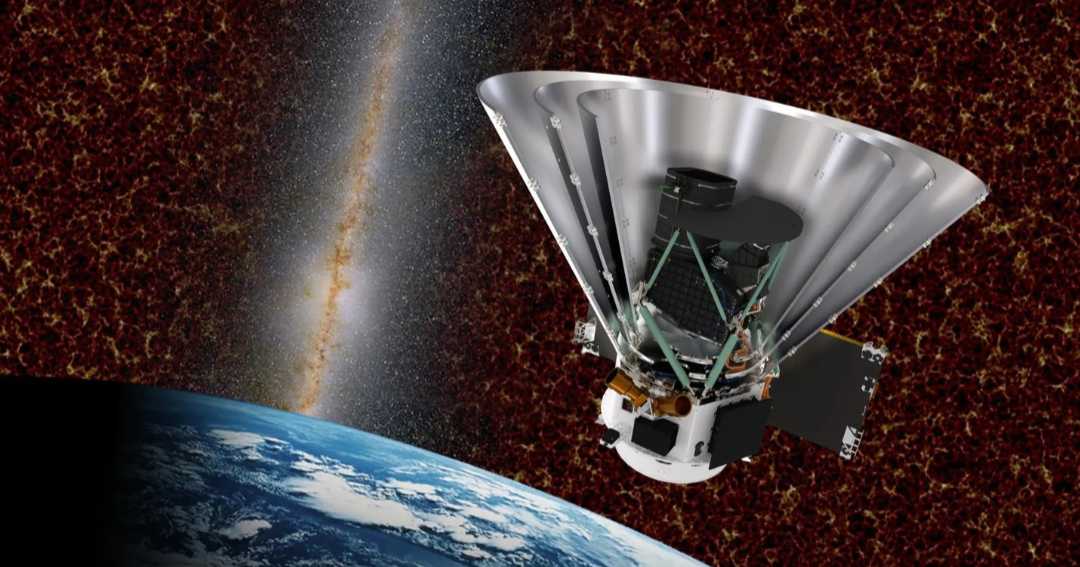
This major milestone paves the way for future investigations, such as the one to be conducted by NASA's Nancy Grace Roman Space Telescope, which is anticipated to uncover hundreds of these uncommon drifters. As Dong stated, “Getting this kind of data opens up lots of doors to understanding more about a planet’s possible origins and history.”
More on Starlust
Rogue planet 10 times Jupiter's mass found devouring six billion tons of gas and dust every second
NASA just confirmed 6,000 alien worlds—and 8,000 more waiting to be verified