Rocket Lab delays next-gen Neutron rocket’s debut to 2027: Here’s what went wrong
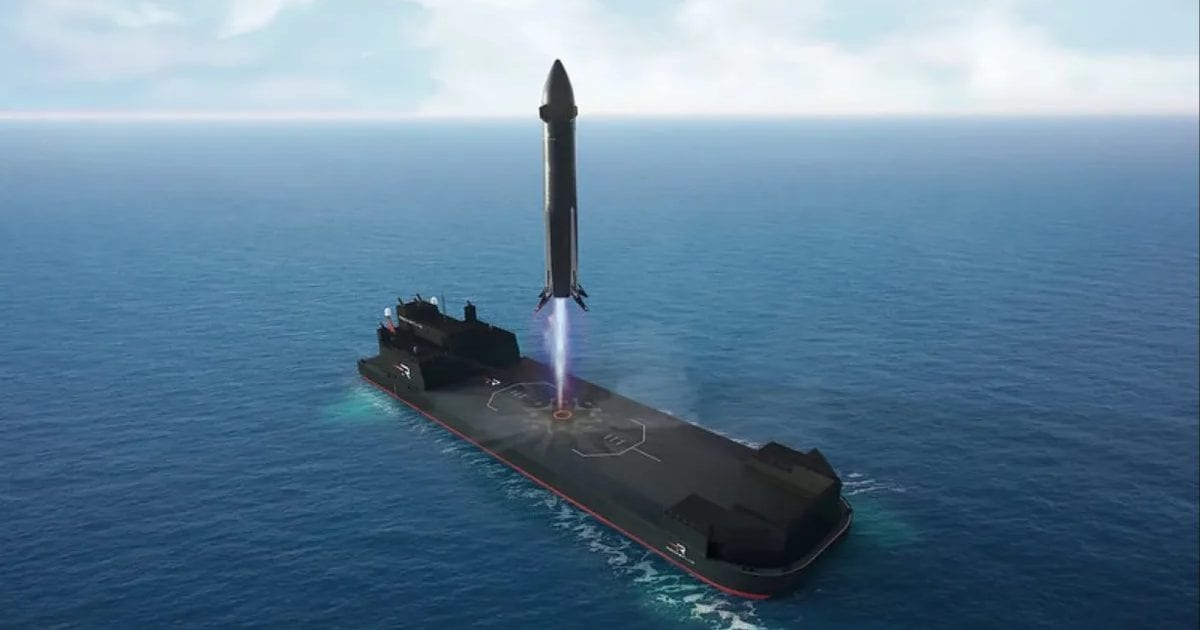
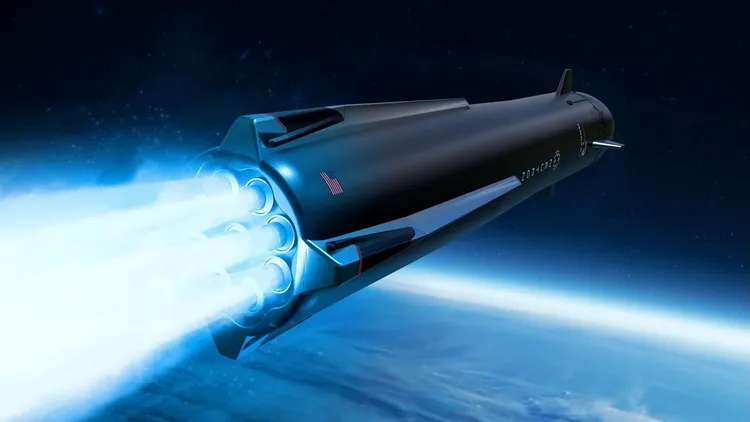
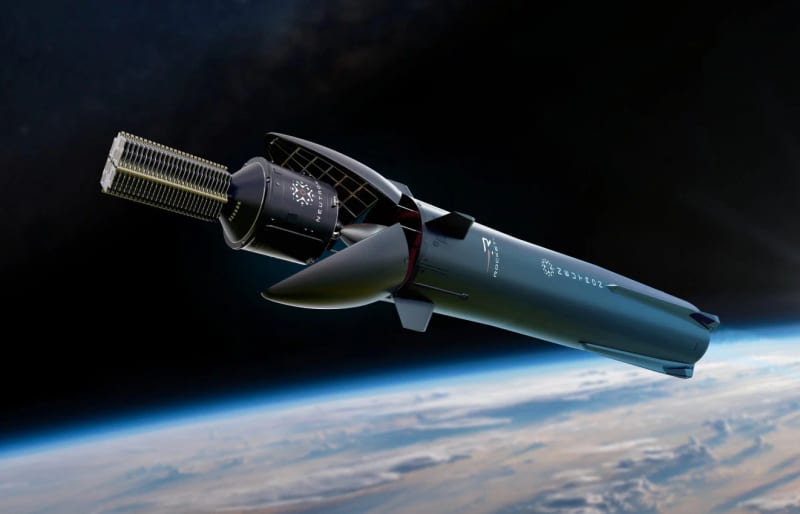
More than five years ago, Rocket Lab announced that it was developing Neutron, a next-gen launcher designed as a step up from its small-satellite launcher called Electron. This rocket will be powerful enough to send up to 13,000 kg (about 28,700 pounds) to low Earth orbit. But now, Neutron's maiden launch is no longer expected in late 2026, as the company has pushed the milestone back to 2027. The step was taken after a flaw was found in a key tank part.
Commenting on the delay, CEO Peter Beck explained, “We believe Neutron is going to be a game-changer, and taking the time now to solve these challenges means we’re in a better position to deliver a rocket that’s ready to meet the needs for the industry for years to come.” When Rocket Lab announced Neutron in 2021, the company expected the rocket to make its debut in 2024. But that date was later pushed to 2025, then to early 2026, and then, after a fuel tank ruptured during a pressure test, to late 2026.
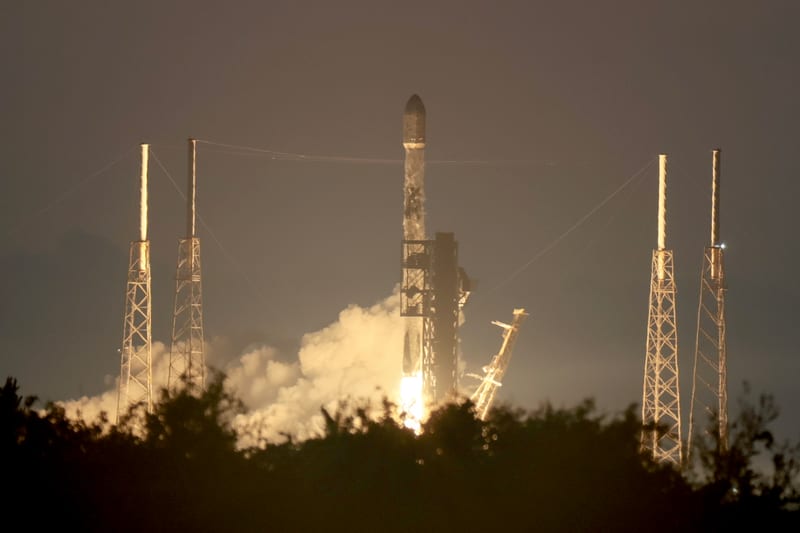
Neutron is expected to be in the same class as SpaceX’s Falcon 9, even though Falcon 9 can lift heavier payloads. Neutron’s arrival could come as SpaceX reportedly is working on winding down its Falcon 9 in favor of Starship. Of course, all of that assumes Neutron makes it to the launch pad. With the launch pushed back, Rocket Lab's focus is now on getting a new forward dome built and inspected by the end of the year. And if all goes to plan, it will complete assembly of the full first stage and its testing during the first quarter of 2027.
What went wrong inside Neutron’s fuel tank domes?
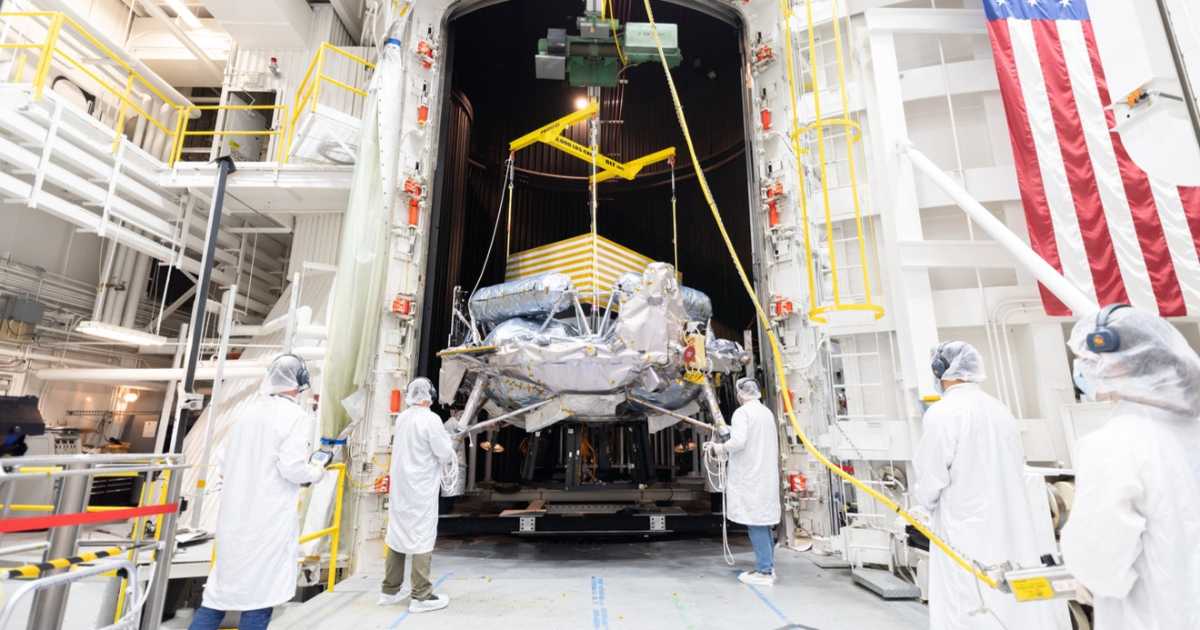
During the announcement, the company shared that Neutron’s first stage, which is the lower section of the rocket, is the problem. Its fuel tanks are capped with carbon-fiber domes, and the tanks hold liquid oxygen and liquid methane. Rocket Lab builds the domes using an automated fiber placement machine, “which lays down the carbon with speed and accuracy,” Beck said.
After the company cured a recently built front-facing dome, inspectors found voids within the carbon-fiber layers. Beck said the voids “don’t necessarily mean that the dome would fail in flight, but our practice is to proceed only when we believe the system has the appropriate margins.” He added, “Possible success isn’t our standard.”
Has Rocket Lab fixed the problem?
The good news is that the problem has now been fixed. Engineers modified the dome manufacturing process after analyzing the results and running tests, and the changes proved successful. “We’ve since run another carbon composite section called the aft dome through this new process, and I’m pleased to report that it has resulted in the highest quality carbon composite dome to date, and we’ve solved the problem,” he said.
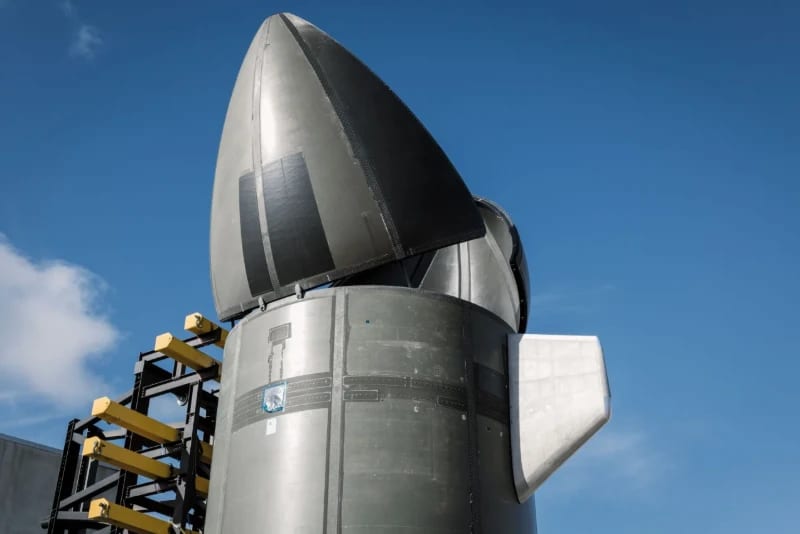
Even so, much of the work still remains. A new forward dome is still in the works, with the company targeting the end of the year for its completion and inspection. Rocket Lab then needs to fit it into a complete first stage and put that stage through a battery of tests. If all goes to plan, that will all be done during the first quarter of 2027. “From there, we expect to be in good shape to share a new target launch date,” Beck said.
More on Starlust
Watch: SpaceX’s first Starship to survive an ocean splashdown is finally back at Starbase
Watch: SpaceX launches and lands Falcon 9 rocket for classified U.S. Space Force mission