Quadrantid meteor shower 2025/26: When and how to watch

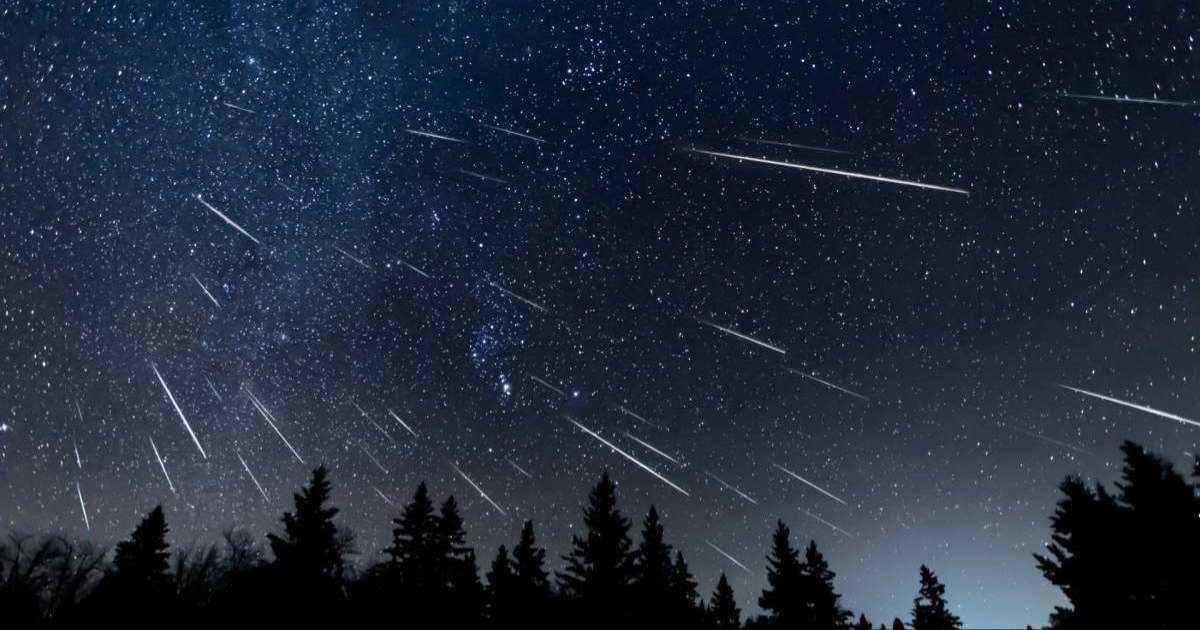
Taking place around the new year, the Quadrantids are widely considered to be one of the best meteor showers of the year, offering sights that can warm hearts on a frosty night. This year, it is scheduled to take place between December 28, 2025, and January 12, 2026. Of course, the best time to watch the shower is at its peak.
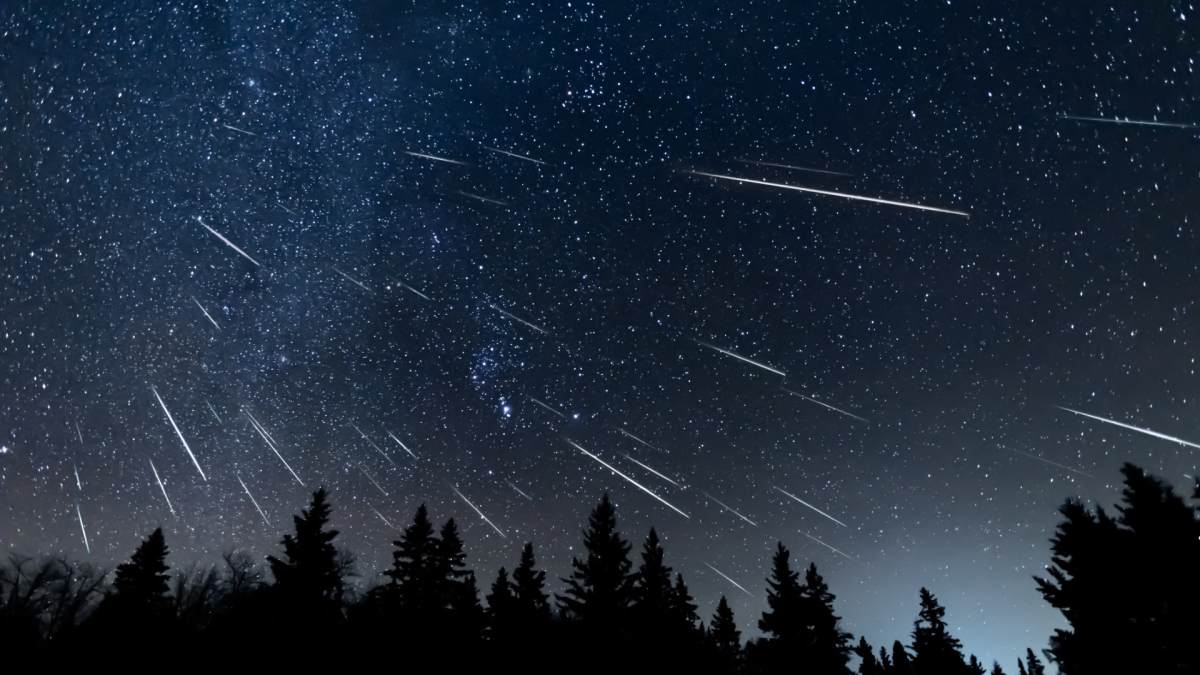
The peak of a meteor shower is when it is the most easily visible, and most showers have a two-day peak, but the Quadrantids, on the other hand, have a much shorter peak, lasting only a few hours. This year, the predicted peak is on the night of January 2-3, according to the American Meteor Society. This short peak is owing to the shower's thin stream of particles and also because the Earth crosses this stream at a perpendicular angle. Under the perfect conditions during the Quadrantids' peak, as many as 60 to 200 meteors can be seen per hour, according to NASA.
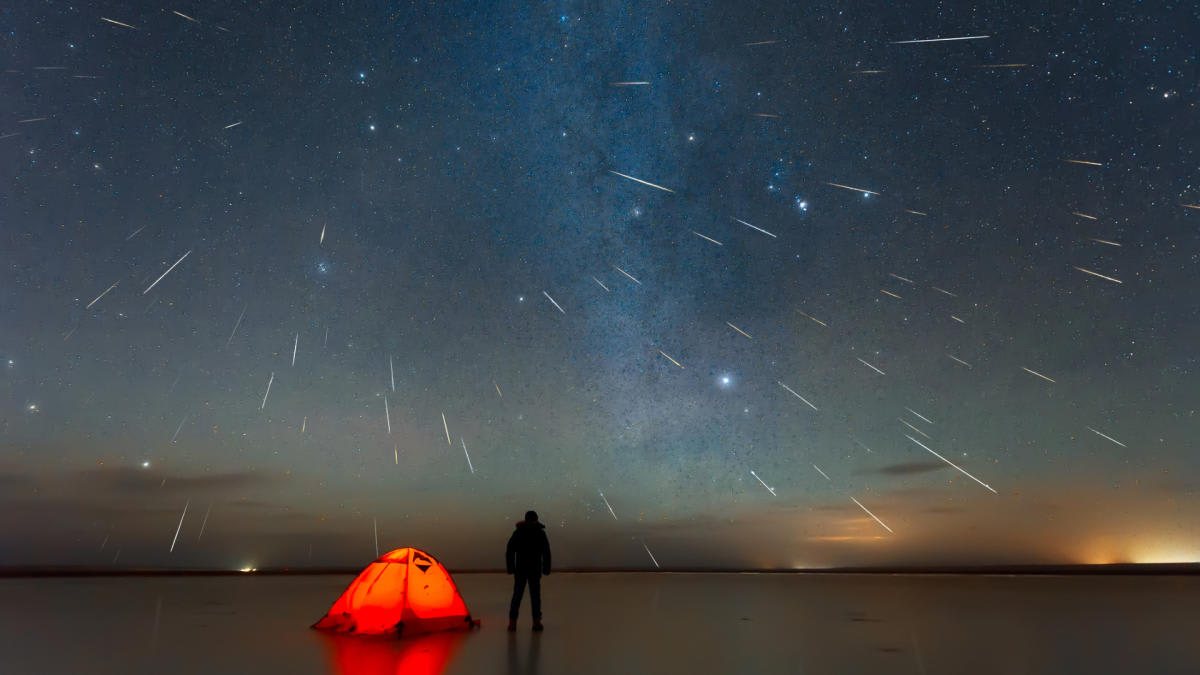
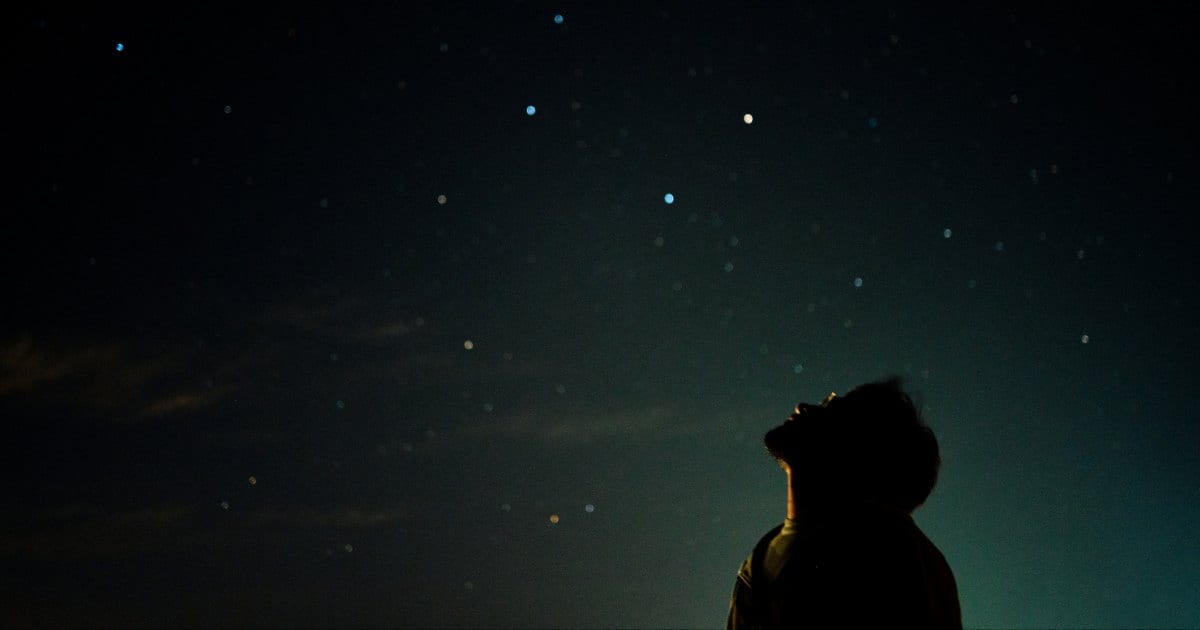
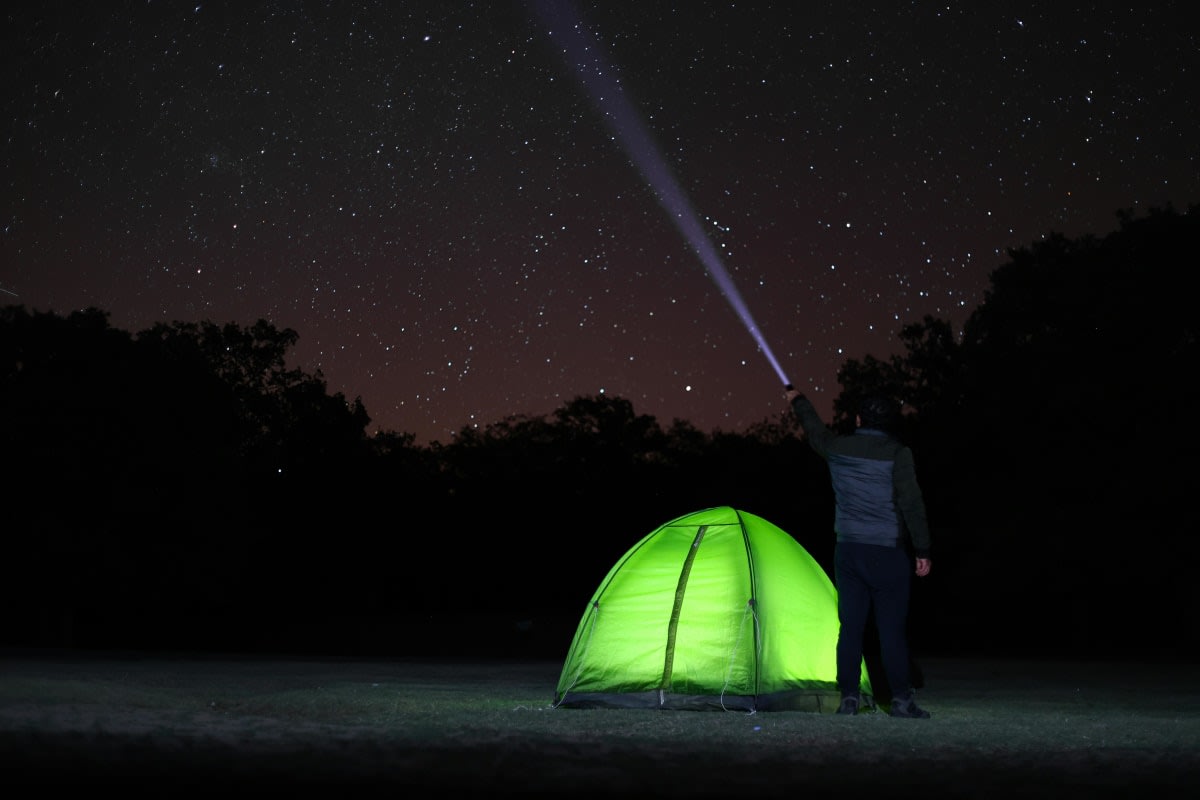
Due to its northerly declination, the best viewing spot for the Quadrantid meteor shower is in the Northern Hemisphere. So, to all the Northern Hemisphere residents, for the best possible angle, lie down flat on your backs with your feet facing the northeast; it will take around 30 minutes for your eyes to get accustomed to the dark, after which you will see meteor streaks. Do not be in haste, as the meteor shower will continue till dawn, so do come prepared with mats, camping chairs, and winter wear!
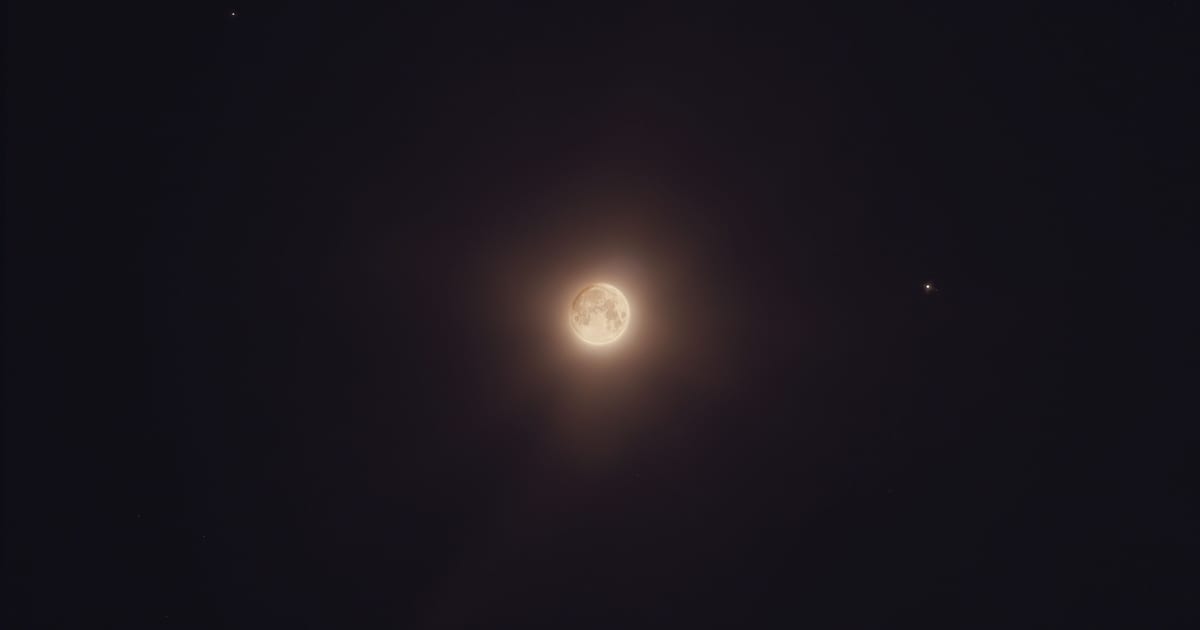
The Quadrantid's specialty is that it also has bright fireballs. While average meteor streaks last for a short while, these fireballs, owing to their origins from the larger particles of the material, are larger explosions of light and color that last longer than average meteor streaks. Their brightness usually crosses magnitude -3. One major issue for the meteor gazers can be the full moon that is expected to show around 5:03 UTC on January 3, 2026, according to EarthSky. Its light may interfere with the Quadrantid meteors. 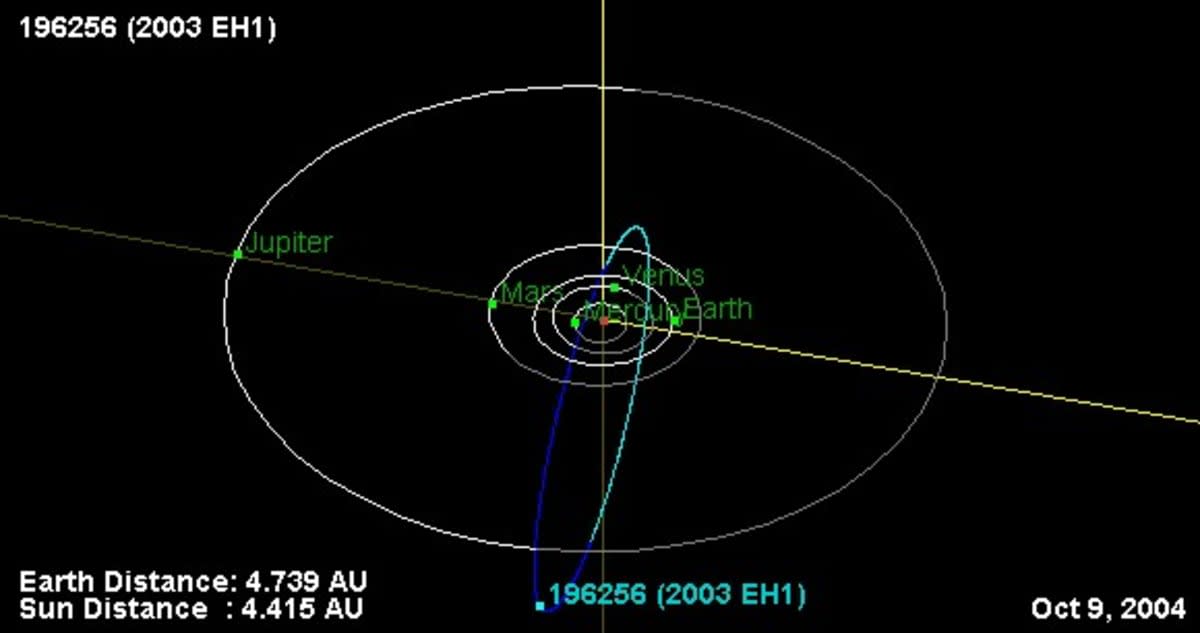
While most of the meteor showers originate from comets, the Quadrantids trace their origin back to Asteroid 2003 EH1. This asteroid is presumed dead and takes about 5.52 years to orbit the sun once. It is not very big, measuring at a measly two miles (three kilometers) in its diameter. Discovered back on March 6, 2003, by the Lowell Observatory Near-Earth Object Search (LONEOS), it was the astronomer and research scientist named Peter Jenniskens who identified the 2003 EH1 as the source for the Quadrantid meteors.
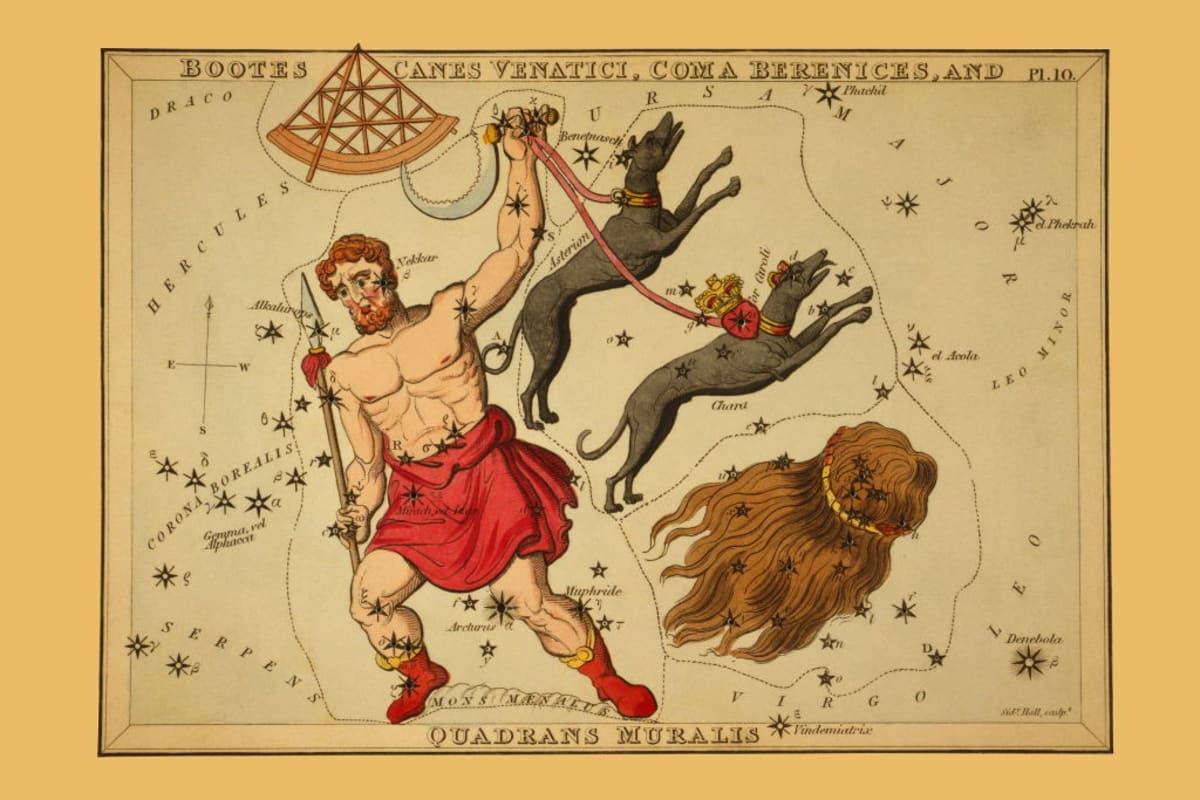
First seen in 1825, the radiant point from where the Quadrantids appear to come is an obsolete constellation called Quadrans Muralis, located between Bootes and Draco. Meteor showers are named after constellations to help viewers identify which shower they are observing on a given night. And even though Quadrans Muralis is no longer officially recognized, it was considered valid long enough for the shower to be named after it.
More on Starlust
Arctic auroras could paint northern skies green this Christmas Eve as a solar storm approaches Earth
3I/ATLAS: Where is the interstellar comet headed next after skimming past Earth?