Powerful X1.9-class solar flare on January 18 triggers radio blackouts across the Americas
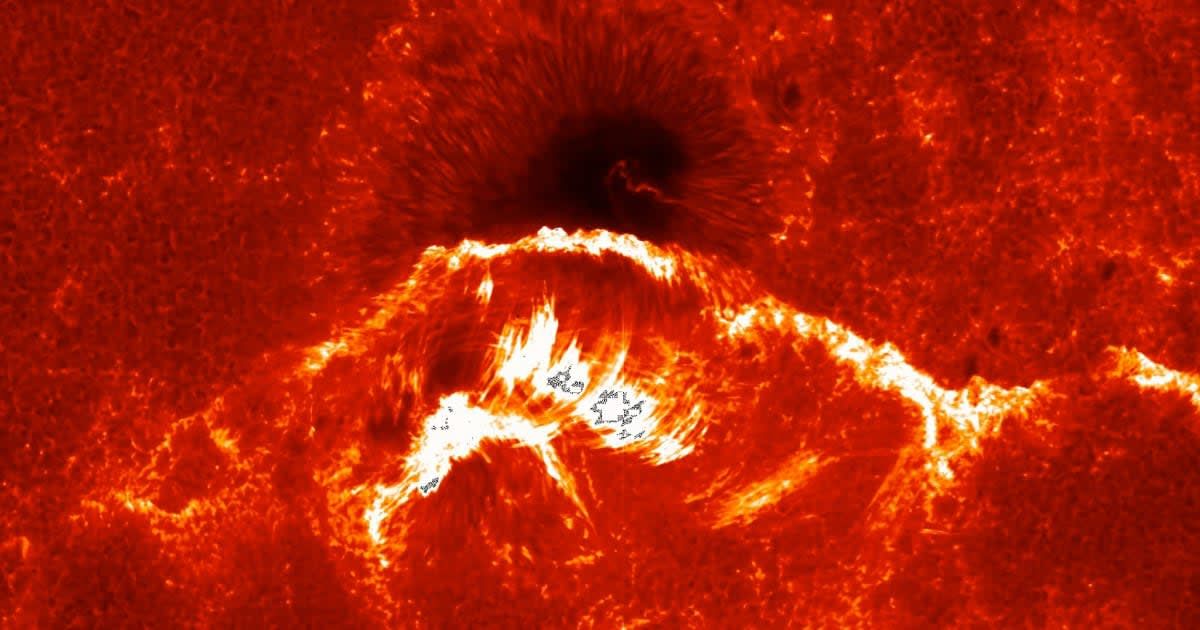
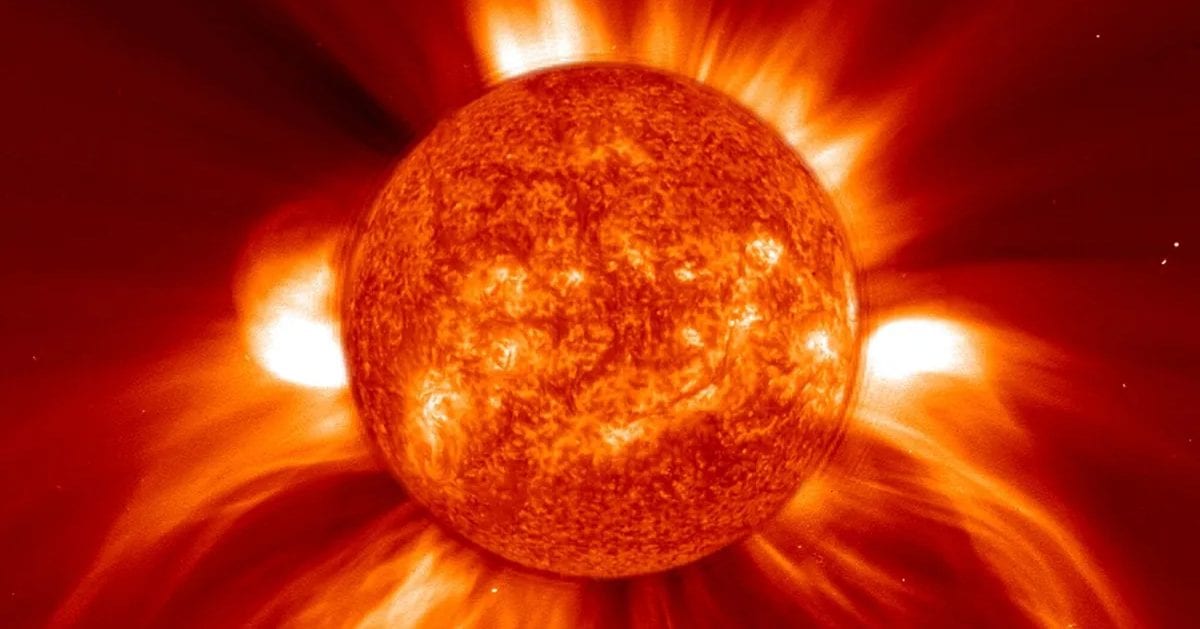
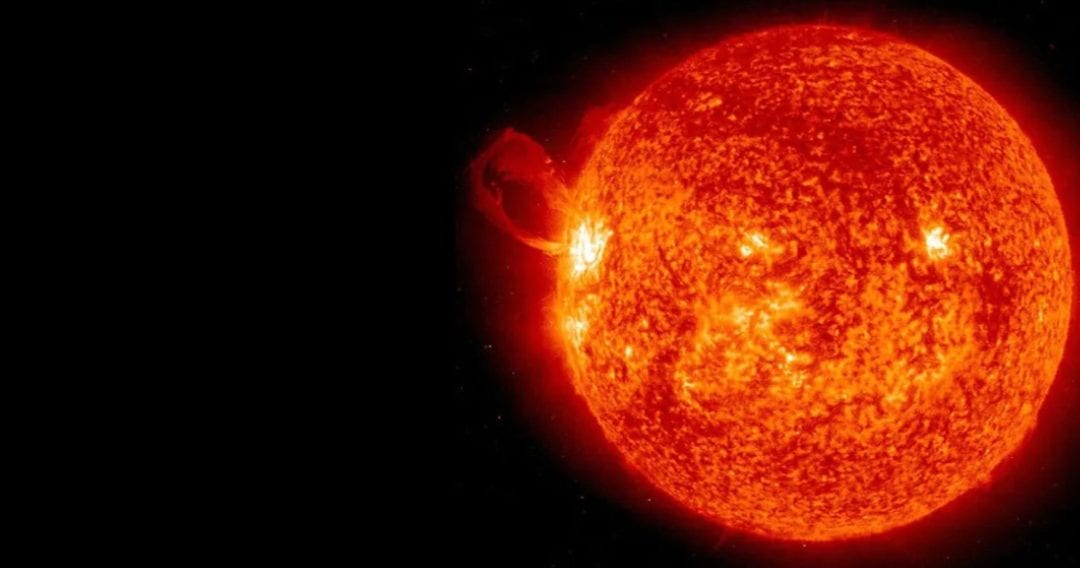
NOAA’s Space Weather Predictions Center has reported an X1.9-rated solar flare from the sunspot 4341 that follows on from a similarly-rated solar flare in November. The flare peaked at 18:09 UTC on January 18, 2026, and resulted in an S2-category Solar Proton Storm, which caused an R-3 radio blackout within the Arctic region, according to SpaceWeather.com. This radio shortwave blackout also took place in the Americas as radiation from the flare struck the atmosphere near the west coast of South America.
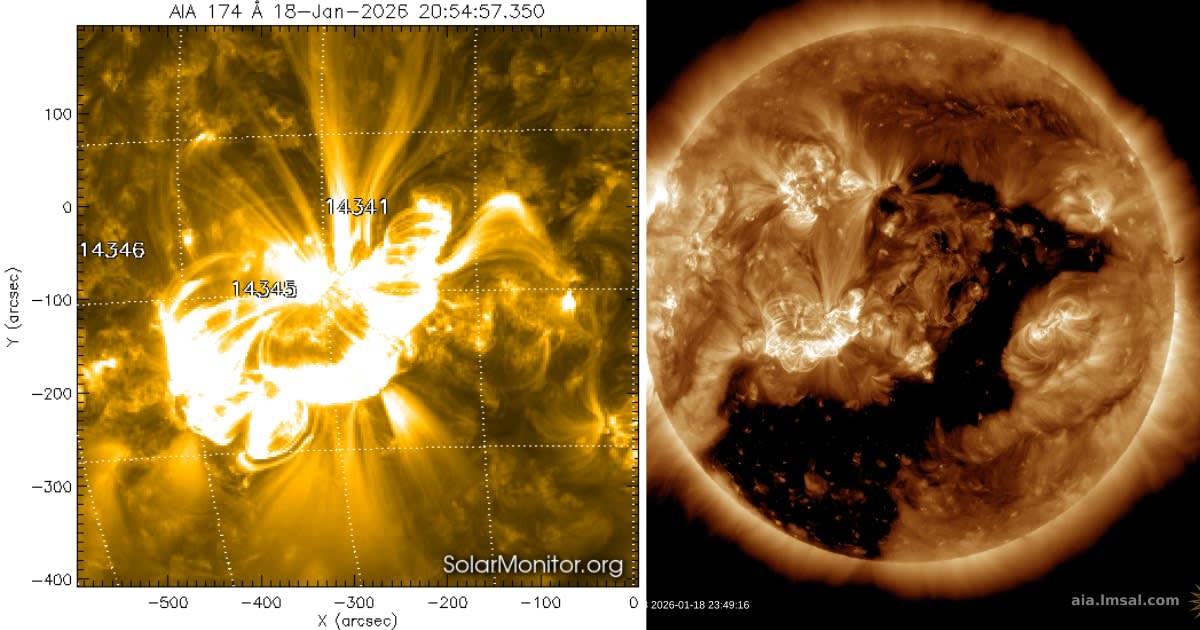
Strong R3 radio blackout in progress (≥X1 - current: X1.05)
— SpaceWeatherLive (@_SpaceWeather_) January 18, 2026
Follow live on https://t.co/3Xxrvc3cpA pic.twitter.com/t8ki5cW2te
Consequently, a full-halo Coronal Mass Ejection (CME) was also triggered, with some of its components heading towards Earth. Predictions from NASA models suggest that the CME could reach the Earth during the early hours of January 20, 2026. The impact of this CME on Earth’s atmosphere could cause geomagnetic storms of a relatively significant magnitude of G3. Effects of a storm last month of this magnitude were observed to include suspension of radio communication aboard sea vessels and ships.
An X1.9 solar flare took place today and it released a gorgeous coronal mass ejection towards our planet! Read all about it on our website!https://t.co/fhGqXNtpGF pic.twitter.com/3ASeVa4rHQ
— SpaceWeatherLive (@_SpaceWeather_) January 18, 2026
The X1.9-class solar flare itself lasted for hours as seen in a time-lapse video captured by NASA’s Solar Dynamics Observatory. This meant that the already high rating of X1.9 does not fully describe the energy output of the solar flare. The origin of the solar flare was the sunspot region AR4341, with AR4299 being the site of the solar flare reported last month.
This 1.9 X-flare that just exploded on the Sun IS INSANE. A huge coronal mass ejection has been launched out towards Earth at high-velocity, we'll have a BIG solar storm impact in 2-3 days, expect G3 geomagnetic storming minimum (early forecast liable to revision with more data). pic.twitter.com/v7uDX1JdIW
— Stefan Burns (@StefanBurnsGeo) January 18, 2026
In terms of categorization of solar flare intensity, the letter X signifies the highest level of energy dissipated by the flare, with the letters A, B, and C signifying the first three classes. These classes of negligible observable effects are followed by the M class of solar flares, which can cause brief radio blackouts. The numerals denote the strength of the solar flare’s radiation. The categorization follows the logarithmic system, with each class that follows the previous one having 10 times more energy.
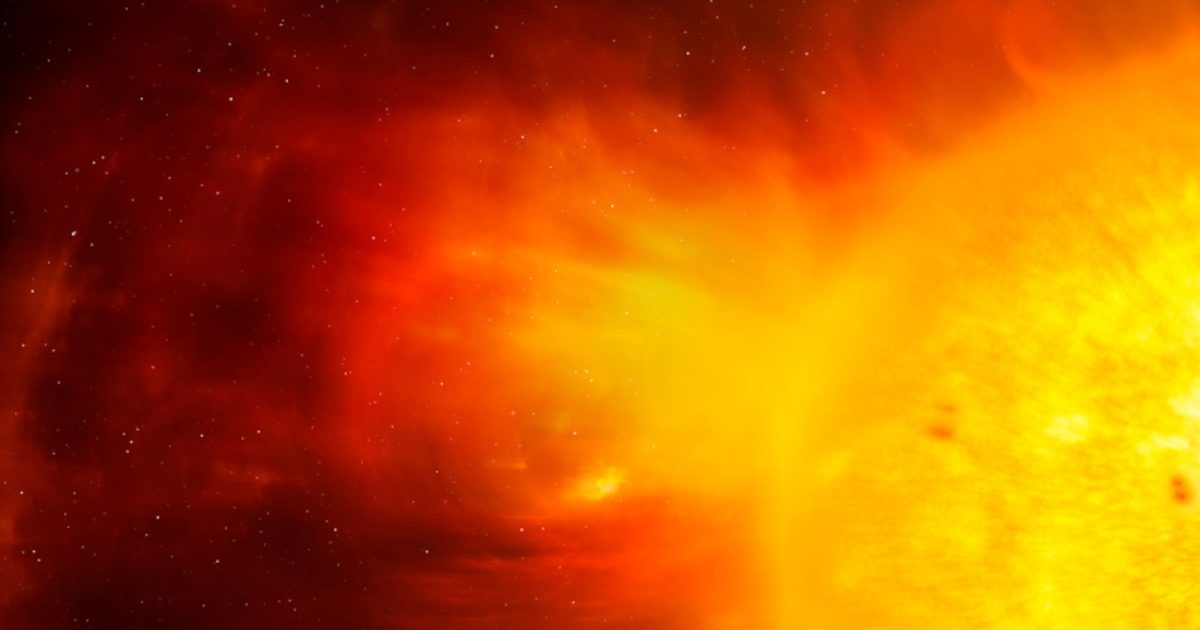
The visible effects of the radiation emitted by solar flares are not always adverse, though, with the spectacular auroras appearing to make their way to more central latitudes. This makes aurora accessible to previously unreachable skies, as it did in the beginning of this month when 15 states experienced this spectacular phenomenon.
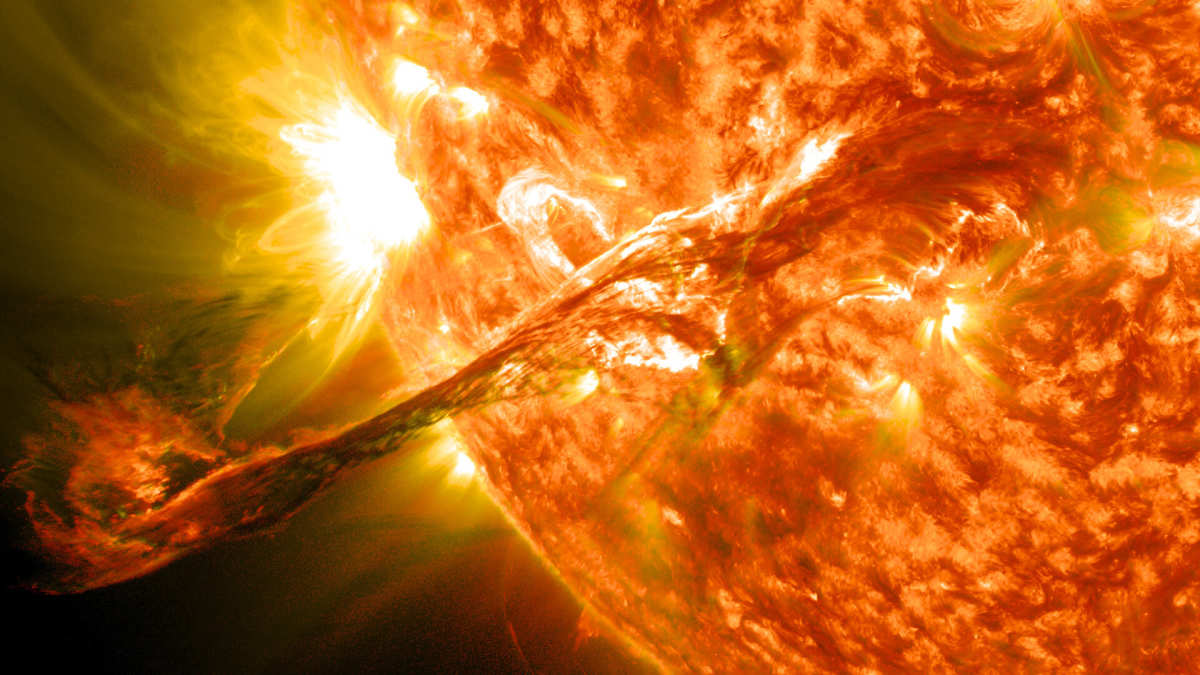
As for the CME that is projected to impact the atmosphere, the news of the impending strong geomagnetic storm should not alarm people. This is because we have already observed a geomagnetic storm of even higher intensity categorization, i.e., G4, which occurred in November of last year. This was the result of an X5-class solar flare that erupted on November 12, 2026, spewing even more energized proton particles with greater energy towards Earth. But the consequences did not cause much damage to the planet Earth.