Physicist says intense solar activity could make early 2026 a 'high-risk' window for Artemis II launch
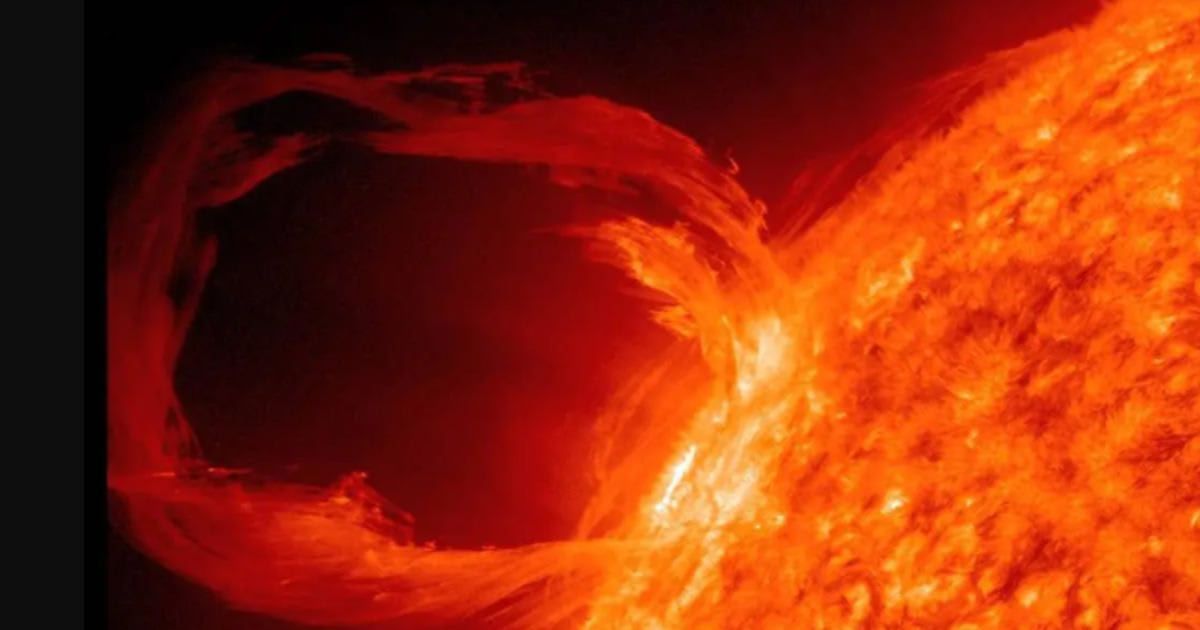
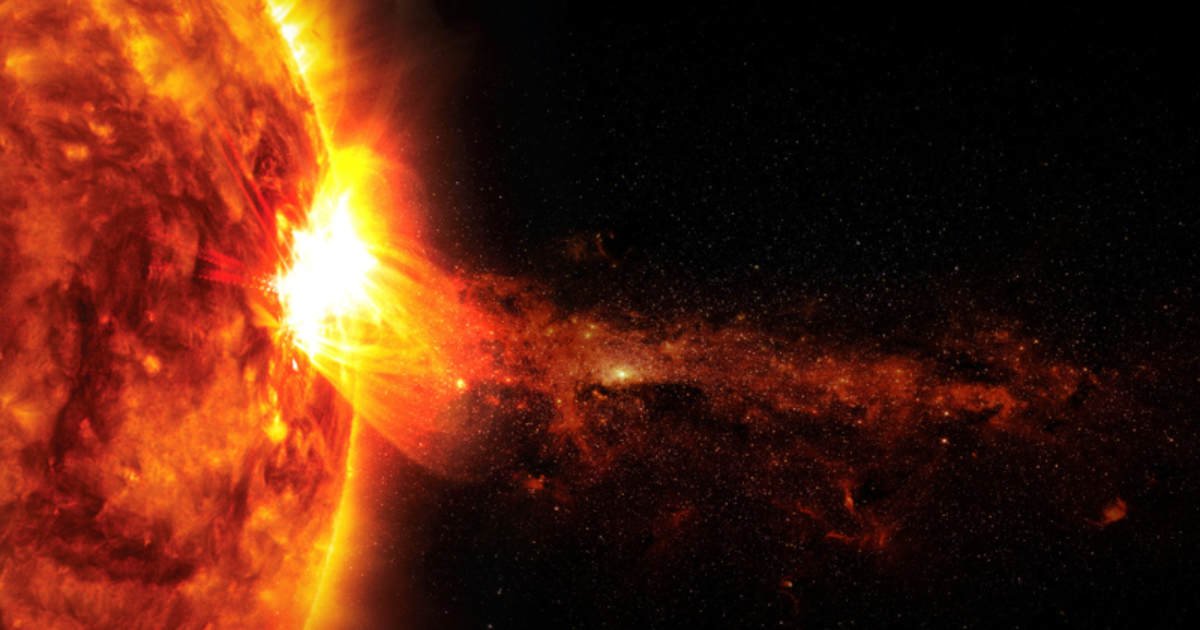
The Sun sits at the heart of our solar system and its gravity binds everything together — from the small fragments of cosmic debris to giant planets like Jupiter. Its energy powers the planets and has played a crucial role in the origin and evolution of life on Earth. However, the same star that sustains life also disrupts it by unleashing powerful bursts of energy many times. During the solar cycles, it erupts violently in a roughly 11-year cadence. Solar flares often originate in sunspots, where magnetic fields gradually grow into a global affair. This triggers solar storms, spewing charged particles into space, which are then carried to Earth via solar wind. The particles teaming up with Sun’s intense magnetic field collide with Earth’s magnetic dome and slip through it, causing damage to power grids, satellites, and even increasing risks for space missions like Artemis II. As we previously reported, a research team led by Dr. Victor M. Velasco Herrera at the National Autonomous University of Mexico has devised a method to predict powerful solar storms, known as solar superflares. Dr. Herrera has interacted exclusively with the Starlust team, detailing how his new discovery could help forecast lethal solar storms, his thoughts on preventing flares’ harmful effects on space missions, astronauts and technologies on Earth.
Starlust: Why is monitoring solar superflares so important for humans and their technologies?
Dr. Victor M. Velasco Herrera: The Sun is not calm. It produces solar superflares that are massive explosions releasing colossal energy. Such flares can threaten astronauts, satellites, power grids, and navigation systems. For decades, superflares were seen as rare, unpredictable events. Our research shows otherwise: extreme solar activity follows harmonic cycles (repeating patterns) of approximately 1.7 and 7 years, creating windows of higher risk. Current forecasts provide only 24-48 hours warning, leaving minimal reaction time for astronauts. Think of it like hurricanes on Earth: knowing the seasons doesn’t prevent storms, but it allows planning, safety measures, and protection.

Starlust: How significant is it to have prior knowledge of a pending superflare when Artemis II launch is around the corner? Will such knowledge be handy to ensure safety for future missions?
Dr. Herrera: Recent delays in NASA’s Artemis II mission have sparked speculation: technical glitches, politics, or budgets. Yet the real reason is rarely highlighted. On Earth, we are protected by our magnetosphere, a comet-shaped bubble that surrounds Earth. Outside it, astronauts face serious risks. A superflare during a lunar mission could be catastrophic. For Artemis II, identifying high-risk periods allows NASA to adjust launch windows, implement extra protection, or delay missions safely. The safest protocol isn’t reacting; it’s avoiding solar explosions during dangerous solar periods. Exploration of the Moon is not a race. It is the most important scientific and technological challenge of the 21st century. Delaying a mission to ensure crew safety is responsible science, not failure. Mexico, one of the 61 Artemis partner nations, provides research-based forecasts to support mission planning. In line with the 1967 Outer Space Treaty, space science is conducted for peaceful purposes, ensuring astronauts, representatives of all humanity, are protected. Keeping an eye on the Sun is the key to safe, successful space exploration.
Starlust: Instead of pinpointing locations, why did you focus on the zones, the likely places of solar flares?
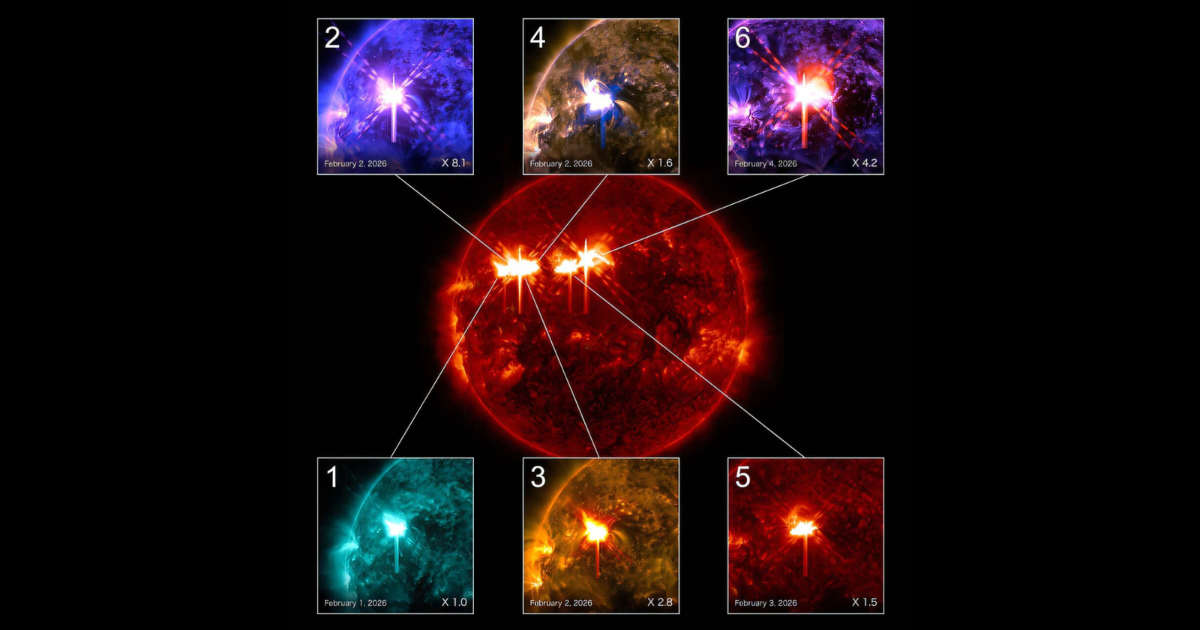
Dr. Herrera: Our study is based on five decades of the Geostationary Operational Environmental Satellites’ (GOES) observations. These satellites, offering images and data about the atmosphere and solar activity since 1975, have documented 37 extreme solar superflares. Importantly, none occurred at random; all are concentrated within well-defined temporal windows. Additionally, we identified a significant spatial pattern in the solar latitudes where these superflares originate. Just as hurricanes do not form anywhere in the ocean, superflares occur at specific solar latitudes. We have identified these high-risk zones, allowing NASA to direct its telescopes and monitoring satellites toward the most likely regions.
Starlust: How does your method of forecasting differ from the existing ones?
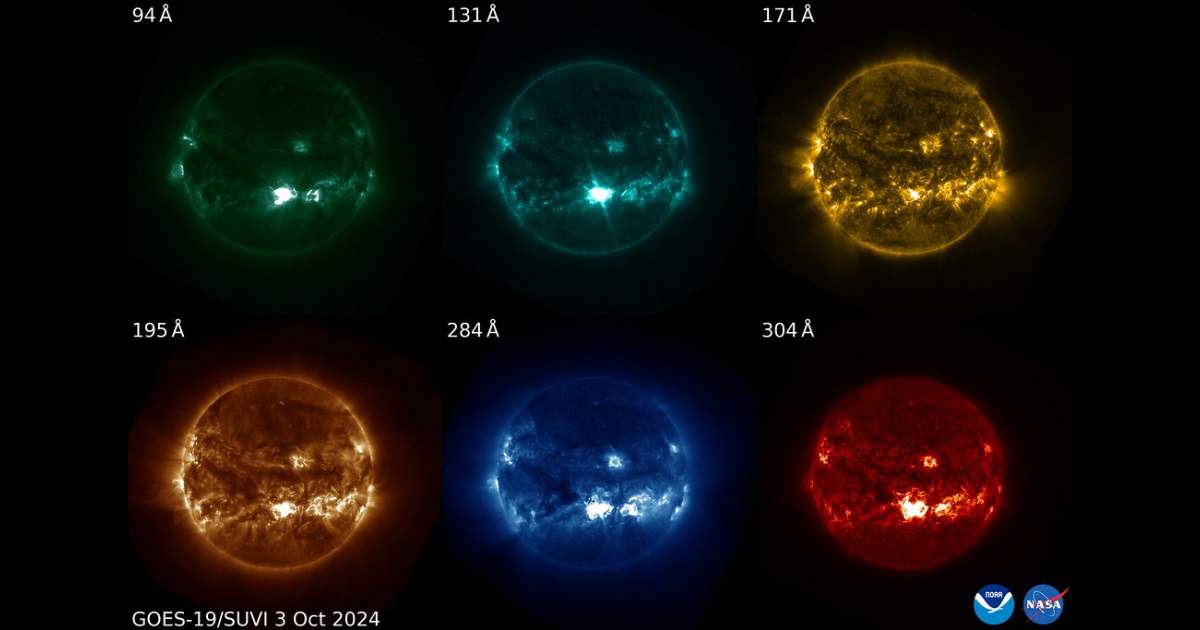
Dr. Herrera: Current solar forecasts operate by identifying large sunspots and assessing their potential to trigger major solar explosions between 24-48 hours. While useful, this method does not allow short-or long-term planning for astronauts operating outside Earth’s magnetosphere. In contrast, our forecasting identifies heliospheric patterns encompassing all 37 observed superflares. This is a substantial shift in space weather prediction, especially for the Artemis program. For the first time, we can predict these periods up to two years in advance. This does not replace NASA’s current models. But it complements them, providing actionable information that can be used today to plan crewed launches with greater safety margins. Our probabilistic model identifies a high-risk window in the first half of 2026, consistent with recently observed intense solar activity. This does not mean halting the Artemis program; it means optimizing launch schedules, strengthening radiation shielding, and further improving crew protection.
Starlust: Did you only study solar superflares, excluding solar flares?
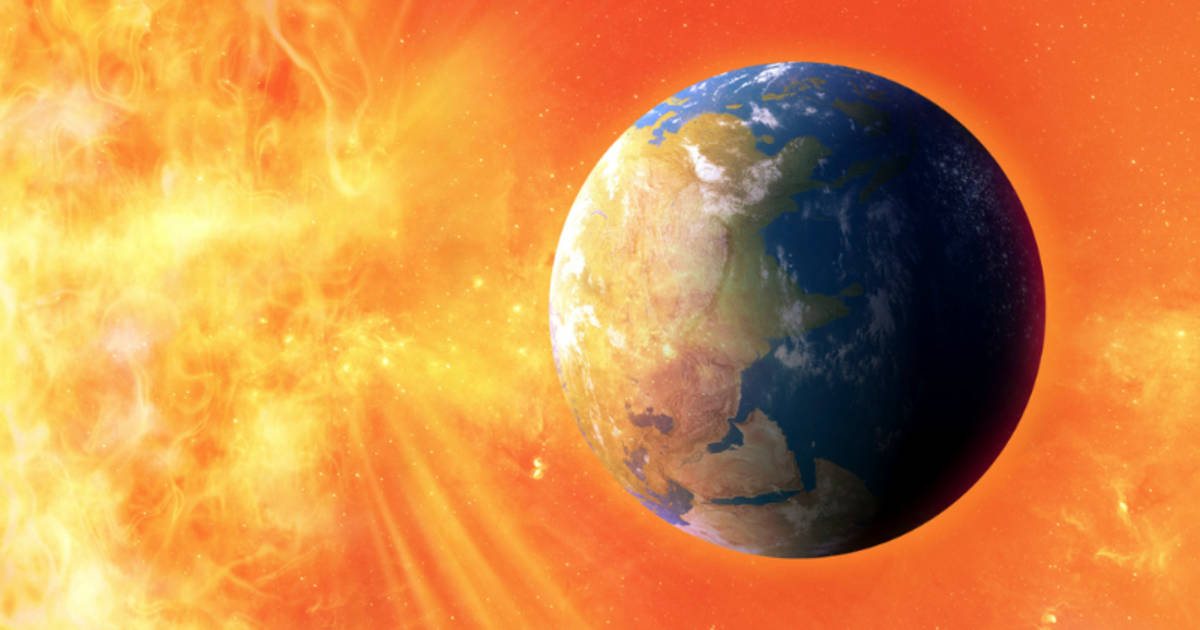
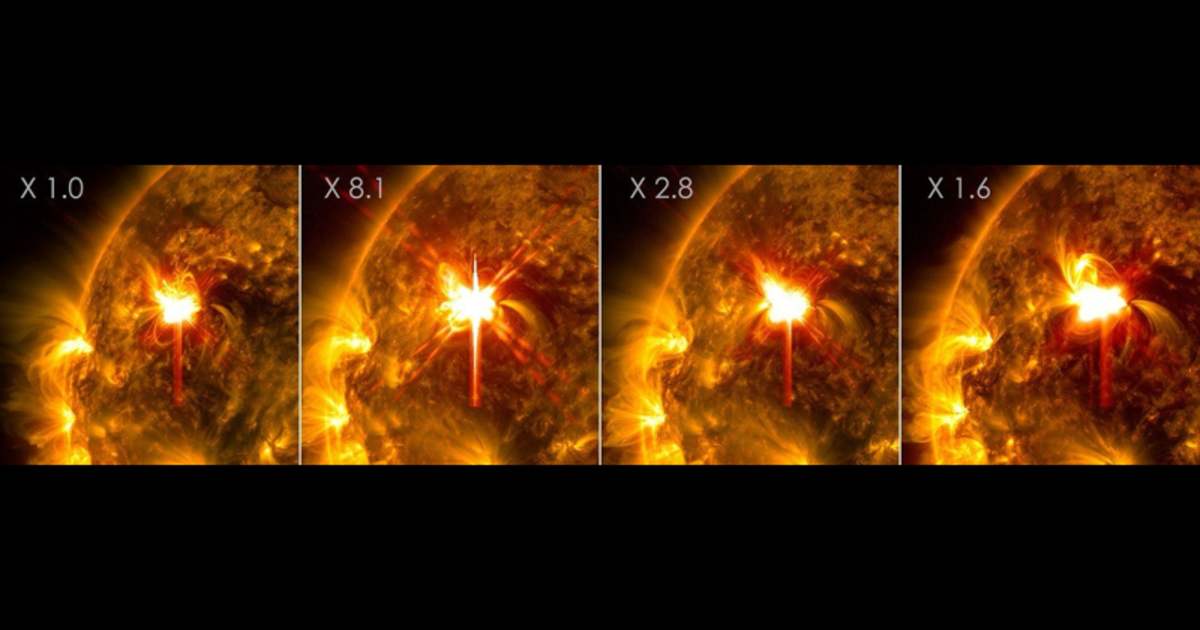
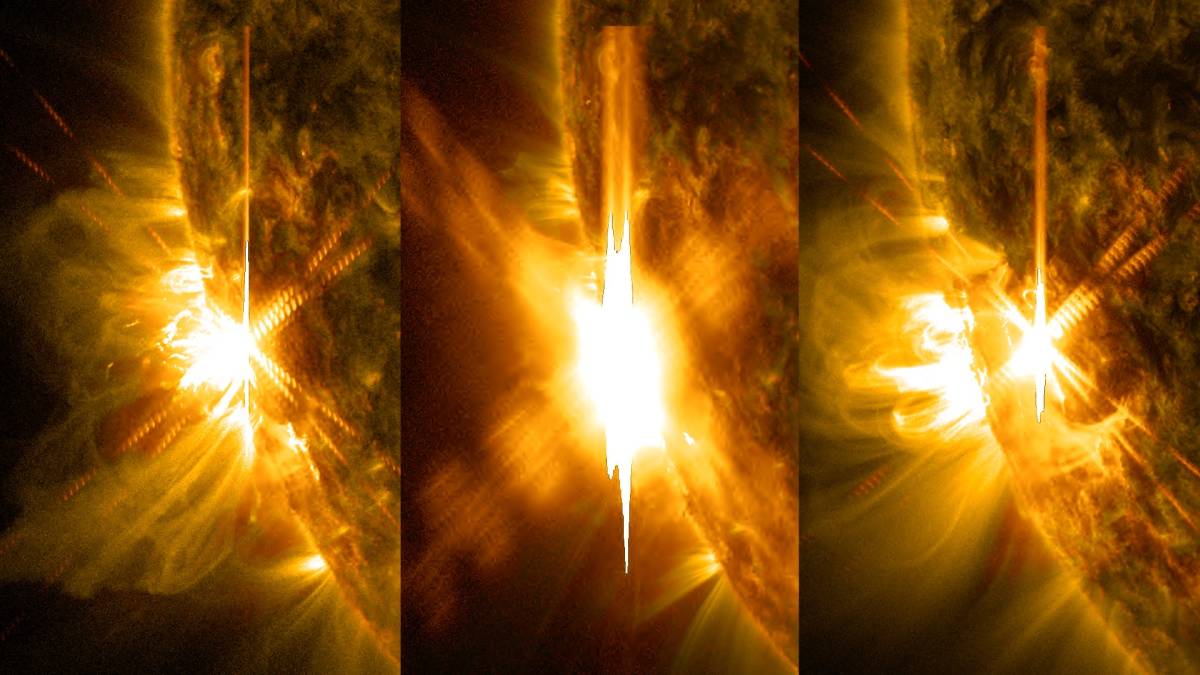
Dr. Herrera: Solar flares are sudden bursts of energy caused by complex magnetic interactions in the Sun’s atmosphere, known as magnetic reconnection. These flares are among the most energetic releases of magnetic energy in the solar system. The GOES satellite network, operated by NASA and NOAA, monitors these flares in two X-ray bands: hard X-ray (HXR) and soft X-ray (SXR). Flares emitting SXR are categorized into four classes, depending on their peak energy. Each of these classes has 10 levels, with the X10 solar flare class being the highest. Among all solar flares, superflares (greater than X10) are the most powerful events observed. They are relatively rare but carry enormous implications for both basic solar physics and space weather forecasting, including potential impacts on satellites, astronauts, and critical technologies in space and on Earth. We focus on such superflares (above X10) because they are the ones that pose an existential risk to astronauts. But understanding all flares, including superflares helps us see the full picture. This allows space agencies to plan missions more safely, anticipate high-risk periods, and implement protective measures for crews beyond Earth’s magnetic field.

Starlust: Your study predicts solar superflares to follow a pattern — a 1.7-year cycle and a 7-year cycle that work together. How will this help current and future moon missions?
Dr. Herrera: Major solar eruptions have been recorded both directly and indirectly. The most famous and well-documented historical example is the Carrington Event of 1859, named after English astronomer Richard Carrington, who observed and documented the violent solar flare. Studying superflares on other Sun-like stars is important, but our Sun is unique. The Apollo missions were fortunate to operate under favorable space weather conditions. Today, humanity’s return to the Moon must be supported by the latest advances in space weather science and technology. Our results indicate that similarly favorable conditions, like those during the Apollo era, are expected to start around 2030. In crewed missions, even minor factors on Earth can be enough to reschedule a launch. Returning humans to the Moon is likely the greatest scientific and technological challenge of this century, and the priority must be to plan a program with the highest probability of success. Of course, the final decision rests with NASA. Before 2030, we have already identified favorable windows based on the constructive alignment of the positive phases of the 7- and 1.7-year solar oscillations.
Starlust: Where does your research stand and how can it help predict space weather and avert disasters on Earth?
Dr. Herrera: It is essential to be prepared for super solar explosions because the problem is that all the technology we rely on, the internet, smart devices, satellites, and even quantum computers, would be rendered obsolete by a Carrington-type event. These solar explosions are essentially technology killers. In this context, we are in a race against time. It is necessary to train new generations of experts who can, in turn, develop new technologies capable of surviving a Carrington-level event. This remains the greatest challenge in space weather today. Our model represents a first step, and it will certainly not be the last. Each space agency can adapt it to its own plans and human spaceflight programs. This is a paradigm shift in space mission planning, supported by over two decades of solar activity forecasting experience, and we are open to international cooperation. Lunar exploration is no different. It is not about delaying the return to the Moon, but about choosing the safest periods with the lowest likelihood of severe solar events. Our work provides information to plan missions responsibly, increasing their chances of success.
Dr. Herrera believes that their research is grounded in the celestial wisdom of the Maya and Aztec civilizations – ancient cultures whose observations of the sky guided societies for centuries. NASA is a sovereign institution, fully autonomous in its decisions, and Dr. Herrera's team deeply respects its operational and technical independence. However, the superflares they anticipate are of such magnitude that even the most advanced engineering may be insufficient. Their goal is not to alarm, but to prevent a tragedy akin to the Challenger disaster — to ensure that space exploration continues as a triumph of knowledge, foresight, and responsibility, rather than a lesson written in loss.
More on Starlust
40 years of data reveal how the Sun's internal structure behaves in its quieter phases
New findings suggest solar storms are taking a toll on Starlink, and SpaceX is racing to keep up