40 years of data reveal how the Sun's internal structure behaves in its quieter phases
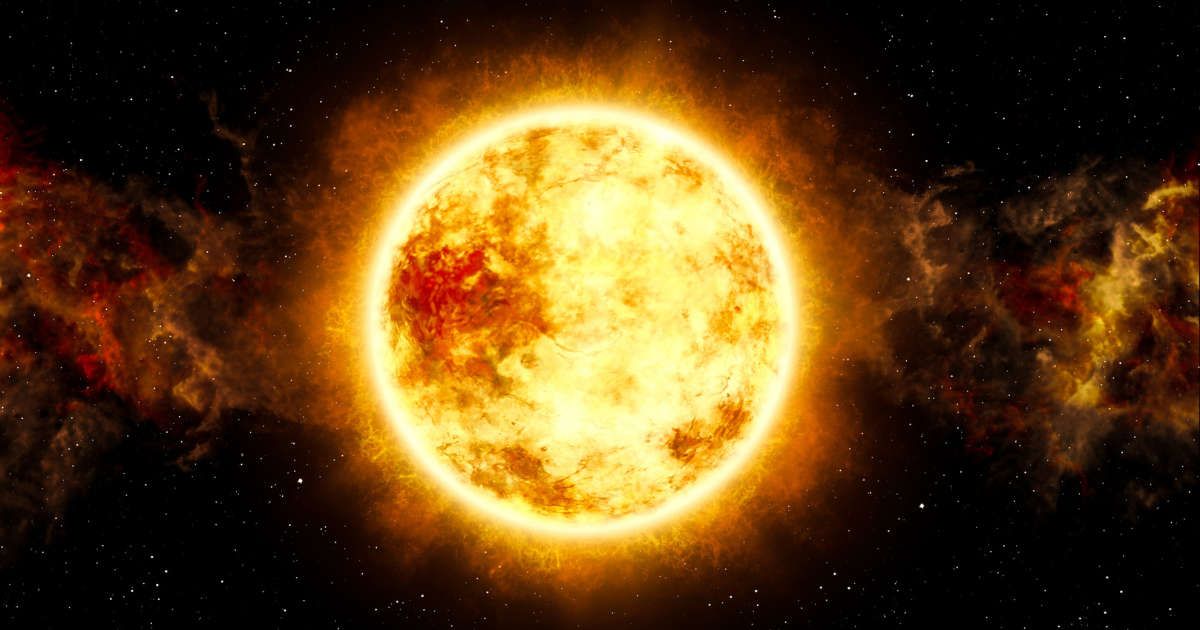
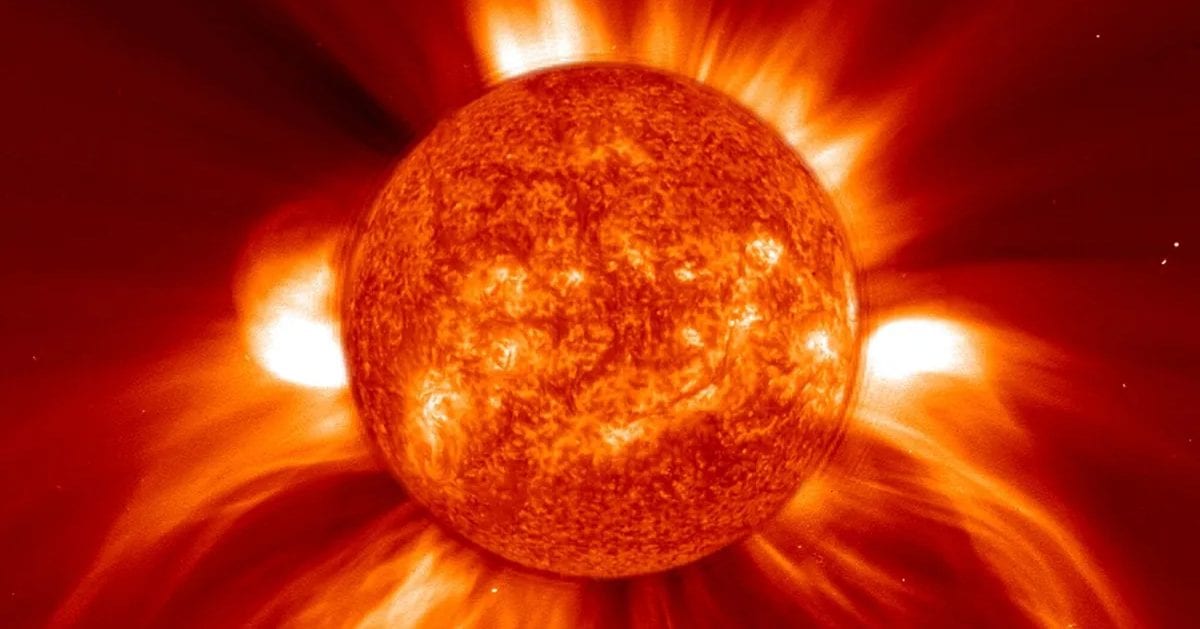
The Sun displays delicate changes in its internal structures even during its quieter phases of life, known as solar minima, new research has revealed. The research, conducted by astronomers at the University of Birmingham and Yale University, has uncovered that weakened solar magnetic activity during minima shows small differences from one minimum to another, producing detectable changes inside the Sun. "For the first time, we've been able to clearly quantify how the Sun's internal structure shifts from one cycle, minimum, to the next,” said co-author and professor William J. Chaplin at the University of Birmingham in a statement. “The Sun's outer layers subtly change across activity cycles, and we found that deep quiet minima can leave a measurable internal fingerprint." Chaplin and his colleagues have published their findings in the Monthly Notices of the Royal Astronomical Society.
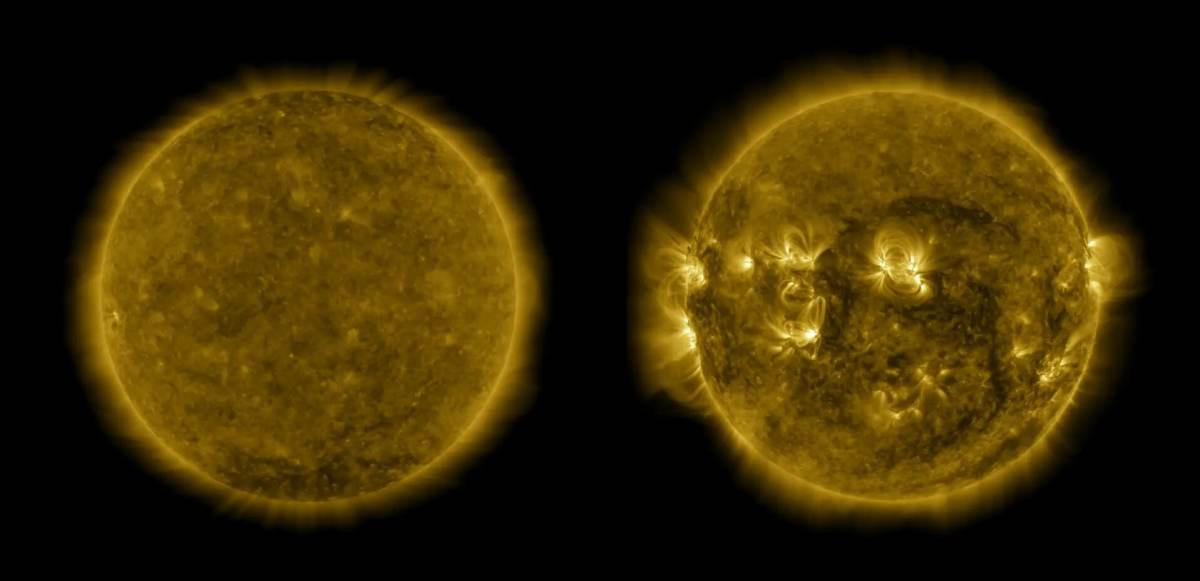
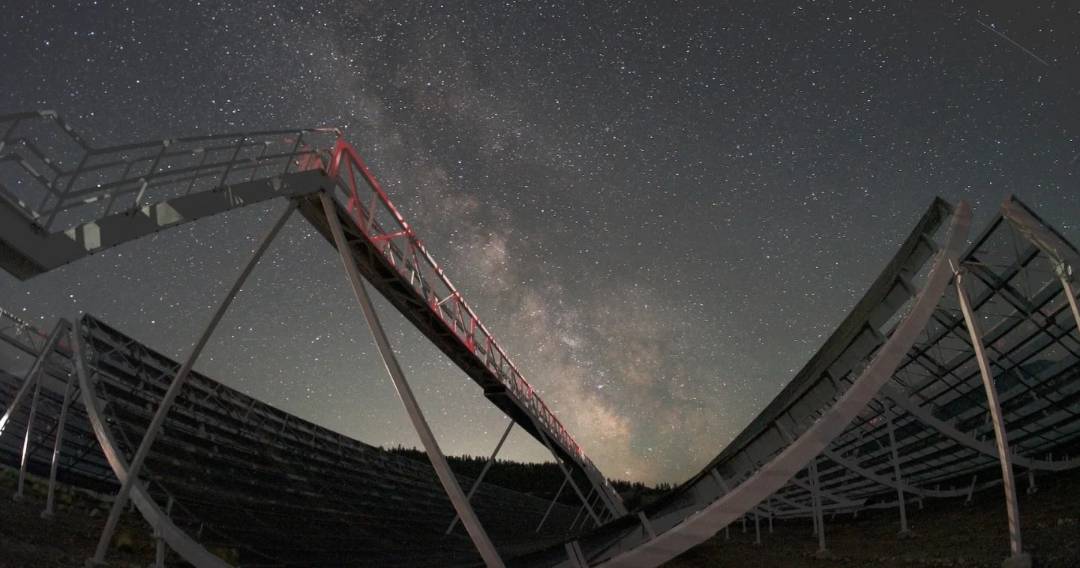
Solar minima are periods of lull in the Sun’s magnetic activity with fewer sunspots and flares. Occurring between two 11-year cycles of heightened solar activity, such dormant periods are important to predict the nature of the following cycle of solar activity. To better understand these quieter phases, the researchers analyzed more than 40 years of astronomical data to probe what happens deeper into the Sun’s interior during the four minima between solar cycles 21 and 25. For this analysis, the team heavily relied on the observational data of six telescopes, which are scattered around the globe and known as the Birmingham Solar-Oscillations Network (BiSON). They closely monitored tiny vibrations that sweep through the Sun.
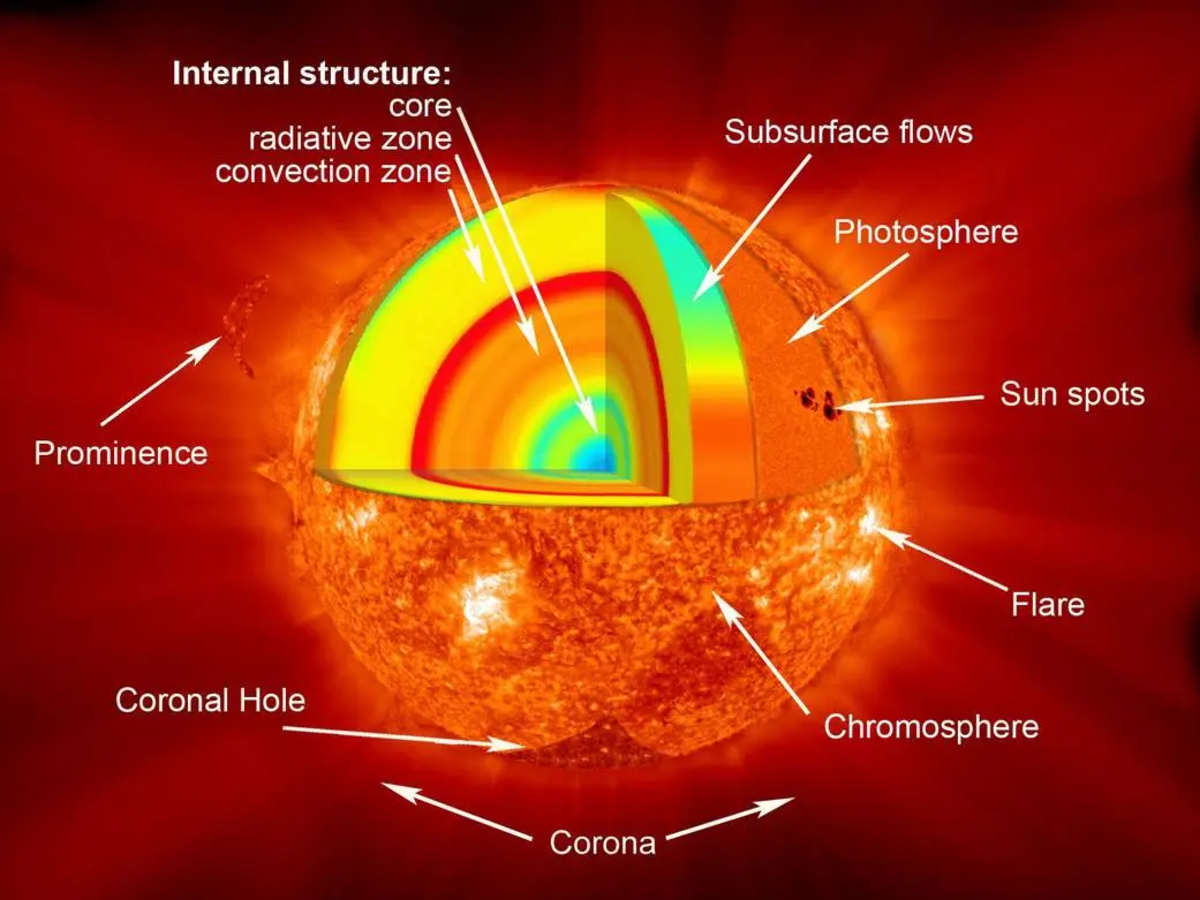
Formed by trapped sound waves, these vibrations cause the star to oscillate gently. While tracking vibrations, Chaplin and his peers looked for sound wave 'glitches' created when helium becomes doubly ionized close to the surface of the Sun and changes in sound speed, all the while comparing their observations against predictions made by solar models based on slightly different conditions. The helium glitch was found to be considerably larger during the minimum in 2008/2009, between cycles 23 and 24, than the other minima. This indicates a significant internal structural difference.

With increasing gas pressure and temperatures in its outer layers, the Sun exhibited lower magnetic fields. The team thinks that these findings provide an inside-out view of the quieter Sun. "Revealing how the sun behaves beneath its surface during these quiet periods is significant because this behavior has a strong bearing on how the activity levels build up in the cycles that follow," said lead author and professor Sarbani Basu from Yale University. The Sun’s activity affects space weather. Its wind laden with energetic particles escapes into interplanetary space, causing radio communication blackouts, GPS errors, and power-grid disruptions.
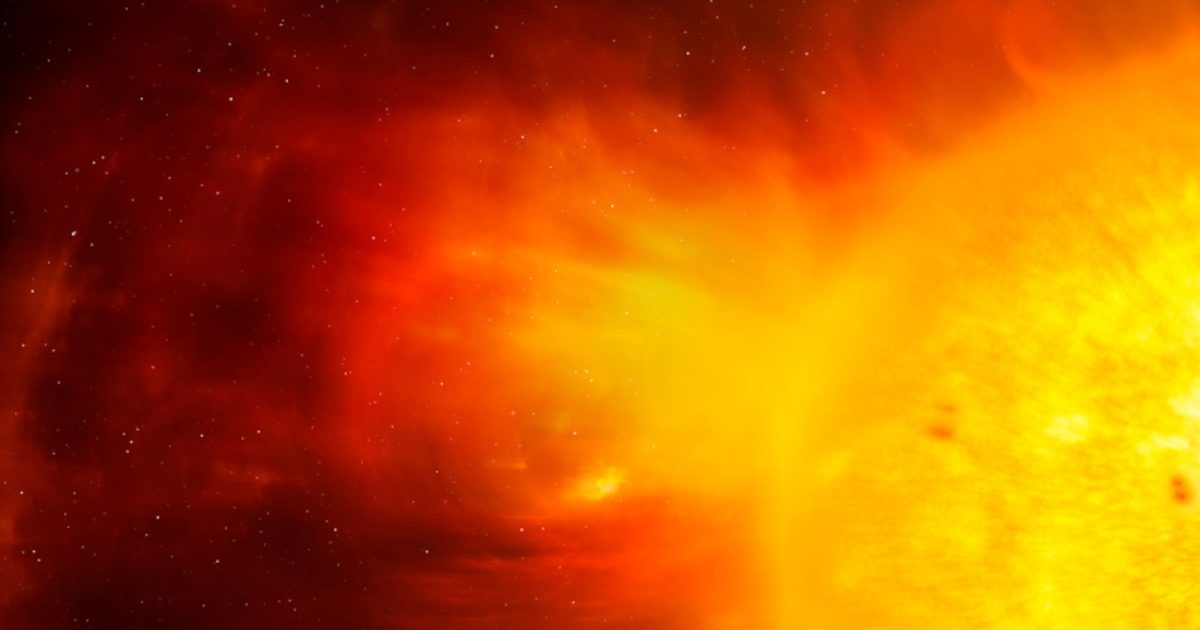
Long-term seismic data can help better understand the Sun and may help avert such disasters. "Our work demonstrates the power of long-term stellar seismic observations,” Chaplin added. “With upcoming missions such as the European Space Agency's PLATO, the techniques used in this study could be applied to other sun-like stars, helping us to better understand how their activity changes and how they influence their local environments, including any planets they may host."
More on Starlust
Dangerous solar storms can now be predicted up to two years in advance, thanks to new study
What will happen when the solar activity declines in the descending phase of Solar Cycle 25?