NASA's Hubble finds comet that stopped spinning and started again in the opposite direction

NASA has, for the first time, found evidence of a comet reversing its spin after slowing down. The agency recently reported that scientists using the Hubble Space Telescope discovered a comet's spin slowed down and then sped up in the near-opposite direction. The comet in question is 41P/Tuttle–Giacobini–Kresak, first observed in March 2017 when it was spinning three times faster than it was in May 2017. Then, using Hubble observations from December that year, it was found to be spinning several times faster, albeit in the opposite direction as it approached the Sun.
The findings of the study of this 0.6-mile-wide comet were published on March 26, 2026. It was deduced that the spin of Comet 41/P had altered due to the sublimating gases shooting off its surface, acting like thrusters on a spacecraft. Its small size renders it susceptible to such a phenomenon, where venting gases can provide a large enough torque to a body.
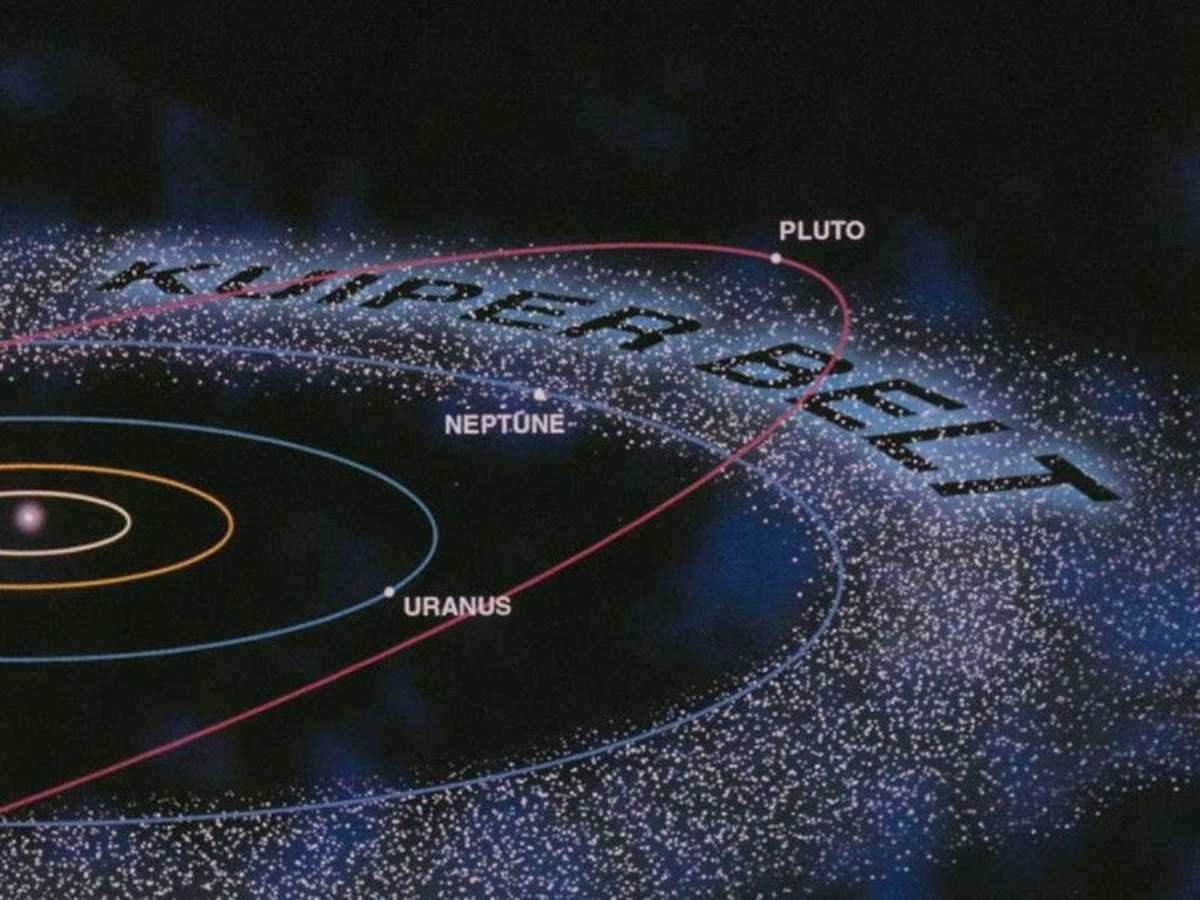
41P likely originated in the Kuiper Belt, a collection of icy bodies beyond Neptune's orbit. The comet was then flung into its current trajectory by Jupiter’s gravity, now visiting our inner solar system every 5.4 years. Find out more: https://t.co/JNyI3KqyKJ pic.twitter.com/9YSZvTqJHL
— Hubble (@NASAHubble) March 26, 2026
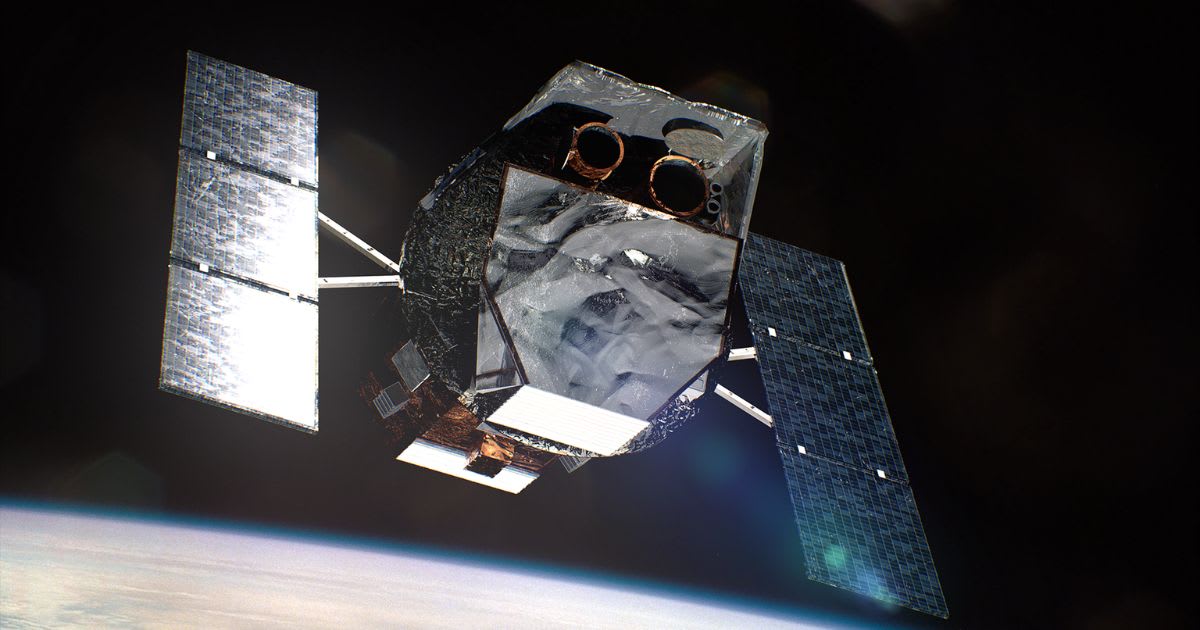
The March 2017 observation was made by the Discovery Channel Telescope at Lowell Observatory in Arizona, and the Neil Gehrels Swift Observatory noticed its slower spin period of over 46 hours (up to 60 hours). The Hubble images from December 2017 showed a spin period of just 14 hours.
Because the comet is venting off gases that are part of its constituent matter, it is likely to spin faster, and possibly even disintegrate. David Jewitt of the University of California in Los Angeles remarked, "I expect this nucleus will very quickly self-destruct." That said, the comet, having already seen a lot of its frozen gases sublimate over repeated perihelion passages of the Sun every 5.4 years, shows less activity. Compared with data from 2001, Jewitt said the extent of its sublimating gases is becoming subdued. So far, observations span a reduction of about one order of magnitude.

Such rapid evolution of a comet is known to be rare, with these bodies usually displaying such changing characteristics over a significantly longer period than human lives. Comet 41/P is understood to have been around for more than 1500 years, though, and likely originated in the Kuiper Belt. It was flung into its current trajectory by Jupiter's orbit.
This study is an example of astronomers scouring through historical data rather than making use of new observations. Because of the extensive nature of the data collected by the Hubble Space Telescope and other orbiting observatories, blind spots likely exist. David Jewitt made use of the repository known as Mikulski Archive for Space Telescopes to spot this intriguing piece of information that hadn't been explored in-depth about said comet. 41/P is just one of many comets being studied from Earth. Because of the brilliance of their gaseous coma and regular visits every few years, they have always been a subject of historical folklore. However, with leaps in technology being made by the likes of the James Webb Space Telescope and the upcoming Roman Space Telescope, modern-day passages like that of 3I/ATLAS can provide clues into our solar system's make-up.
More on Starlust
NASA's James Webb teams up with Hubble to image Saturn's atmosphere in unprecedented detail
Hubble Telescope accidentally captures comet C/2025 K1 (ATLAS) breaking up after perihelion