Mission accomplished: ISRO successfully launches next-gen navigation satellite aboard GSLV rocket
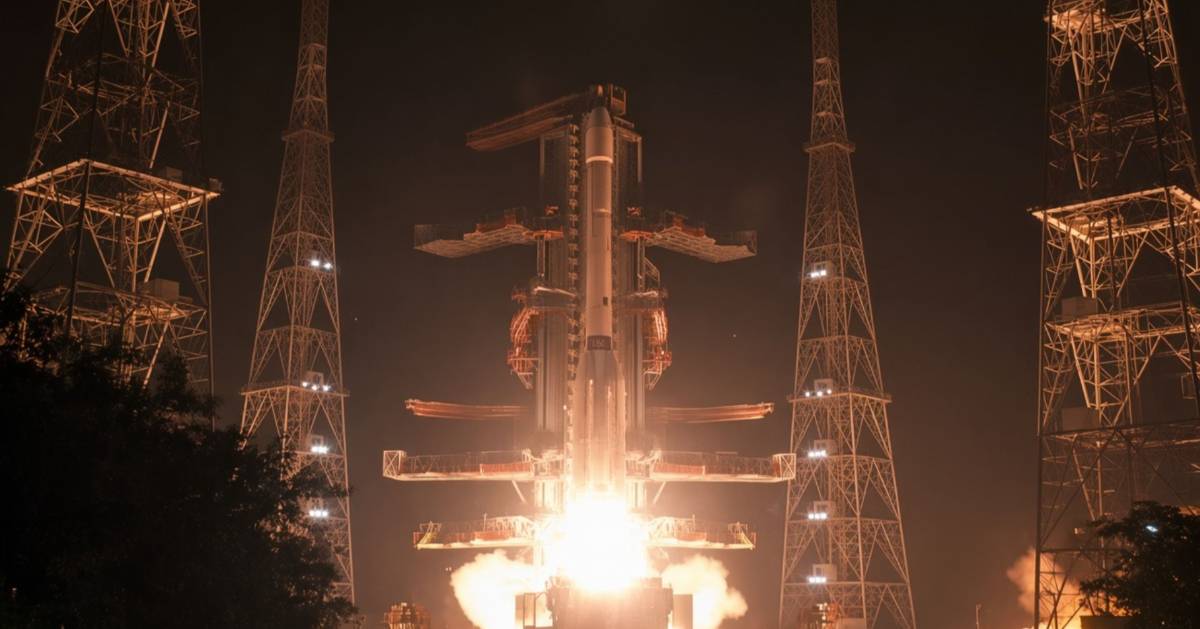
ISRO has finally launched its navigation satellite, completing its second successful mission of 2026. The NVS-03 satellite lifted off aboard the GSLV-F18 rocket at 2:21 pm EDT (11:51 pm IST) on October 30 from the Satish Dhawan Space Center in Sriharikota and was injected into a 105.82 miles x 23,661.66 miles (170.3 km x 38,080 km) orbit. On October 31, ISRO said that the first orbit maneuver using the satellite’s thruster was performed for 36 minutes and 15 seconds which changed its orbit to 3,403.58 miles x 23,502.6 miles (5477.6 km x 37833.4 km). “Further, in the coming days, orbit manoeuvres are planned to eventually place NVS-03 in GSO (geosynchronous orbit),” ISRO said in a statement.
GSLV-F18/NVS-03 Mission: Watch highlights of the journey from lift-off to spacecraft separation. Mission details: https://t.co/wtZ6TmjUhc #GSLVF18 #NVS03 #ISRO #NavIC https://t.co/wstykeeMK9
— ISRO (@isro) October 31, 2026
The NVS-03 is the third satellite in next generation navigation satellite system that will replace the defunct satellites in India's indigenous Navigation with Indian Constellation (NavIC) constellation, and strengthen the nation's positioning, navigation and timing capabilities across the country and beyond. According to ISRO, the satellite is designed to provide services to users in India as well as the region extending about 932 miles (1500 km) beyond the Indian landmass.
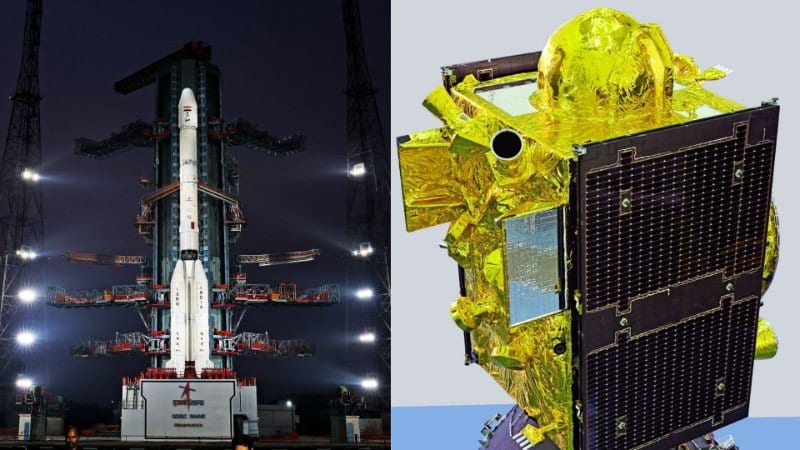
With NVS-03, ISRO has launched the third mission with these next-gen satellites. It also marked the 20th flight of the three-stage GLSV rocket which has the capacity to transport up to approximately 4,960 pounds (2,250 kg) to a geosynchronous transfer orbit and 13,227 pounds (6,000 kg) to low-Earth orbit. Following the successful launch, ISRO chairman V Narayanan said that the NavIC constellation now has the minimum satellites needed to restore its services.
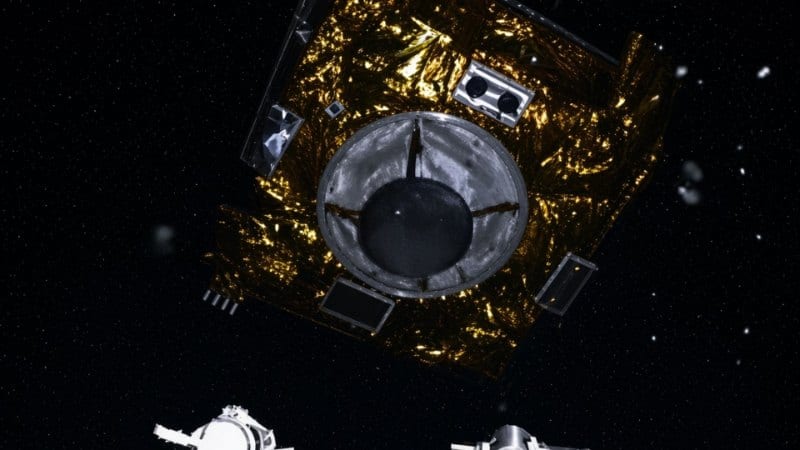
The successful launch of NVS-03 was celebrated across the country. Indian Prime Minister Narendra Modi congratulated the team at ISRO, highlighting the importance of the indigenous navigation system. “Congratulations to our scientists and engineers at ISRO on the successful launch of GSLV-F18 carrying NVS-03,” Modi posted on X. “This mission marks an important step in strengthening NavIC, our indigenous satellite navigation system. Equipped with enhanced capabilities, NVS-03 will further our pursuit of self-reliance in critical technologies and support navigation services that benefit our people.” Meanwhile, ISRO is planning to launch a few more NVS satellites (with NVS-04 and NVS-05 next) to revive the aging NavIC constellation.
More on Starlust
When will Starship Flight 15 launch? Possible date for SpaceX’s most ambitious flight test revealed
Artemis III major update: NASA mates 212-foot SLS rocket core stage with twin solid rocket boosters