Northern lights tonight: NOAA issues minor geomagnetic storm watch for parts of the northern US

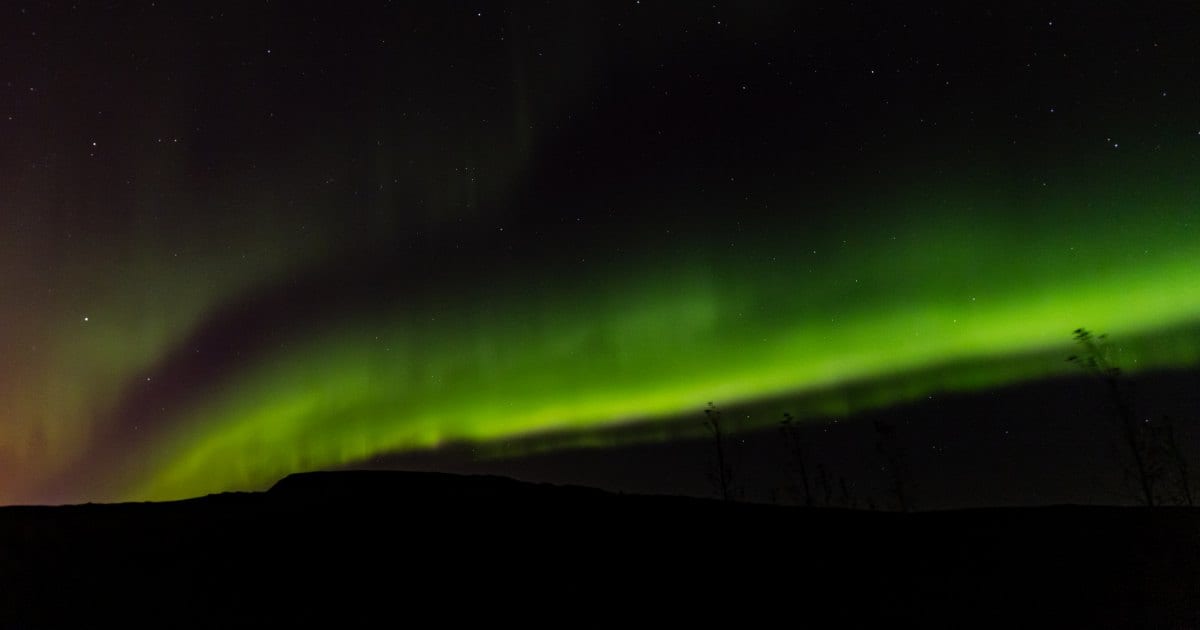
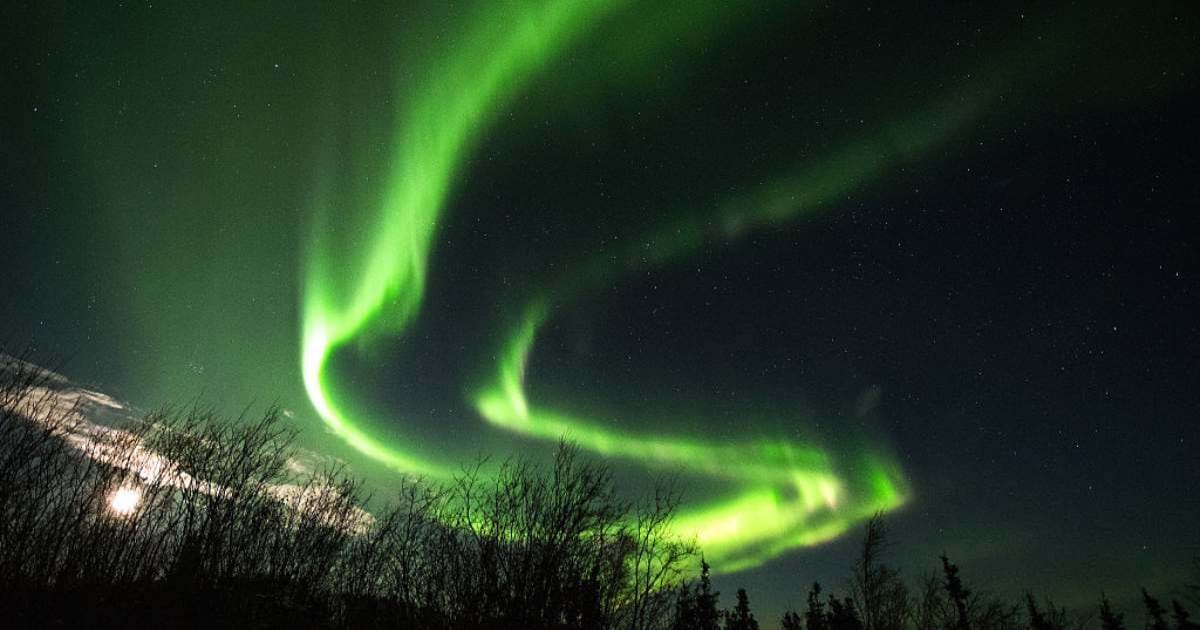
The National Oceanic and Atmospheric Administration's (NOAA) Space Weather Prediction Center (SWPC) issued a watch on July 22, 2026, predicting a G1-category geomagnetic storm. Forecasters project that the event will peak primarily on July 24, following a period of heightened activity during the previous evening. As a result, aurora sightings could occur in high-latitude regions in the US, north of 60 degrees latitude. This means residents across the northern portions of the country, including northern Michigan and Maine, may catch a glimpse of a moderate aurora as a result of the geomagnetic storm.
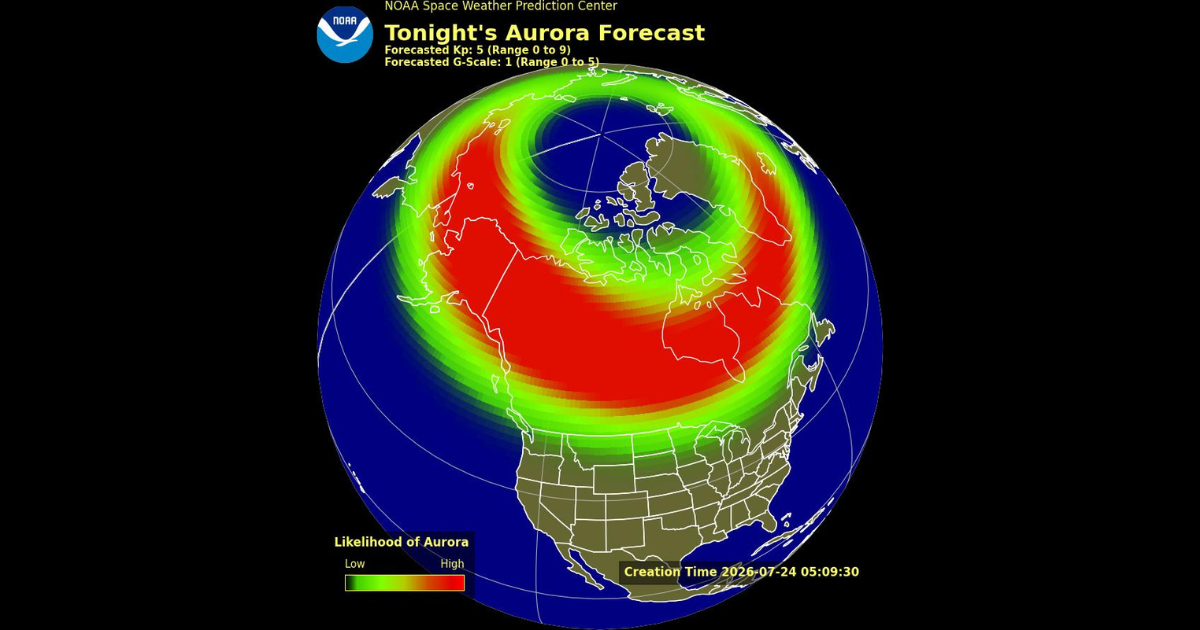
Over a three-day period until July 26, scientists anticipate the planetary disturbance index (known as Kp) to reach a maximum of 5.33 on a scale of 0 to 9, which corresponds to a minor storm—or a G1 classification. Storms associated with a Kp value of 8 or 9 are classified as G4 or G5 storms, which are the most severe and cause the most disruption. They also result in active or very active auroral displays, extending further south. This was the case earlier in the month, when aurora shows were on display accompanied by a moderate storm, and last month when G3 and G4 storms resulted in states like Nebraska, Iowa, Rhode Island, Vermont, New Hampshire, Connecticut, Illinois, Indiana, Massachusetts, Ohio, and Pennsylvania having high chances of aurora visibility.

Mechanism of Aurora
The visual output of geomagnetic storms relies on a complex interaction between solar emissions and Earth's magnetic field. The Sun is continuously streaming charged particles in all directions via the solar wind. Sometimes, they are also pushed towards our planet by coronal mass ejections (CMEs) that hurl tons of magnetized plasma Earth's way, which are expected to impact Earth on Friday as well. When these magnetized emissions strike the Earth's magnetosphere, bright displays of aurora occur in the sky, while a geomagnetic storm also takes place.
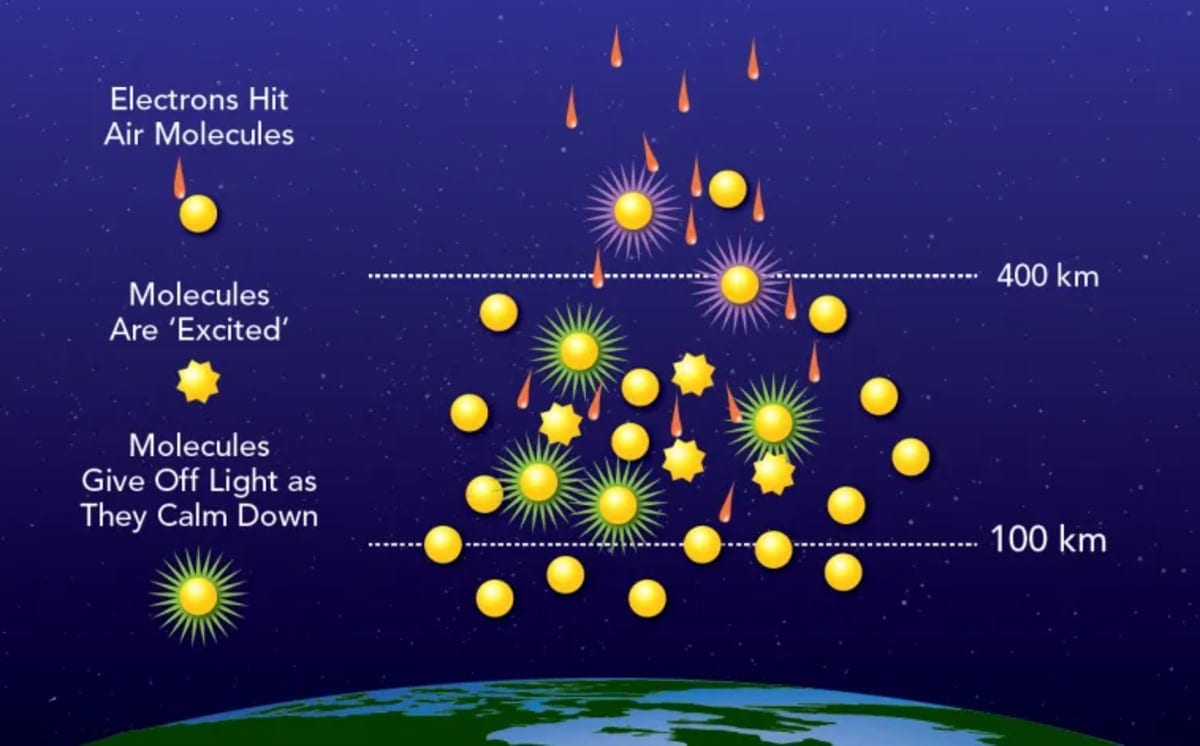
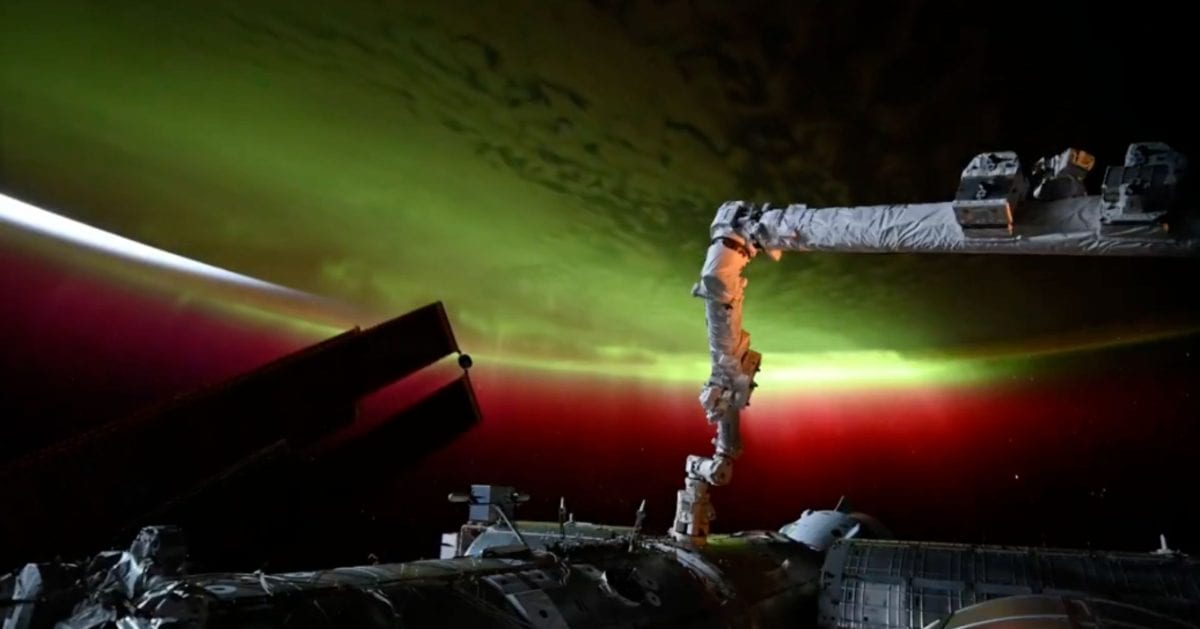
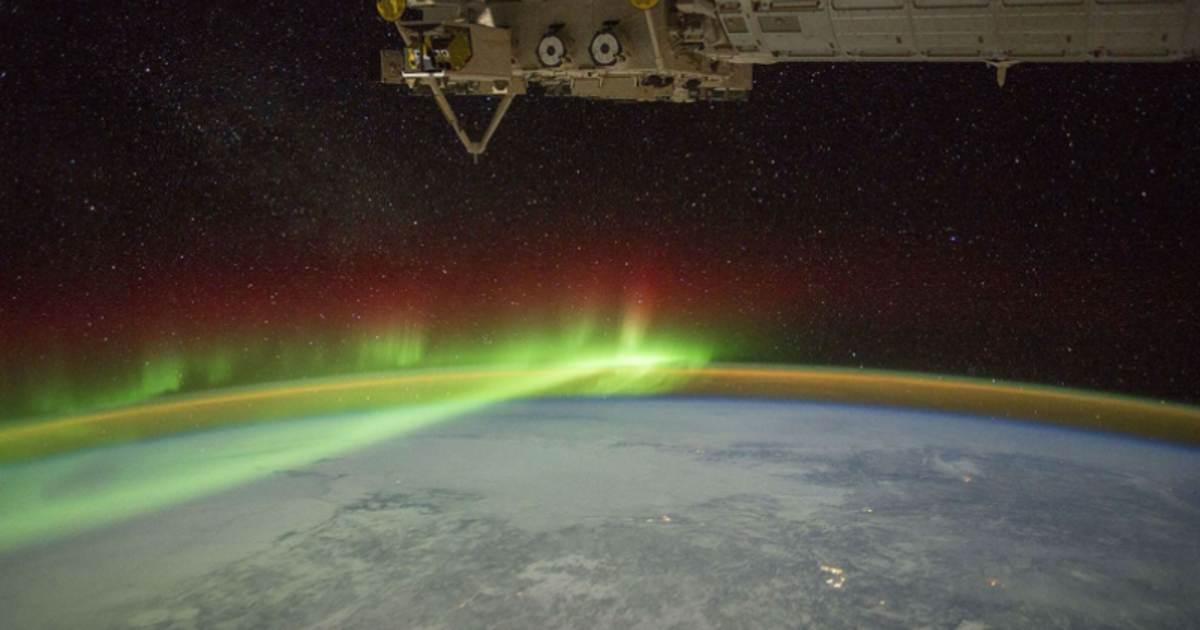
The resulting auroral displays are most intense when the magnetic field carried by the arriving emissions from the Sun directly opposes Earth's magnetic field. The opposing alignment creates temporary gaps in the planet's magnetic field and allows solar particles to pour into the upper atmosphere. Once inside, these energetic particles collide with gases like oxygen and nitrogen, and energy is released in the form of colorful light, creating the iconic phenomenon which is seen all over the solar system.
Disruptions from geomagnetic storm
The arrival of solar particles also alters the environment in the Earth's upper atmospheric layers, which overlap with the ionosphere. While the geomagnetic storm may cause power grid fluctuations and minor impacts to satellite operations, the highly active sunspots responsible for these CMEs pose a separate threat: solar flares. Unlike the slow-moving particles of a CME, solar flares emit intense bursts of X-rays that reach Earth in just eight minutes, ionizing the dayside atmosphere and causing immediate radio blackouts. For this reason, SWPC predicts that there is a 55 percent chance of an R1 (minor) or R2 (moderate) radio blackout on Friday, with a 10 percent chance of it being an R3 (strong) blackout.
More on Starlust:
Saturn's auroras are the reason why the planet appears to change its spin, new study finds