Saturn's largest moon, Titan, may have formed from the collision of two older moons, study finds
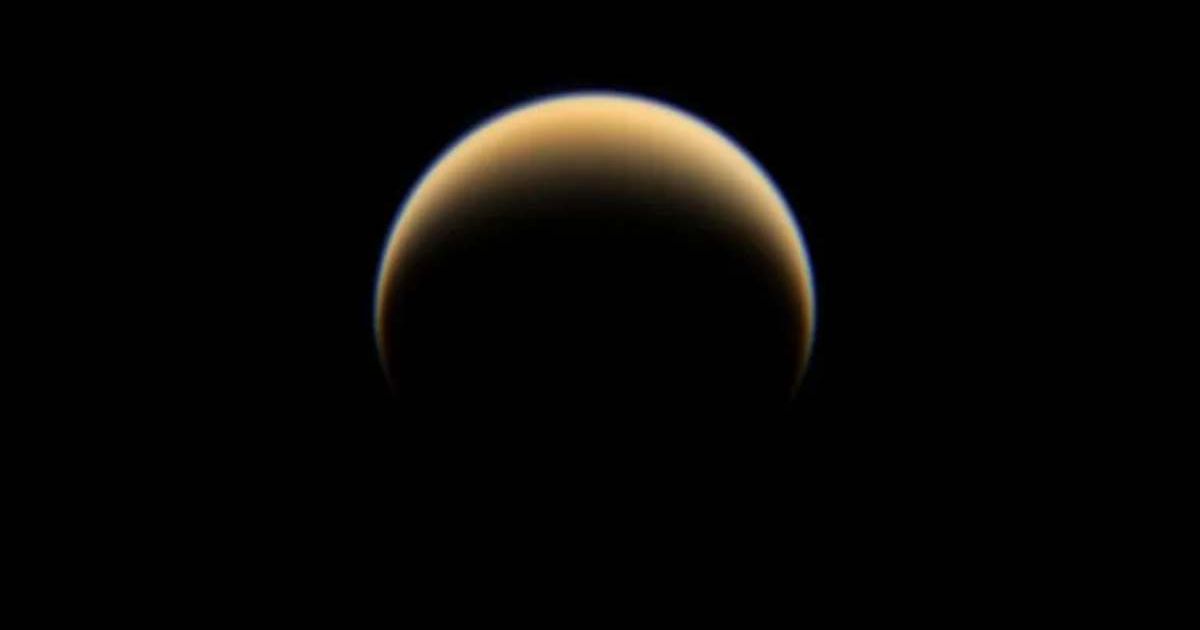
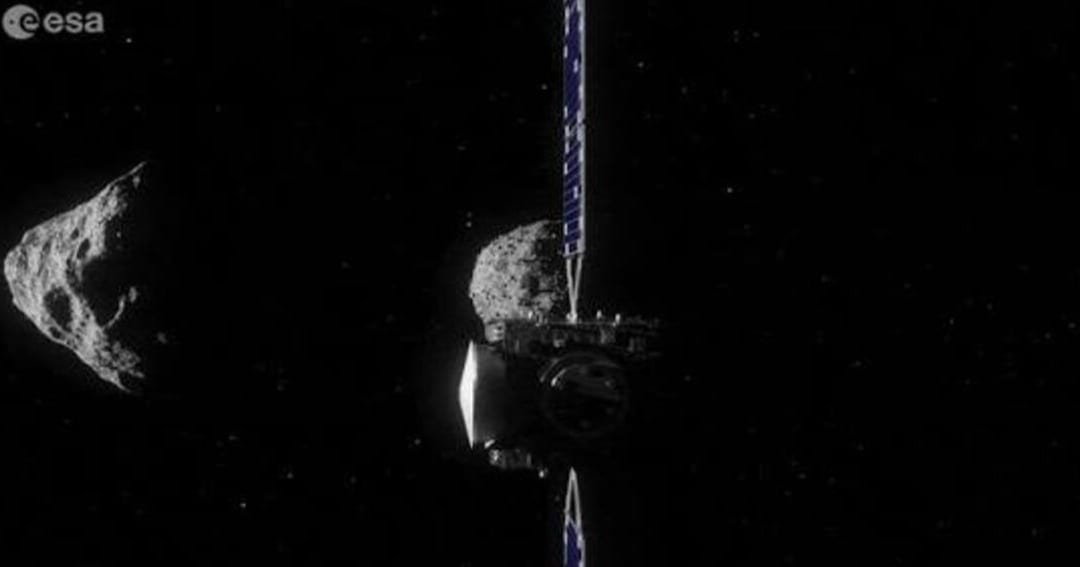
New research, published on arXiv, reveals that the bright rings of Saturn and its largest moon, Titan, may have formed through the collision among its moons. The researchers, led by Matija Cuk at the SETI Institute, used computer simulations and concluded that an extra moon collided with Titan. The planetary debris released from this collision later formed the strange moon Hyperion. The merger also altered Titan’s orbit, destabilizing inner moons that triggered further collisions, drawing materials inward to create Saturn’s rings about 100 million years ago. In a single stroke, the simulations offer solutions to long-standing puzzles, including Titan’s unusual orbit, its lack of impact craters, and the young age of the rings.
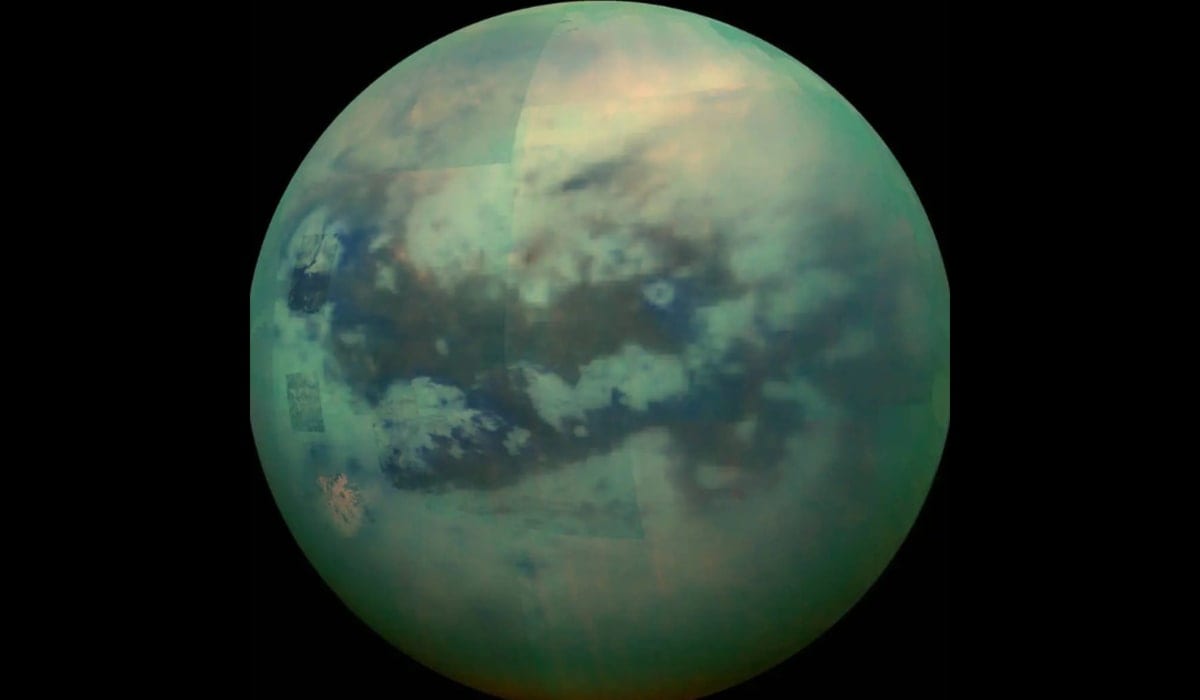
“Hyperion, the smallest among Saturn’s major moons, provided us the most important clue about the history of the system,” said Cuk in a statement released by the SETI Institute. “In simulations where the extra moon became unstable, Hyperion was often lost and survived only in rare cases. We recognized that the Titan-Hyperion lock is relatively young, only a few hundred million years old.” According to him, this was around the same time as when the extra moon disappeared. "If the extra moon merged with Titan, it would likely produce fragments near Titan’s orbit. That is exactly where Hyperion would have formed."
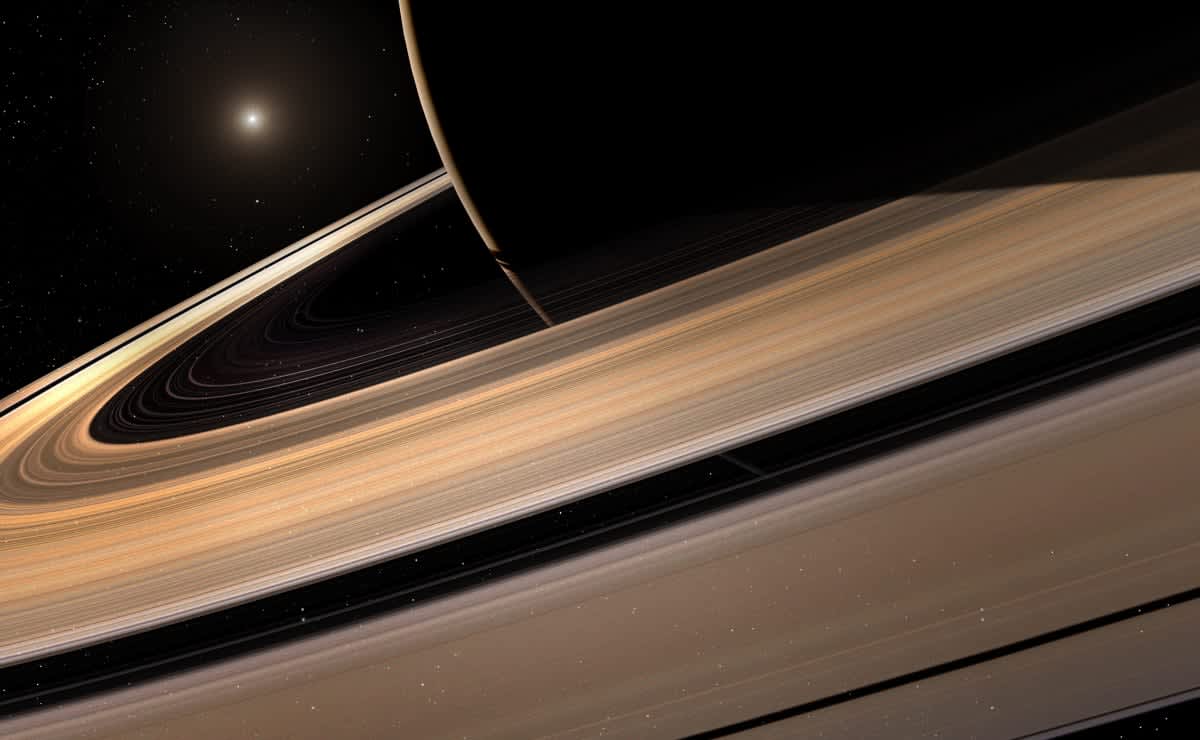
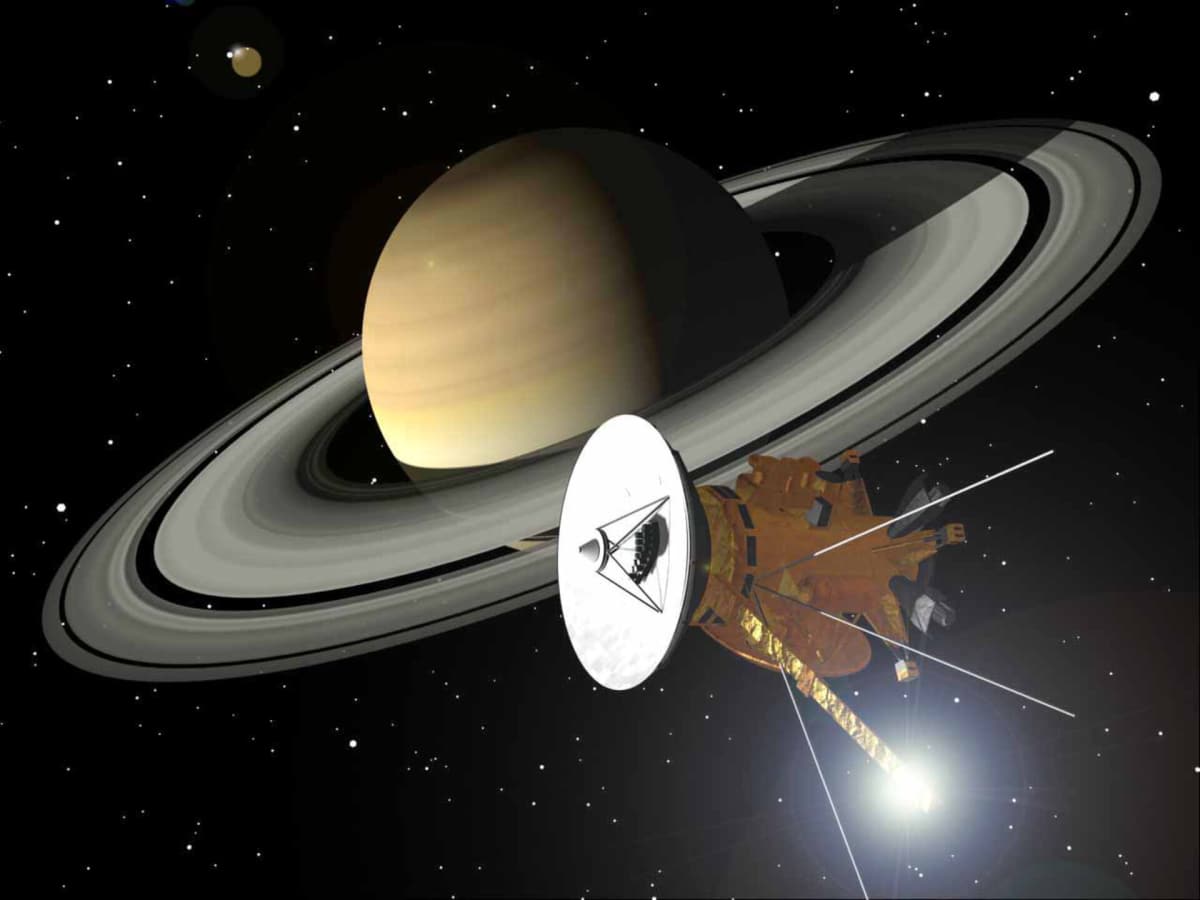
Hints of an extra moon surfaced in a previous study. The Cassini mission measured the internal mass distribution of Saturn. Such mass determines the planet’s slow spin-axis wobble, or precession. For many years, Saturn’s precession period was believed to match that of Neptune. However, during its final trajectory, Cassini detected that Saturn’s mass is more concentrated at its center. A team from MIT and UC Berkeley proclaimed that the gas giant might have had an extra moon that, after colliding with Saturn, broke up to form the rings. The simulations by the SETI team yield a new model that indicates that Titan formed from a merger of two earlier moons: a “Proto-Titan” as large as Titan and a smaller “Proto-Hyperion.” This merger could have wiped out most of the craters on Titan. In fact, Proto-Hyperion may have had a role to play in Titan's eccentric orbit becoming rounder. Before the merger, Titan may have resembled Jupiter’s moon Callisto, which is cratered and without an atmosphere.
As for where the rings of the planet came from, it was proposed by members of the SETI team over 10 years ago that the rings were debris from the collisions of medium-sized moons closer to the planet. Simulations from the University of Edinburgh and NASA Ames Research Center later supported this. The computer-based simulations debunk the theory that the Sun triggered the inner-moon collision. According to the statement by the SETI Institute, "Titan's eccentric orbit can destabilize inner moons when their periods are a fraction of Titan's—a situation known as orbital resonance, where orbits align, and gravitational influence increases. “The result for affected smaller moons could be catastrophic: their orbits elongate, sending them toward collisions with neighbors."
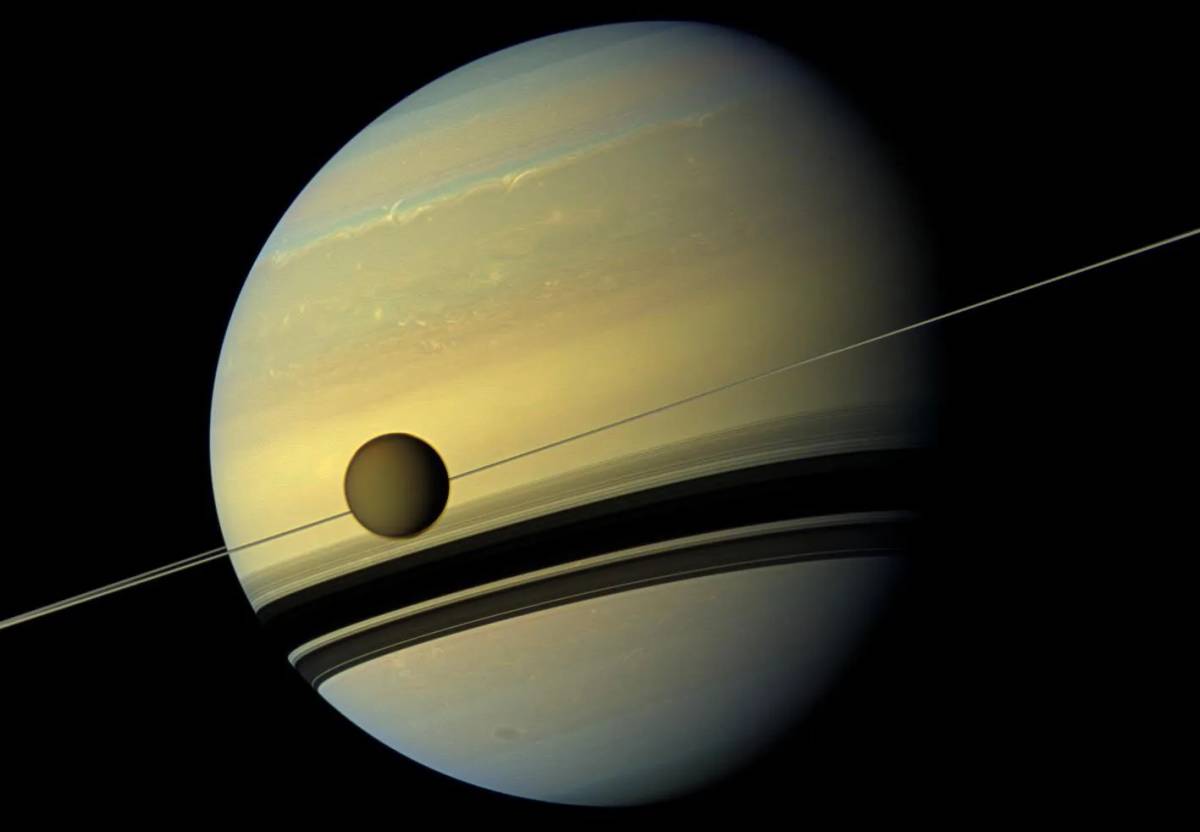
Scientists are yet to pin down when and how Titan’s eccentric orbit wreaked havoc on the other moons, but they guess it must have occurred after Titan’s merger. This hypothesis will be tested by NASA’s Dragonfly mission, which will arrive at Titan in 2034.
More on Starlust
Saturn's largest moon Titan to cast a shadow on the planet's face on September 3—how to watch