NASA Chief Isaacman backs Pluto’s return as planet, reigniting decades-old classification debate
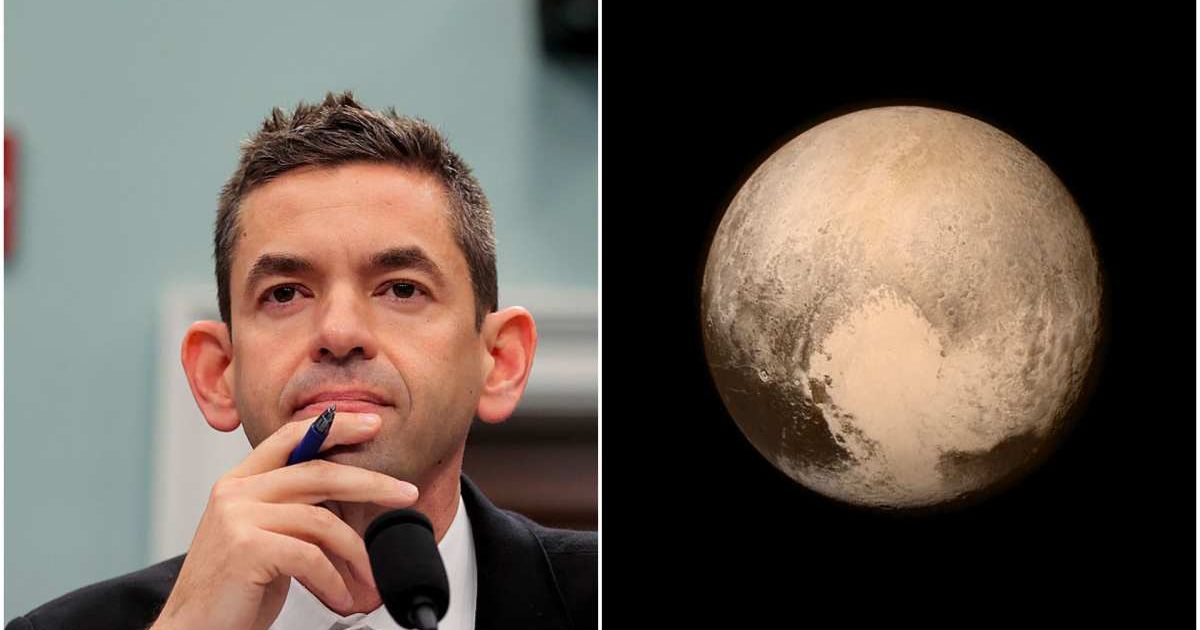
Ever since Pluto was stripped of its planetary status, the controversies have not stopped. As school children around the world had to revisit their solar system learnings, the little icy planet’s classification of being a ‘dwarf planet’ also hurt American sentiments. Why so? Well, as a matter of fact, Pluto was the sole planet to be discovered by an American. It was Clyde Tombaugh who made the find back in 1930. And now, a fellow countryman, NASA chief Jared Isaacman, is fighting hard to bring back the lost glory for Pluto.
Back in 2006, the International Astronomical Union (IAU) shocked the world with its statement. Denying Pluto its planetary status, the IAU classified it as a ‘dwarf planet.’ For twenty years now, the tension has been brewing. As the US billionaire private astronaut took over as the NASA chief in December 2025, the ploy to make Pluto a planet again gained significant traction. On April 28, 2026, the NASA chief testified in front of the US Senate Committee on Appropriations. While his main agenda was the White House’s budget request for 2027, Pluto, too, became a topic of some serious discussion.

As the hearing came to an end, Republican Senator Jerry Moran expressed his curiosity about where Isaacman stood on Pluto’s eliteness. Moran also stressed the fact that Tombaugh, who discovered the planet initially, was from his hometown, Kansas. Immediately, the NASA Administrator replied, “Senator, I am very much in the camp of 'make Pluto a planet again.'”

And that was not all. Isaacman also had more to add about his fight for Pluto. Reassuring the senator, the NASA chief said, “And I would say, we are doing some papers right now on, I think, a position that we would love to escalate through the scientific community to revisit this discussion and ensure that Clyde Tombaugh gets the credit he received once and rightfully deserves to receive again.” Now then, although this looks like a strong statement coming from NASA, they do not have a lot of leverage in the matter. After all, the only thing they can do is to escalate the matter. The final boss will be the IAU, an international society composed of professional astronomers who are responsible for defining the outer space objects and also naming them.

When the IAU took their call on Pluto, it was based on three primary criteria. In order to be classified as a planet, a celestial object has to orbit the Sun, must have a significant size with a prominent spherical shape, and clear its orbit of debris. Unfortunately, despite passing the first two criteria, Pluto failed to meet the third because it lies in the Kuiper Belt alongside other dwarf planets. However, some significant debates against their statements were made. Scientists advocating for Pluto pointed out that Earth and Jupiter, too, share their orbits with a lot of asteroids.
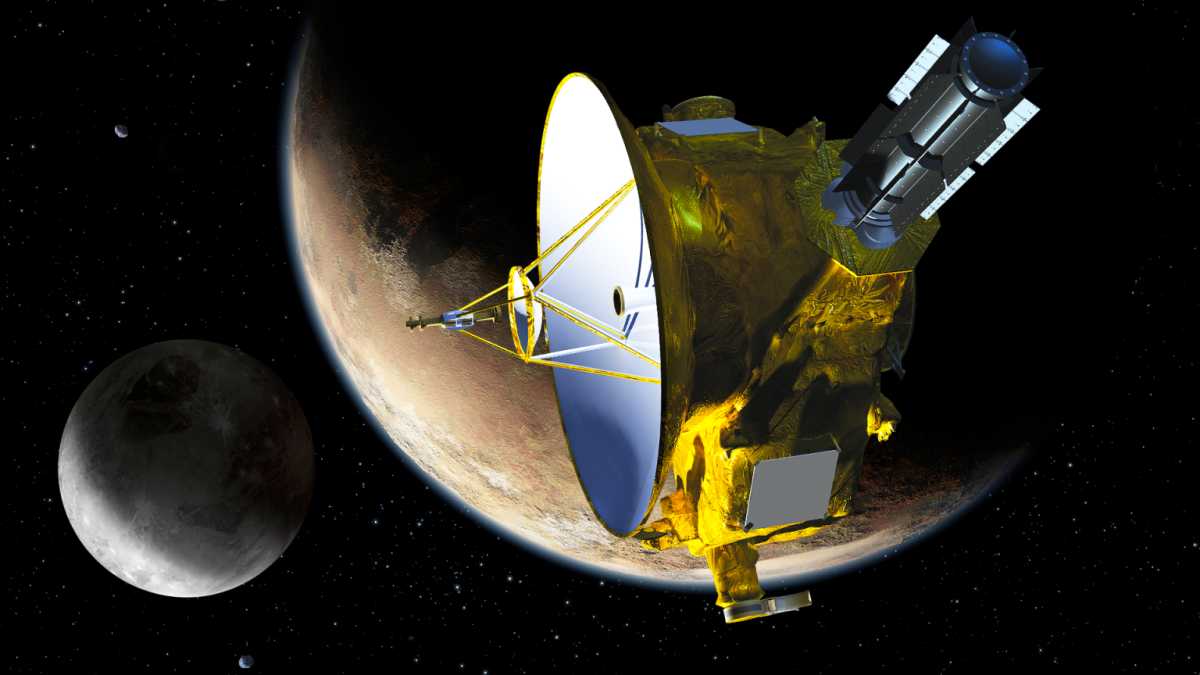
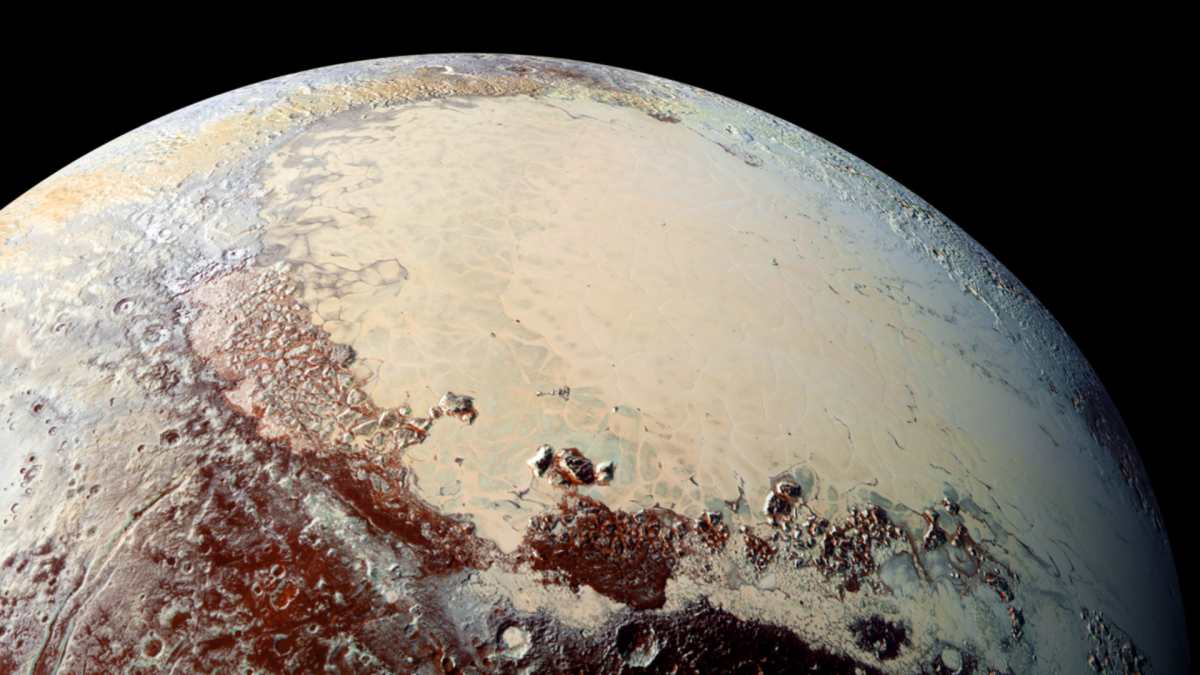
As the debates continued, the year 2015 came as a ray of hope for the Pluto advocates. That was when NASA's New Horizons spacecraft returned high-quality, close-up images of the icy dwarf planet, revealing mountainous regions and nitrogen-filled glaciers. The images also showed a heart-shaped landform, which was named the ‘Tombaugh Region.’ Unfortunately, none of this was enough to convince the IAU, and Pluto remained a dwarf. Now, with Isaacman taking up the matter with renewed vigor, it remains to be seen whether the glory days come back for Pluto.
More on Starlust
Our solar system is moving over 3 times faster than we thought—astronomers just figured out why
Astronomers unveil exceptionally powerful high-resolution spectrograph to find red dwarf planets