NASA and SpaceX launch 33rd commercial resupply mission to International Space Station
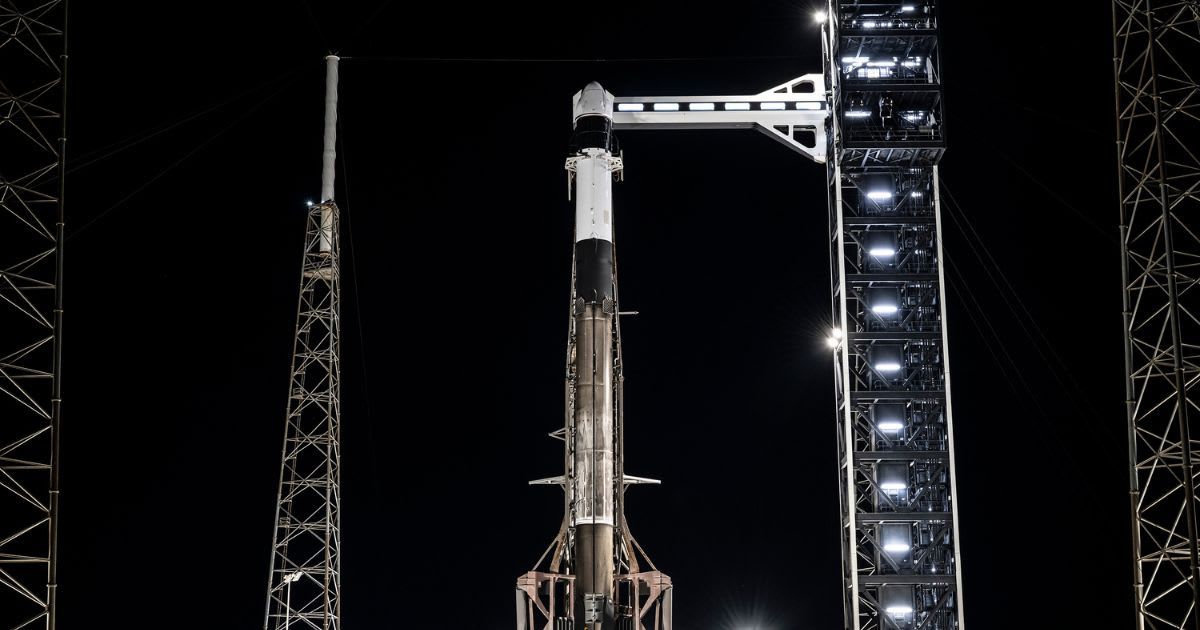
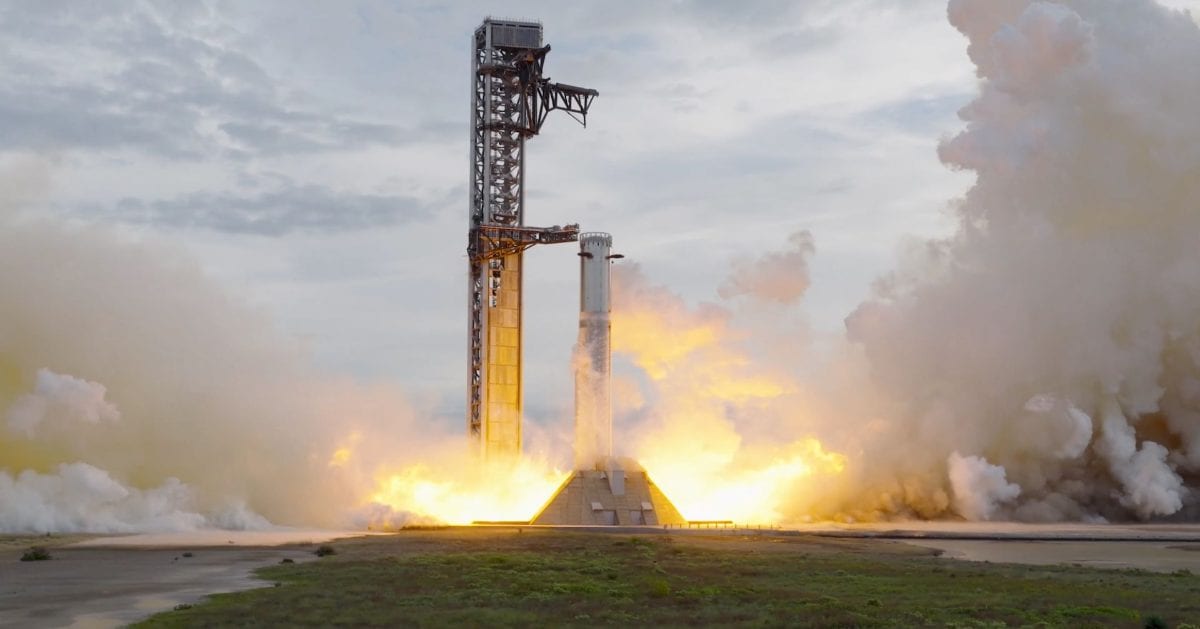
A SpaceX Falcon 9 rocket successfully launched its 33rd commercial resupply mission, carrying over 5,000 pounds of scientific experiments and supplies for the International Space Station. The launch took place at 2:45 a.m. EDT on Sunday, August 24, from Space Launch Complex 40 at Cape Canaveral Space Force Station in Florida, according to NASA.
LIVE: A new shipment of science and supplies is soon sailing to the @Space_Station!@SpaceX's 33rd commercial resupply mission to the station is scheduled to lift off at 2:45am ET (0645 UTC). https://t.co/CTt1HUTvcM
— NASA (@NASA) August 24, 2025
According to acting NASA Administrator Sean Duffy, the mission's cargo includes technology designed to support future deep-space exploration. "This flight will test 3D printing metal parts and bioprinting tissue in microgravity," Duffy stated, highlighting that such advancements could provide astronauts with tools and medical support on missions to the Moon and Mars. The Dragon spacecraft autonomously docked with the space station's Harmony module at approximately 7:30 a.m. on Monday.
Less than one hour until tonight’s launch of Dragon’s 33rd Commercial Resupply Services mission to the @Space_Station. All systems are looking good and teams are keeping an eye on the weather → https://t.co/oIsFFgYmNz pic.twitter.com/Dwb0LJ8bun
— SpaceX (@SpaceX) August 24, 2025
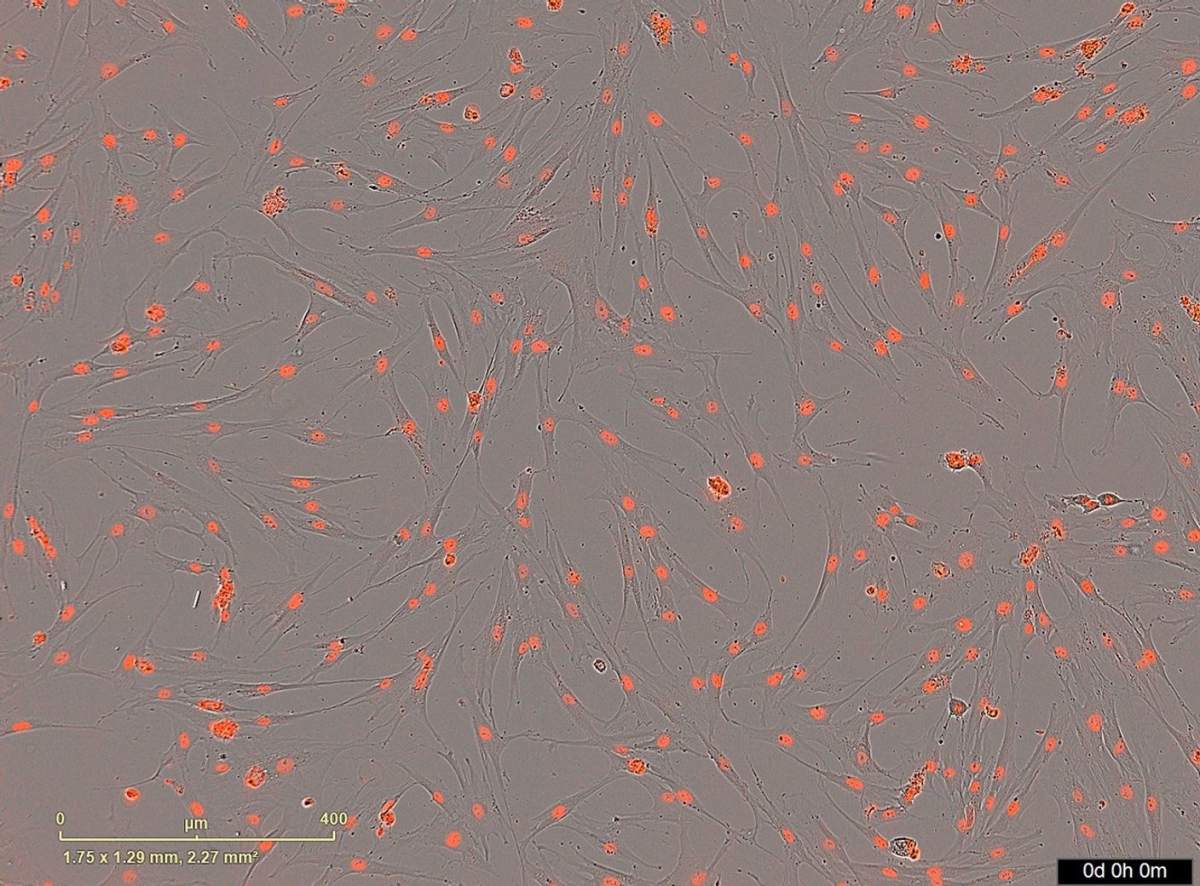
Among the key payloads is a new investigation focused on a significant health risk for astronauts: bone density loss. The experiment, known as Microgravity Associated Bone Loss-B (MABL-B), seeks to develop treatments for a condition that causes astronauts to lose up to 2% of their bone density each month in microgravity, despite intense exercise. While the exact cause of this rapid degradation remains unclear, previous research suggests microgravity alters the behavior of stem cells. The MABL-B study will investigate whether a specific protein, IL-6, is responsible for accelerating bone degradation. Earlier mission data showed that microgravity boosts the IL-6 signaling pathway, and this new experiment will test ways to block it.
On the space station, crew members will culture mesenchymal stem cells and other bone cells for 19 days. The samples will then be returned to Earth for analysis. The findings could pave the way for targeted therapies to protect astronauts on long-duration missions and lead to new treatments for millions of people on Earth suffering from osteoporosis and age-related bone loss.
In addition to the bone density research, the Dragon capsule is delivering a range of advanced technology for in-space manufacturing, as per NASA. The cargo includes bioprinted liver tissue to be studied for blood vessel development in microgravity, along with supplies to 3D print metal cubes. These experiments are part of hundreds of investigations covering biology, physical sciences, and Earth and space science that are regularly conducted on the orbiting laboratory. This research not only provides benefits for humanity on Earth but also supports NASA's Artemis campaign, which aims to send astronauts back to the Moon as a stepping stone for future human exploration of Mars.
The Dragon spacecraft will also perform a critical new task during its mission: a reboost demonstration to help maintain the station's altitude. The spacecraft's trunk contains a new independent propellant system and two Draco engines. This "boost kit" will be used to raise the station's orbit through a series of burns planned periodically throughout the fall of 2025. This capability was first successfully demonstrated by a Dragon spacecraft during NASA’s 31st commercial resupply mission in November 2024. The Dragon capsule is scheduled to remain at the space station until December. At that time, it will undock and return to Earth, splashing down off the coast of California with research and other cargo.