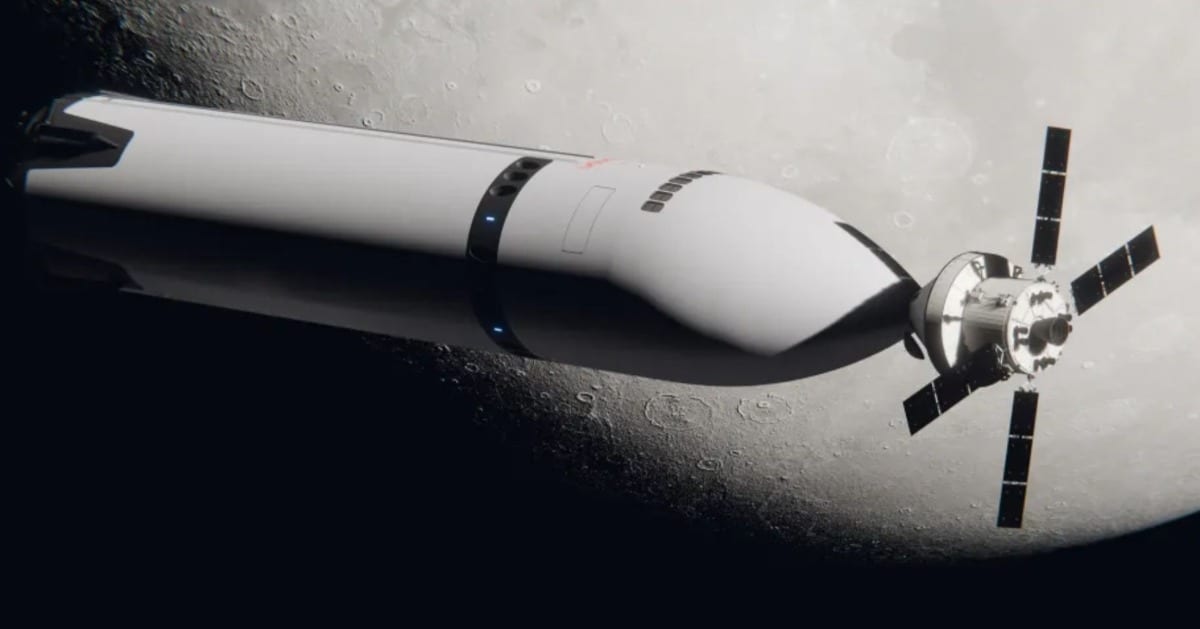
33rd SpaceX commercial resupply mission to launch with key bone health research
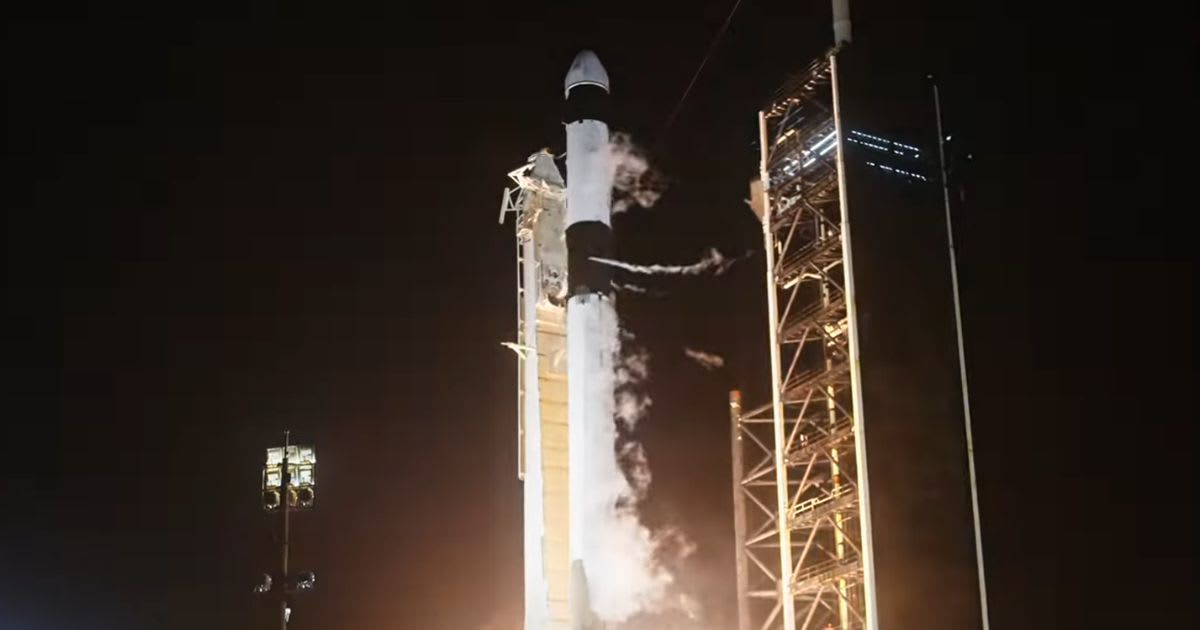
NASA and SpaceX are launching a new investigation to combat bone density loss in space, a major health concern for future deep-space missions. The SpaceX-33 commercial resupply mission will carry a groundbreaking experiment to the International Space Station (ISS), aiming to protect astronauts and advance treatments for conditions like osteoporosis on Earth, as per NASA.
Even with rigorous exercise, astronauts can lose up to 2% of their bone density each month in microgravity. While scientists understand how bones function on Earth, the exact cause of this rapid degradation in space remains a mystery. Previous station research has indicated that microgravity alters stem cell behavior and the substances they secrete. The new study, known as Microgravity Associated Bone Loss-B (MABL-B), will delve into these cellular changes.
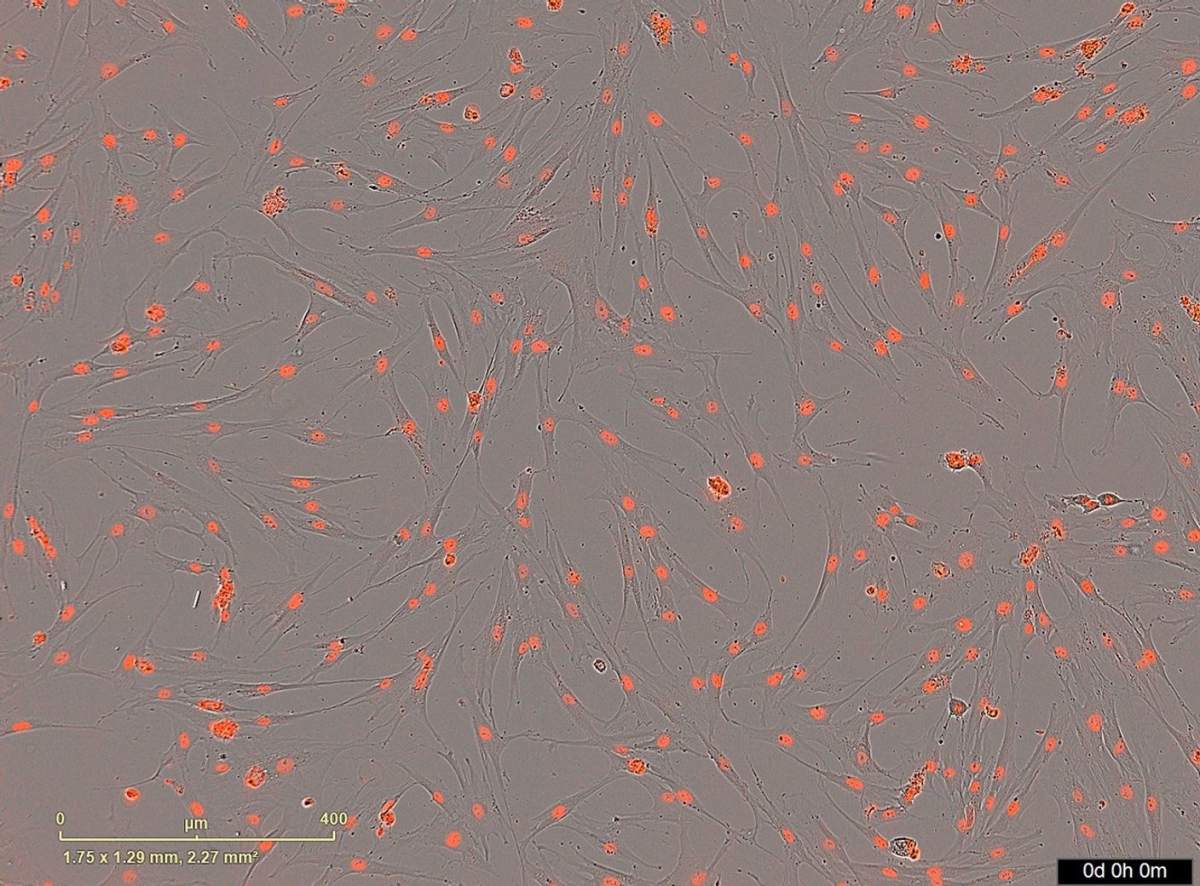
The MABL-B investigation will focus on mesenchymal stem cells, which are responsible for building new bone tissue. Scientists theorize that a protein called IL-6 may be to blame for the bone problems observed in space. Data from a prior mission suggest that microgravity enhances the IL-6 signaling pathway, which accelerates bone degradation. The upcoming experiment will test methods to block this specific pathway.
Aboard the station, researchers will culture mesenchymal stem cells and other bone cells for 19 days. Crew members will collect samples for analysis back on Earth. The results could lead to the development of targeted therapies to safeguard astronauts on extended journeys to the Moon, Mars, and beyond, where emergency medical care will be unavailable. The findings also have the potential to benefit people on Earth. By unraveling the role of the IL-6 protein in bone health, the research could lead to new treatments for millions affected by age-related bone loss and conditions like osteoporosis.
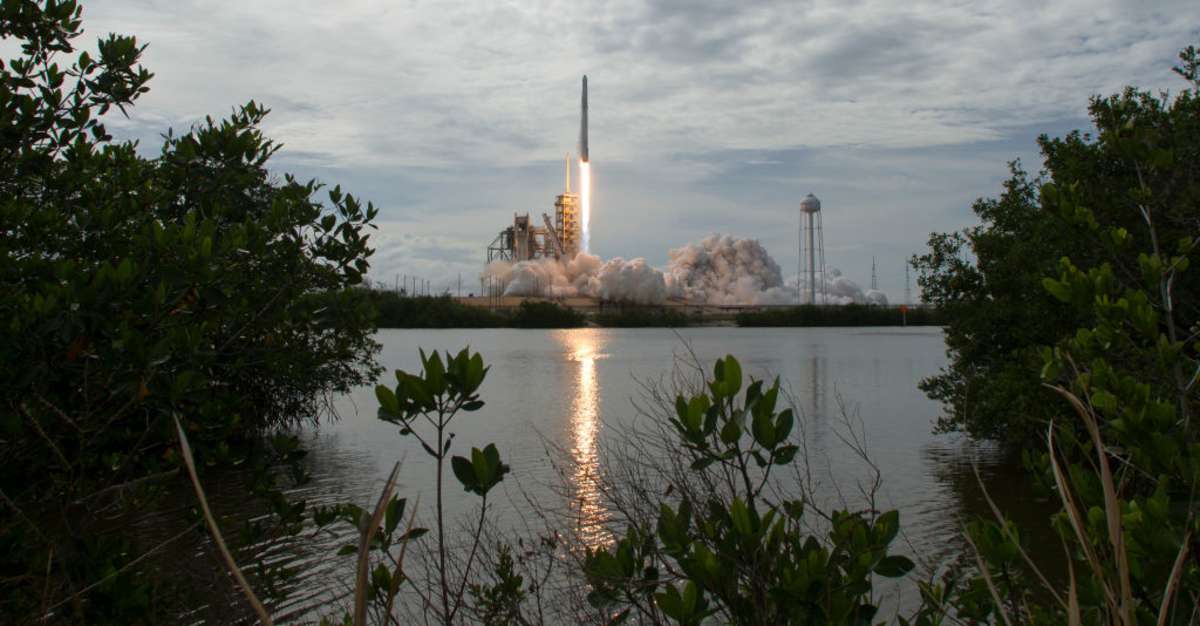
The Dragon spacecraft, filled with more than 5,000 pounds of supplies and research, is scheduled to lift off on a Falcon 9 rocket from Cape Canaveral Space Force Station on Sunday, August 24, at 2:45 a.m. EDT. The craft will autonomously dock with the space station's Harmony module on Monday, August 25, at approximately 7:30 a.m., NASA announced. In addition to the bone loss study, the mission will deliver several other cutting-edge experiments. Among them are materials for 3D-printing medical implants that could revolutionize treatments for nerve damage and bioprinted liver tissue to study blood vessel development. The crew will also receive supplies to 3D-print metal cubes in space.

For the first time on a resupply mission, the Dragon will also perform a reboost demonstration to help maintain the station's altitude. The spacecraft's trunk contains a new independent propulsion system with two Draco engines. This technology will perform a series of burns starting in September to periodically boost the station's orbit, a capability first tested on a previous mission in November 2024.
The Dragon spacecraft is expected to remain at the station until December before returning to Earth with completed research and cargo, splashing down off the coast of California. You can follow the mission's launch day coverage on the NASA website, which will feature live streaming and blog updates. Coverage is expected to begin no earlier than 2:25 a.m. on Sunday, August 24, with live updates on the countdown milestones. On-demand video and photos will be available on NASA+ shortly after liftoff.