NASA's SpaceX Crew-12 gets 'go' for launch on February 13 following multiple weather reviews
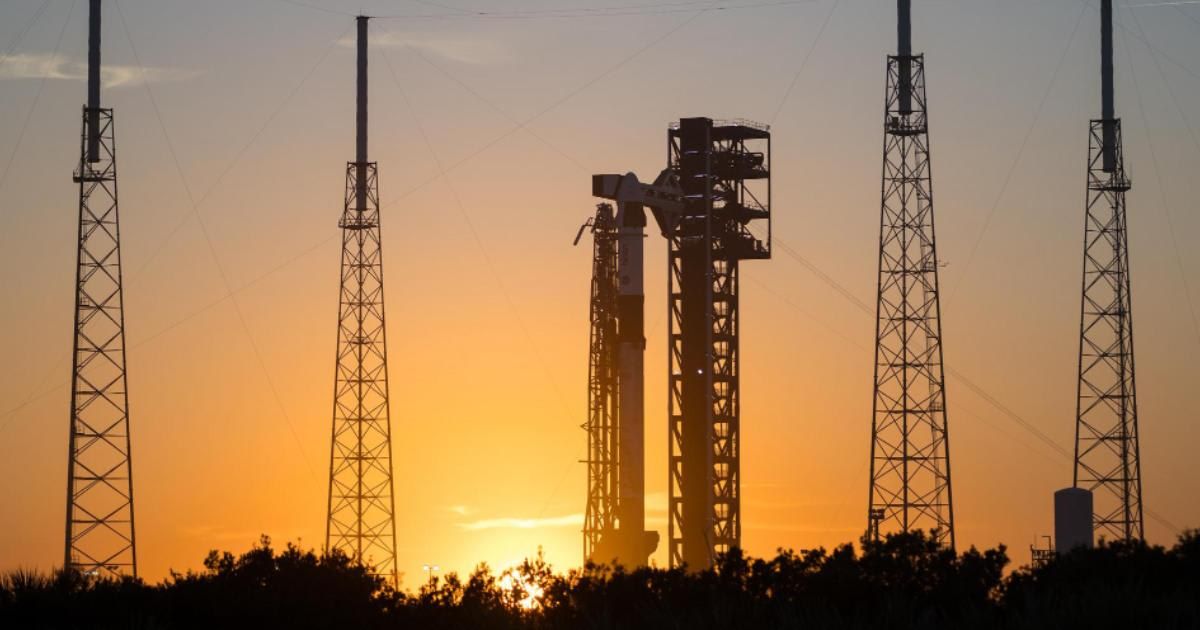
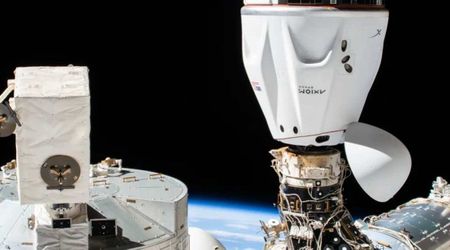
With a lift-off slated for 5:15 am EST on Friday, February 13, 2026, from Space Launch Complex 40 at Cape Canaveral Space Force Station in Florida, the International Space Station stands ready to welcome the four members of NASA’s Crew-12 mission. The crew is scheduled to dock their SpaceX Dragon spacecraft at 3:15 pm EST on Saturday, February 14, 2026, contingent on the launch going ahead per schedule, which was not the case during the original launch window on Wednesday.
L-1! I can’t imagine a better team for #MyMoonCrew! First stop @Space_Station!
— Jessica Meir (@Astro_Jessica) February 12, 2026
See you at Crew-12 launch! Feb. 13, 5:15 am ET. pic.twitter.com/2GexPDbODe
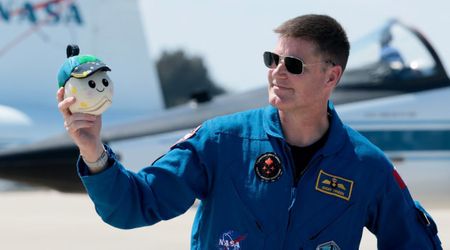
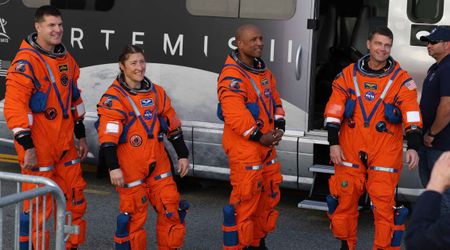
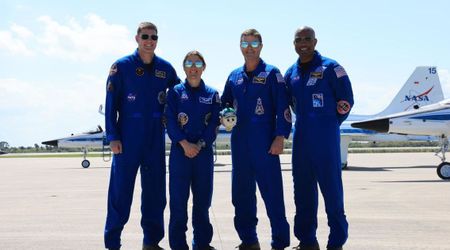
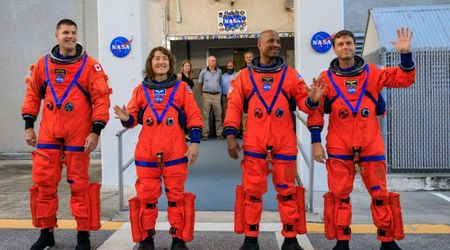
Following the shifts in launch timings, NASA announced that the chance of favorable weather for launch on Friday had gone up from 85% to 90% on Thursday. Forecasters, however, continued to keep a close eye on the weather along Crew-12's flight path and were specifically on the lookout for elevated wind speeds. It was only after a final weather review late on Thursday that NASA and SpaceX teams gave Crew-12 a "go" for launch. Crew-12 commander NASA astronaut Jessica Meir will lead the team, joined by pilot Jack Hathaway, also of NASA, European Space Agency astronaut Sophie Adenot, and Roscosmos cosmonaut Andrey Fedyaev. The quartet will conduct a range of experiments during their long-duration stay, building on the station’s ongoing science agenda.
🚀 Crew‑12 is GO for launch!
— European Space Agency (@esa) February 12, 2026
This Friday, 13 February, at 10:15 GMT/11:15 CET, ESA astronaut @Soph_astro will be launched to the @Space_Station for her nine-month #εpsilon mission.#WatchLive from 08:15 GMT/09:15 CET on #ESAwebTV and YouTube.
🔗https://t.co/J9Ep4I2MWo pic.twitter.com/tsgSSRJCME
Meanwhile, as the teams here on Earth prepared for launch, NASA Flight Engineer Chris Williams, one of the current ISS residents from Expedition 74, worked on readying the gear that his incoming colleagues will use during their stay in the orbital outpost, per a press release from the American space agency on Thursday. He also set up the Lumina radiation monitor and transferred its data to the EveryWear health data application for analysis. Additionally, he loaded trash and outdated gear into JAXA’s HTV-X1 cargo craft, which is set to depart in March. Station commander Sergey Kud-Sverchkov of Roscosmos tested the regenerative water recycling system in the Zvezda service module, data of which he then relayed to ground controllers. The experienced cosmonaut also treated surfaces in the Zvezda and Nauka modules against mold and mildew, ensuring the reliability of the hardware. His fellow Roscosmos Flight Engineer Sergei Mikaev ran cognitive tests, completed questionnaires, and gathered his own hair samples to study spaceflight’s impact on stress, brain function, and immunity. He then got rid of air bubbles from fluid systems, shifted water between tanks, photographed the setup, and inspected fan operations in the Zarya module to determine noise levels.
.@NASA and @SpaceX proceed toward Crew-12's launch targeted for 5:15am ET on Friday, Feb. 13. Meanwhile, Exp 74 monitored radiation, studied crew psychology, and maintained life support systems on the station. More... https://t.co/bq4UYTRDzW pic.twitter.com/5NATtbhFg7
— International Space Station (@Space_Station) February 12, 2026
These coordinated efforts showcase the teamwork that goes into conducting science and maintaining the ISS, which has been a model of global partnerships for over two decades. Crew-12’s arrival continues NASA’s push for reliable crew transport via private partners like SpaceX, enabling steady research in microgravity and the effects of extended periods in space on human physiology as well as psychology. Moreover, NASA has stated that much of the science is to benefit future missions to the Moon and beyond, being pursued through the Artemis program. Past missions have yielded breakthroughs in medicine, materials, and Earth observation, and Crew-12 should be no different, poised to advance that legacy by extracting all the benefits the station offers before it is deorbited.
More on Starlust
NASA's Artemis II and Crew-12 astronauts will be first to carry latest smartphones to space
NASA’s SpaceX Crew-12 gets go-ahead for February 11 launch as FAA clears Falcon 9 to fly again