What happens after the International Space Station is gone?

The International Space Station has been present in low Earth orbit for more than two decades. But NASA has announced its plans to deorbit the ISS by the end of 2030 and send it crashing into Point Nemo, a particularly isolated region in the Pacific Ocean. The big question now is - what's next?
NASA has been working to identify the best alternative to continue 25 years of human presence in low-Earth orbit, which is more than 200 miles (320 km) above the Earth’s surface. And it has found the answer - Commercial space stations. NASA has emphasized the goal of remaining a customer in a growing commercial marketplace in low Earth orbit, where the main services are in-orbit destinations and cargo and crew transportation. The leading space agency in the U.S. aims to shift its focus and move toward human exploration missions beyond low Earth orbit to the Moon and Mars.
To get the commercial aspect going, NASA took a major step in December 2021. It signed agreements with three companies to develop privately owned, commercially operated space stations and other commercial destinations in space. The agency has long relied on commercial partners to deliver cargo to the ISS, so this approach was reliable. Also, Elon Musk's SpaceX and Boeing have taken astronauts to orbit aboard the Dragon and Starliner spacecraft. These successes led NASA to commit over $400 million to help develop these stations, aiming to have them operational before the ISS retires.
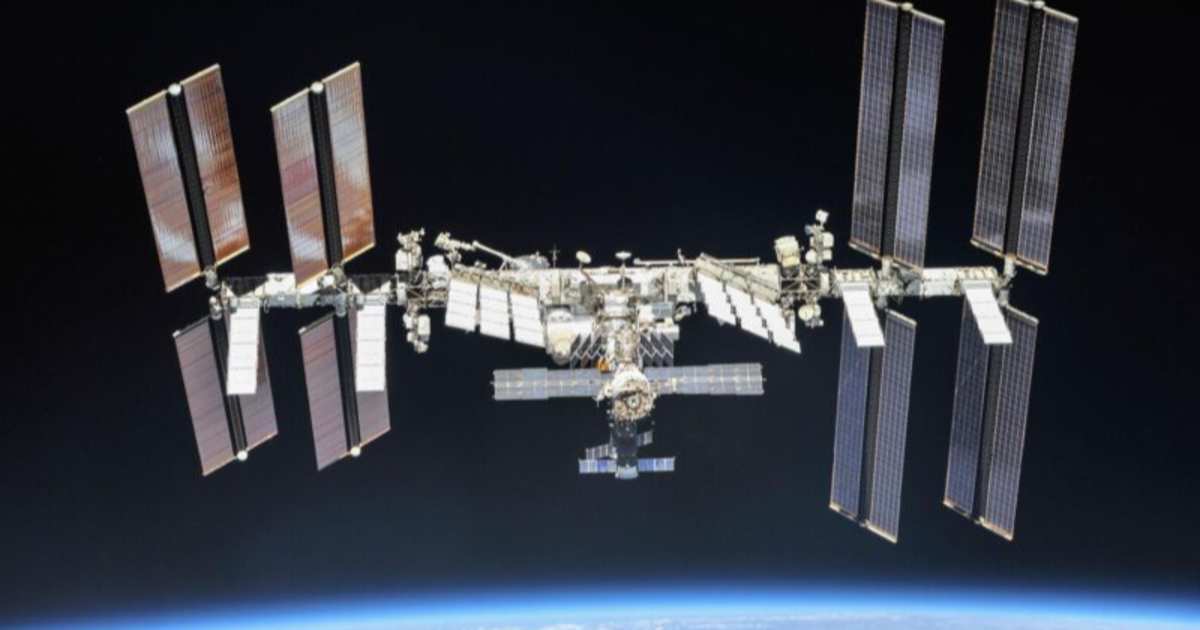
To boost the growth of commercial space stations, NASA announced Phase 2 partnership proposals in September 2025. Selected ones will receive funding to complete critical design reviews and demonstrate space stations capable of supporting four astronauts in orbit for at least 30 days. Following this, NASA will proceed with formal design approval and certification to ensure these stations meet NASA’s stringent safety requirements. This will enable NASA to buy missions and related services on these commercial stations.
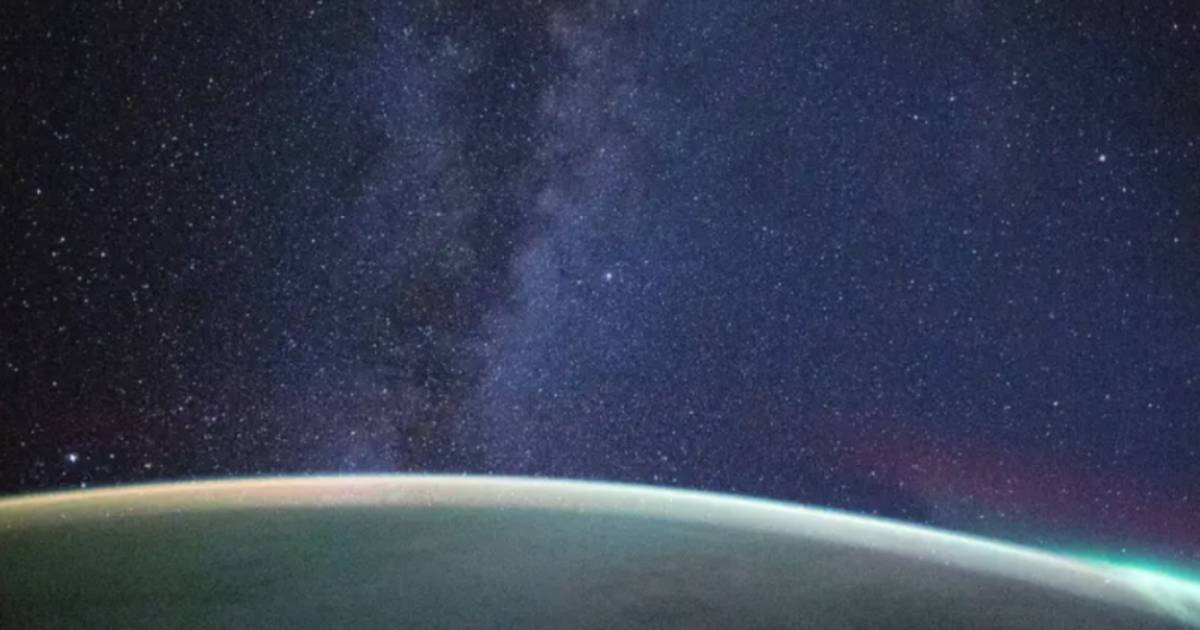
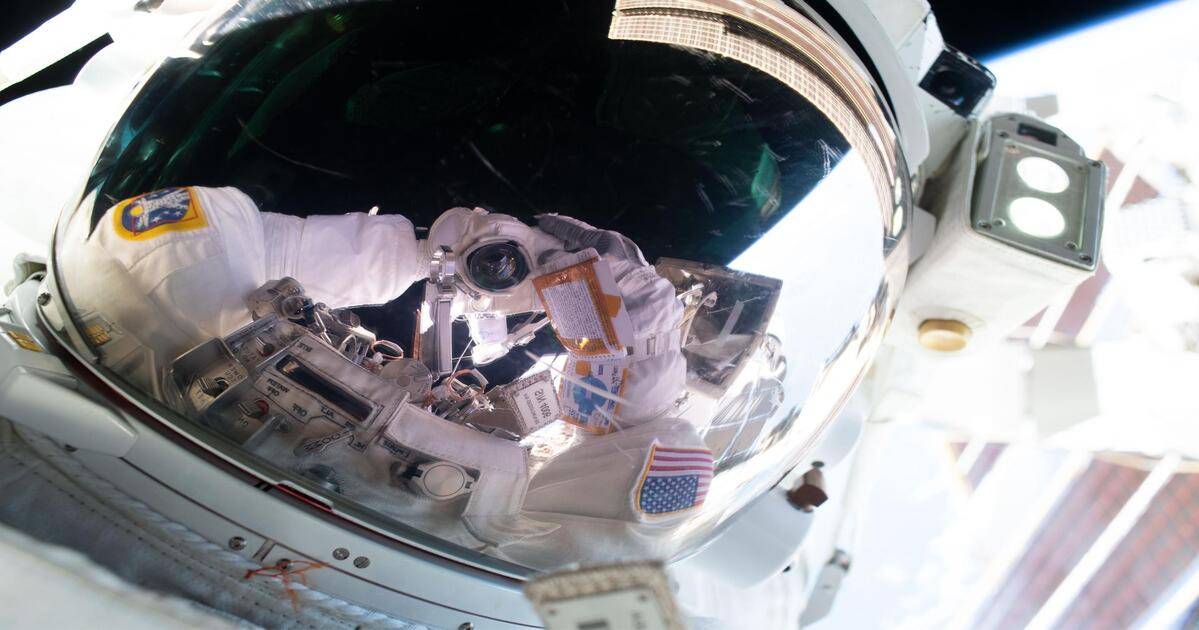
According to NASA data, 270+ spacewalks have been conducted at the International Space Station since 1998. Five international space agencies and over a dozen countries have contributed in various ways to the International Space Station till now. Over 280 individuals representing 26 countries and five International Partners have visited it.
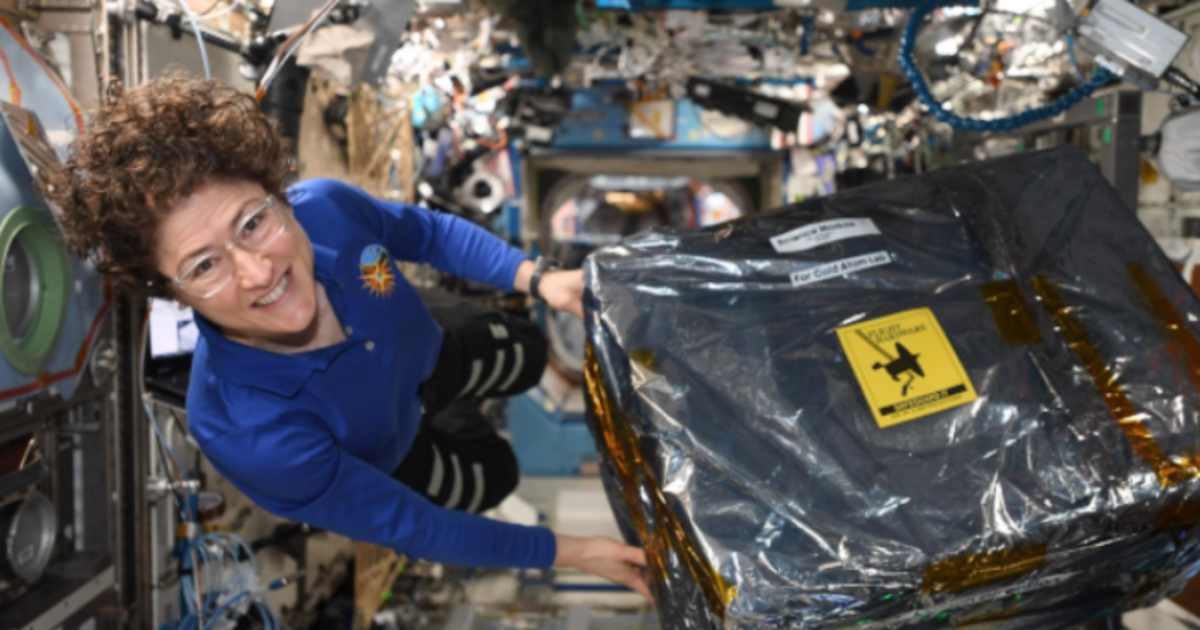
With over 4,000 experiments spanning more than 24 years, the International Space Station has been a state-of-the-art science lab for cutting-edge research and studies that were not possible on Earth. The facility supports a wide range of research and scientific inquiry in fields of biotechnology, materials sciences, astronomy, and astrophysics. From a deeper understanding of thunderstorms to enhanced crystallization methods used for vital cancer-fighting drugs, techniques for growing artificial retinas in microgravity, to investigating the production of ultrapure optical fibers, it has done it all.
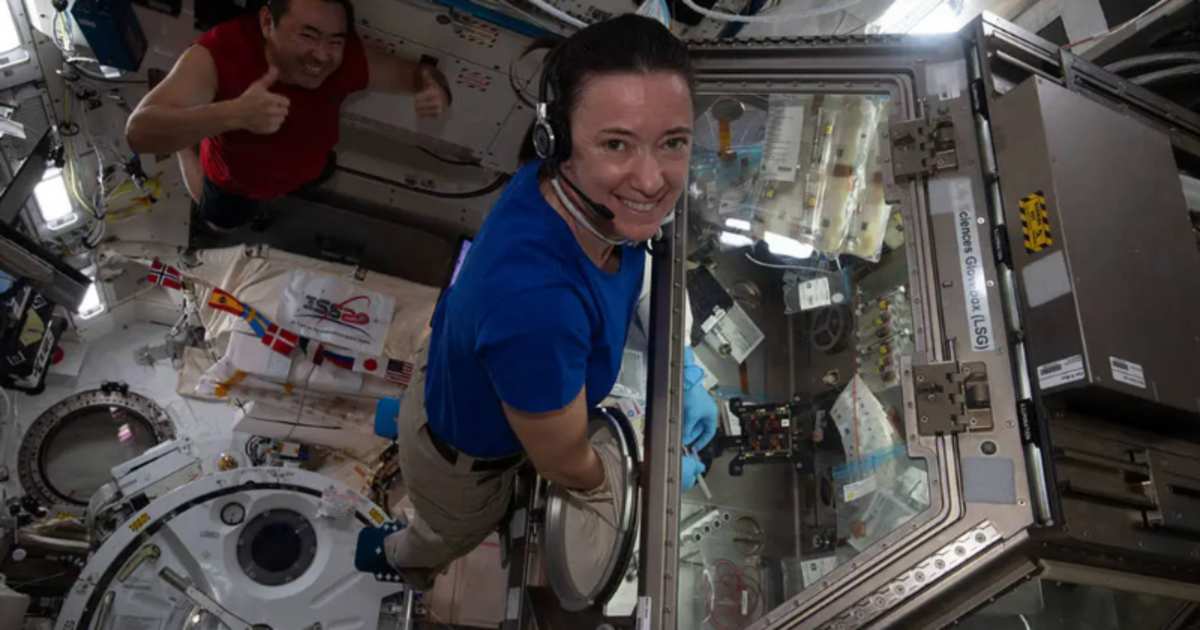
Some of the key achievements include exploring the fifth state of matter, Alzheimer’s and Parkinson’s disease research, growing food in microgravity, studies on pulsars and black holes, research about unknown microbes in space, and many more. These milestones are a shining example of how the ISS has played a vital role in continuous research and innovation over the years.
More on Starlust
ISS scheduled for dramatic end as NASA targets controlled Pacific ocean impact in 2030
Astrophotographer achieves 'once in a lifetime' shot of ISS crossing Sun during solar flare eruption