NASA reveals return date for all four SpaceX Crew-11 astronauts
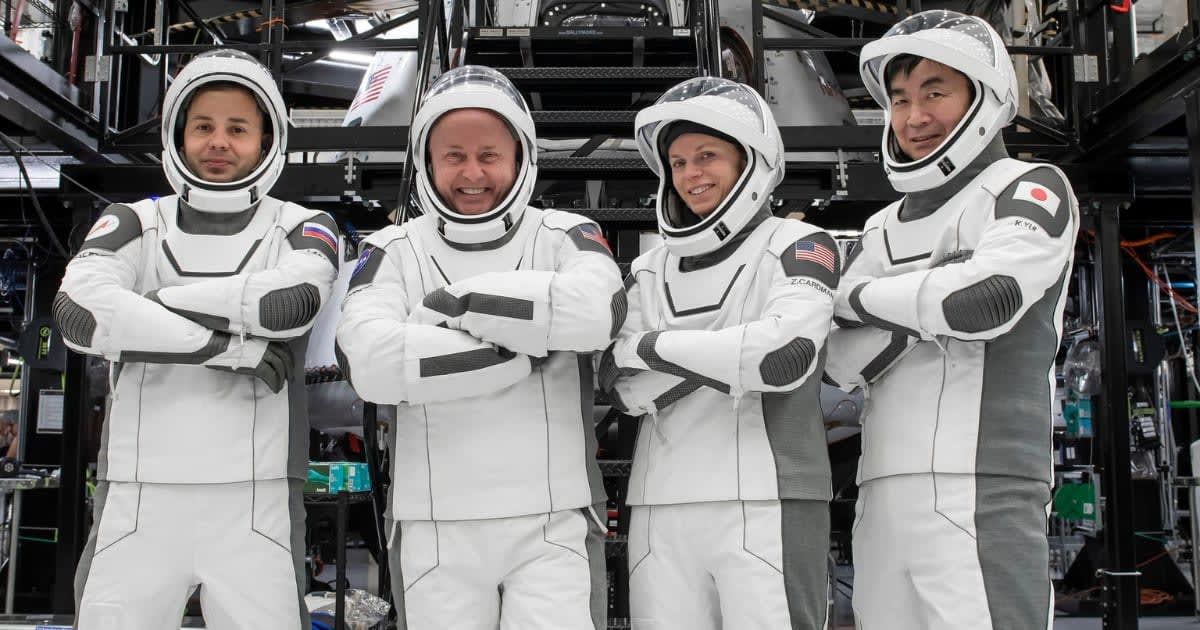
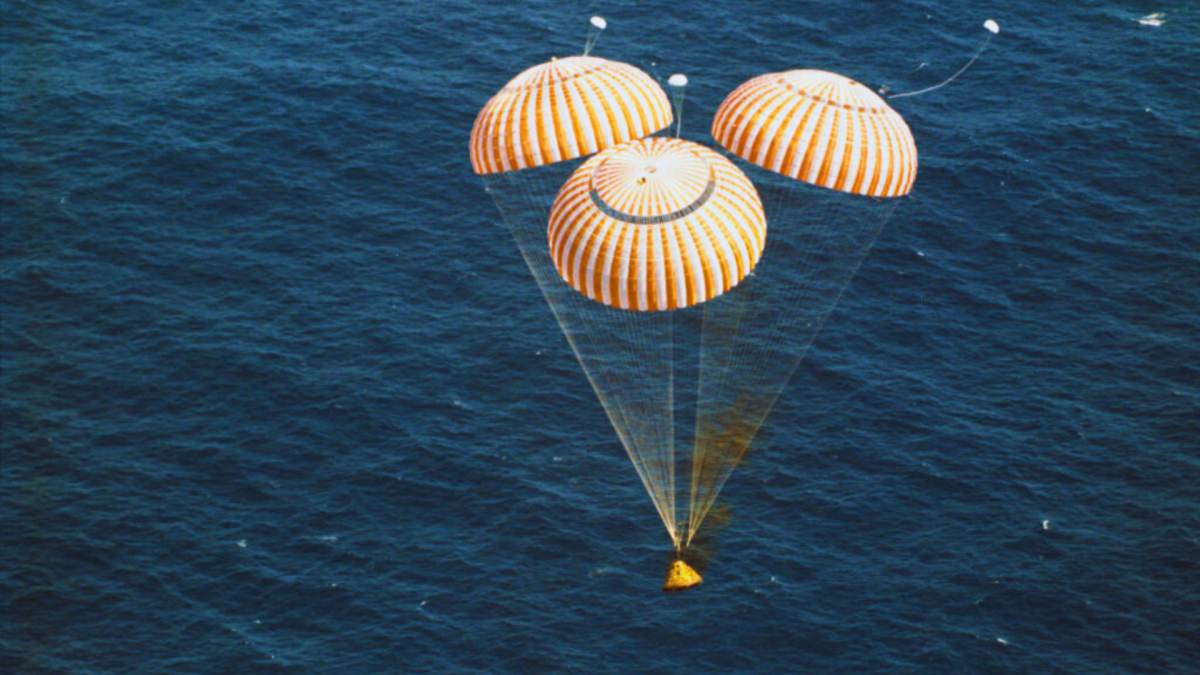
For the first time in the history of the International Space Station, a crew will head back to Earth ahead of schedule because of a medical situation unfolding in orbit. NASA and SpaceX are targeting Wednesday, January 14, for the undocking of Crew-11 from the International Space Station.
.@NASA and @SpaceX target undocking Crew-11 from the International Space Station no earlier than 5pm ET on Jan. 14, with splashdown off California targeted for early Jan. 15 depending on weather and recovery conditions. https://t.co/Y89iIj3jEY
— International Space Station (@Space_Station) January 10, 2026
While the space agency did not say which of the four astronauts of the mission has the medical issue, officials stressed that the astronaut is in stable condition and that the relocation is not an emergency de-orbit. “The capability to diagnose and treat this properly does not live on the International Space Station,” said NASA administrator Jared Isaacman during the press conference that the agency held on January 8. The Dragon is expected to leave the station at approximately 5 p.m. EST on Wednesday if the weather permits. The crew, NASA’s Zena Cardman and Mike Fincke, Japan’s Kimiya Yui, and Russia’s Oleg Platonov, is expected to splash down off the California coast early Thursday at 3:40 a.m. EST.

The decision comes on the heels of the abrupt cancellation of a planned spacewalk on January 8. According to NASA's chief medical officer, Dr. James Polk, the health issue was not caused by an injury or mission activities. “It's mostly having a medical issue in the difficult areas of microgravity and with the suite of hardware that we have at our avail to complete a diagnosis,” he clarified during the press conference.
Mission managers are closely monitoring the Pacific Ocean landing zones. According to NASA, the final GO for the undocking of the SpaceX Dragon will be dependent on several moving factors that include the readiness of the spacecraft and recovery teams, as well as the local weather and sea conditions. Since these are ever-changing statuses, NASA and SpaceX can wait until the crew is much closer to departing the station before they choose an exact splashdown time and site.
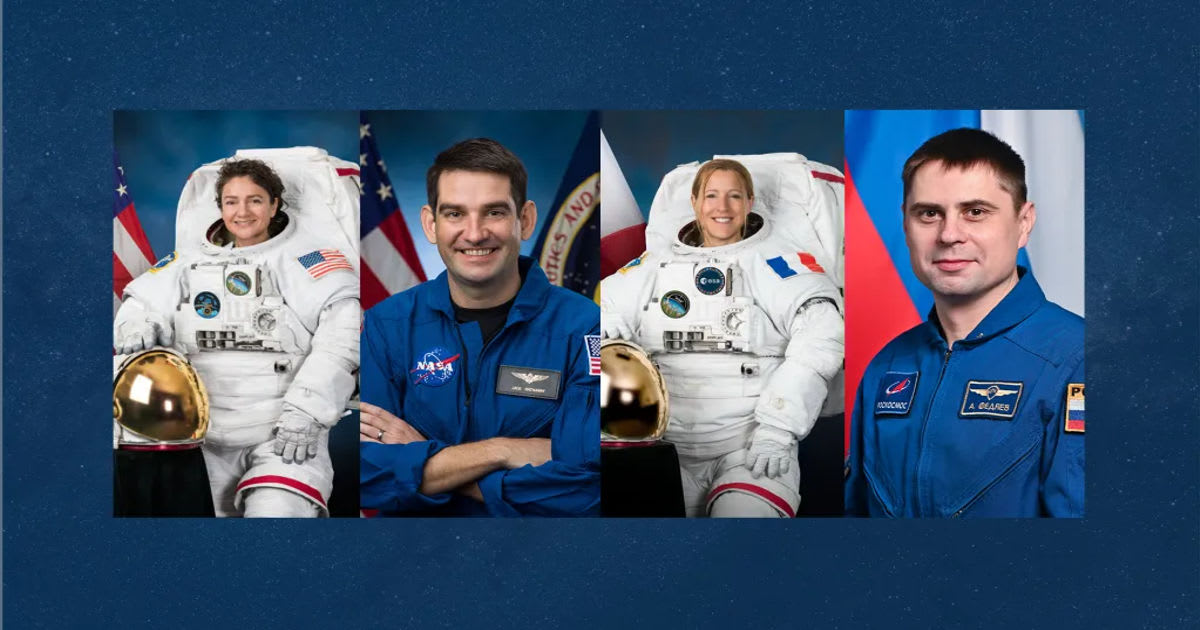
The early departure will temporarily leave the ISS with a reduced crew. The only residents remaining on board will be NASA astronaut Christopher Williams and Russian cosmonauts Sergey Kud-Sverchkov and Sergei Mikayev, making Williams the only American on the station until the next rotation arrives. In order to cope with the workload, NASA officials have emphasized that global mission control centers will give intensive remote support to ensure the safe continuation of groundbreaking scientific research, despite the smaller team. The next planned rotation, Crew-12, will not launch until February 15, 2026. That mission will carry up a fresh team of four, including NASA astronauts Jessica Meir and Jack Hathaway, who will conduct long-term scientific experiments and preparations for future trips to the Moon and Mars.
NASA is also getting ready for Artemis II, a 10-day mission that will launch from Florida's Kennedy Space Center, in a different milestone. The Orion spacecraft and the massive Space Launch System (SLS) rocket will carry humans for the first time during this flight. The mission will see the astronauts travel thousands of miles beyond the Moon to test systems in preparation for humans to set foot on the lunar surface again.
More on Starlust
NASA is heading to the Moon again: 5 things to know about the Artemis II mission
NASA postpones the 1st spacewalk of 2026 after a 'medical concern' with an astronaut