NASA's big 3I/ATLAS reveal: Here's how to watch the livestream for exclusive images of the interstellar comet

NASA has something new meant for the eyes of those who have been keenly following interstellar comet 3I/ATLAS. The space agency announced that on Wednesday, November 19, 2025, at 3 p.m. EST, it will be hosting a live event to share exclusive images of the interstellar visitor collected by its missions. The event will be held at NASA’s Goddard Space Flight Center in Greenbelt, Maryland, but you don't need to go anywhere, as you'll be able to watch it from the comfort of your home.
The event will be aired on NASA+, the NASA app, the agency’s website, YouTube channel, and Amazon Prime. You can also choose to receive advance notification (on the website, NASA+ and the YouTube channel) for the event or add it to your calendar to ensure you don't miss a moment. The general public can ask their questions using #AskNASA on social media, and they will be answered in real time during the broadcast. The images to be shared live were not previously made public, as a majority of NASA personnel were furloughed during the U.S. government shutdown.
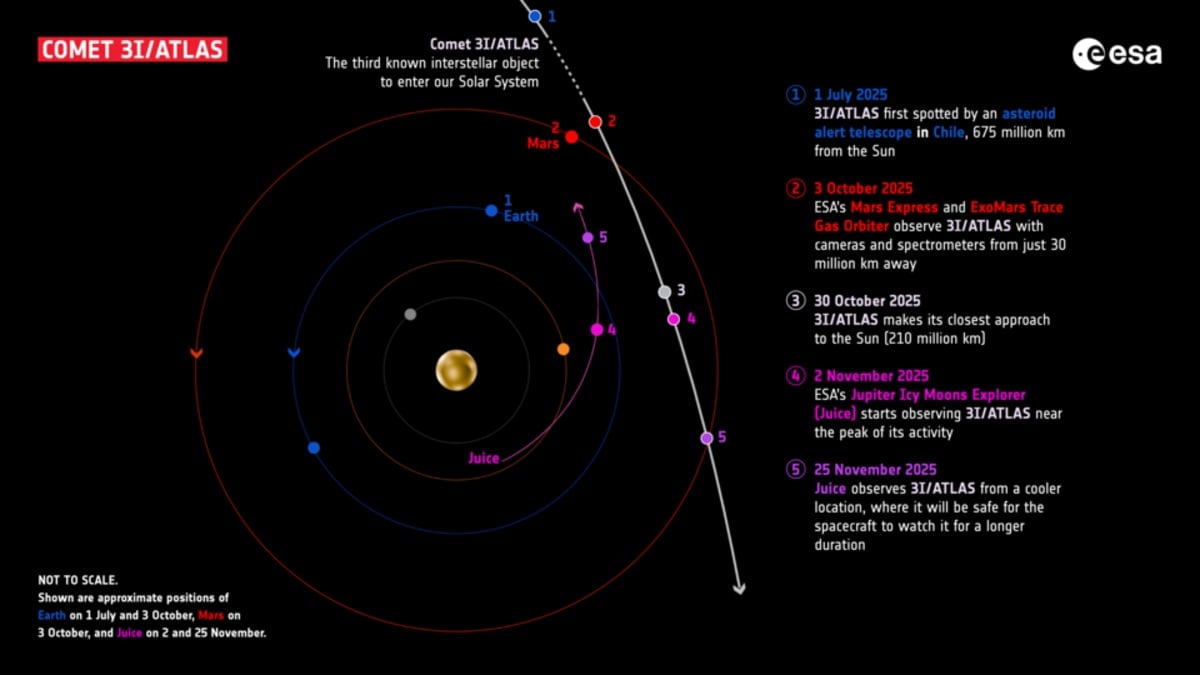
Since the NASA-funded ATLAS (Asteroid Terrestrial-impact Last Alert System) observatory discovered the comet, it has touched many milestones within our solar system. On October 29, it made its closest approach to the Sun, during which it was at its brightest and most active. The comet also flew within 19 million miles of Mars on October 3, as per Live Science, images of which were captured by the ExoMars Trace Gas Orbiter (TGO).
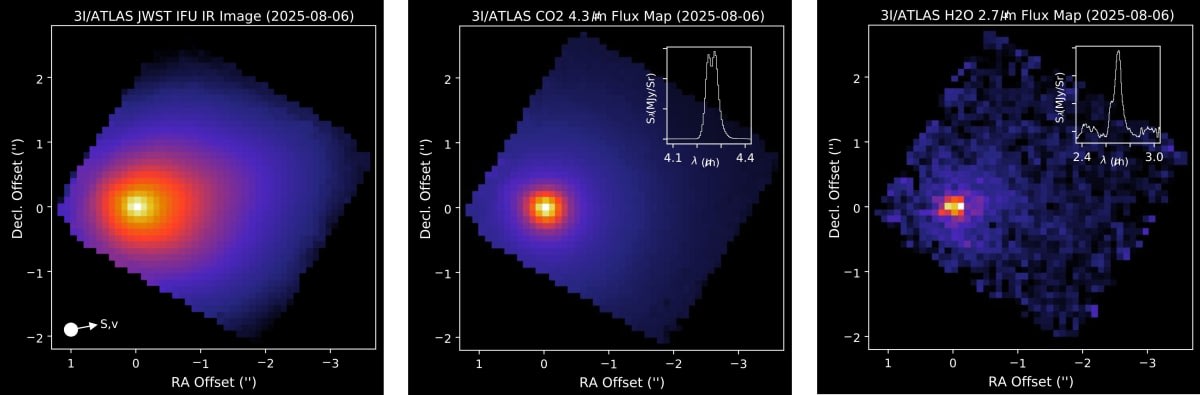
And now, as it is on its way to make its closest approach to our planet (within 170 million miles) on December 19, NASA is expected to share images taken by its Mars Reconnaissance Orbiter's HiRISE camera during the event. This will show visuals from the days before and after the comet's close approach to Mars, accompanied by observations from other telescopes. The assets to capture visuals include both spacecraft across the solar system and ground-based observatories. The images will be extraordinary, given NASA’s incredible equipment and scientific instruments at its disposal.
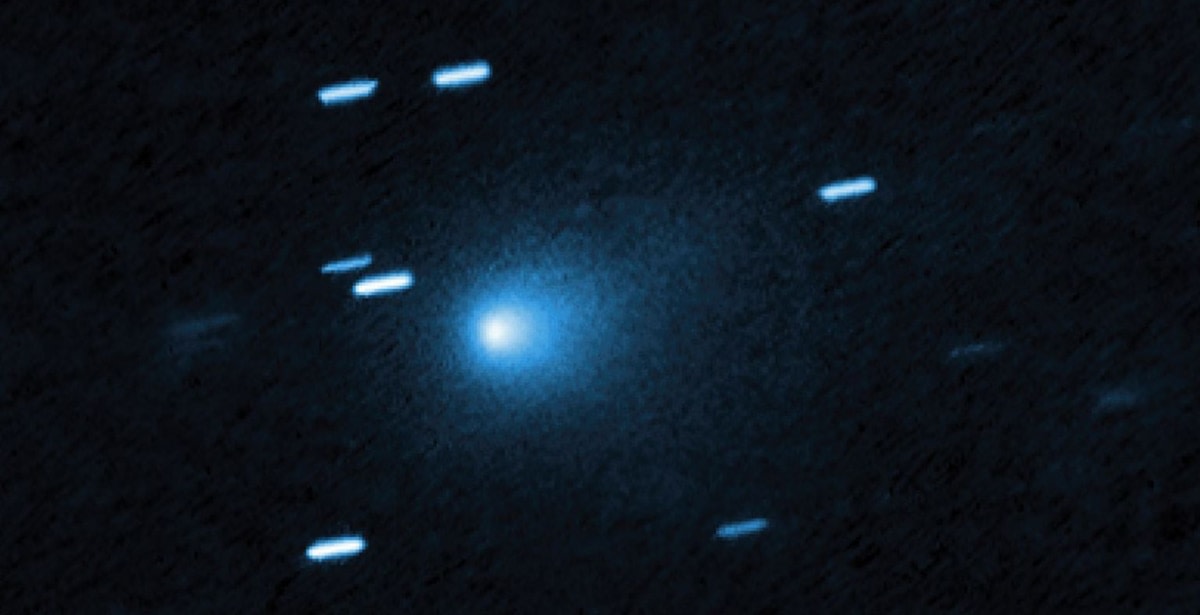
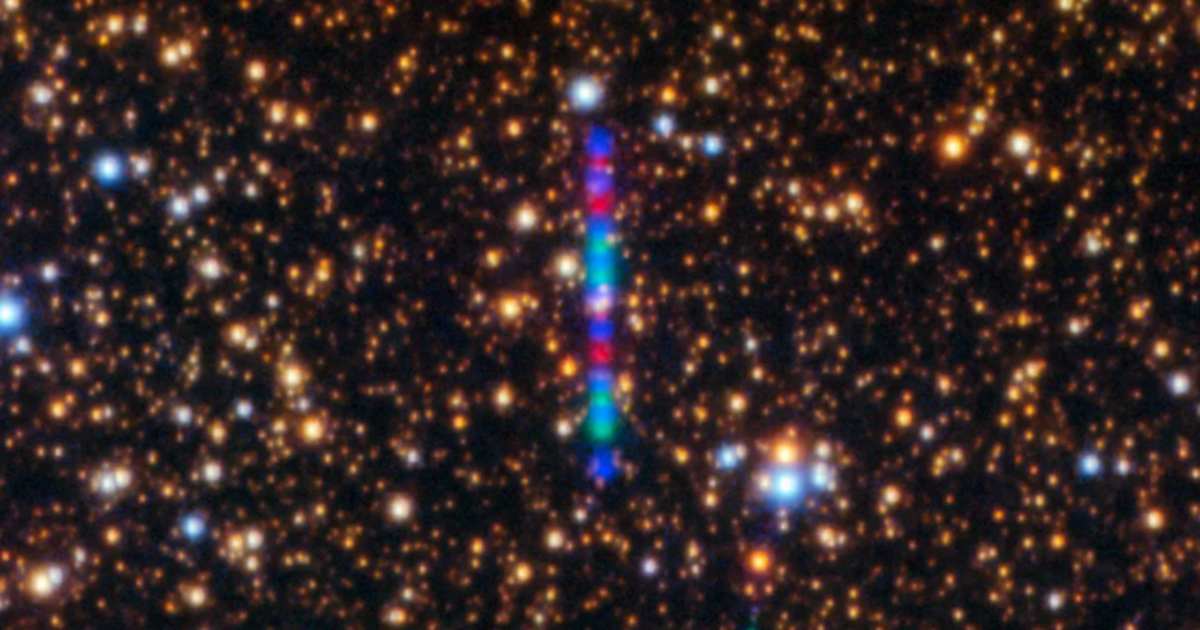
Apart from the Mars Reconnaissance Orbiter, which may have snapped images of the comet, the Hubble Space Telescope has also observed the object from space, while the ATLAS survey telescope and the Gemini observatory have traced it from the ground. NASA Associate Administrator Amit Kshatriya, Science Mission Directorate associate administrator Nicky Fox, Astrophysics Division acting director Shawn Domagal-Goldman, and lead scientist for solar system small bodies Tom Statler will be the briefing participants at the event. These NASA scientists and administrators will share and discuss the images being shared.
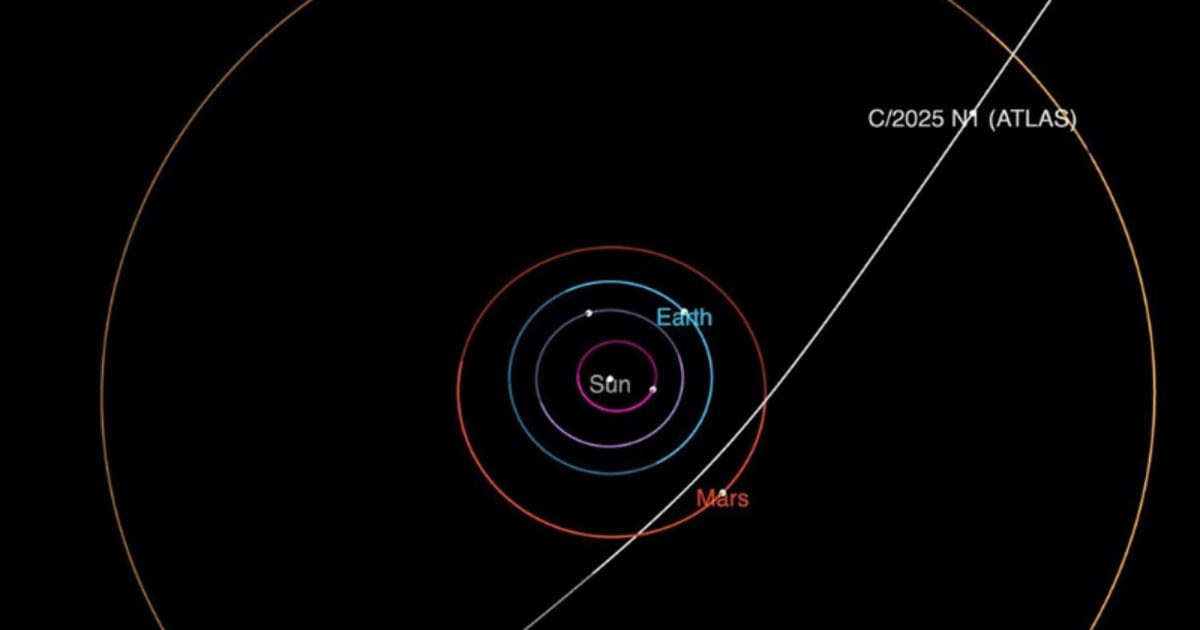
NASA’s unique artillery can keep track of the comet at all times from all directions. It is exactly why these images are going to be crucial to further studies on the comet. In fact, Harvard astronomer Avi Loeb believes that the visuals from the HiRISE camera will be helpful in understanding the geometry of the sunward anti-tail and in establishing a better estimate of the diameter of the nucleus.
More on Starlust
NASA to release unseen 3I/ATLAS images on November 19: Here's everything you need to know