Moon phases 2026: When is the next full moon?
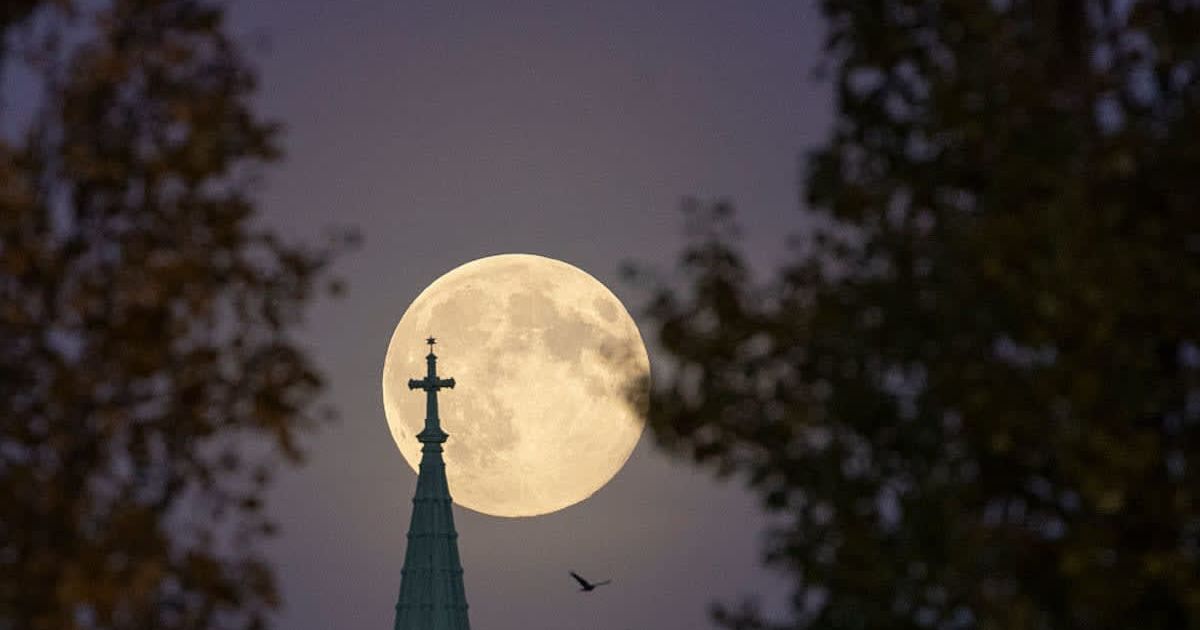
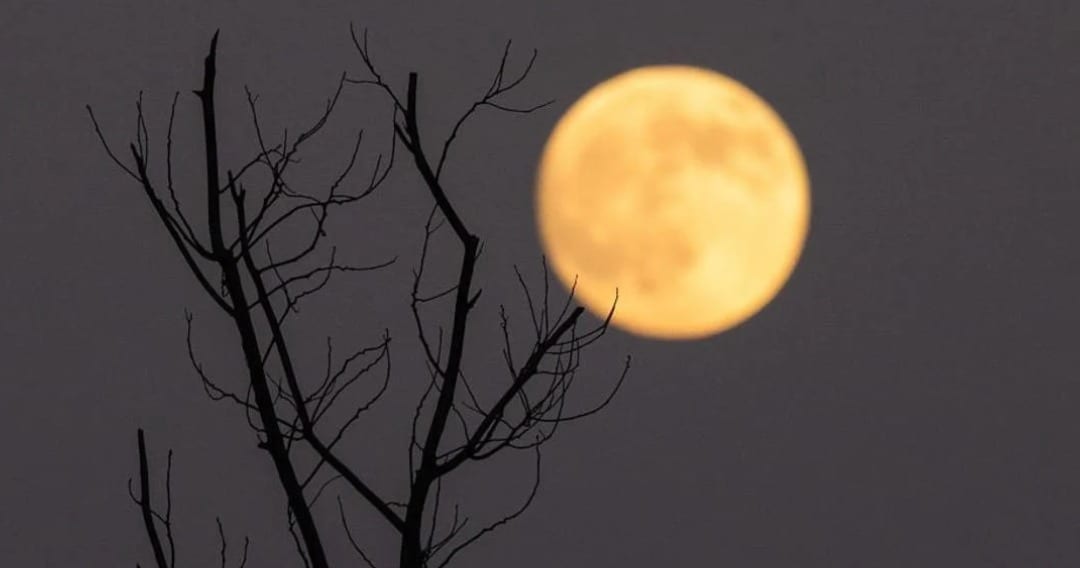
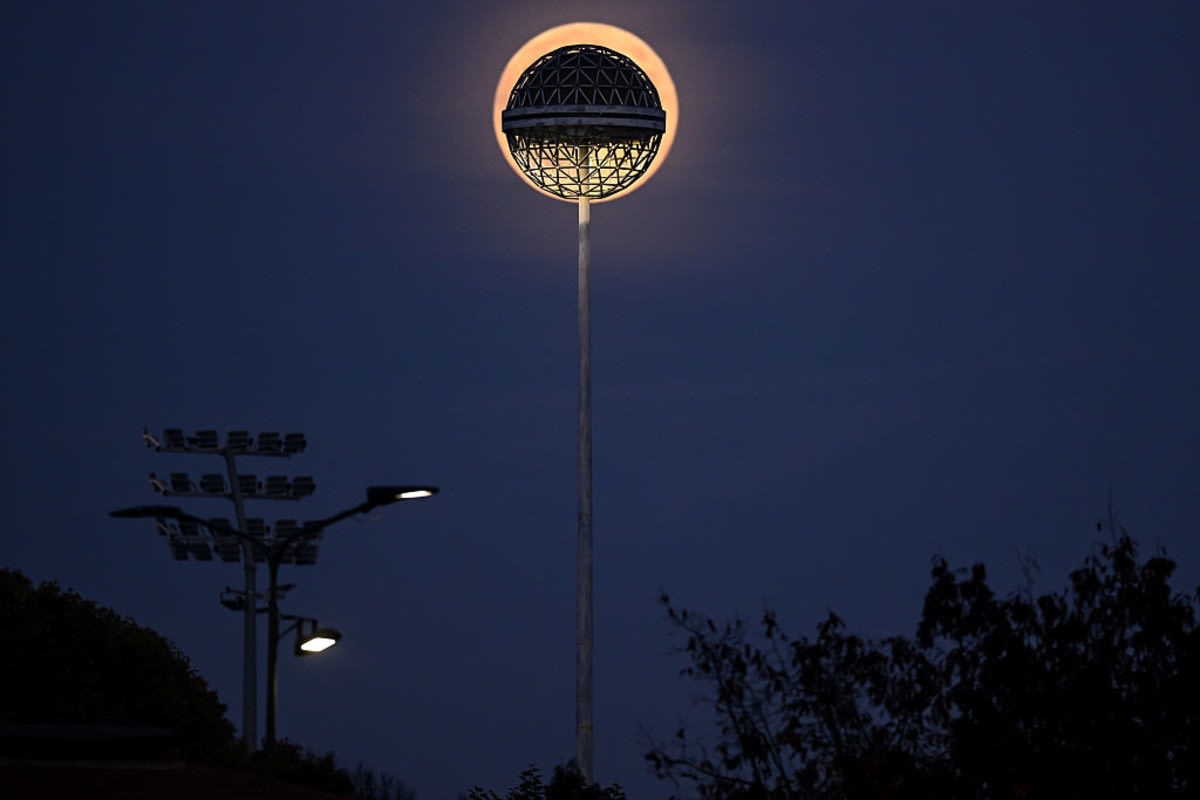
Early risers will be rewarded with a heavenly show this weekend, as the very first full moon of 2026 will be gracing the skies. Known as the Wolf Moon, it will appear at 5:03 a.m. EST on Saturday, January 3, according to Astronomy.com.
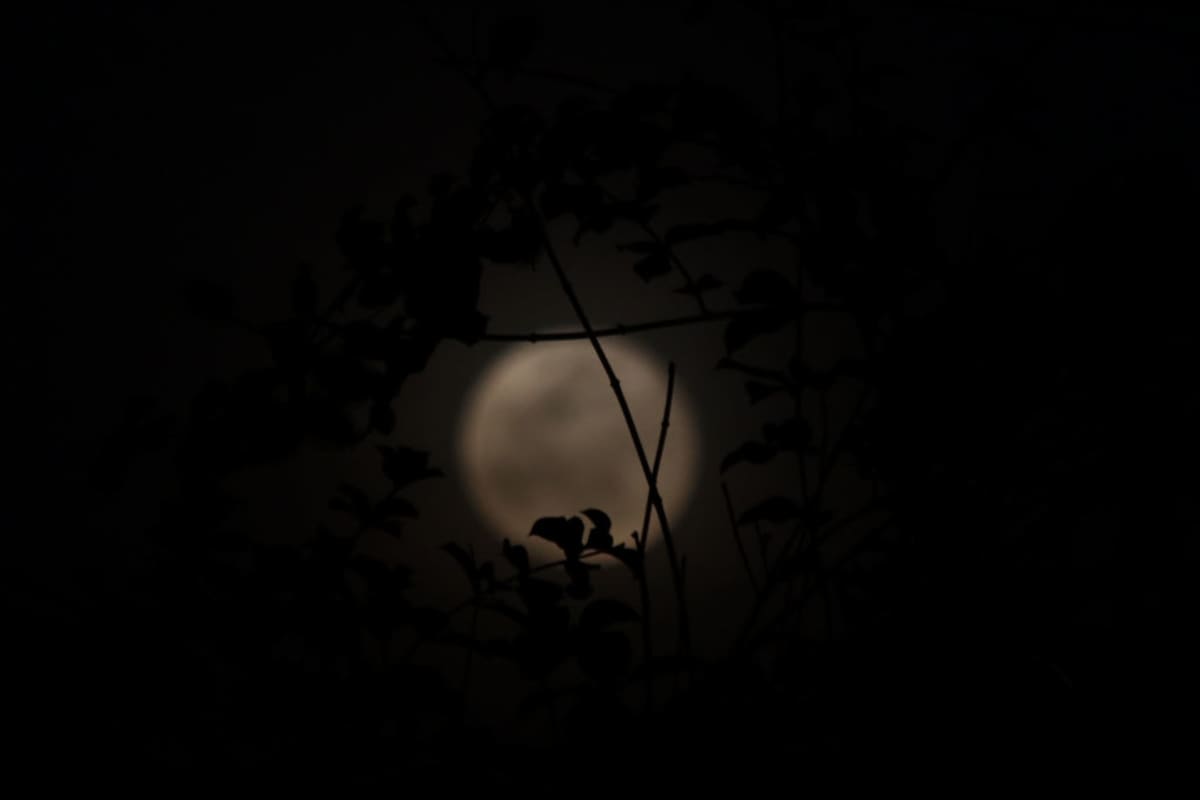
The lunar phenomenon this weekend will also be a supermoon. This means it will be a bit bigger and brighter than usual. January's event will be the end of a supermoon cycle that started last October and lasted four months. People who will not be able to watch the phenomenon this time will have to wait almost a year for the next one, which will be in November 2026.
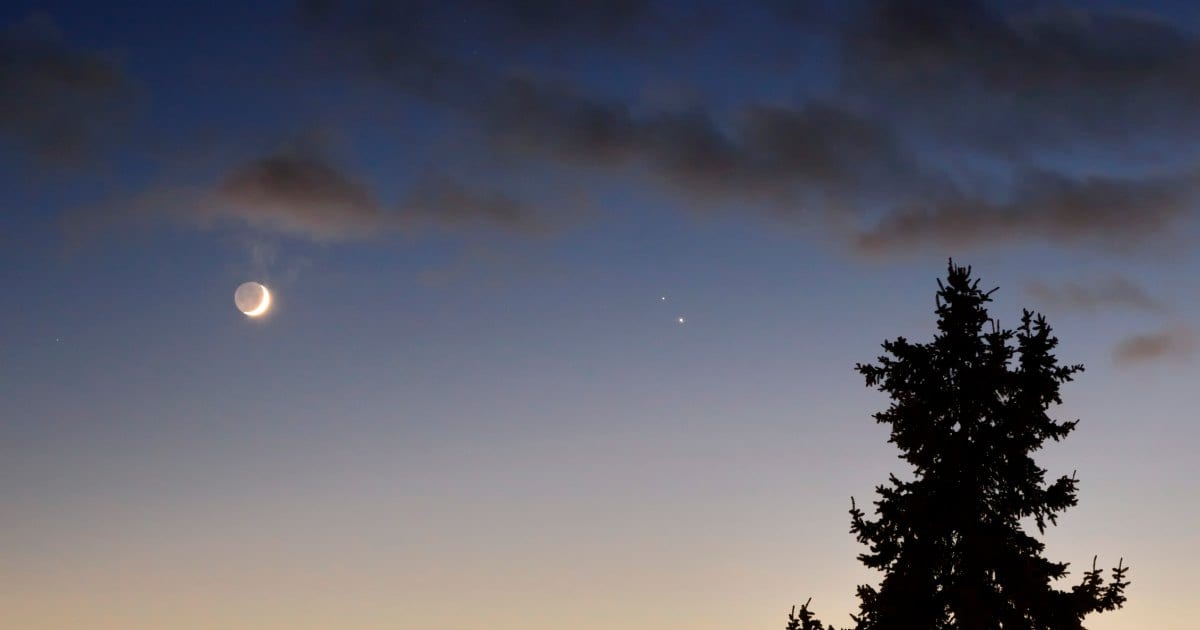
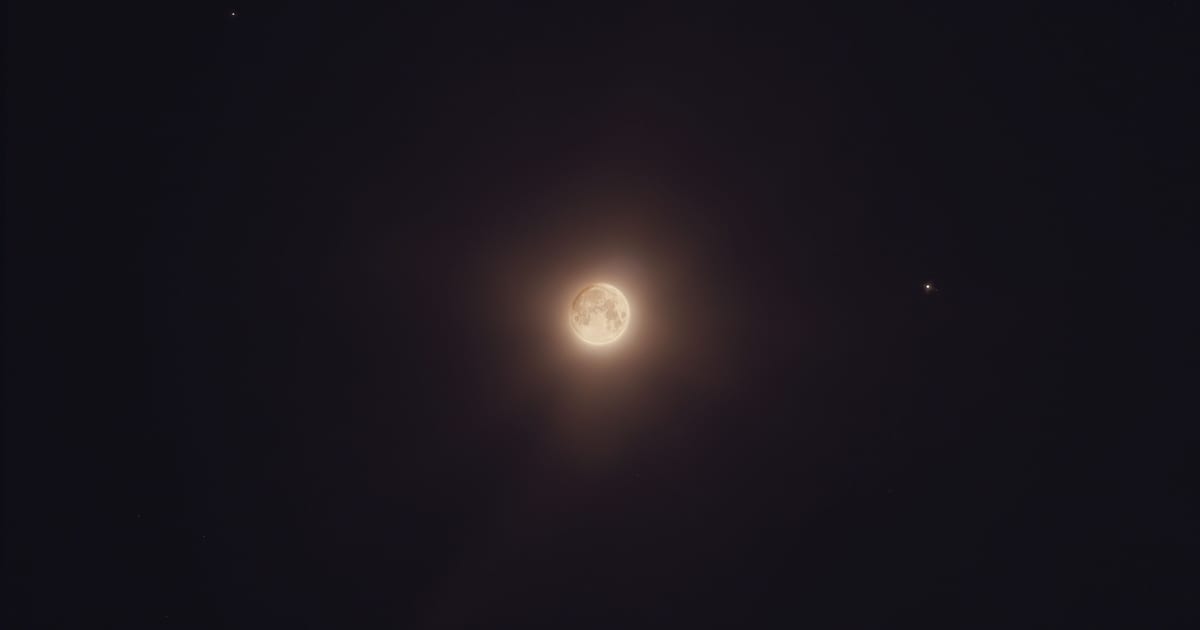
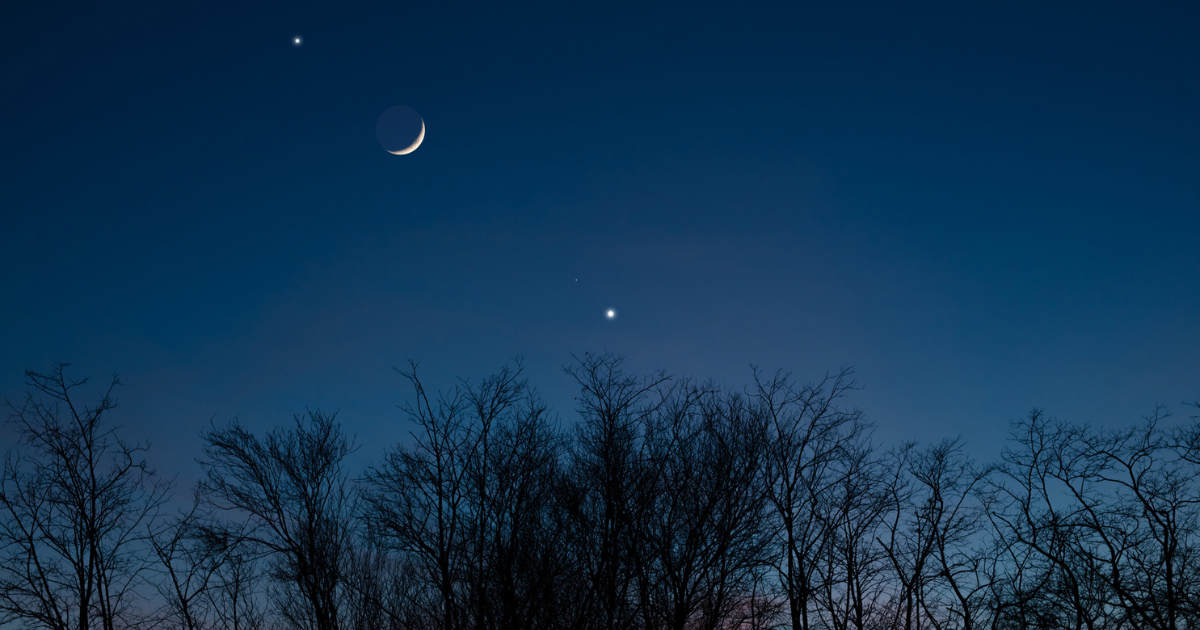
At present, the moon is amongst the stars of Gemini. It will be visible in the western heavens early Saturday near Jupiter under the dazzling Castor and Pollux. Thereafter, during the weekend, the moon will continue moving across the sky. Around 5:00 p.m. EST on Saturday, the moon will be positioned just north of Jupiter and will rise towards the east on Sunday night as it enters the Cancer constellation. The event of a full moon happens when the planet Earth is exactly between the sun and the moon. In this case, the sun's light fully lights up the part of the moon facing Earth. The moon's orbit around the Earth is such that the changing direction of the sunlight creates the cycle of phases visible from the surface of the Earth.
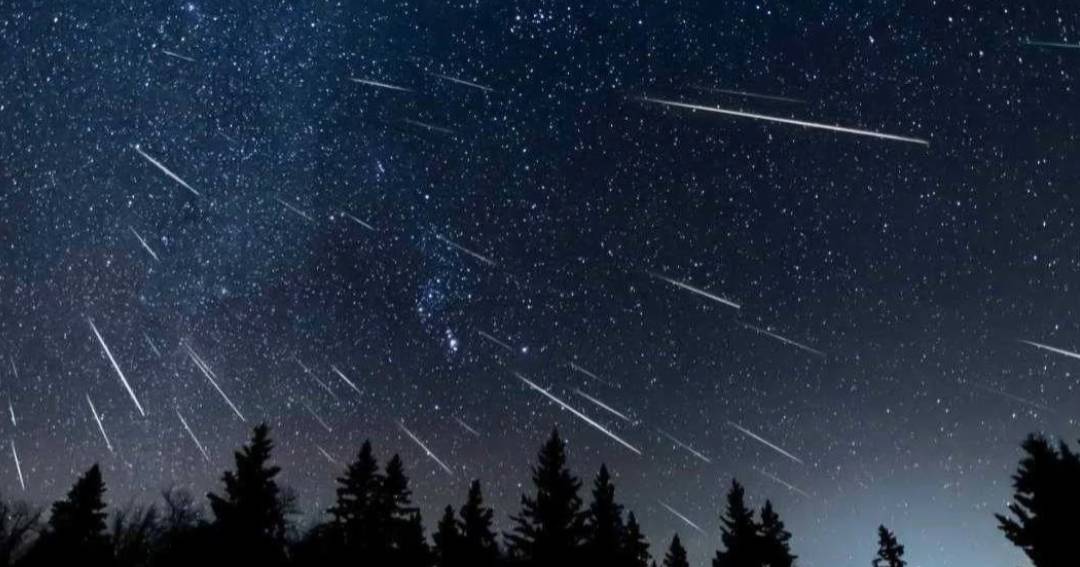
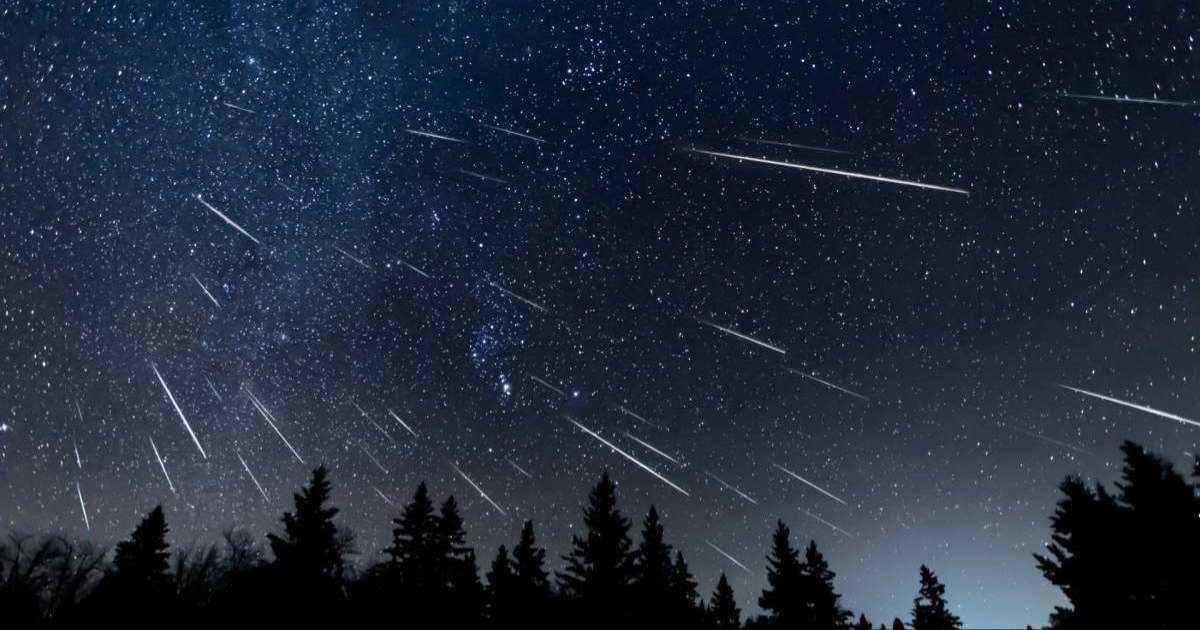
Making the already jam-packed weekend in the sky even busier, the Quadrantid meteor shower is going to be at its peak on the nights of January 2 and 3. The Quadrantids are very different from other major showers, which have a broad window of two days or more, as their peak lasts only a few hours. The reason for this is that the Earth crosses a thin stream of comet debris at a perpendicular angle.
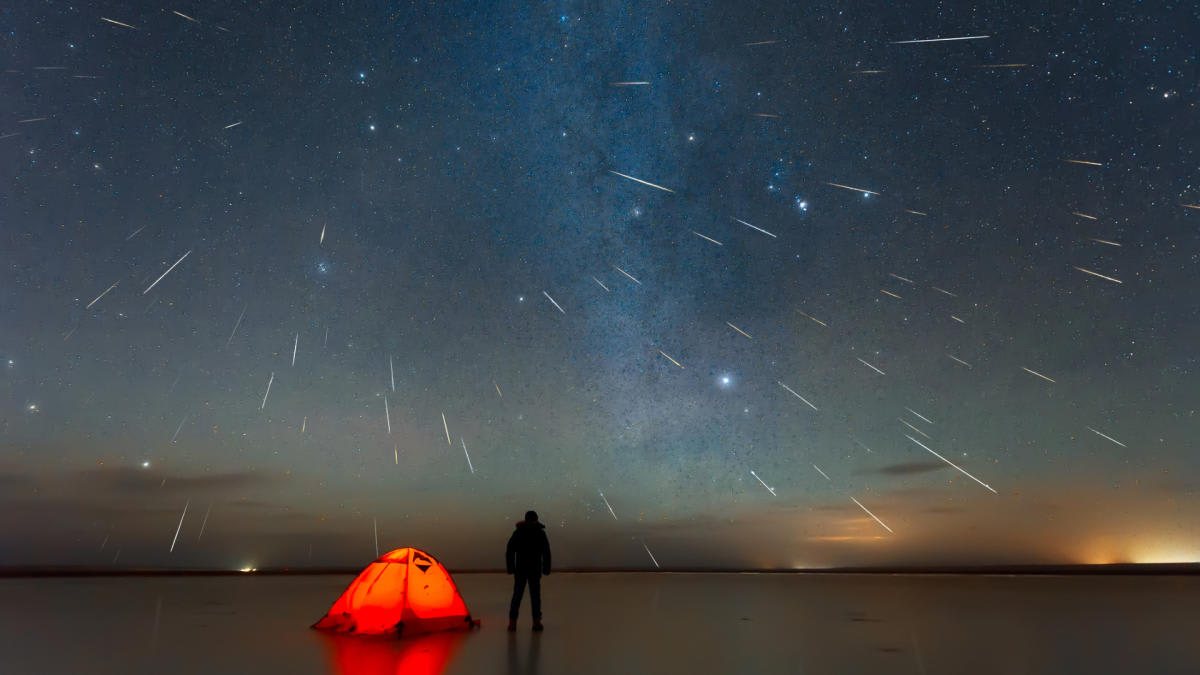
The shower can produce anywhere from 60 to 200 meteors per hour at its best, but this year's visibility will be greatly affected. According to The Planetary Society, the light of the full Wolf Moon will obscure most of the less bright streaks. On the other hand, people in the Northern Hemisphere may still witness the shower’s spectacular fireballs. These are really bright, big bursts of light and color that take longer than normal meteors to fade out and are bright enough to be seen even in the glow of the moon.
The Quadrantids, quite fascinatingly, have a rare history. The majority of meteor showers originate in the dust trails of comets, but this particular one originates from Asteroid 2003 EH1. The "extinct" asteroid is not very large, only about two miles in diameter, and it orbits the sun once in 5.5 years. Even though the asteroid was initially discovered in 2003 by the Lowell Observatory, it was researcher Peter Jenniskens who subsequently authenticated it to be the cause of the yearly January illumination spectacle.
More on Starlust
2025 supermoons recap: 10 best images of the year's grand lunar events
Blood moon alert: Here's everything you need to know about next year's total lunar eclipse