Moon phases 2026: New Moon on September 11 to provide an excellent night for stargazing
The lack of moonlight will create great conditions for viewing and photographing deep-sky objects.
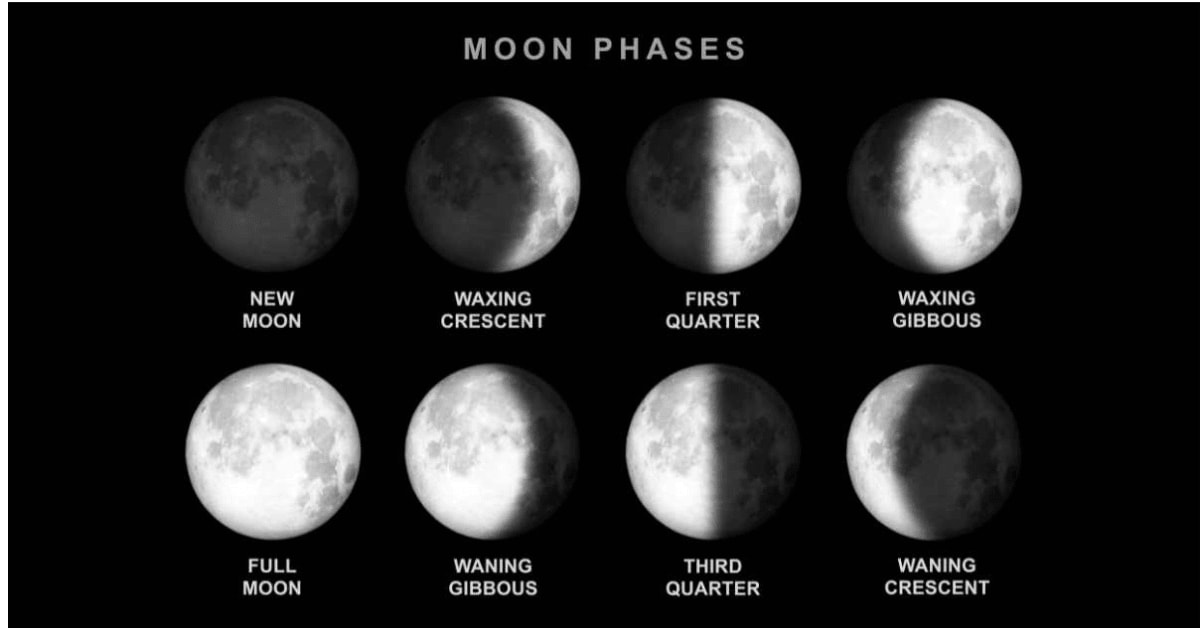
Eight major phases of the Moon in the night sky (Cover Image Source: Getty Images | Photo by subjug; resized by Starlust staff)

September is an exciting month for stargazing, with several stunning celestial events lined up in the coming weeks. With the New Moon phase coming up, and the night sky going pitch-black, the conditions will be ideal for viewers to gaze at deep-sky objects and faint stars.
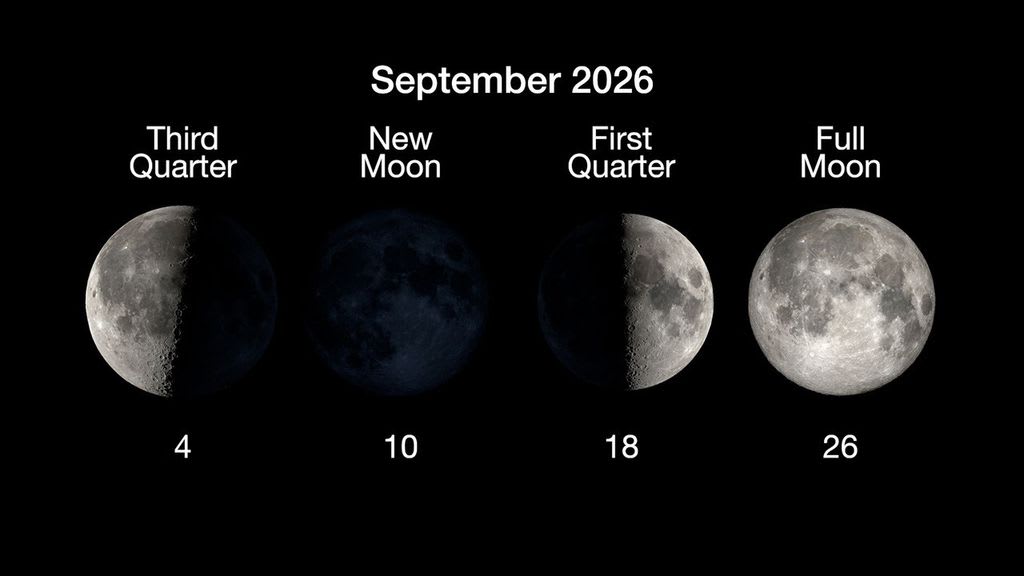
The phases of the Moon for September 2026 (Image source: NASA/JPL-Caltech)

When the New Moon will occur

The New Moon will occur at 3:27 a.m. UTC on September 11, 2026, which is equivalent to 11:27 p.m. EDT on September 10, meaning U.S. viewers will experience the phenomenon on Thursday night.
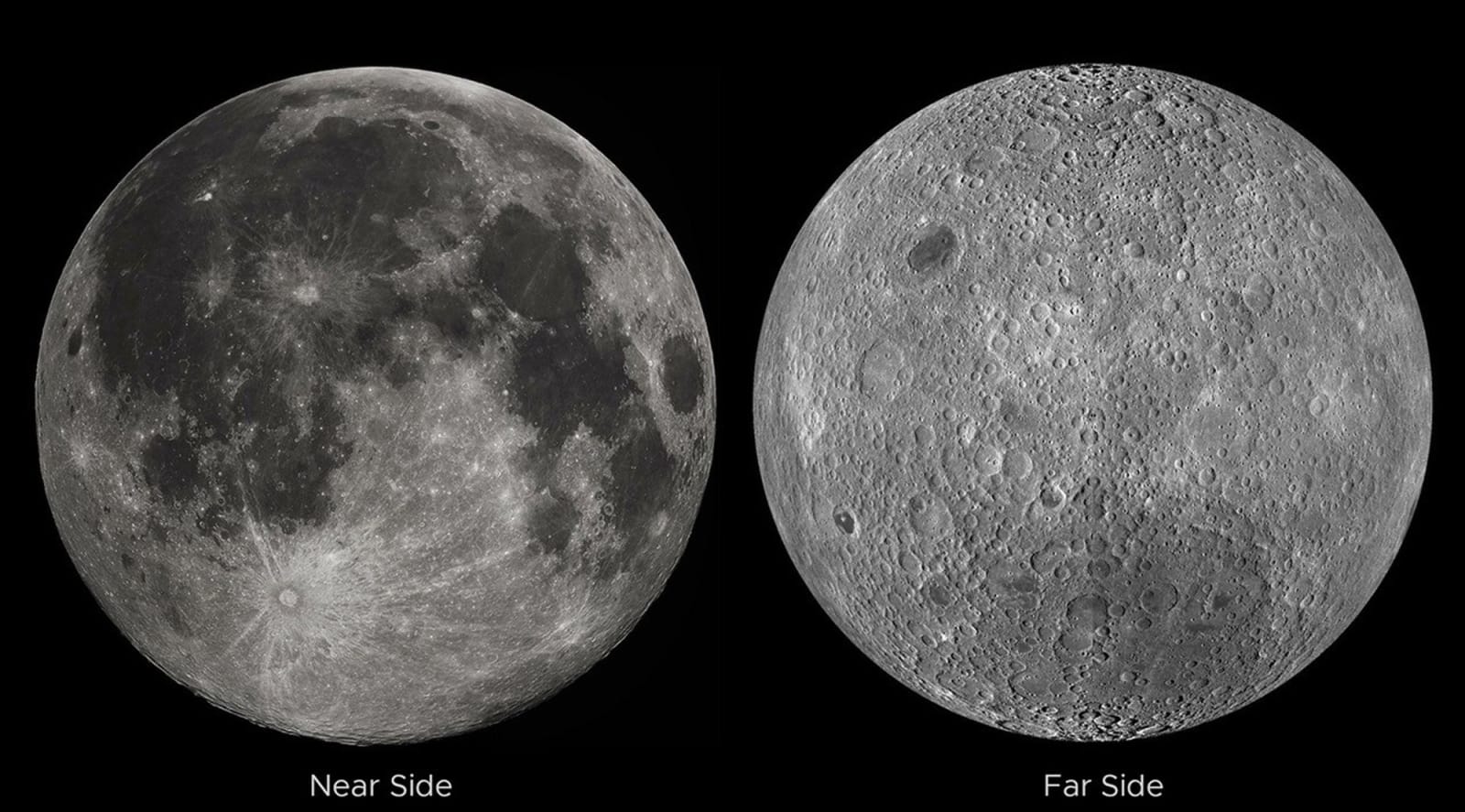
The Moon's near side and far side (Image source: NASA LRO / Jatan Mehta)

The phases of the Moon

The Moon passes through eight distinct phases while orbiting the Earth during a 29.5-day lunar cycle. These eight phases, in order, are: New Moon, waxing crescent, first quarter, waxing gibbous, Full Moon, waning gibbous, third quarter, and waning crescent.
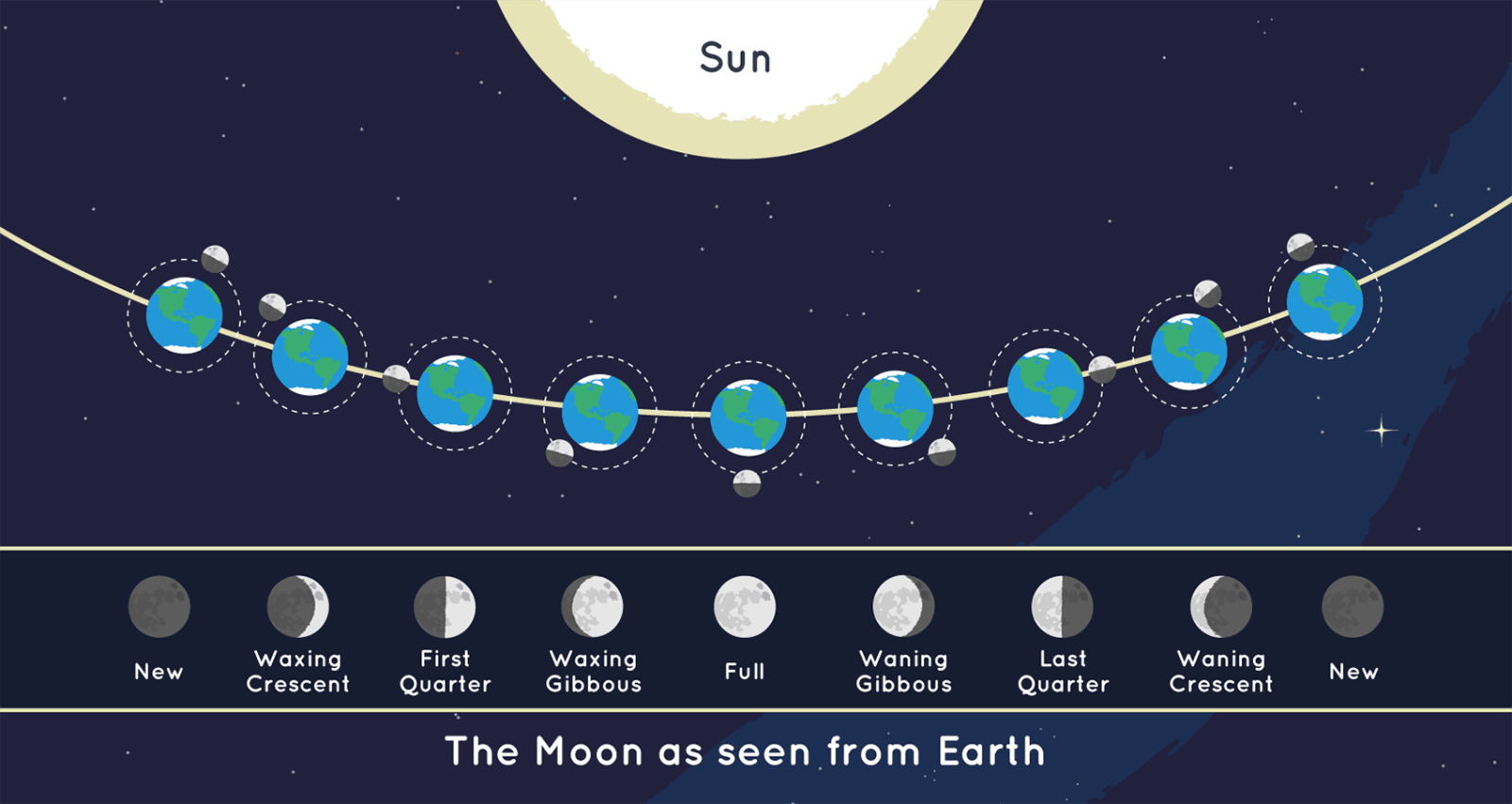
This graphic shows the position of the Moon and the Sun during each of the Moon’s phases and the Moon as it appears from Earth during each phase. The image is not to scale. (Image source: NASA/JPL-Caltech)

Why we can't usually see the New Moon

The New Moon, being the invisible phase of the Moon, is the stage when the Moon is positioned between Earth and the Sun. During this phase, the Moon's illuminated side points towards the Sun while the unilluminated side faces Earth, causing the lunar disk to become almost invisible to us. Also, at this time, the New Moon is located upwards in the daytime sky, and it rises and sets at roughly the same time as the Sun. Hence, it is lost in the Sun's glare, making it impossible to see with the naked eye. But there is one exception when the New Moon phase is visible, and that is during a solar eclipse, according to Time and Date. This is because the Moon is backlit by the Sun, creating a silhouette and enabling us to view the dark disk of our natural satellite as it shields the Sun's light.
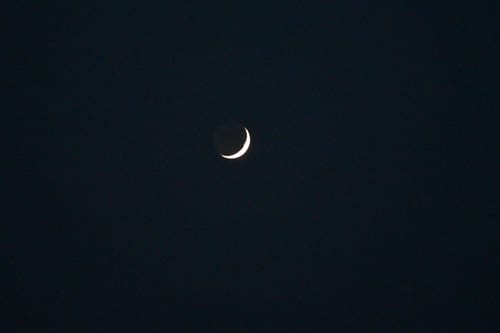
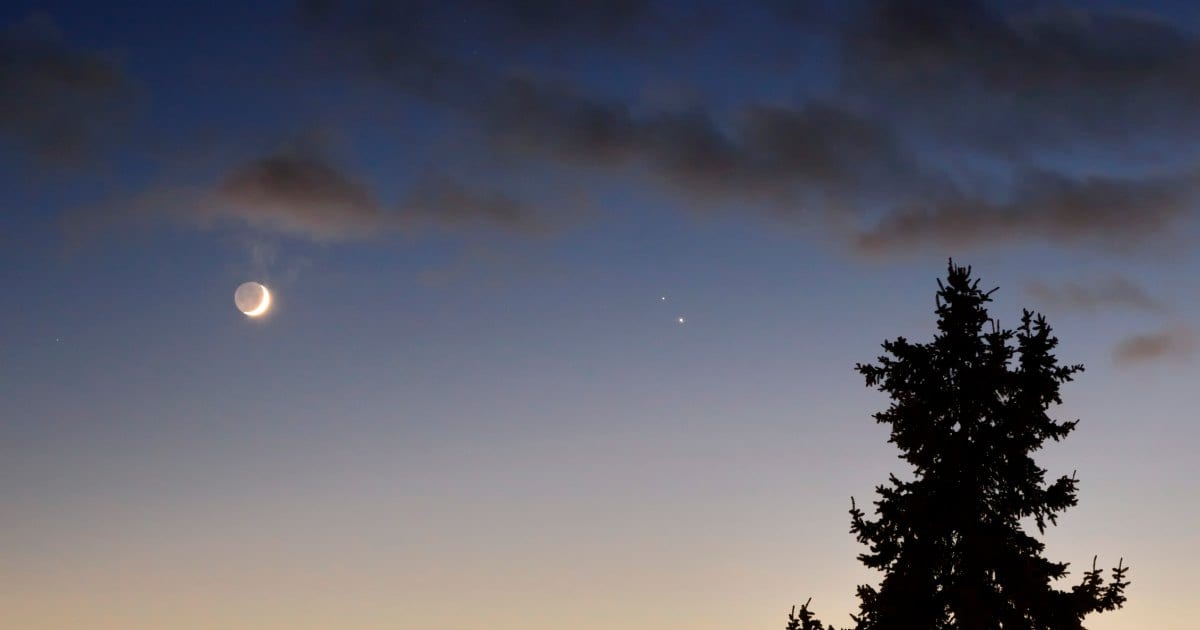
The image captures a bright crescent of the Moon in its waxing phase. This phase follows immediately after the New Moon phase.
The image captures a bright crescent of the Moon in its waxing phase. This phase follows immediately after the New Moon phase. — (Image Source: Getty Images)

At the exact moment of the New Moon on September 11, the Sun will illuminate 0% of the visible lunar disk, but this will quickly grow to a tiny fraction of a percent—0.1% according to TheSkyLive. Also, during the nights immediately before and after the New Moon, you can view a dazzling sight, popularly known as the Da Vinci glow or Earthshine, when the unilluminated portion of the Moon's disk is faintly lit in a bluish-gray glow along with the brightly illuminated crescent.
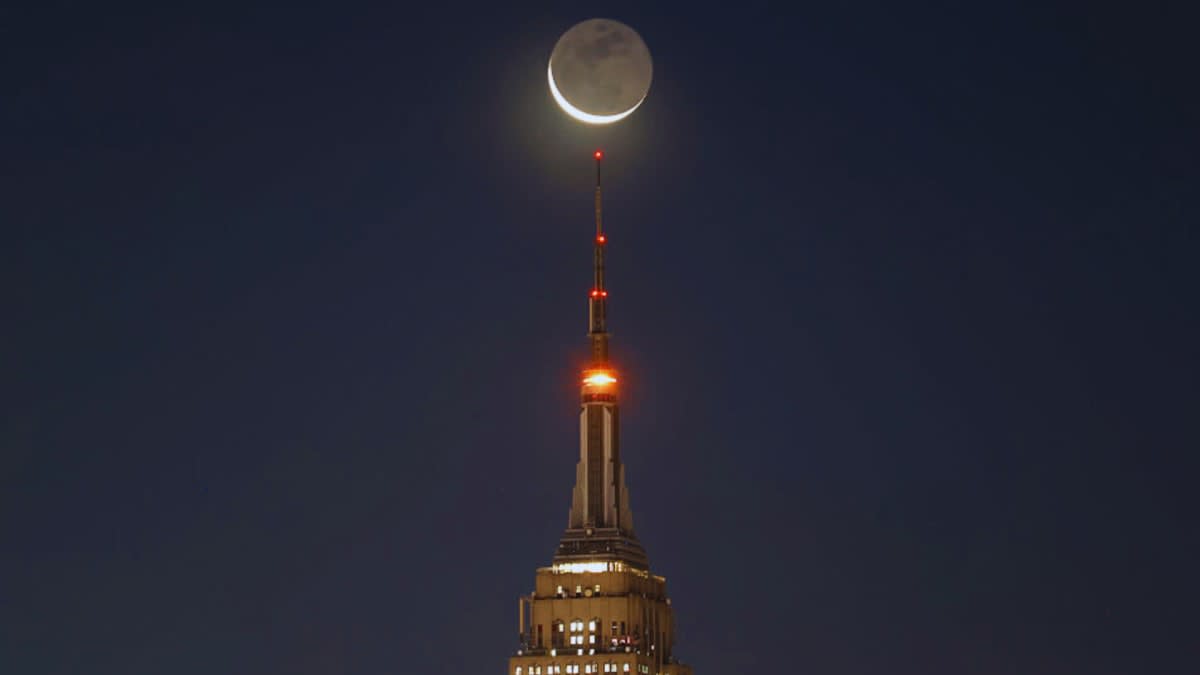
A four percent waning crescent moon illuminated with earthshine rises behind the Empire State Building in New York City. (Representative Cover Image Source: Getty Images | Photo by Gary Hershorn)
A four percent waning crescent moon illuminated with Earthshine rises behind the Empire State Building in New York City. (Image Source: Getty Images | Photo by Gary Hershorn)

A good chance for U.S. skywatchers: What to spot on the New Moon night

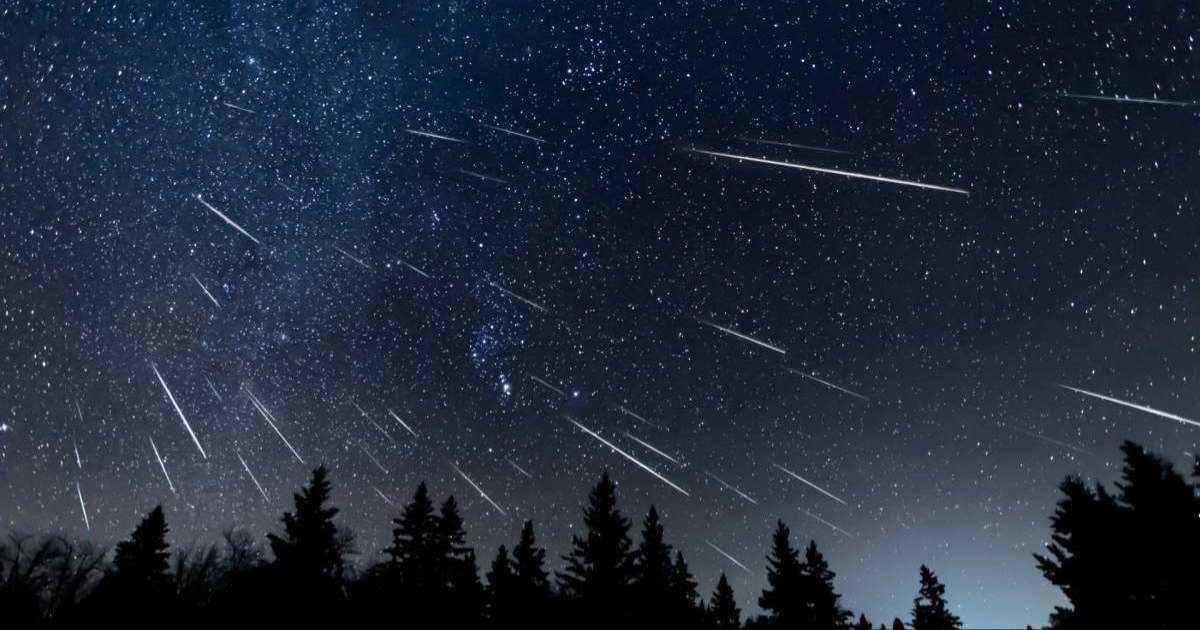
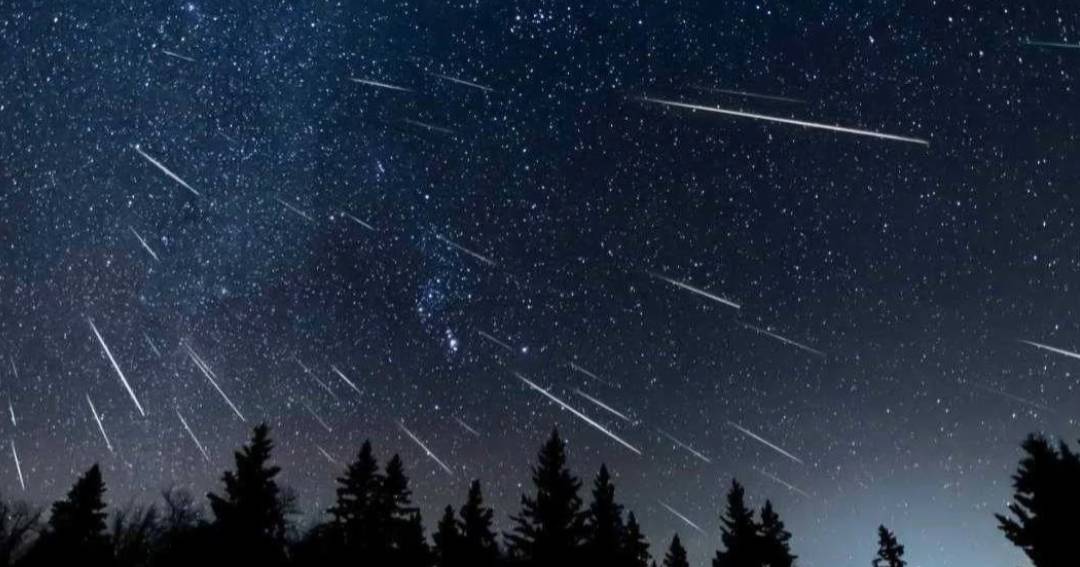
The dark sky during this night will be ideal for viewing celestial targets that would usually be washed out by moonlight. You can expect to catch a glimpse of planets, meteor showers, and deep-sky targets such as nebulae, galaxies, and star clusters. Also, according to National Geographic, this will be among the last chances in 2026 to view the Milky Way core in the Northern Hemisphere as the faint stars can come into view in the darkened sky. Try viewing these targets at locations far from city lights.
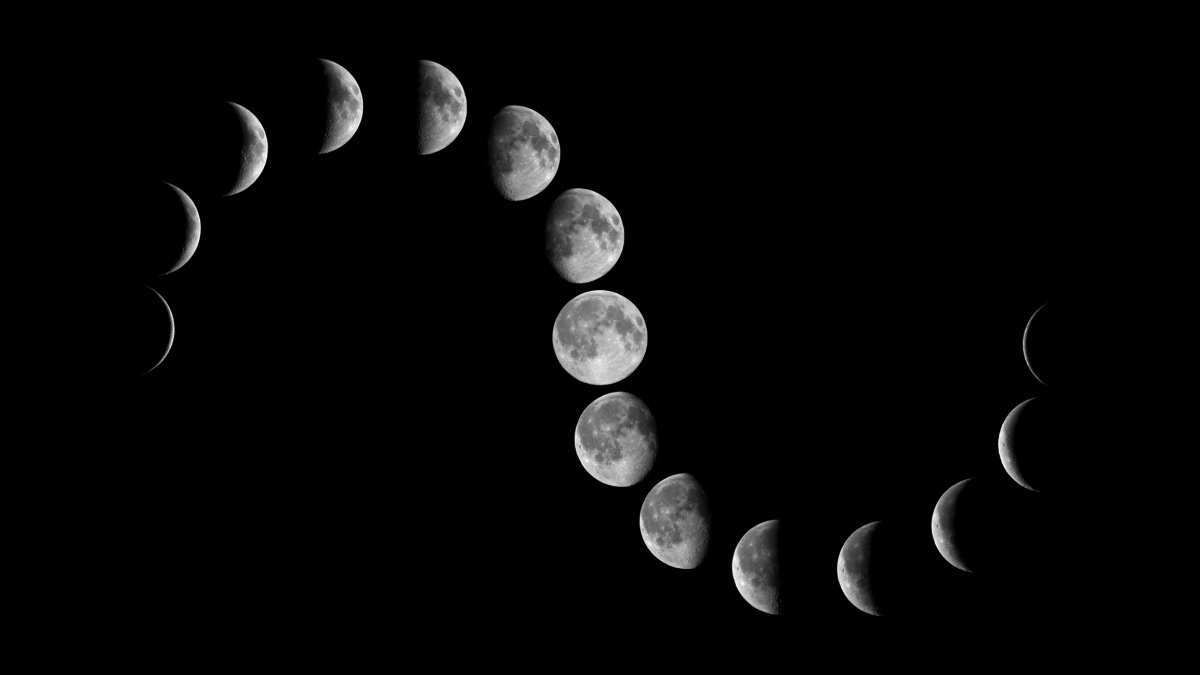
All phases of Moon: Waning Crescent, Third Quarter, Waning Gibbous, Full Moon, Waxing Gibbous, First Quarter and Waxing Crescent on one big mosaic against black background (Representative Image Source: Getty | dzika_mrowka)
All phases of the Moon: Waning Crescent, Third Quarter, Waning Gibbous, Full Moon, Waxing Gibbous, First Quarter and Waxing Crescent on one big mosaic against black background (Representative Image Source: Getty | dzika_mrowka)

This "invisible phase" period is also a favorable condition to view the zodiacal light—a hazy, triangular glow caused by sunlight scattered by interplanetary dust in the plane of our solar system.

More on Starlust

When and where to watch the next 5 total lunar eclipses in the U.S.: Dates and city-wise timings

September Full Moon 2026: How and when to watch this year's Harvest Moon
MORE STORIES

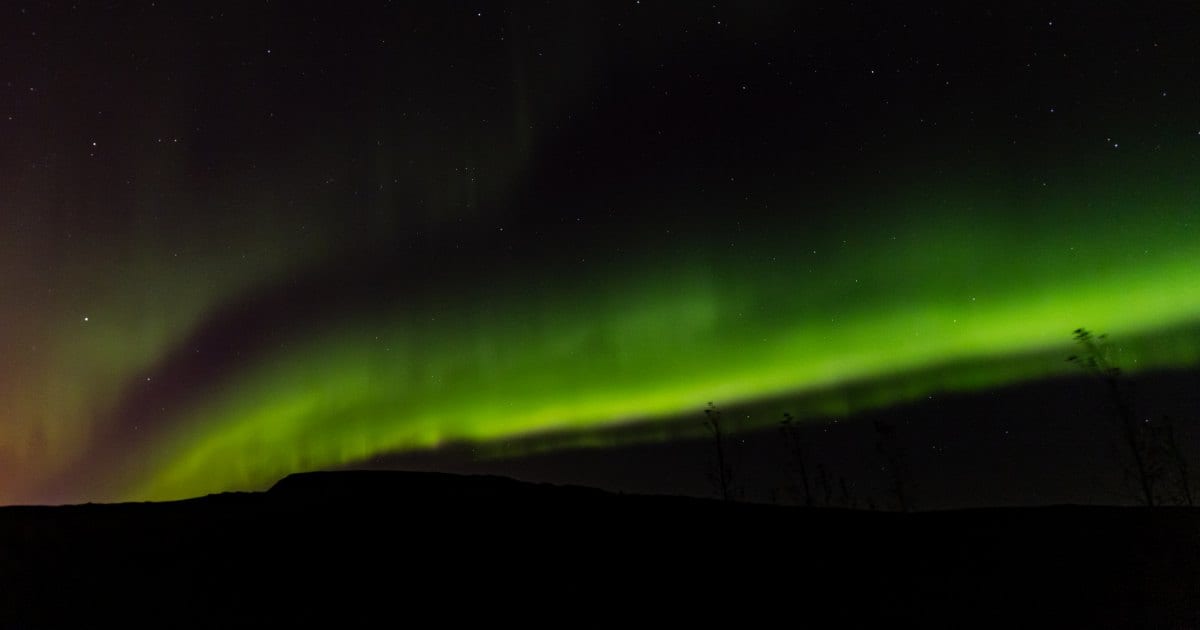
The aurora will extend farther south than usual, but viewing opportunities will be gone by Thursday.
2 hours ago
As Venus sinks deeper with each passing night, here's when you can view it in the evening sky in the coming weeks.
1 day ago
The geomagnetic storm is understood to be a result of an C9-class solar flare that hurled a coronal mass ejection towards Earth.
1 day ago
Comet McNaught, which showed 2 dramatic flare-ups this summer, can fade out as it travels farther from the Sun.
1 day ago
Let's have a look at timings of upcoming total lunar eclipses and their visibility across the U.S.
3 days ago
Conditions must be ideal, with dark skies, for one to spot the galactic center.
3 days ago
Tiangong will make several bright evening passes over the eastern U.S. over the next week.
4 days ago
Here are reasons for why you should definitely mark this annual event in your calendar.
5 days ago
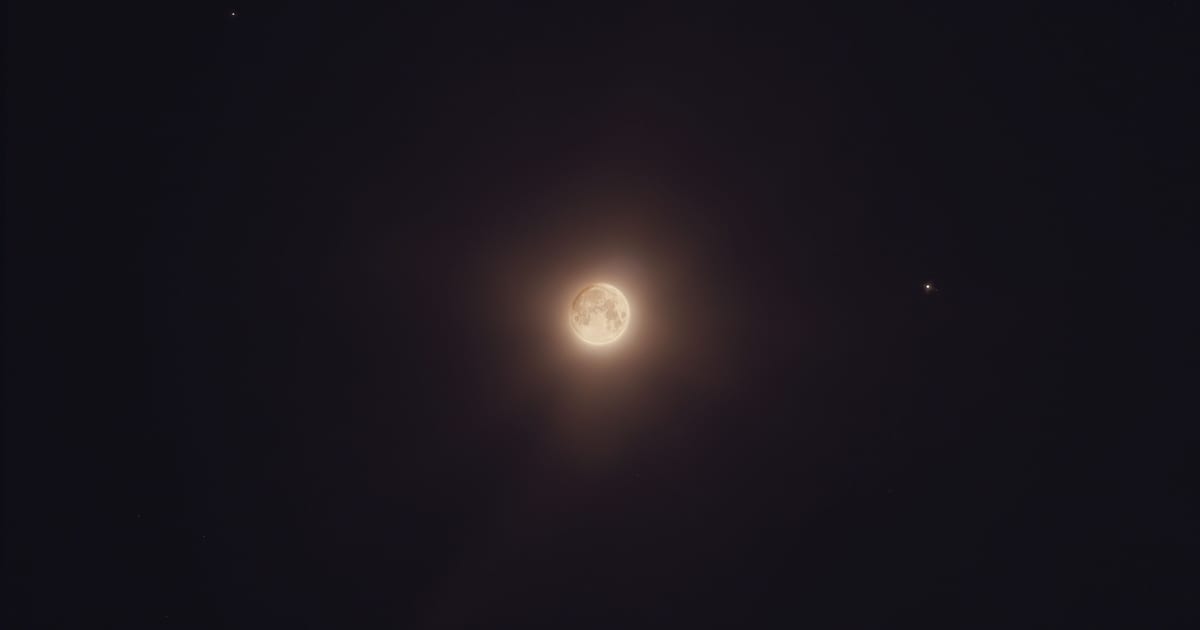
The Moon will hide Jupiter from view on September 8 in a rare skywatching event. Check city-wise timings here.
5 days ago
This year’s Harvest Moon will peak on Sept. 26. Here's how you can catch its glow from the U.S.
7 days ago