Moon phase today and what it means for skywatchers
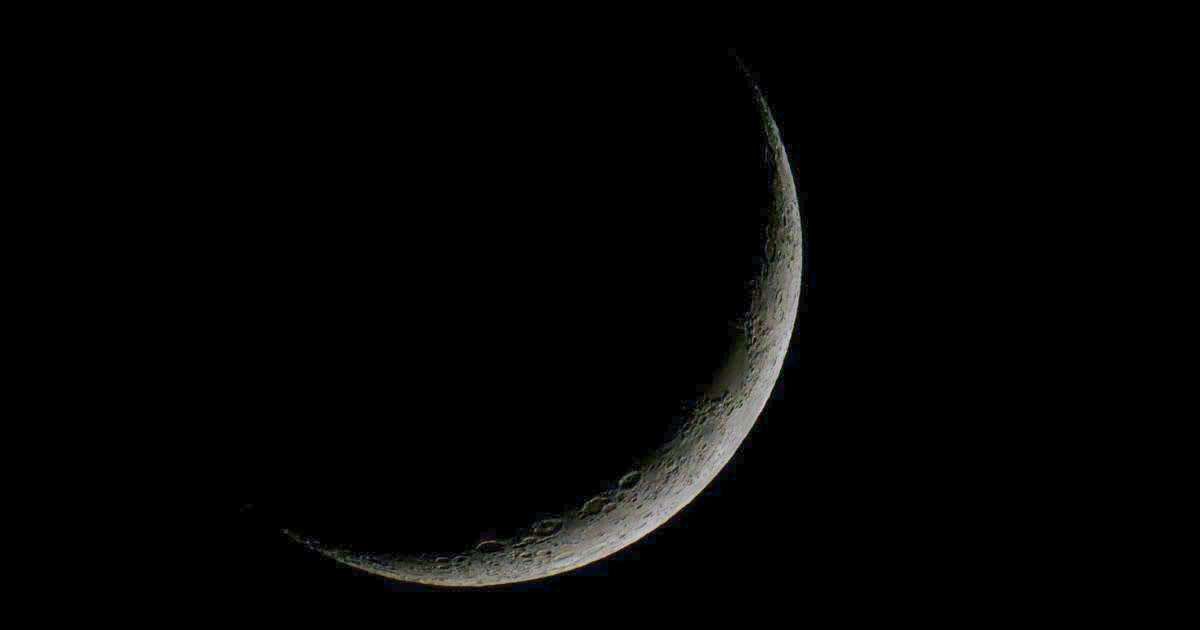
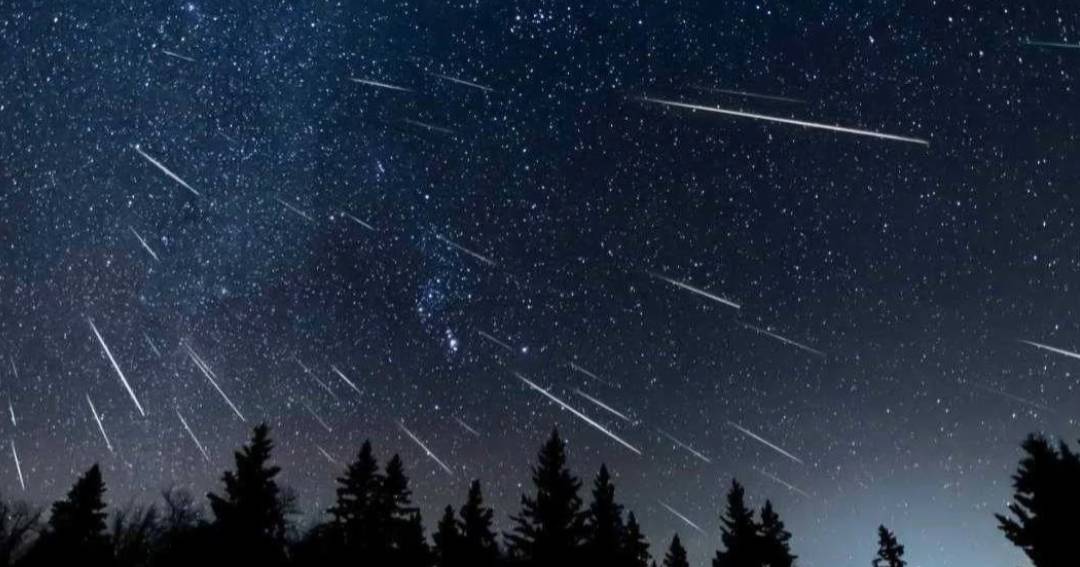
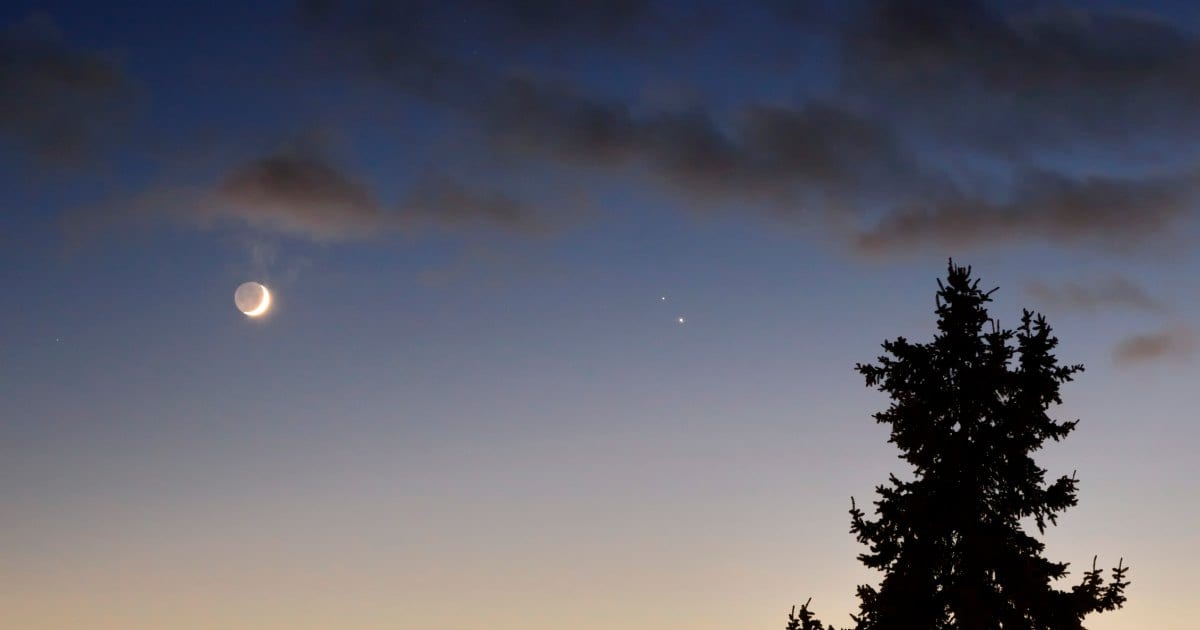
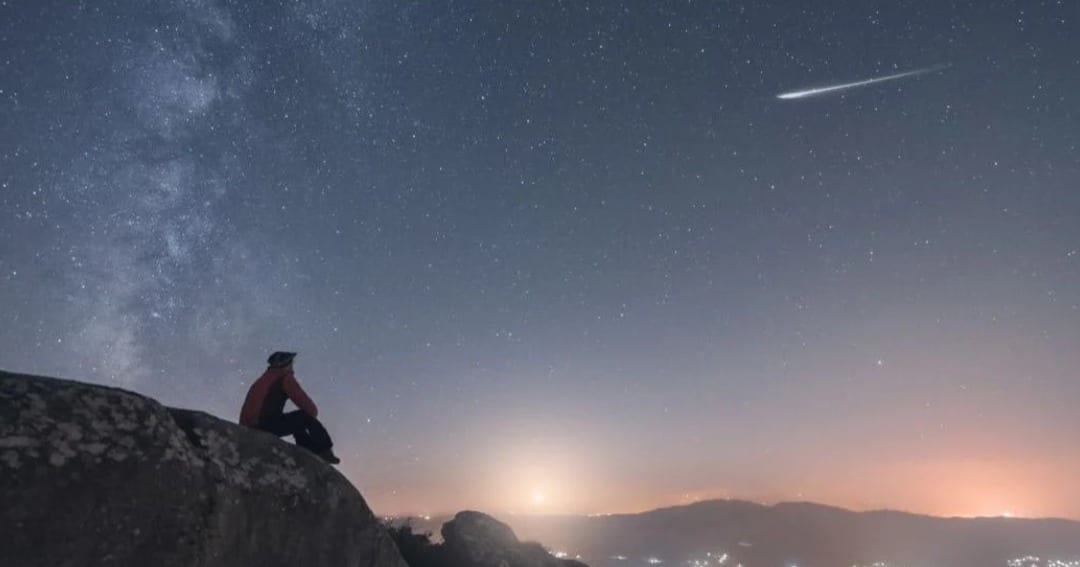
The Moon is in its waxing crescent phase tonight on January 21, 2026, being only two days old, and is at 7% illumination. Because of this, the majority of the night sky will be in deep darkness. This allows us access to the vast sky and the sights it has to offer, making various features brighter and more visible against the darkness.
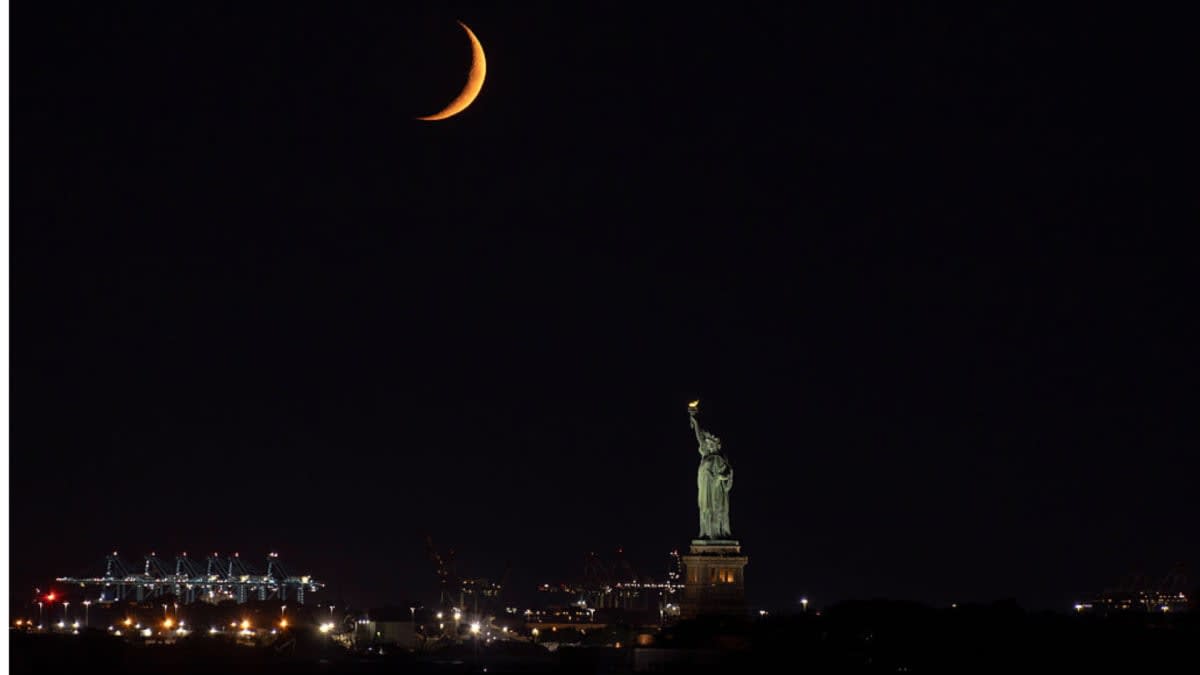
The waxing crescent helps view lunar features located near and to the west of the terminator. The features placed close to the terminator are usually well-placed for high-contrast viewing due to their extended shadow on the lunar surface. As per TheSkyLive, the present lunar longitude of the terminator is 57.5°, and it allows us to witness Mare Humboldtianum, Mare Marginis, Mare Smythii, and the craters Humboldt, Langrenus, and Petavius. Observers might also be able to see the phenomenon known as "Earthshine." Also known as the Da Vinci Glow, this occurs when sunlight reflects off the Earth and falls onto the dark portion of the Moon, according to Nine Planets. With Earthshine and so many features on the lunar surface set to be visible tonight, it might be a good time to dust off our telescopes and binoculars to document the sights.
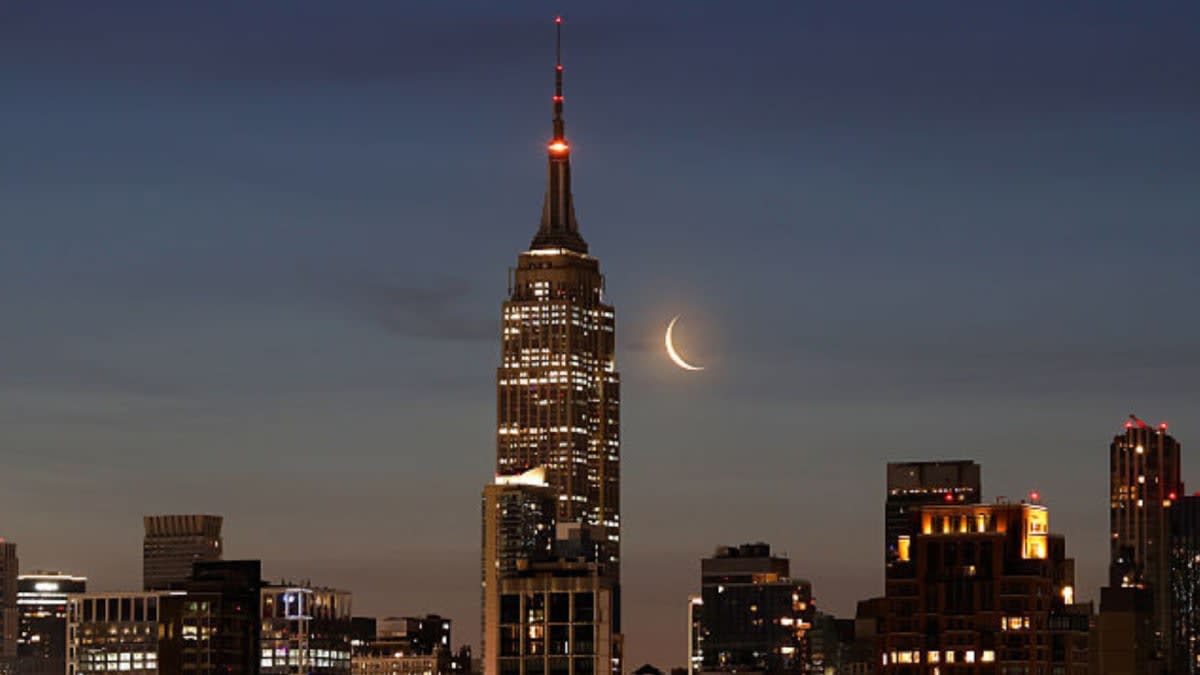
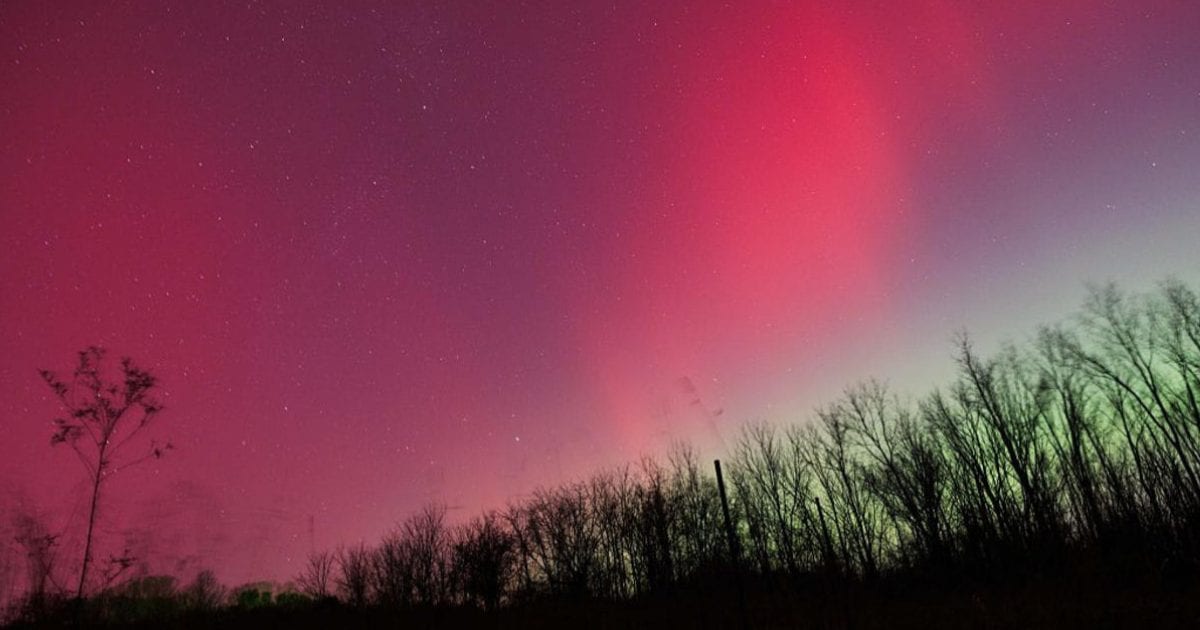
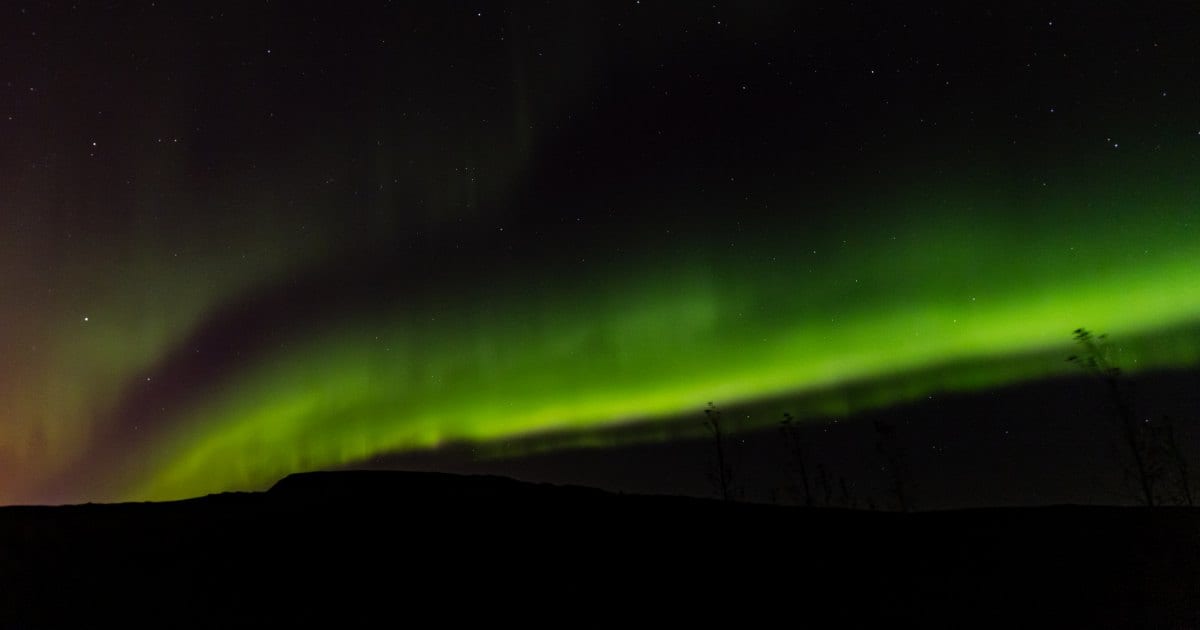
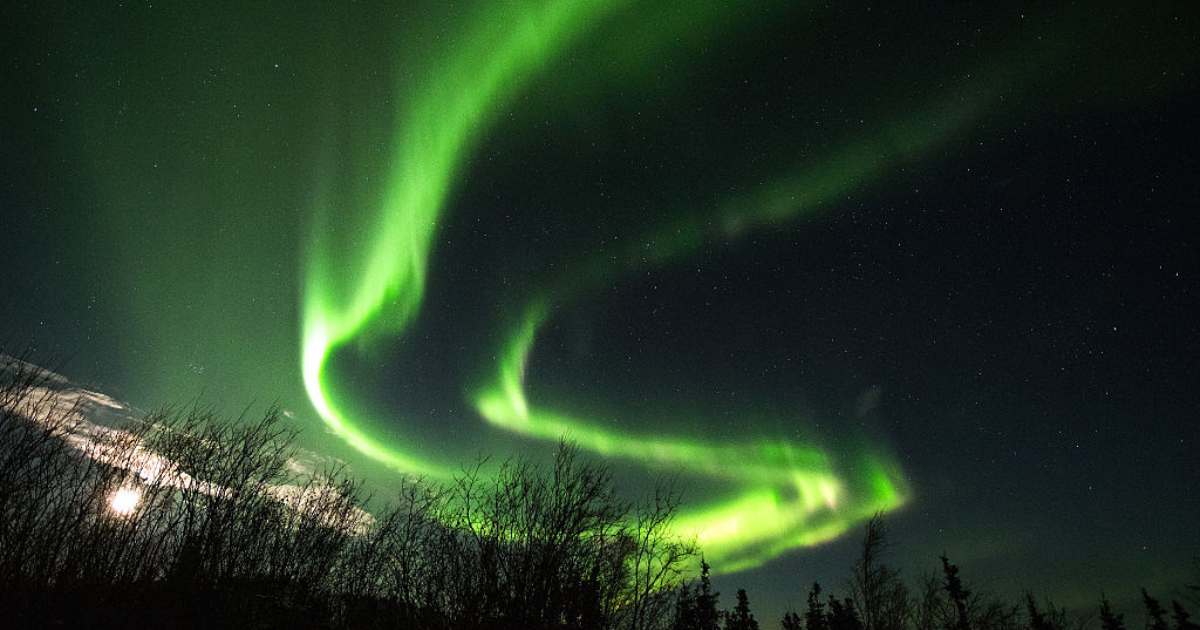
The low brightness of the Moon could also be good news for aurora enthusiasts. A severe geomagnetic storm categorized as G4, or 'severe,' made its way to our planet on January 19. The storm was triggered by a coronal mass ejection (CME) that collided with the Earth's magnetosphere, resulting in one of the most widespread auroral displays in recent times, with sightings reported across both high and mid-latitudes, according to Space.com. And while the peak is over and the effects of the geomagnetic storm are on the decline, there is still a chance that auroras may be visible tonight, even though they might be limited to the higher latitudes. And with the waxing crescent Moon not having enough light to wash out the night sky, the odds are not the worst.
According to CNET, the cold night sky might also be a good time to spot Jupiter alongside the light display and lunar fragment, as it will be the brightest thing in the sky after the Moon, offering an excellent view of its rings through a telescope.
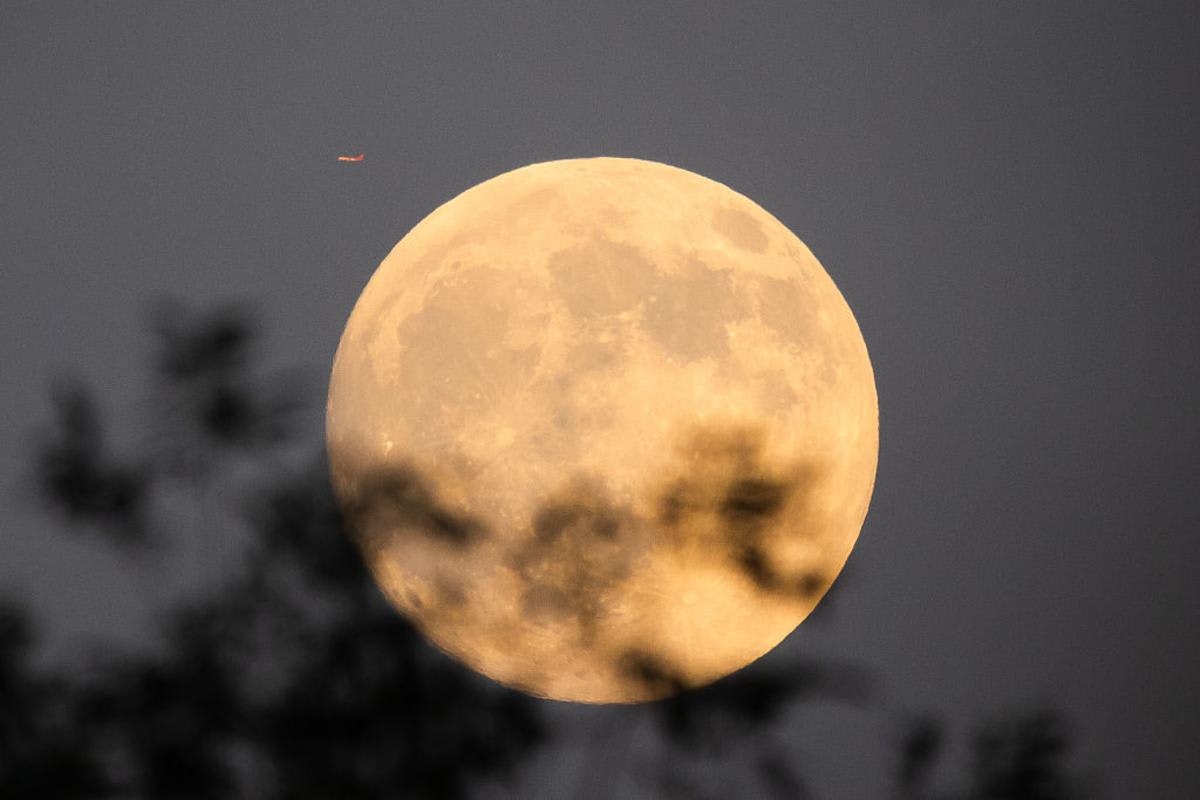
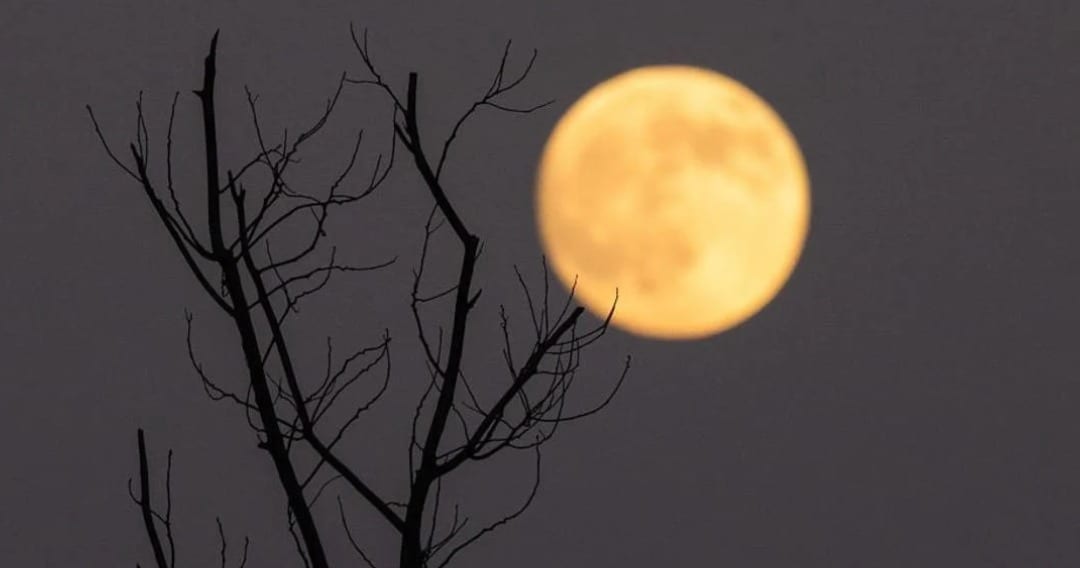
Following the waxing crescent phase, the Moon will enter its first quarter phase once it has completed a quarter of its monthly journey. At the time, half of its illuminated side will be visible. Thereafter, the Moon will enter the waxing gibbous phase, during which most of its dayside will be visible. Finally, on February 1, 2026, almost the entirety of the Moon's dayside will be visible, as it will be in its full phase.
More on Starlust
What will happen when the solar activity declines in the descending phase of Solar Cycle 25?