Moon meets Saturn and Neptune on November 1-2—here's when and how to watch
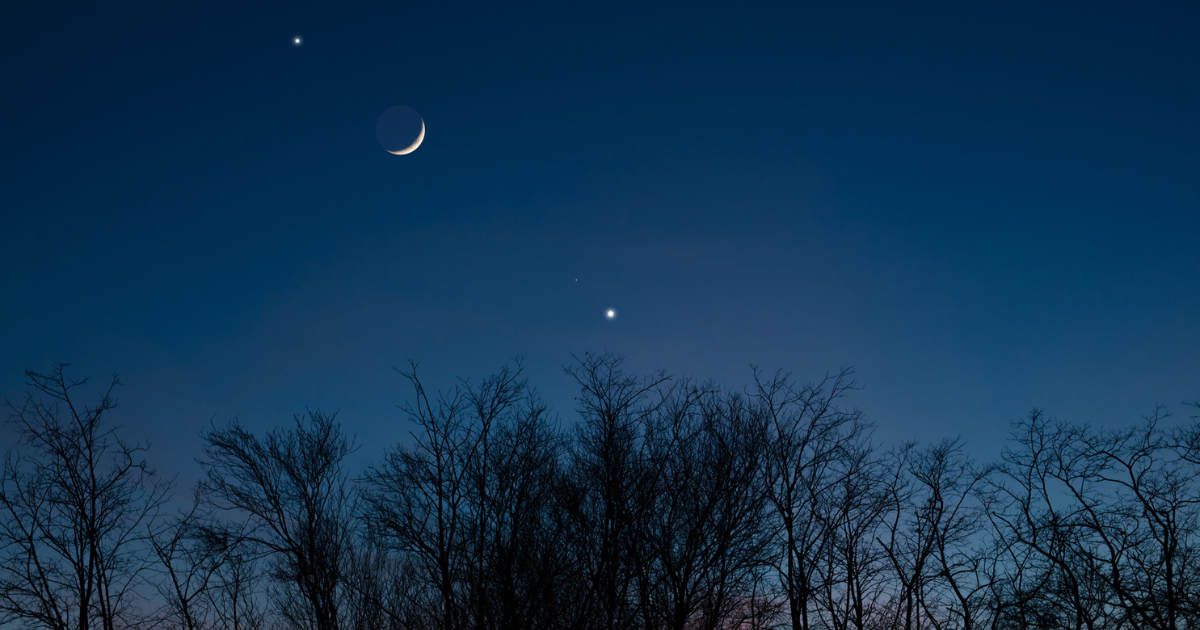
Observers are in for a treat as the moon makes a close pass of the gas giant Saturn and the ice giant Neptune on November 1 and 2, offering prime viewing opportunities, as per Astronomy.com.
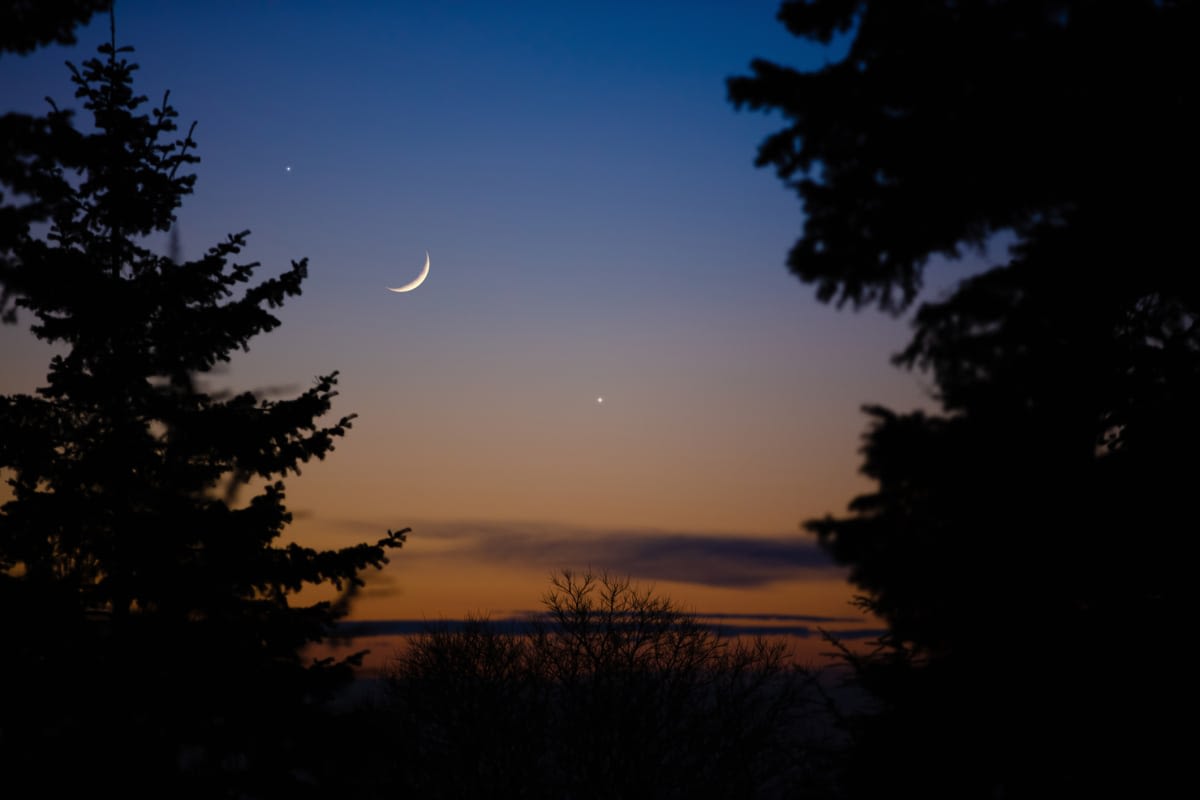
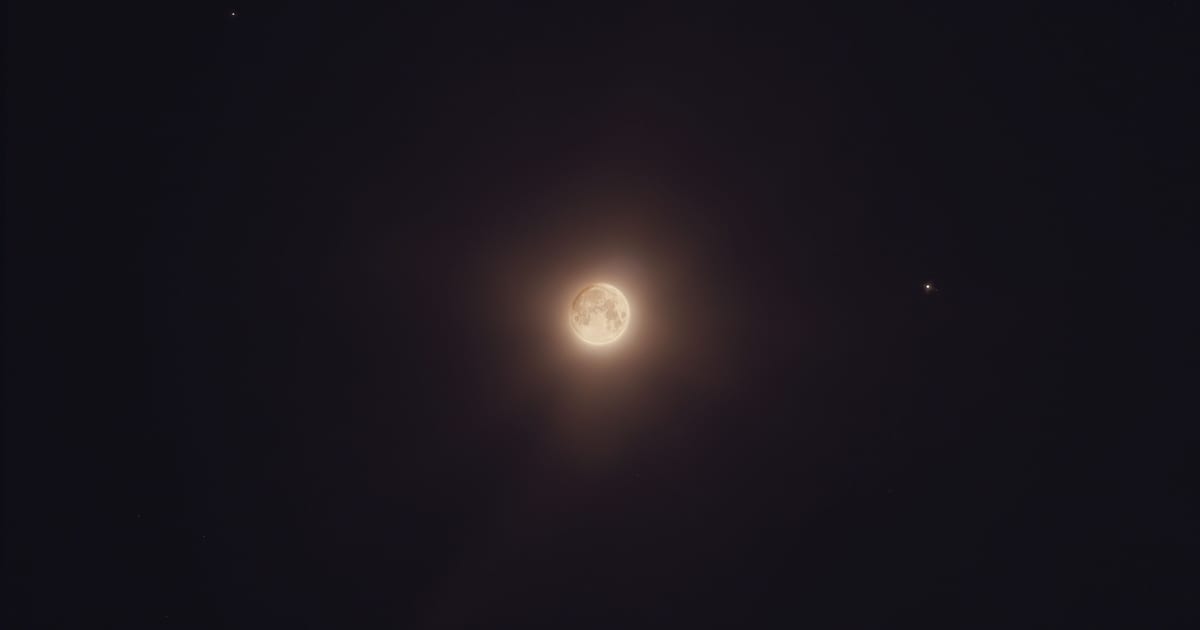
The celestial show kicks off on Saturday evening, November 1. The moon will be readily visible in the sky shortly after sunset. By 7 p.m. local daylight time, you should spot the waxing crescent in the southeastern sky, positioned slightly to the upper right of the bright, first-magnitude planet Saturn.
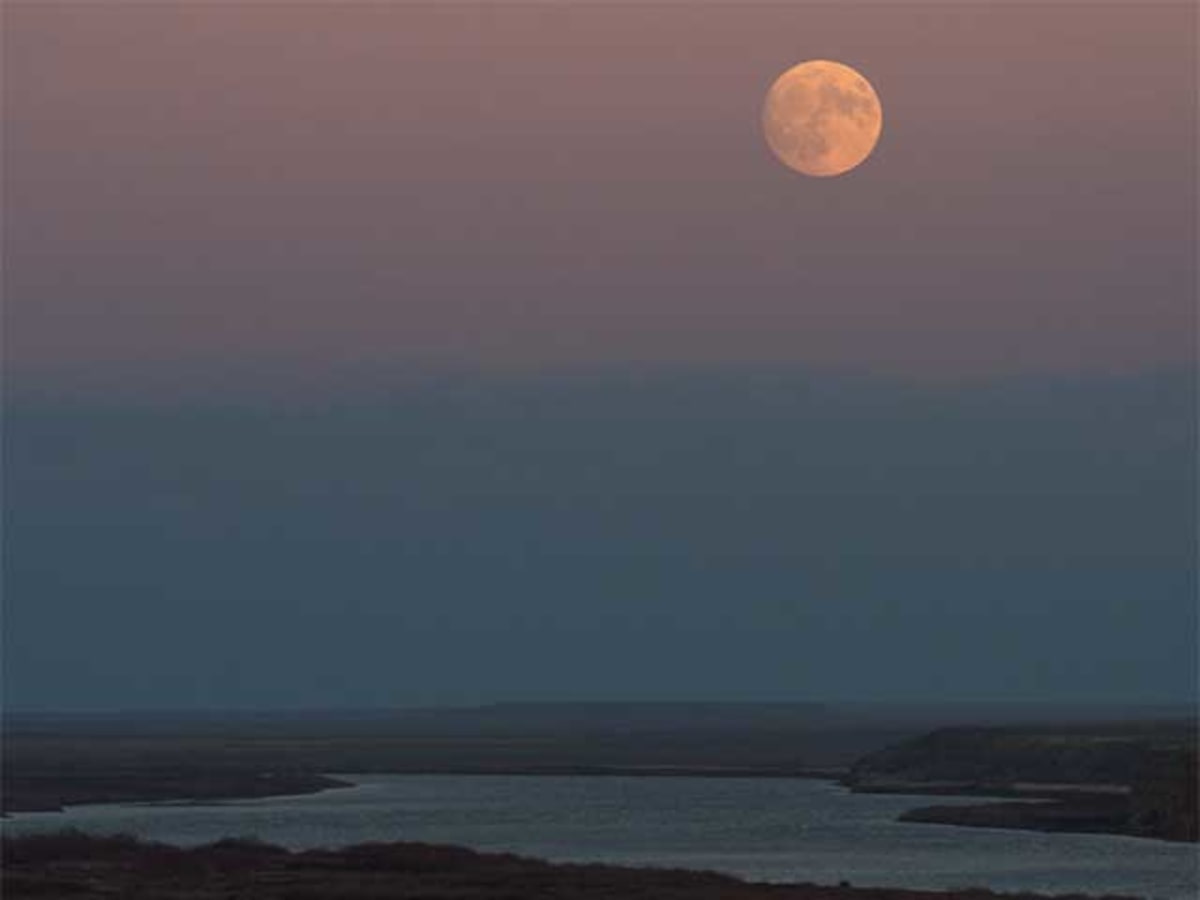
The early hours of Sunday, November 2, will see the moon execute two distinct planetary flybys. At 6 a.m. EST, the moon will pass just 4° north of Saturn. Later, at noon EST, it will pass 3° north of the far more distant Neptune. By Sunday evening, the moon will have shifted its position, now visible to the upper left of Saturn in the southeastern sky. Neptune lies between the two, but at magnitude 7.7, the planet will require optical aid (a telescope or strong binoculars) to spot. Viewing the faint ice giant will be challenging due to the moon's proximity and brightness. Note: for those in regions observing the end of daylight saving time, clocks will be set back one hour at 2 a.m. on November 2, transitioning to standard time.
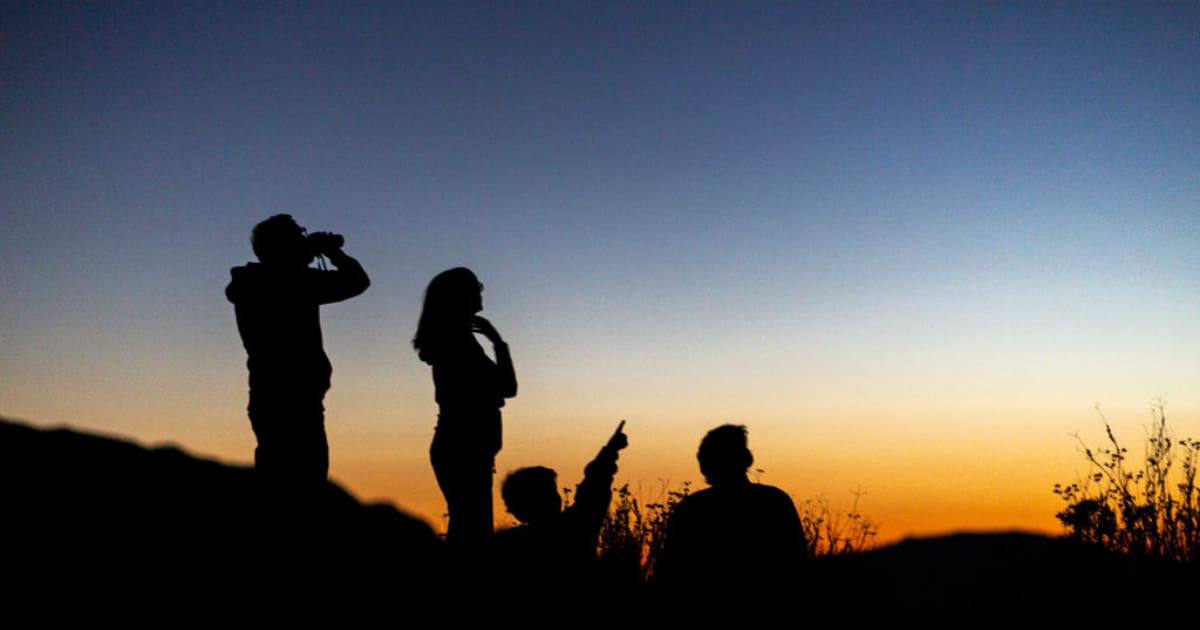
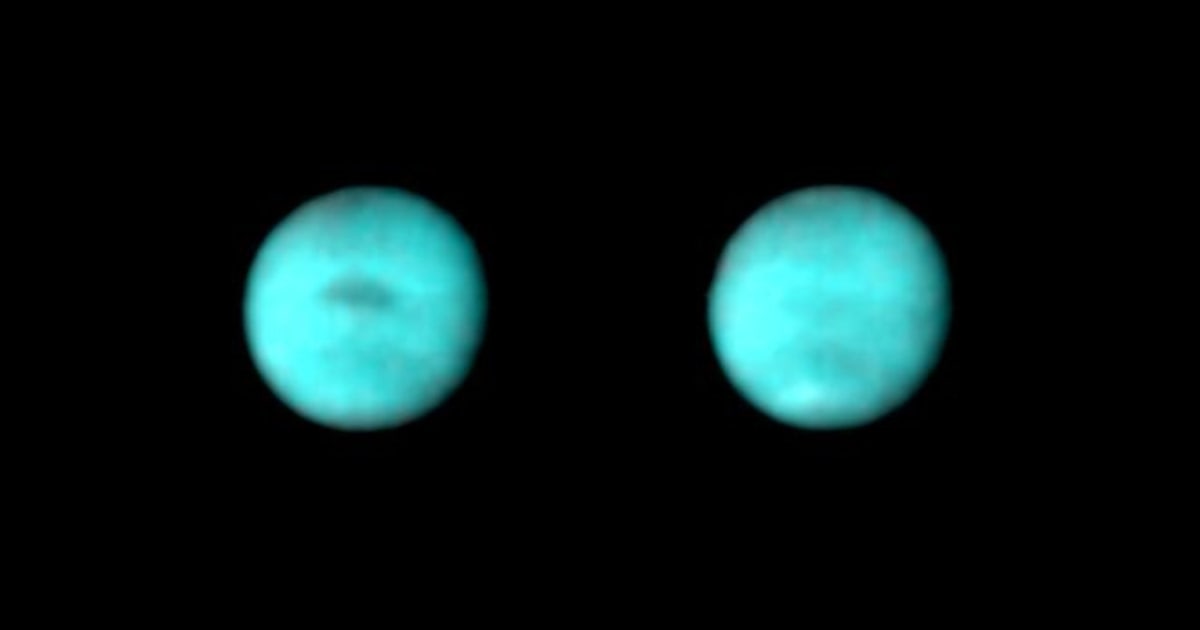
Experienced observers with a telescope may attempt to locate Neptune. To do so, center your instrument on Saturn, then pan approximately 4.2° northeast. Neptune will appear as a tiny, 2”-wide disk that may look gray or blue, positioned about 22’ north of a magnitude 7.5 field star. The star will appear as a sharp pinprick, while Neptune will appear slightly "flatter" in appearance. Even without catching a glimpse of Neptune, the event provides an excellent chance to observe Saturn and its distinct, razor-thin rings, which are currently tilted at less than a single degree toward Earth.
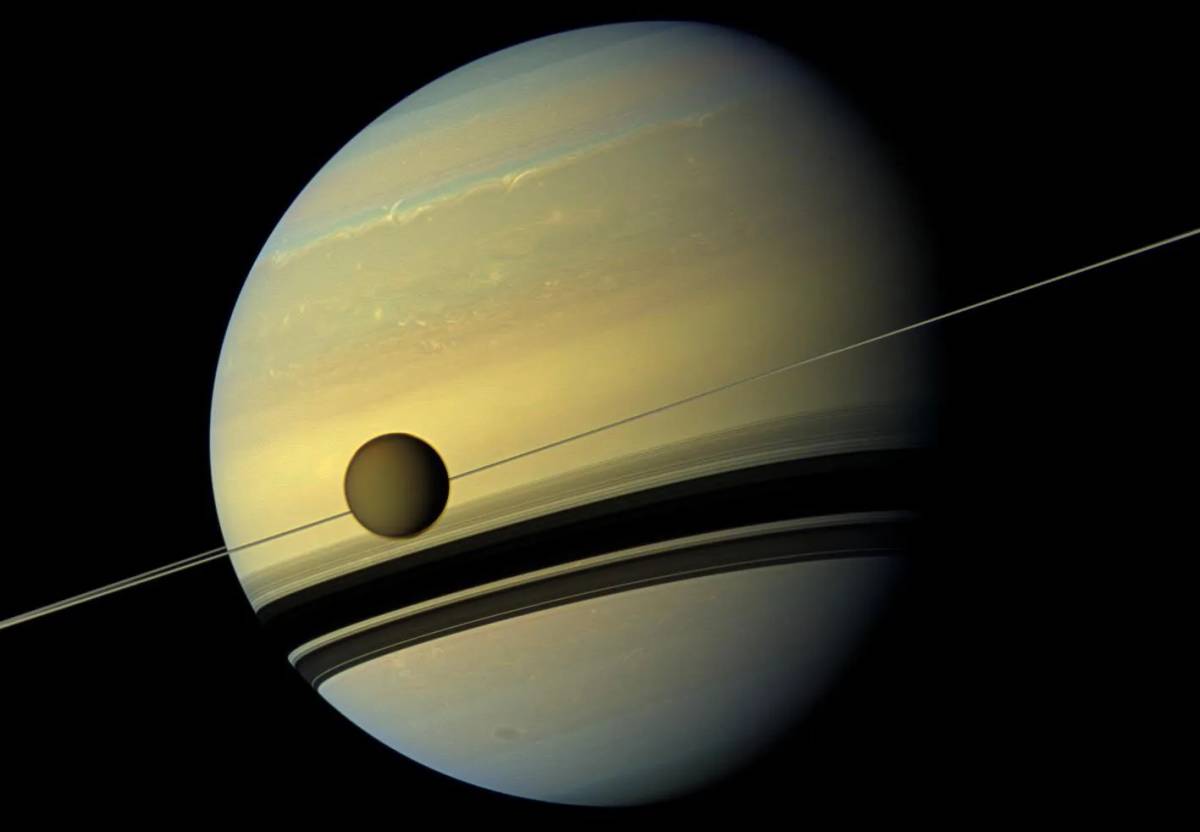
For those who have yet to identify Saturn without aid, this weekend offers a prime opportunity. According to BBC Sky, the gas giant will be visible as a bright, star-like object in the night sky. In fact, you may have already seen it without realizing its identity. To confirm its location, a reliable stargazing app can assist in pinpointing the planet. Once located, even a basic pair of binoculars or a small telescope will enhance the view, potentially revealing some of Saturn's brightest satellites, such as its largest moon, Titan.
Even without optical instruments, this close approach is still worthwhile. The reason the moon appears to meet different planets and stars is due to its nightly motion. While the distant stars and planets rise and set in roughly the same place, the moon continually tracks eastward across the sky. This movement allows it to "hop" from one celestial body to the next. As the moon approaches its full phase, as it is now, its travels create an especially pleasant period for naked-eye stargazing, making the coming evenings ideal for simply looking up.
More on Starlust
Will the Beaver Supermoon — the biggest of 2025 — be visible in your country on November 5
November 2025 skywatching guide: This year's biggest supermoon, Leonids fireballs and more