Missed Jupiter's lunar occultation? Catch Venus meeting up a crescent Moon in U.S. skies on September 14
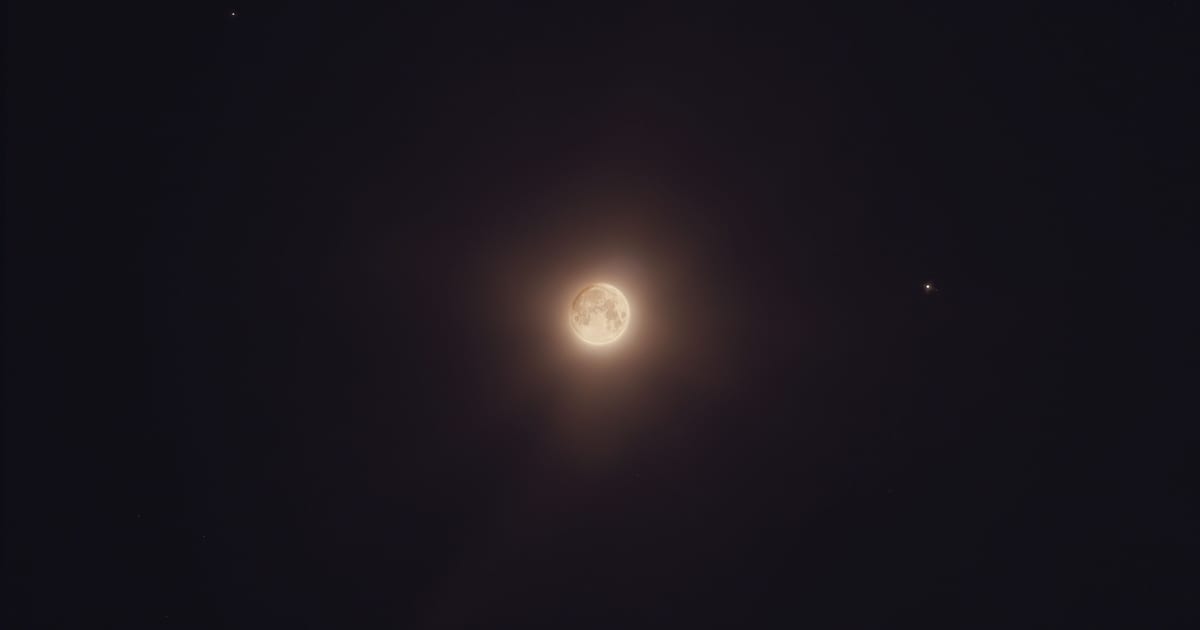
Stargazers across the U.S., Canada, and parts of Europe were treated to a stunning lunar occultation of Jupiter on September 8 in a rare daytime event. A lunar occultation is a phenomenon that occurs when the Moon passes directly in front of another object from our point of view. During the event, a waning crescent Moon eclipsed the gas giant as it passed in front of it, and the occultation lasted for about an hour in several major U.S. cities such as Boston, Washington, Chicago, and Miami, among others. But if you missed the occultation, there’s another celestial occurrence set to take place next week.
Get ready for a Moon-Venus meetup
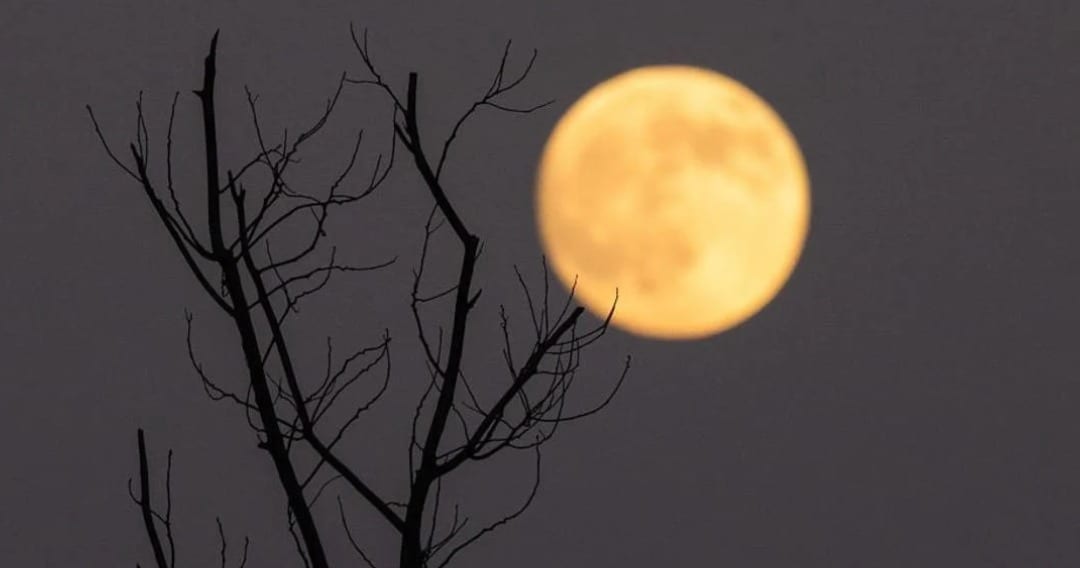
On September 14, Venus will slip behind the Moon before reemerging a few hours later. It will start at 2:26 am PDT (9:26 am UTC) and end at 6:42 am PDT (1:42 pm UTC), per InTheSky.org. According to NASA, this will mark the second of three occultations that Venus will undergo this year, and it will be visible from parts of Asia, Africa, Europe, and western Russia. The next such occultation will occur on November 7 and will be visible from South America.
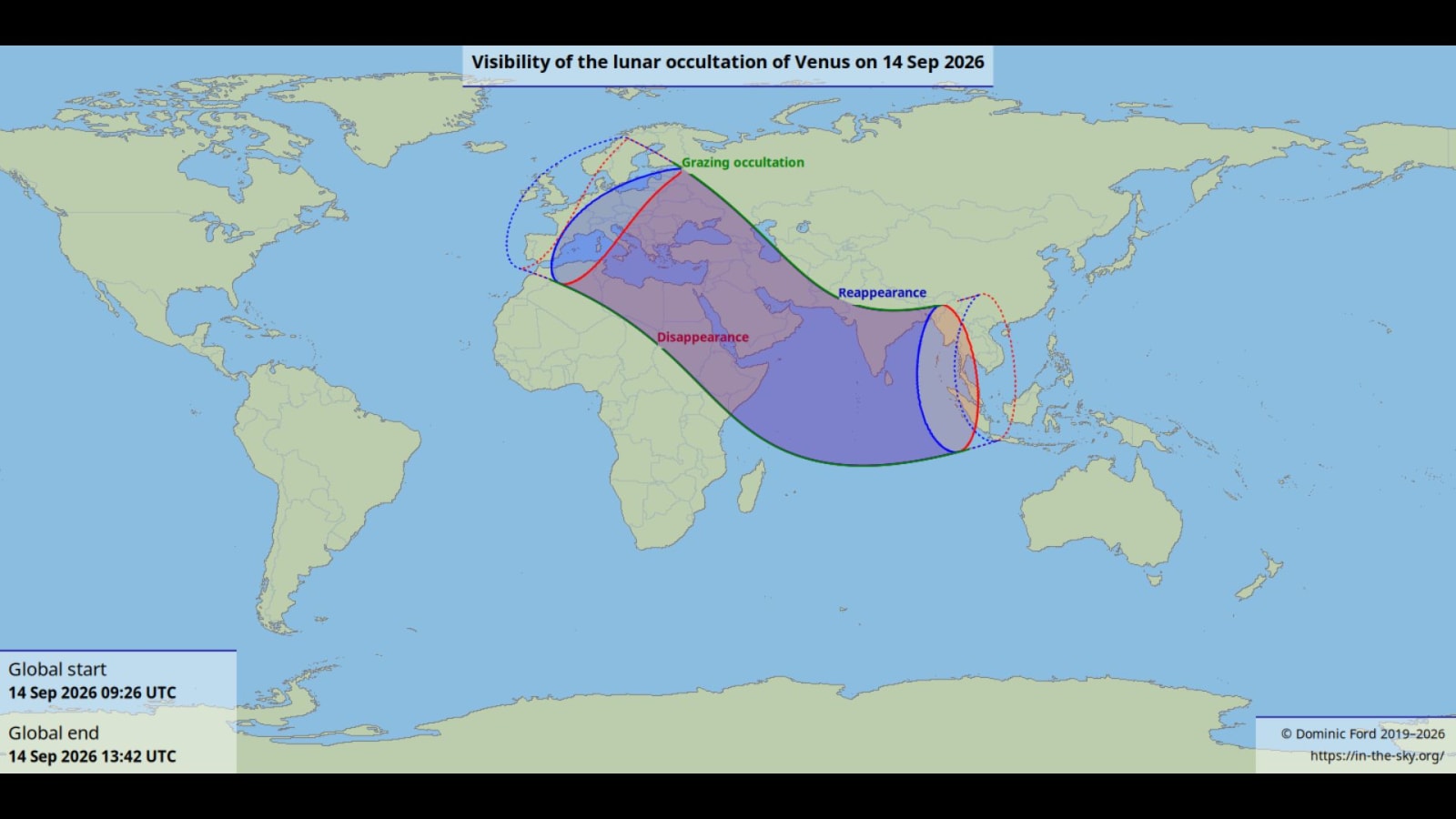
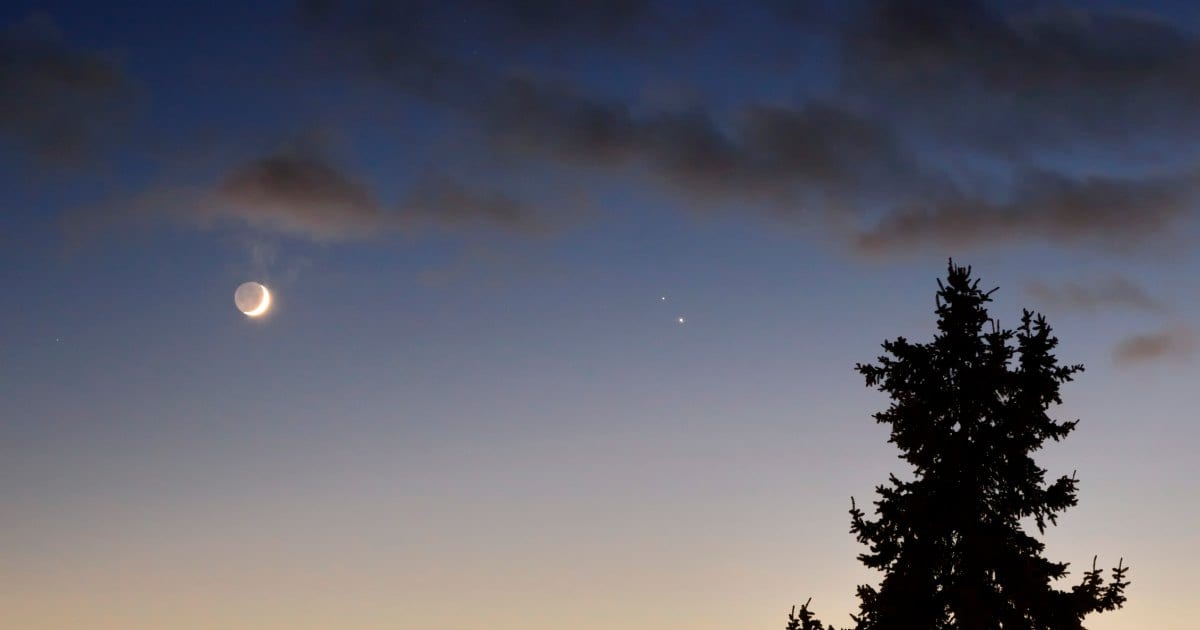
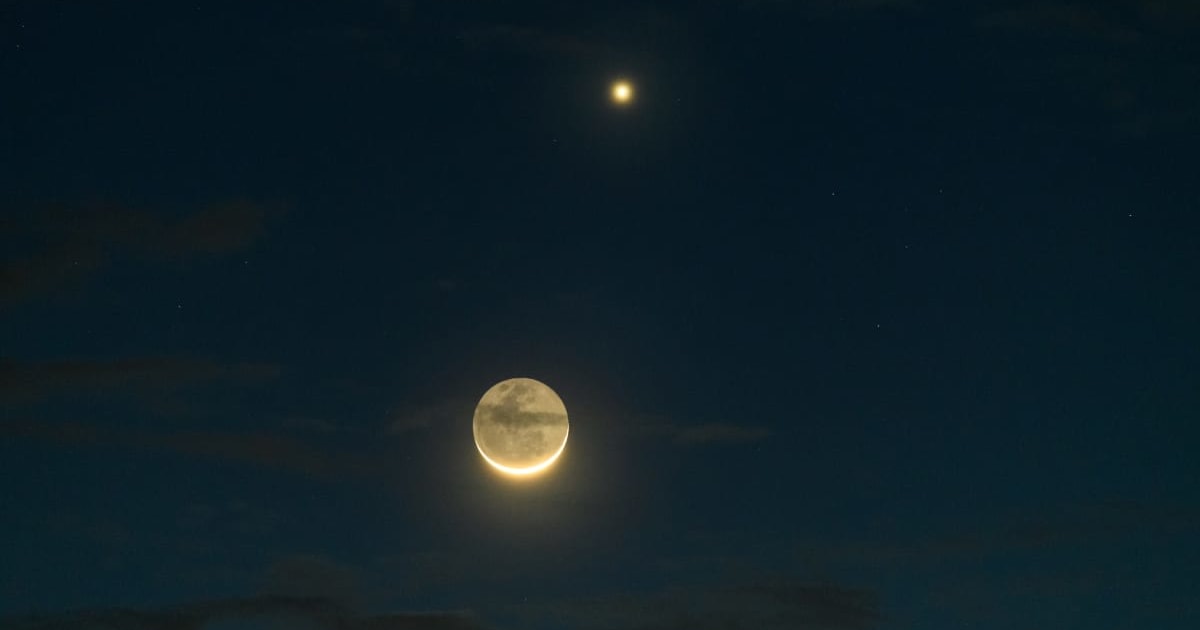
Unfortunately, the U.S. falls outside the path of the occultation on September 14, which ranges from Europe to Southeast Asia. However, you can still spot Venus and a waxing crescent Moon in close proximity in what will be a conjunction of the two celestial objects visible across the country. During a conjunction, two objects appear really close—just a few degrees apart—in the sky. To spot Venus, also known as the "Evening Star," look above the western horizon about 30 minutes after sunset. Make sure you have an unobstructed view of the horizon and that it’s not blocked by trees or buildings. According to the Astronomy Club of Asheville, Venus will be just 30 percent illuminated during September evenings, and it’s approximately 46.5 million miles (about 0.5 Astronomical Units) from Earth right now.
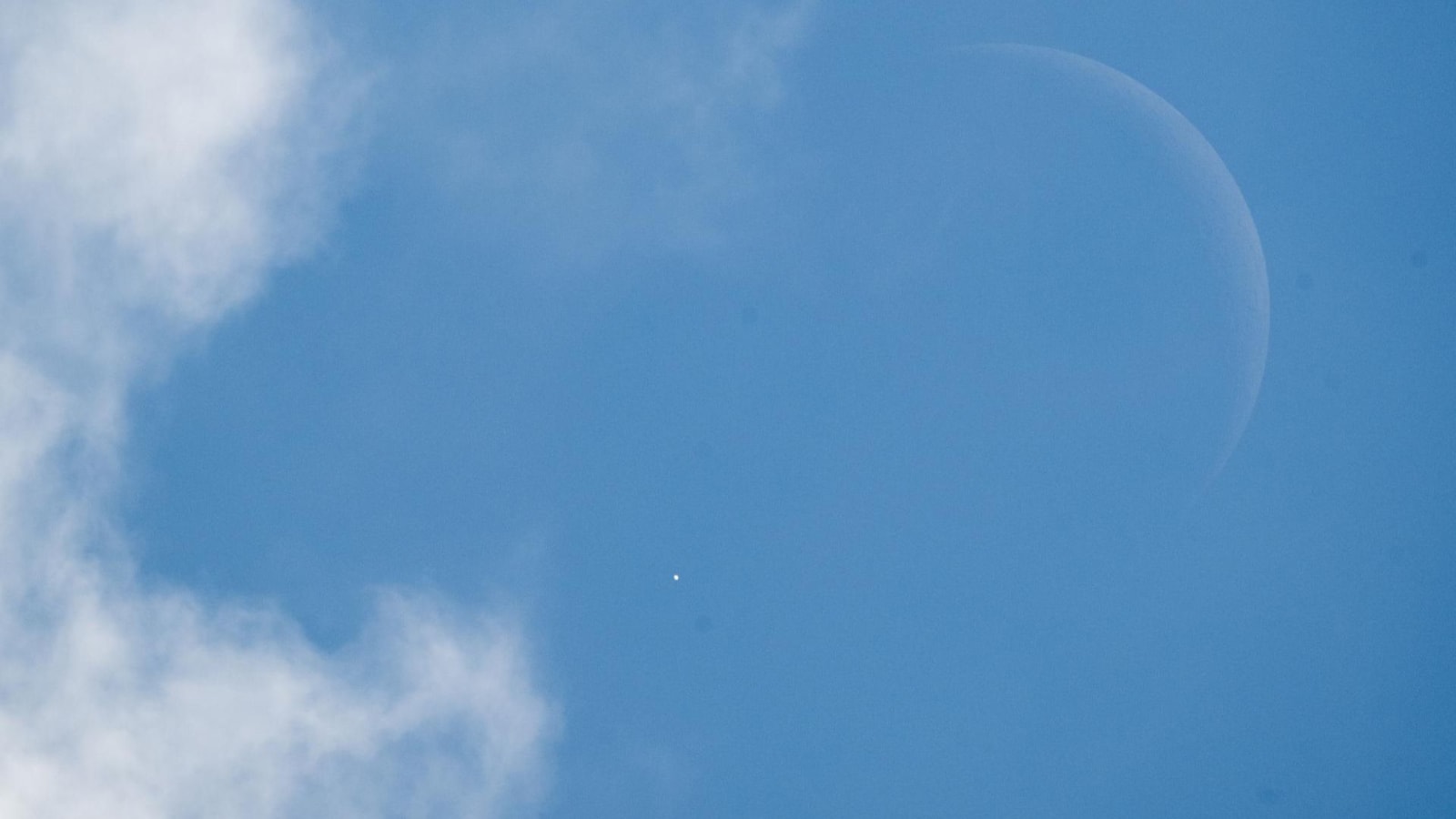
In Europe, next week’s occultation will be visible in several major countries such as France, Germany, Finland, Switzerland, Poland, Spain, Hungary, Sweden, Belgium, and Denmark. Just a few days after the occultation, on September 18, Venus will reach its peak illumination at a magnitude of -4.8. It will be visible above the western horizon just after sunset.
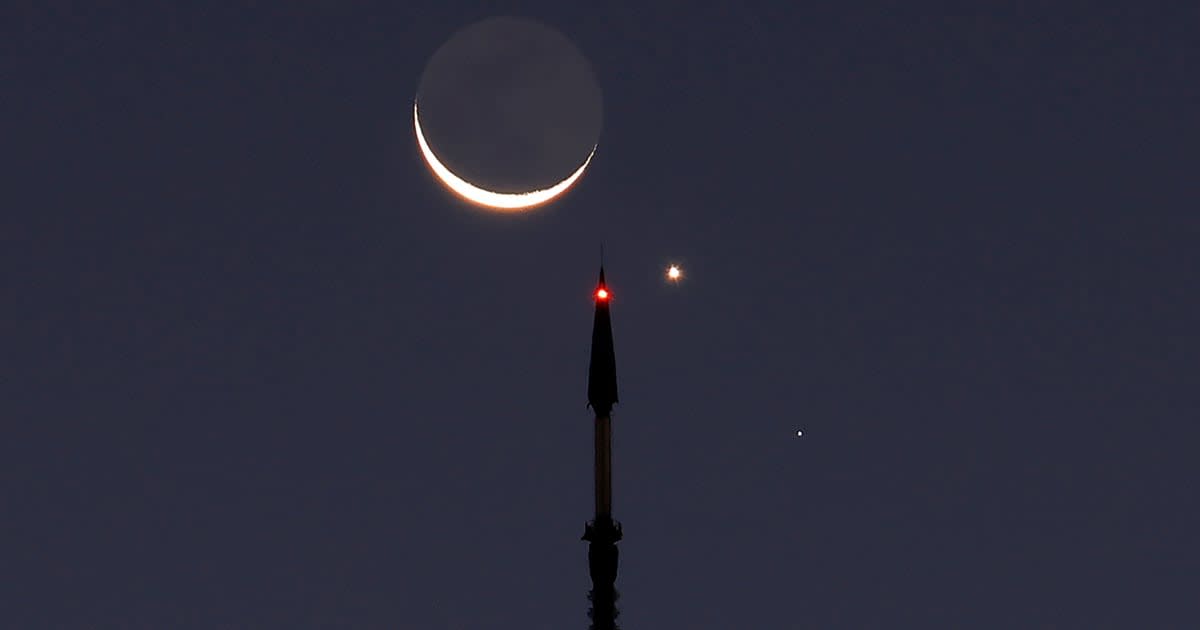
Another occultation that will be visible from the contiguous U.S. is Jupiter’s lunar occultation on October 6. This occultation in the U.S. will begin at 08:14 UTC and will end at 9:33 UTC, with visibility across cities like Orlando, Jacksonville, Miami, Atlanta, Charlotte, and Charleston, among others. While some western regions will only see a conjunction, the occultation will be widely visible across the eastern half of the country, including the Northeast, where observers across New England will have an excellent pre-dawn view.
More on Starlust
When and where to watch the next 5 total lunar eclipses in the U.S.: Dates and city-wise timings