March 3 total lunar eclipse: How to watch the ‘Blood Worm Moon’ if skies are cloudy
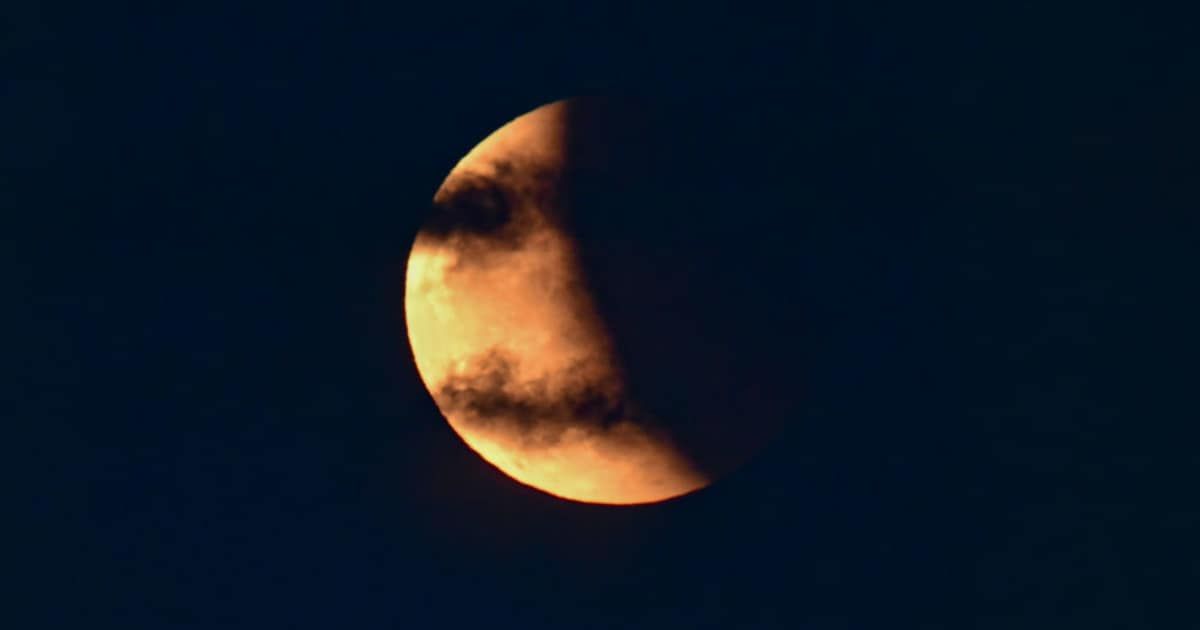
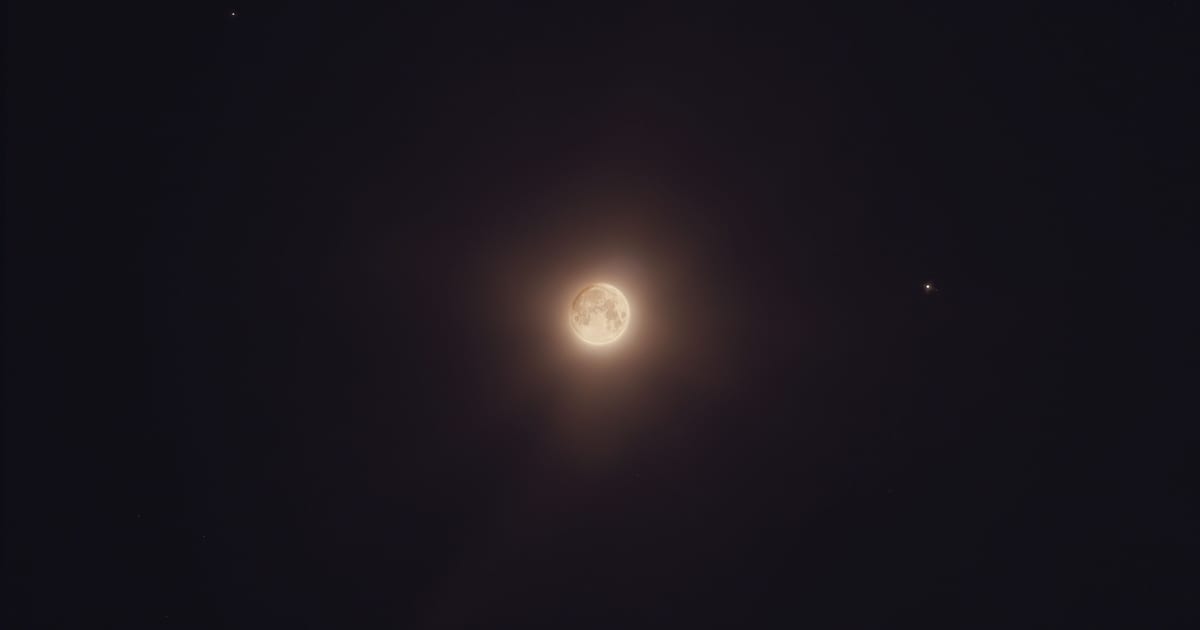
The Blood Worm Moon is nigh. Slated for March 3, 2026, the total lunar eclipse will last over 5 hours, with the penumbral phase starting at 8:44 UTC (3:44 am EST) and totality lasting for nearly an hour from 11:04 UTC (6:04 am EST) to 12:03 UTC (7:03 am EST), per NASA. While the phenomenon will be widely visible, cloudy skies can make it hard to see the red sphere. So what do you do if that happens? To catch the Blood Moon in its splendor without letting any natural element hinder you, you can tune into a live broadcast that has been scheduled to capture the total lunar eclipse in real time. Of course, each livestream will be subject to weather constraints as well. That's why it's important to have multiple options.
The Griffith Observatory
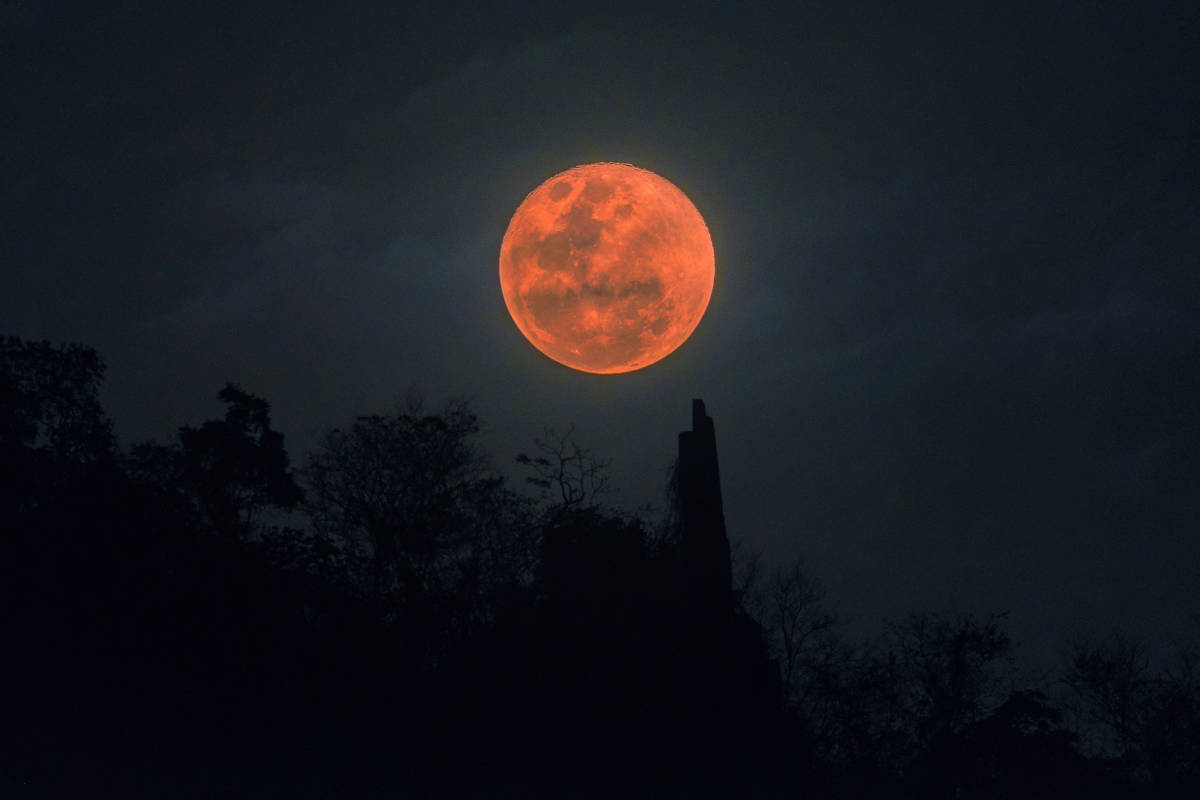
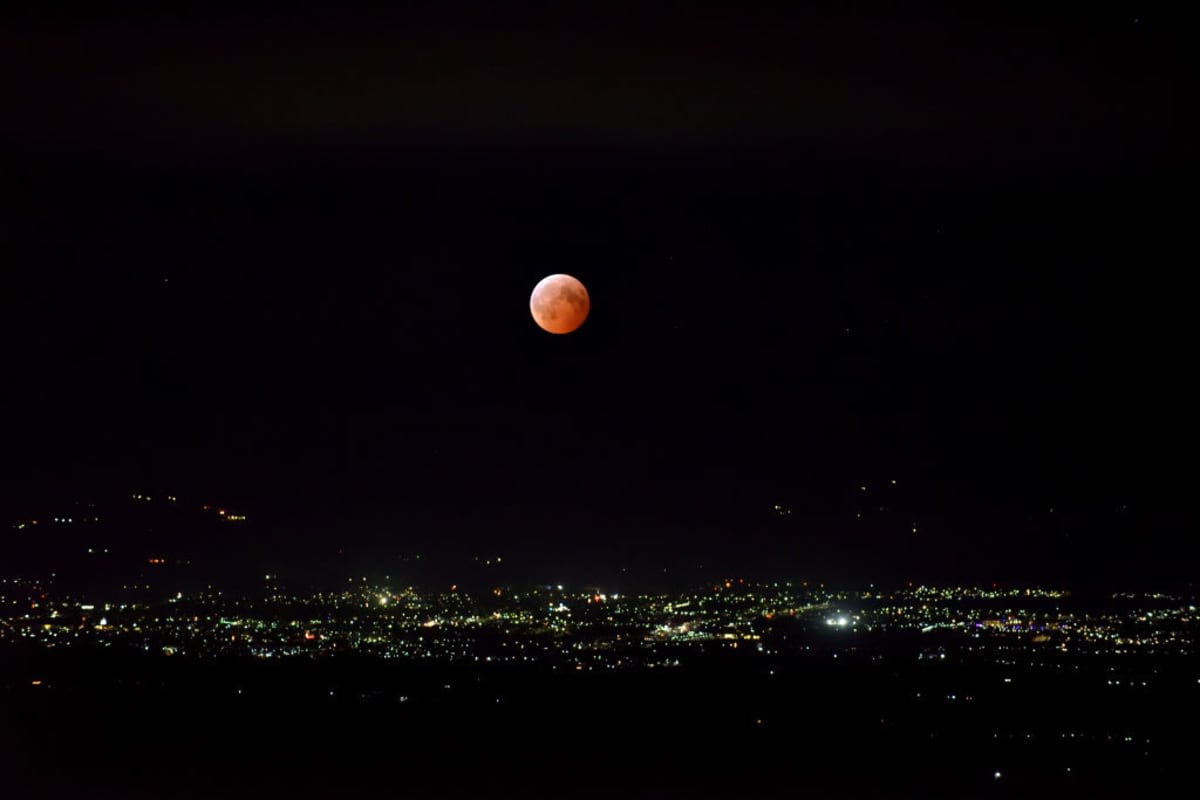
Founded in 1935 and hailed as ‘Southern California’s gateway to the cosmos,' the Griffith Observatory in Los Angeles has scheduled a live online broadcast of the total lunar eclipse, occurring on March 3, from 12:37 am to 6:25 am PST (3:37 am to 9:25 am EST). To access the livestream, visit this link on the observatory's YouTube channel. Tuning in at the stated timings will help you enjoy the entire lunar eclipse on your screen, with the red Moon visible in the southwest sky of LA.
timeanddate.com
Journalist Anne Buckle and astrophysicist Graham Jones will be hosting timeanddate's livestream of the total lunar eclipse between March 2 and 3 on its YouTube channel—something that they have been doing successfully together since 2017. The website also has a live eclipse clock that is counting down to the point when the lunar event will begin.
The Virtual Telescope Project
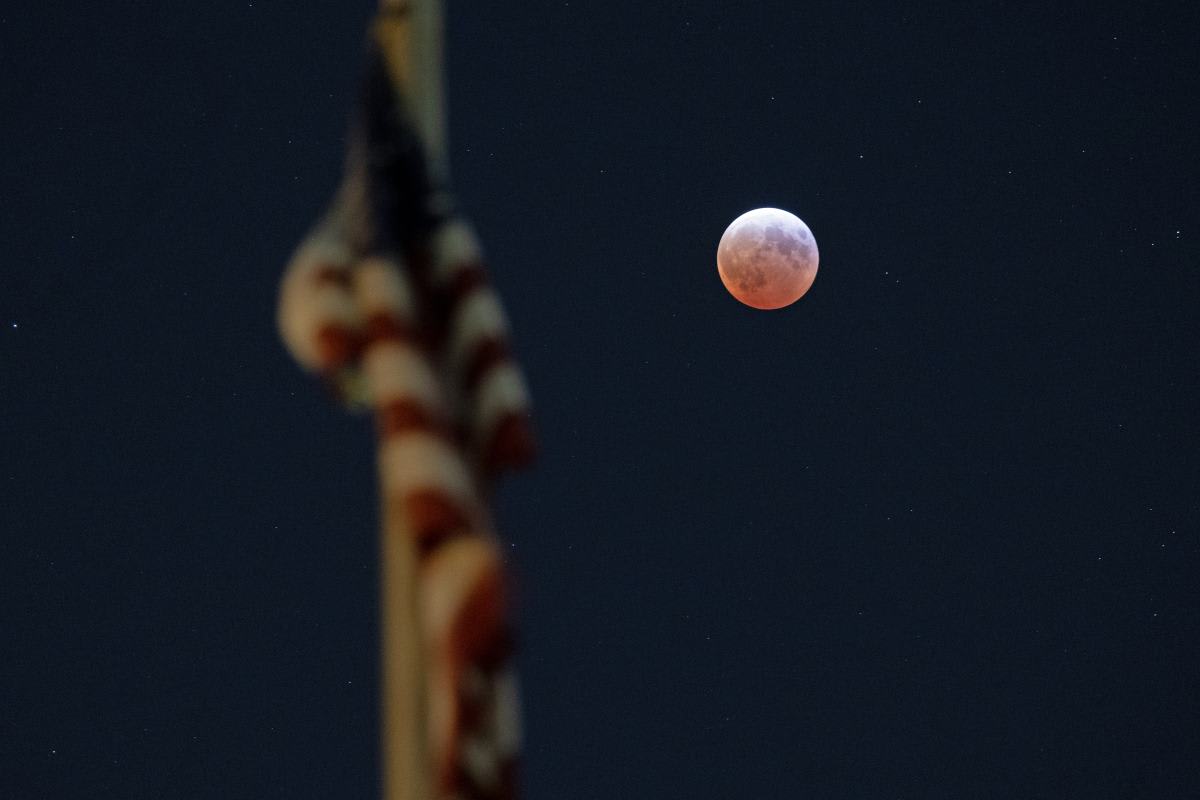
No surprises here. The Virtual Telescope Project, Italy, will be kicking off its livestream of the eclipse at 8:30 UTC (3:30 am EST) on March 3 on its WebTV page. What's more? In a truly international effort, the organization will be collaborating with some of the best astrophotographers from Australia, Canada, and the USA to give viewers the best possible experience. The whole event will be coordinated by astrophysicist Gianluca Masi, who will also be providing live commentary.
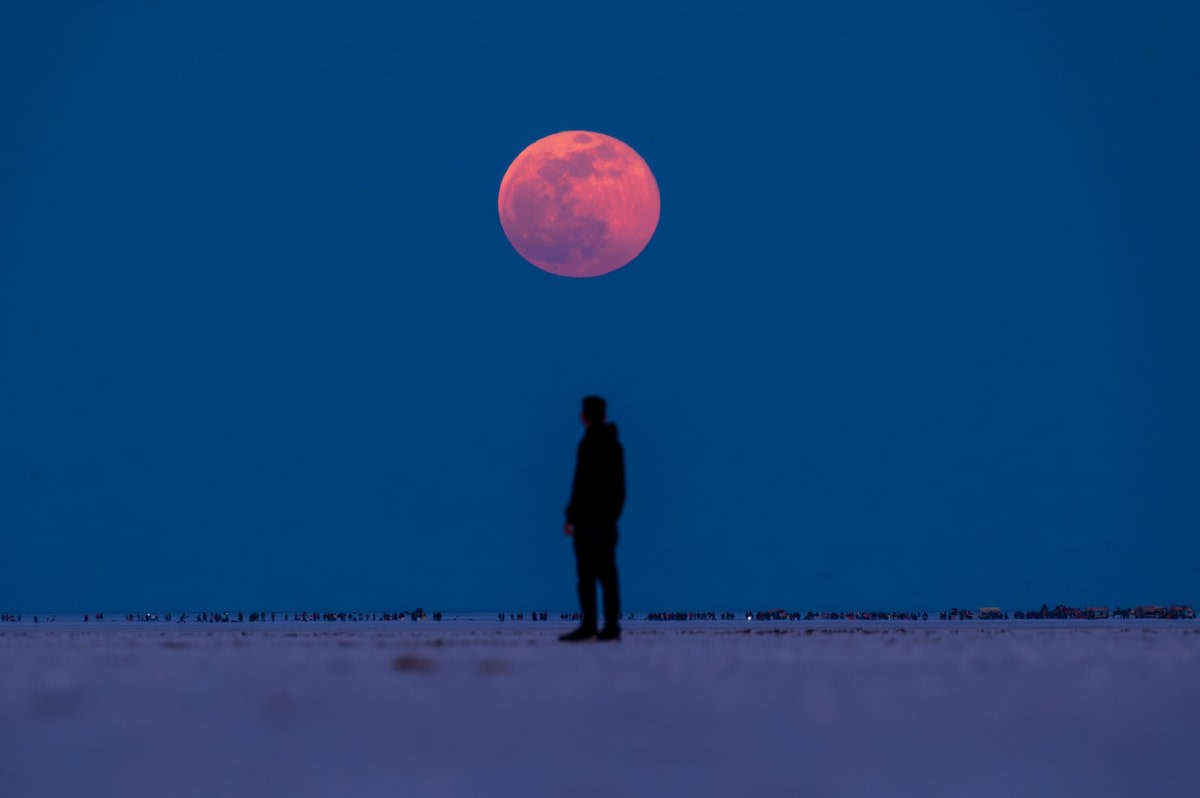
It goes without saying that a livestream won't be the same as the real deal. But it is important to ensure that any hindrance in terms of visibility doesn't prevent you from observing this lunar event, as it will be the last one of its kind until 2028.
More on Starlust
NASA's top skywatching events for 2026: Total lunar eclipse, Perseid meteor shower and more
Next solar eclipse of 2026: Date, time and best viewing locations