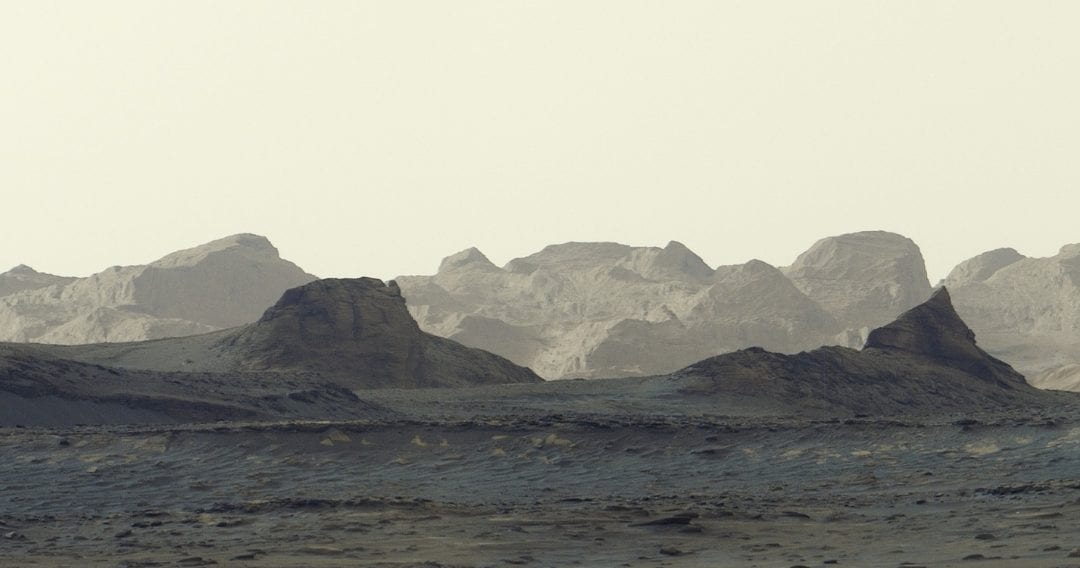
Juno captures most detailed imagery ever of Jupiter's moon Io, solar system's most volcanically active body
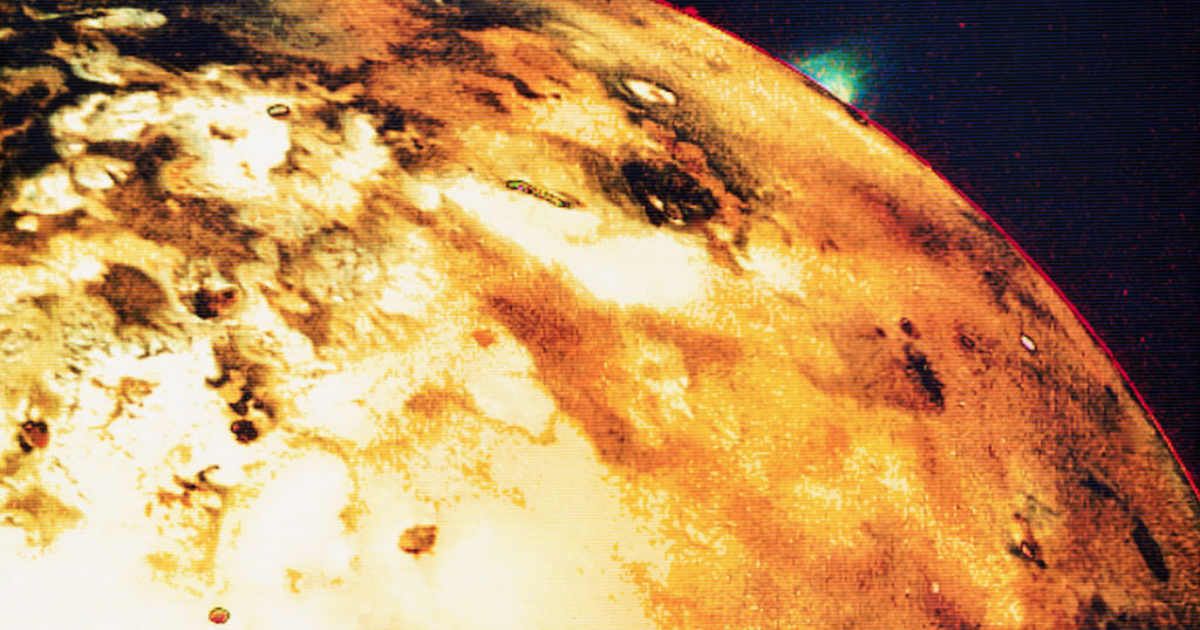
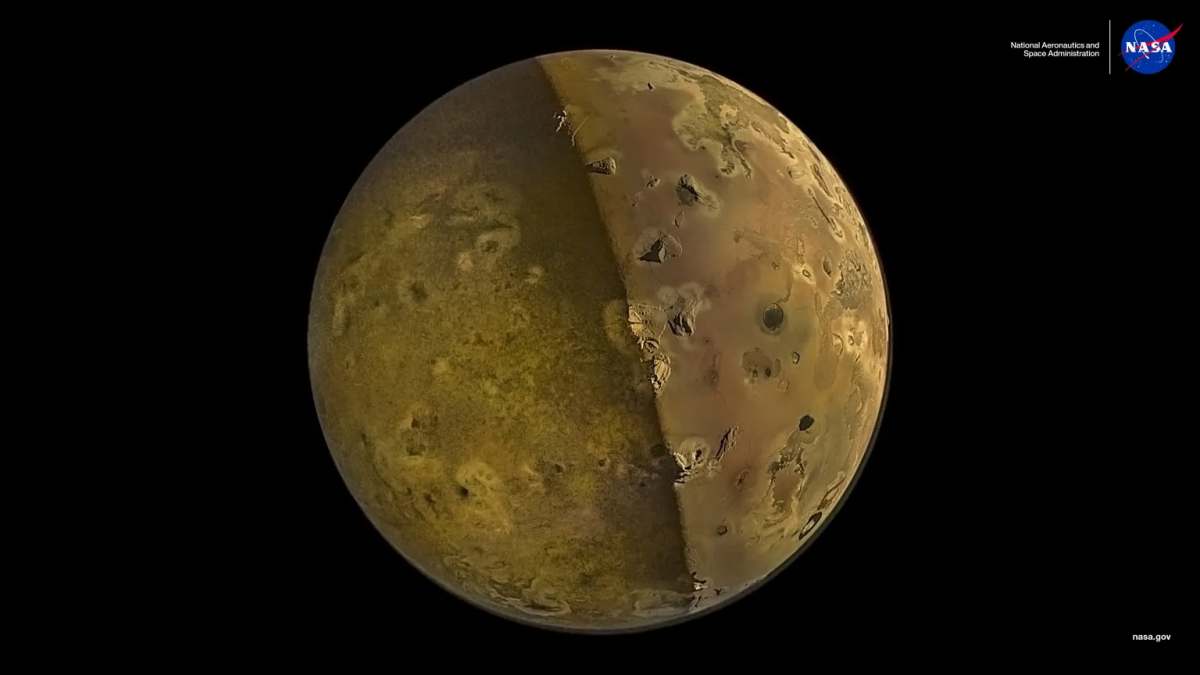
NASA's Juno spacecraft executed a significant close flyby of Jupiter's moon Io, capturing some of the most detailed imagery ever recorded of the moon's turbulent, volcanic surface. The images, taken by the JunoCam instrument from approximately 930 miles (1,500 kilometers) above Io on December 30, 2023, provide scientists with unprecedented views of Jupiter's moon Io, according to NASA.
A key feature of the captured image is Io's night side (left lobe), which is illuminated by a stunning glow known as "Jupitershine." This effect occurs when sunlight reflects off the surface of Jupiter and casts a natural light. This exceptional illumination reveals hidden details of the moon’s intense geological activity, promising vital new data on the explosive forces driving Io's concealed volcanoes.
Io is renowned for being the most volcanically active body in the solar system, boasting hundreds of volcanoes that launch lava plumes up to 500 kilometers high, per Daily Galaxy. Unlike Earth's geology, Io's eruptions are not powered by plate tectonics. Instead, they are fueled by powerful tidal forces generated by the immense gravity of Jupiter, coupled with gravitational nudges from its neighboring moons. This constant tidal stretching creates enormous internal heat, maintaining Io's surface in a perpetual state of geological turmoil.
Behold: the most volcanic world in our solar system.
— NASA (@NASA) December 12, 2024
New discoveries from our #JunoMission reveal the fiery heart of Jupiter moon Io's rage. (Yes, that is an active volcano erupting into space.) https://t.co/RZTFBf6S3U #AGU2024 pic.twitter.com/vApviRviyR
The prominent volcanic features visible in the latest image are offering researchers crucial insights into how this activity is distributed across the moon. These observations are considered essential for understanding not only the behavior of volcanoes on other planetary bodies but also the unique, dynamic forces that shape this highly active world.
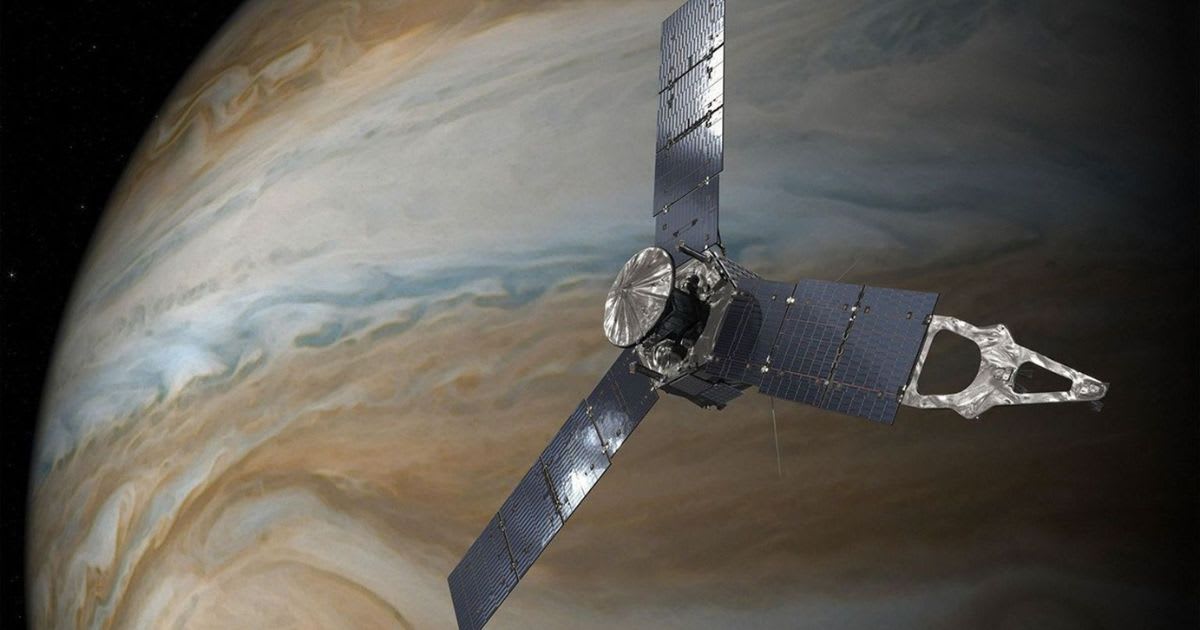
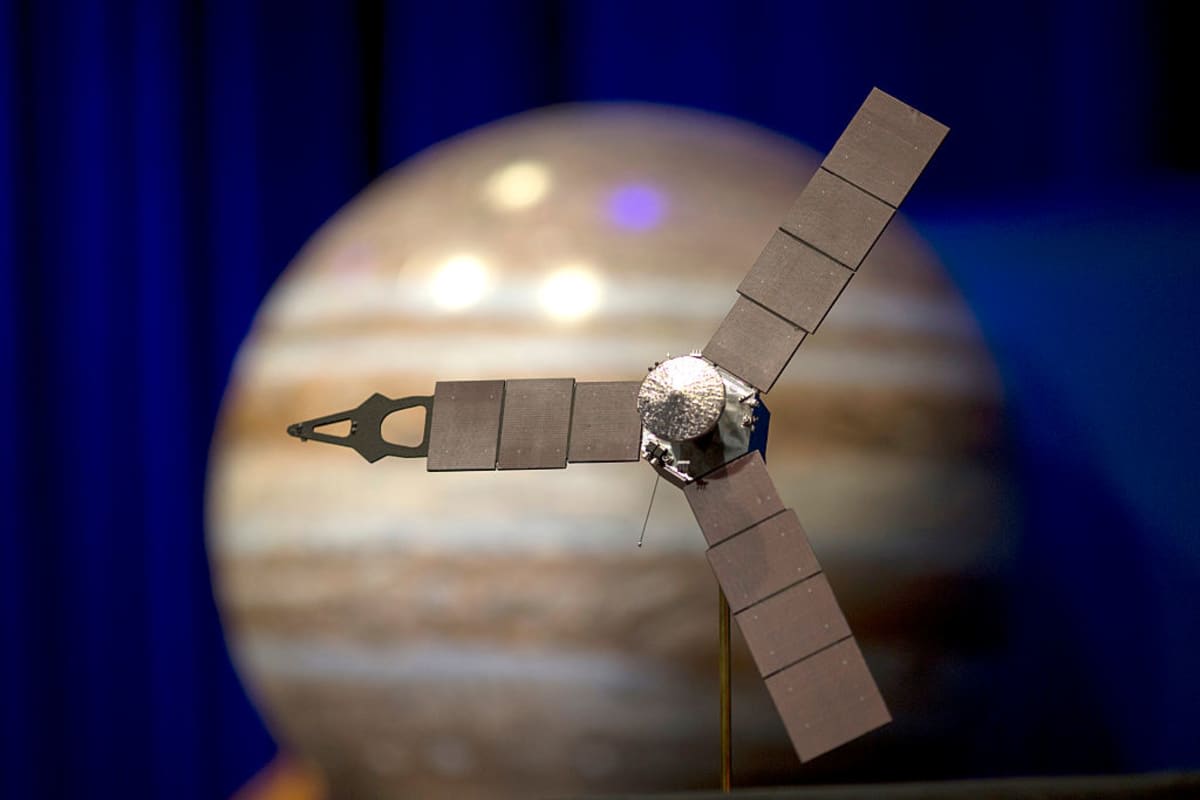
This spectacular image is a component of Juno's extended mission to explore Jupiter's moons and atmosphere. Since its 2011 launch, the probe has executed numerous Jupiter flybys, gathering valuable data on the planet's magnetic field, weather patterns, and moon system. The mission extension, which began after the initial phase concluded in 2021, has allowed Juno to thoroughly investigate Jupiter's satellites, enabling scientists to study their internal structures, magnetic properties, and surface features in extraordinary new detail.
Juno’s latest flyby of Io is part of a broader effort to investigate the moon itself and the complex gravitational interactions that govern the entire Jovian system. By scrutinizing the unique forces at play between Jupiter and its moons, scientists are dramatically advancing their understanding of the planet’s dynamic environment and how it influences the formation and evolution of other celestial bodies. Lo’s turbulent, ever-changing landscape, continually reshaped by constant volcanic eruptions and the extreme forces beneath its crust, continues to fascinate the scientific community and the public alike. The recent image from Juno is far more than a simple photograph; it provides crucial data that will allow scientists to accurately monitor and track volcanic activity over time.
This observation is considered a major milestone in planetary science, highlighting both the capability of advanced space missions like Juno and the profound impact these discoveries have on our comprehension of extreme planetary environments. As future missions, including Europa Clipper and the European Space Agency's JUICE probe, continue their exploration of Jupiter's other satellites, the detailed information collected from this close-up view of Io will be pivotal in shaping the next phase of Jovian system exploration.
The most volcanic world in our solar system 🌋
— NASA Science (@NASAScience_) September 30, 2025
Here’s our most detailed look yet at Jupiter’s moon Io. Explore this month’s #NASAScience image, and even process the raw data yourself.
🔗 https://t.co/lfaKA36qjN pic.twitter.com/54s2C8sbu3
More on Starlust
NASA’s Juno Mission finally detects 'missing' auroral signature of Jupiter's second-biggest moon