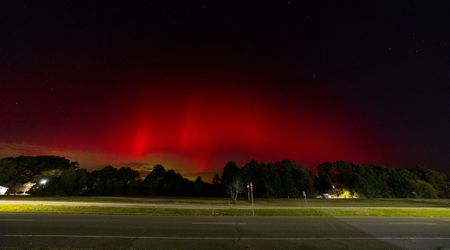
January 2026 skywatching tips: NASA's guide to stunning celestial events

The calendar has flipped to January 2026, and the night sky is preparing for various spectacles to be watched and enjoyed. According to NASA, Jupiter will be at its biggest and brightest this year, the Moon and Saturn will pair up, and the Beehive Cluster will come into view. Let NASA help you mark your calendar for these magnificent celestial events.
Jupiter is at its brightest in the night sky
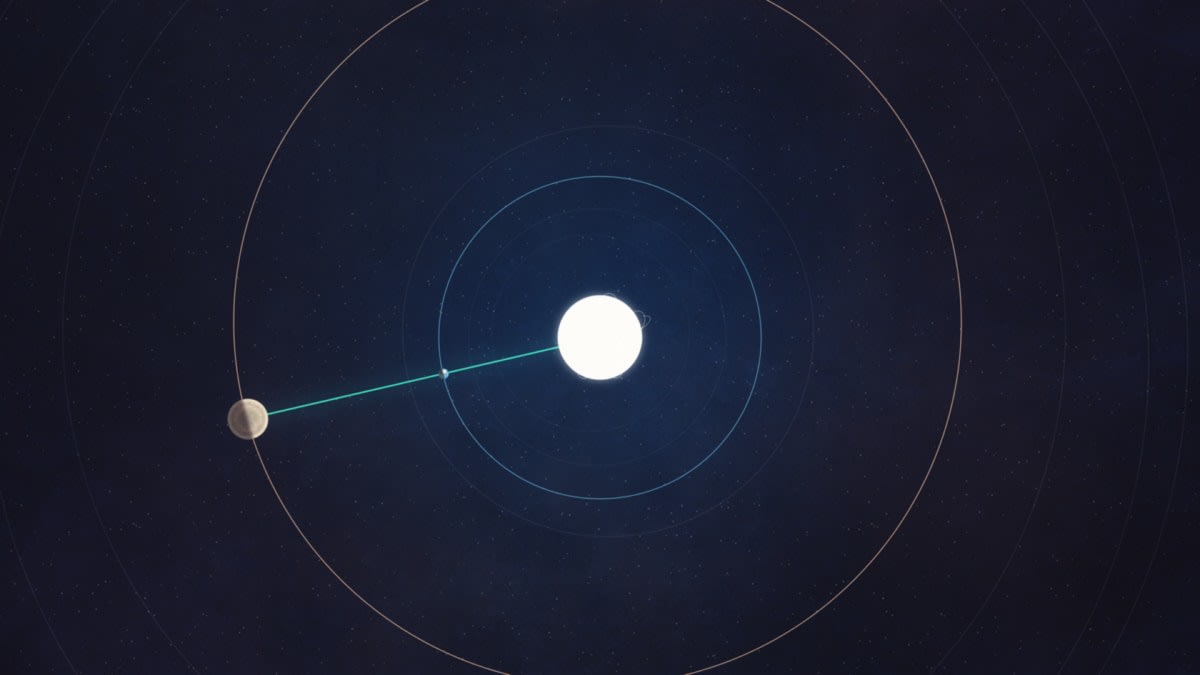
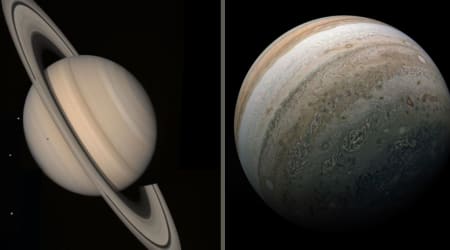
On January 10, 2026, the gas giant will be a sight to behold. Jupiter will be at what’s referred to as “opposition,” which means that the Earth will be right in between Jupiter and the Sun. During this alignment, the gas giant will appear much bigger and brighter in the night sky than at any other time of the year. The planet will be best visible throughout the evening if you look towards the east. It will be one of the brightest objects in the sky, only rivaled by the Moon and Venus, located in the constellation Gemini.
A bright Saturn meets the Moon in the sky
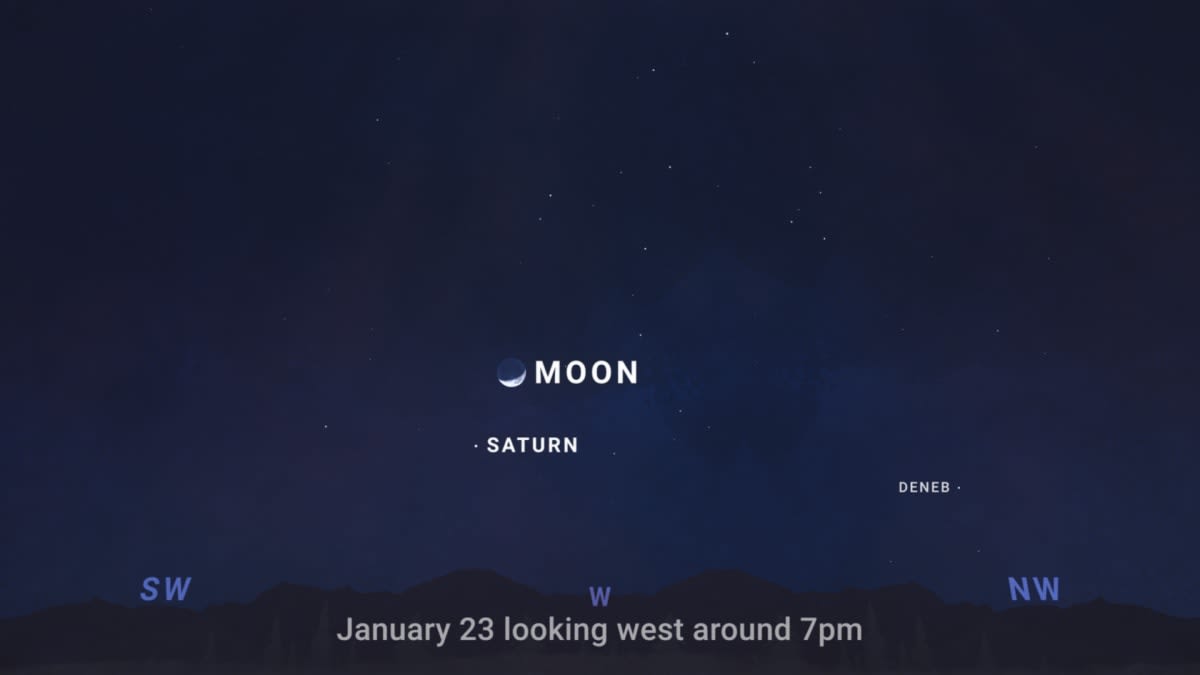
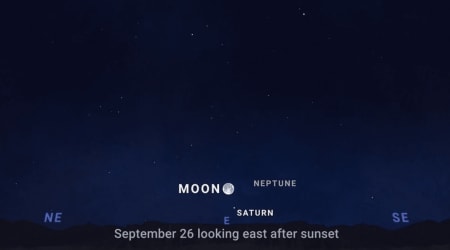
A conjunction will occur on January 23, 2026, when Saturn and the Moon will align in the sky. A conjunction happens when objects involved look closer together, even though they are actually far apart. This conjunction can be seen to the west of the sky, and Saturn will be shining just below the Moon.
The Beehive Cluster will shine bright throughout the month
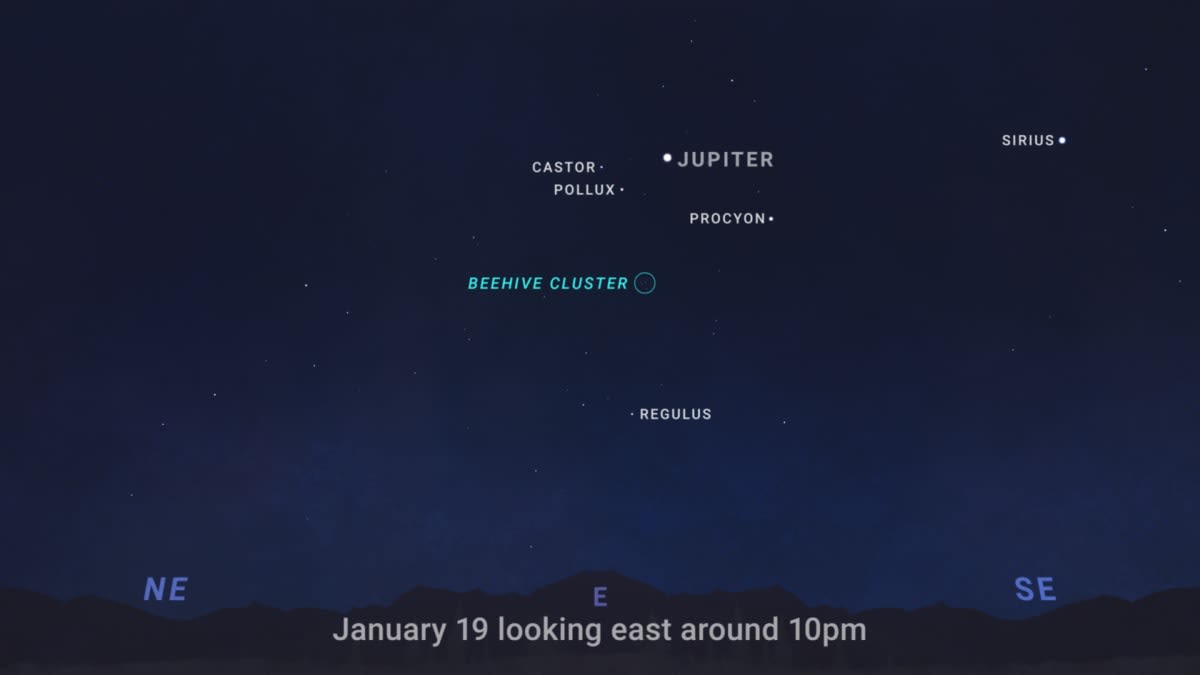
The month of January will also present the Beehive Cluster, known as Messier 44 or M44, which will be visible throughout the month. This cluster in the night sky is made up of at least 1,000 stars and is an open star cluster, or a loosely bound group of stars. The Beehive Cluster will be visible in the eastern night sky after sunset and before midnight, per NASA. However, the best time to observe it will be around the middle of the month when it is neither too high nor too low. It might be visible to the naked eye, given the dark skies, but binoculars or a small telescope can be good aids.
A meteor shower raining fireballs
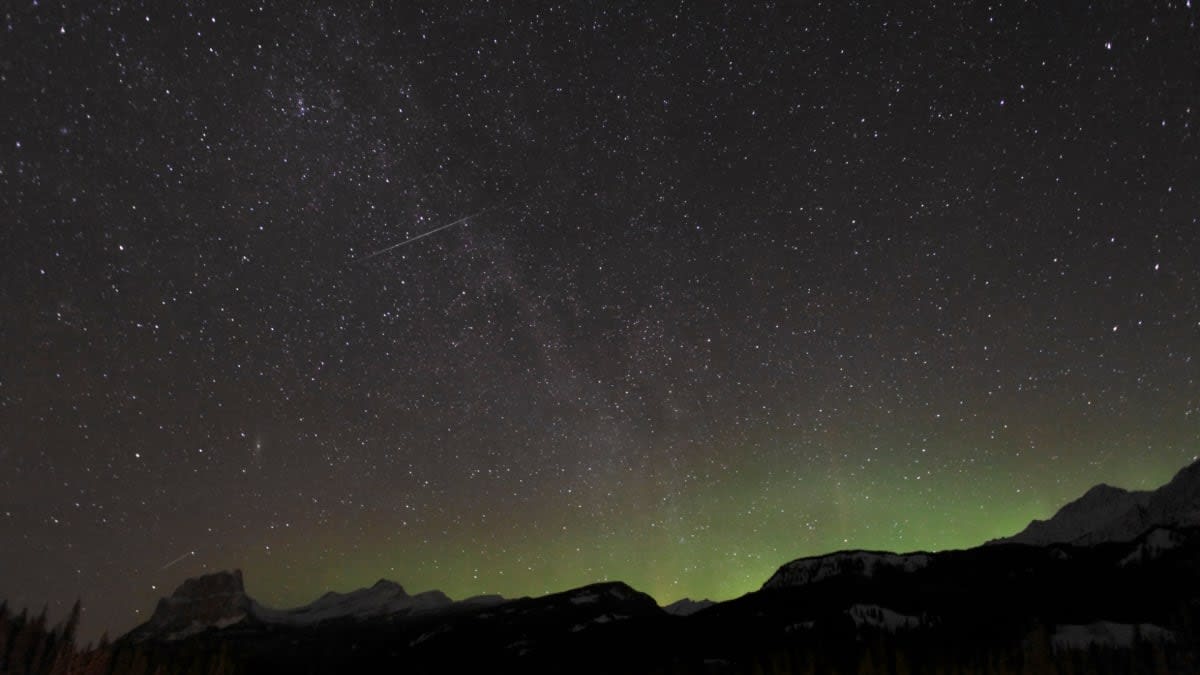
Another major event taking place in January is the Quadrantid meteor shower. The spectacle is active from December 28, 2025, to January 12, 2026, per the Royal Museums Greenwich. This meteor shower is known for its famous ‘fireballs,’ which are exceptionally bright. The shower peaked during the early hours of January 4, 2026, with an approximate rate of up to 120 meteors per hour at the maximum. However, the spectacle was washed down a little by the full moon of the night.
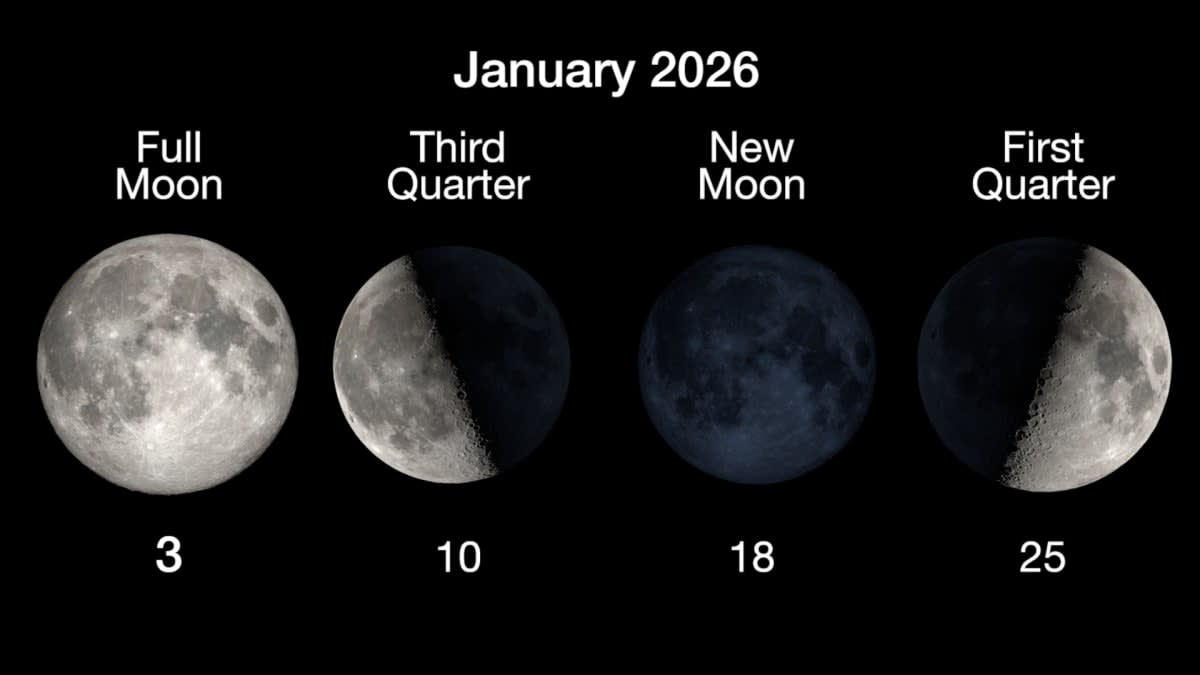
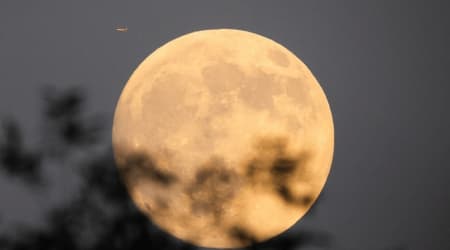
January’s full moon, known as the Wolf Moon, reached its peak brightness on January 3, 2026. In fact, being at perigee, its closest point to Earth, it was also a supermoon, appearing much larger and brighter from Earth. It is quite extraordinary to think that all these events are lined up for the first month of the year, and the rest of 2026 has a lot more prepared.
More on Starlust
Track the moon in 2026 with NASA: Lunar phases and libration
2025 supermoons recap: 10 best images of the year's grand lunar events