2026 key skywatching events: Blue Moon, total solar eclipse and more
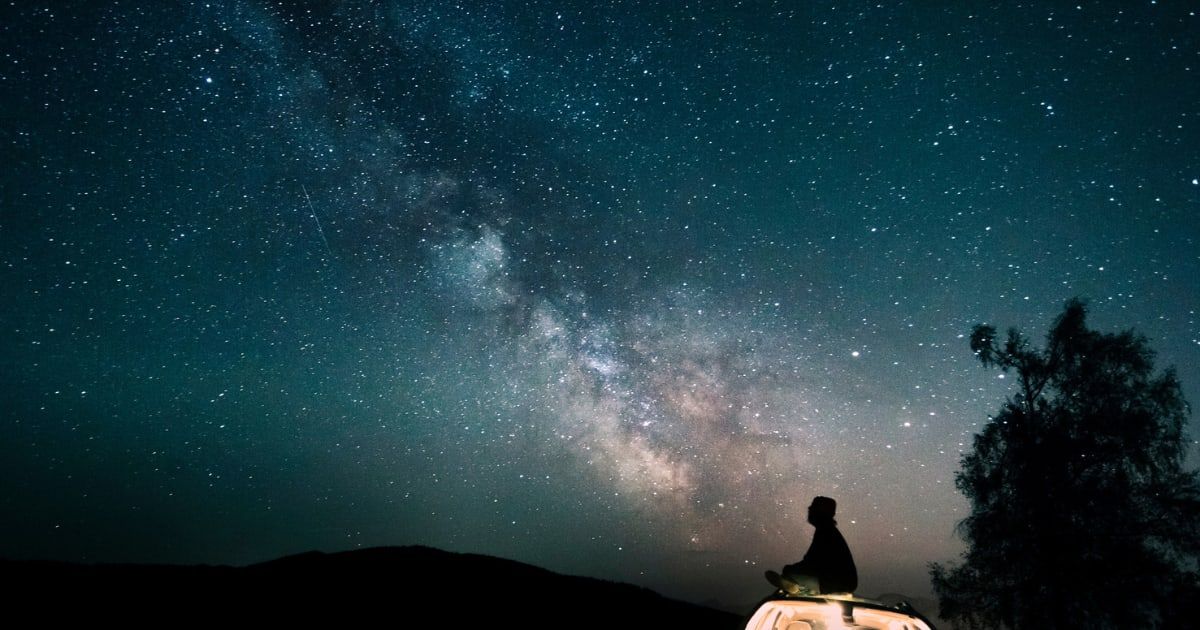
If you are a person who loves skywatching, 2026 will be a very lively year for you. Lots of things are in store, including a "planet parade," meteor showers, and the well-known "Blue Moon."

The Quadrantid meteor shower
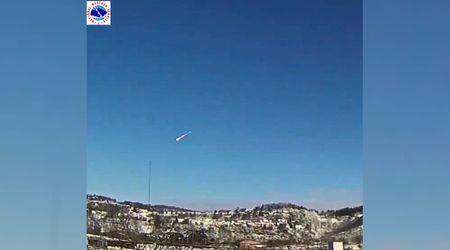
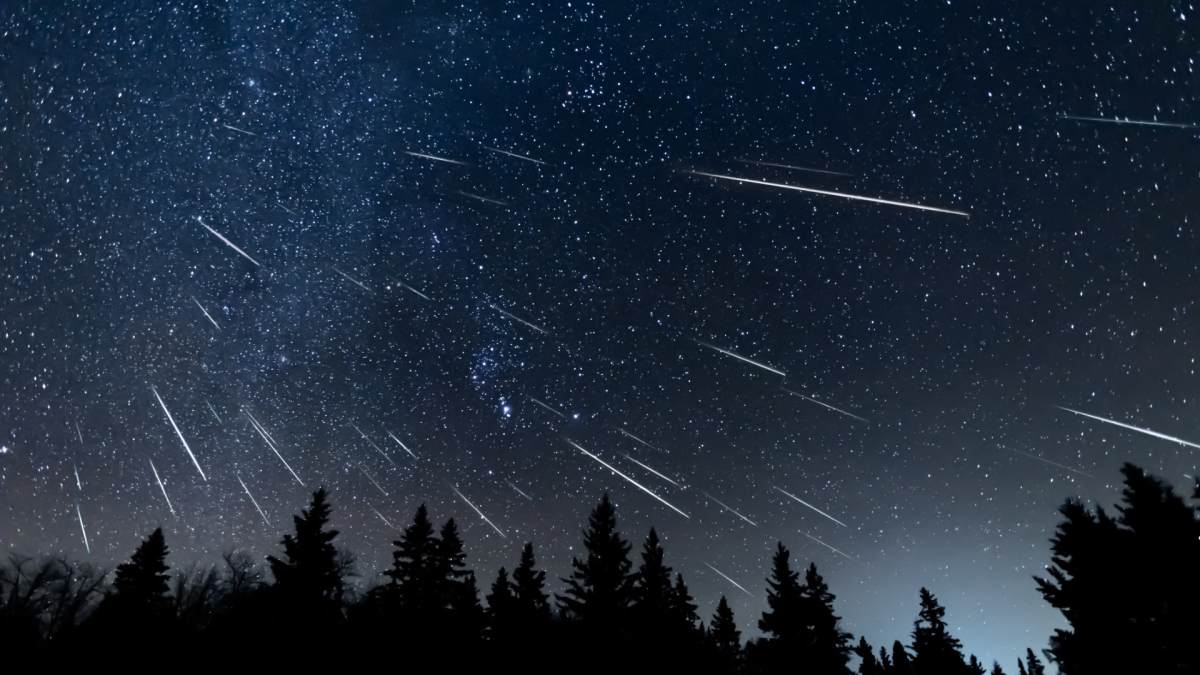
The Quadrantid meteor shower will be active through January 12, while its peak will be on January 3. While a full moon may play spoilsport, you may still see brilliant "fireballs" that are a characteristic feature of the shower.
The six-planet parade
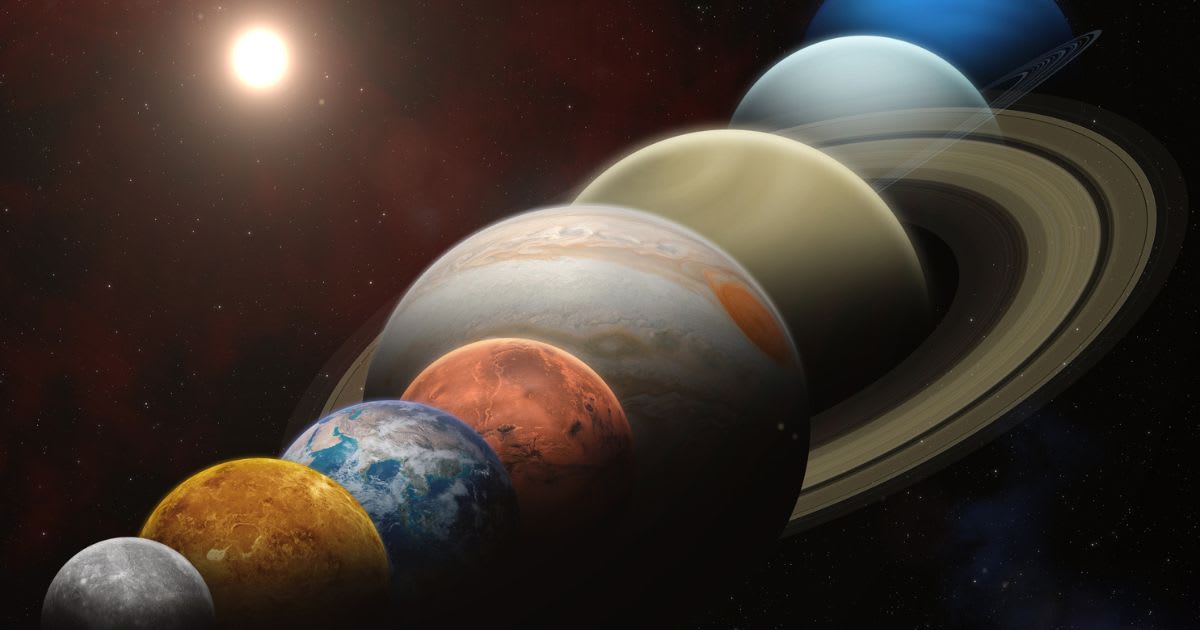
In late February, Mercury, Venus, Saturn, Jupiter, Uranus, and Neptune will appear roughly in one straight line in the sky in a spectacular alignment known as a "parade" of planets. Even though Jupiter will be easy to spot, you might need a good telescope and quite a bit of patience to get the others that will appear very close to the horizon in the west, right after the Sun set, according to Royal Museums Greenwich.
The annular solar eclipse
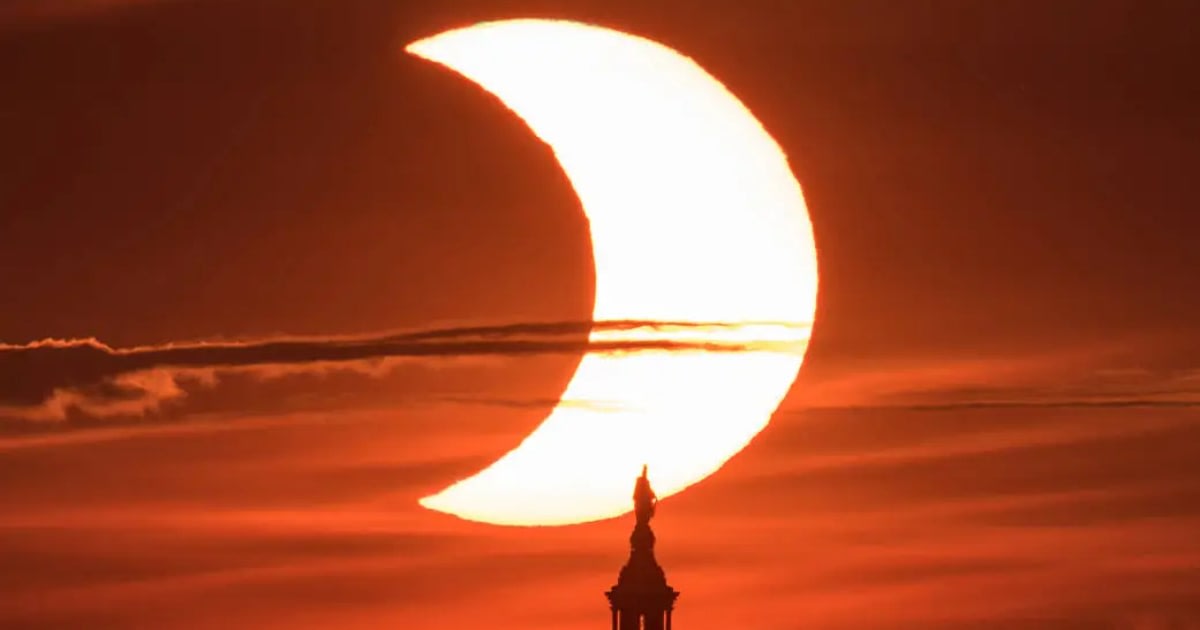
This will take place on February 17—the same day as the new moon. The annular solar eclipse will be visible in Antarctica, while observers in Africa and South America will get to see a partial eclipse, per NASA.
The Lyrid meteor shower
The Lyrids, which are among the oldest meteor showers in history, will be visible from 16 to 25 April and will peak on 22 April. The year will offer a great opportunity to enjoy the show, as the Moon, just ahead of its first quarter phase, won't interfere too much.
The Blue Moon
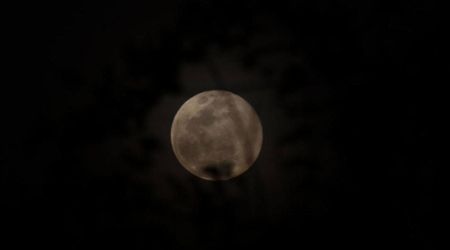
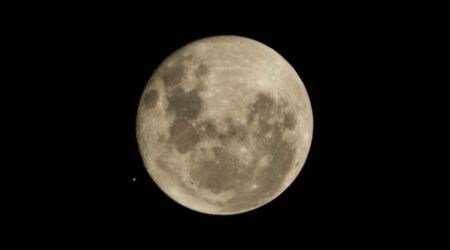
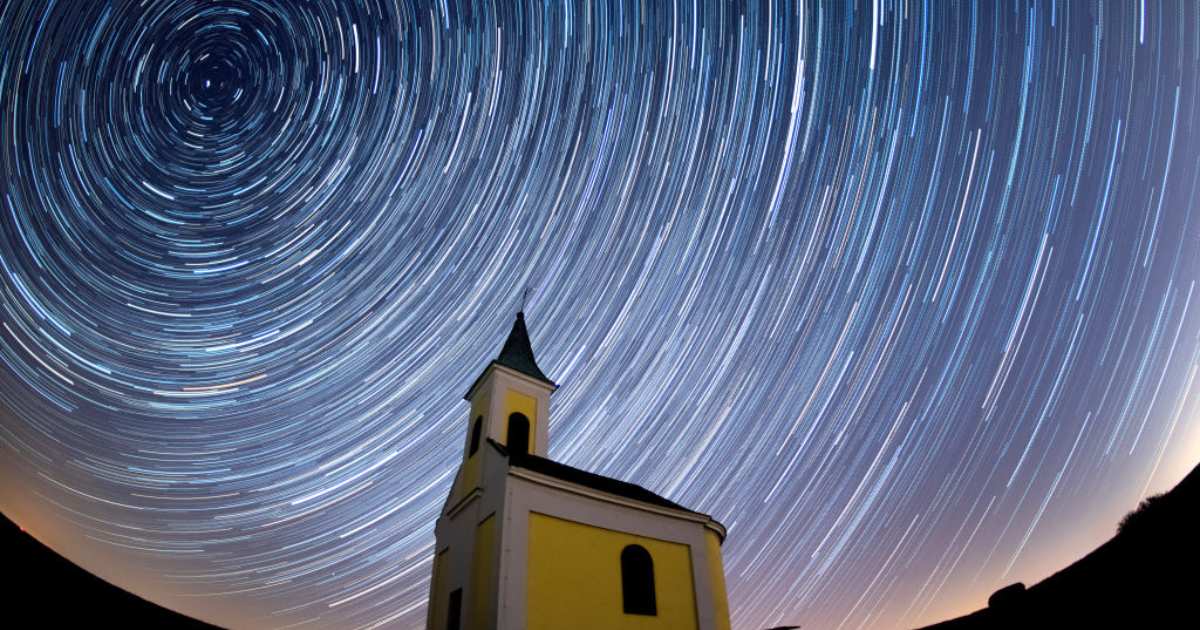
The month of May is going to have a "double" full moon—one on the 1st and the other on the 31st. According to the definition, the second full moon is called a "Blue Moon." Although it is not literally going to be a blue moon, it is still going to be a beautiful sight to end the month with.
The total solar eclipse
A spectacular total solar eclipse will take place on August 12, per NASA. The totality will be viewed in regions like Greenland, Iceland, Spain, and Russia, along with a tiny part of Portugal. On the other hand, a partial eclipse will be visible over North America, Europe, and Africa.
The Perseid meteor shower
Taking place between mid-July and late August, this event is all set to be high-priority for many sky watchers. Although the number can vary from year to year, at its peak, the shower can produce up to 100 meteors per hour.
The fast-moving Orionids
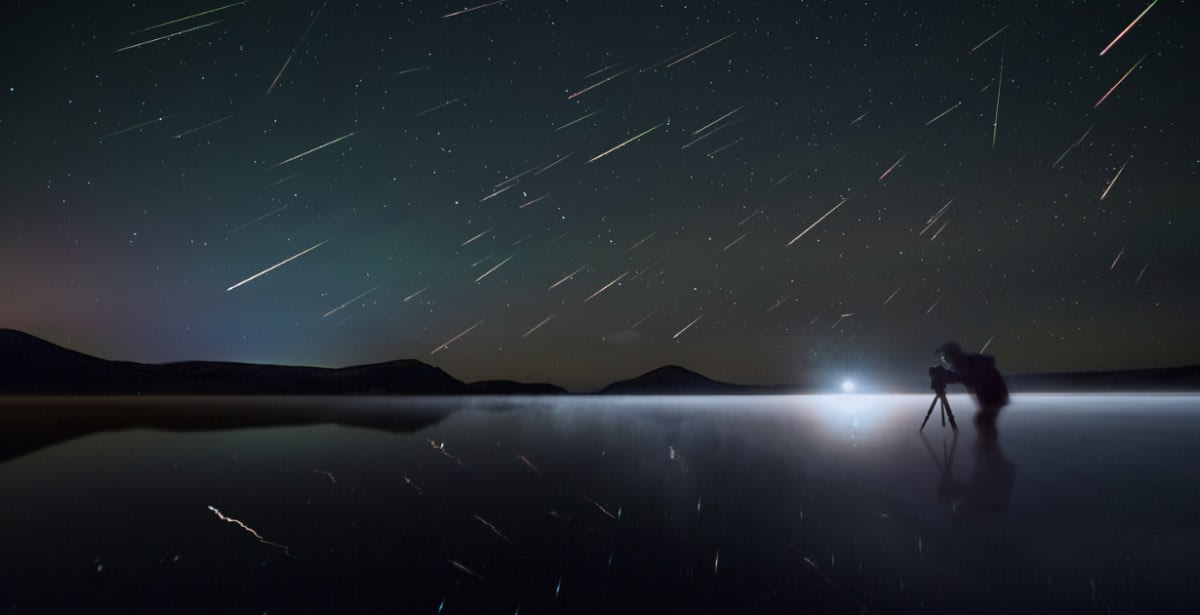
Originating in Comet 1P/Halley (popularly called Halley's Comet), the Orionids are known for being fast and having persistent trains. The meteor shower will be active from 2 October till November, with its peak lasting for about a week around October 21. While the Moon in its waxing gibbous phase may spoil the view, you'll have multiple chances to enjoy the show because of its long peak.
The Geminid meteor shower
The year comes to an end with the Geminid meteor shower, which will be active from December 4 to 20. This is easily one of the best meteor showers you'll see, as it produces around 120 meteors per hour at its peak, which will be on December 14. With the Moon setting early that night, it's going to be quite a spectacle.
More on Starlust
Winter stargazing made easy: Spot Perseus, Taurus and other constellations
2025 supermoons recap: 10 best images of the year's grand lunar events