In pics: January's 'Wolf Moon' as seen from New York City, England, Egypt, India and Mexico
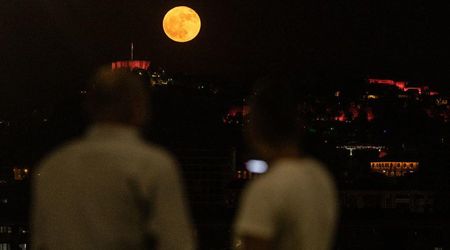
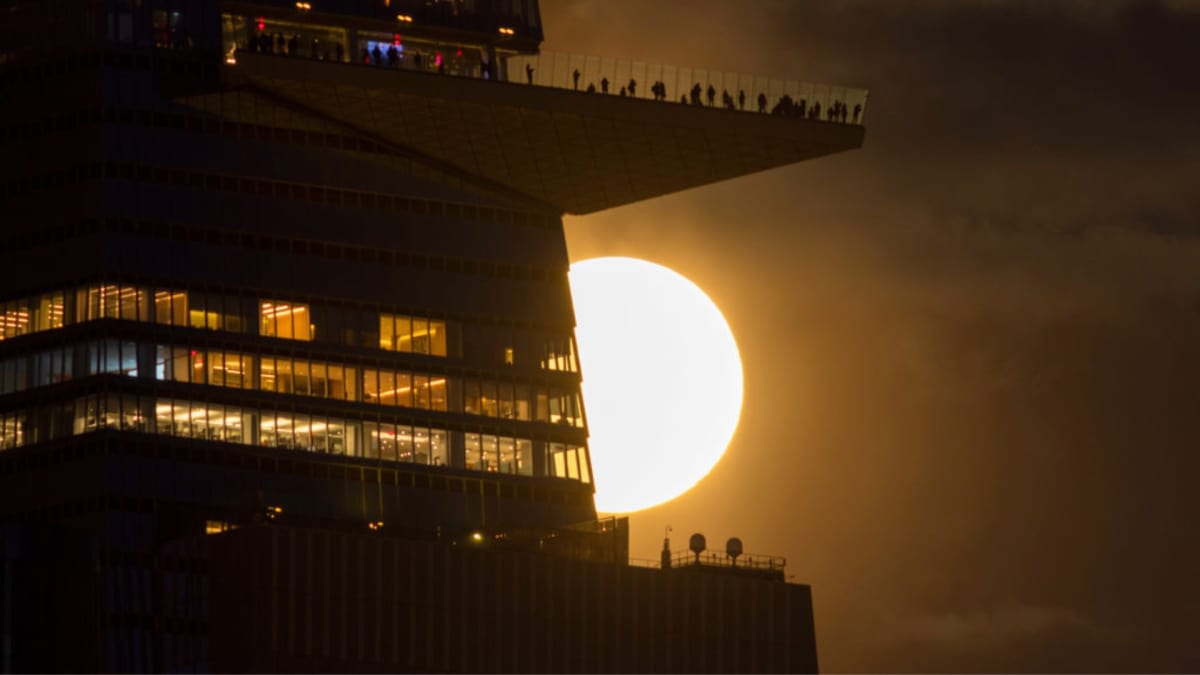
The first month of the year brought a marvelous natural event along with it—the "Wolf Moon." The very first full moon of the year also happened to be a supermoon, and it was no surprise that photographers from all around the world scurried to capture it the best way they could. From the hills of England to the skylines of Egypt and New York, here are glimpses of the supermoon from around the globe.
Glastonbury, England
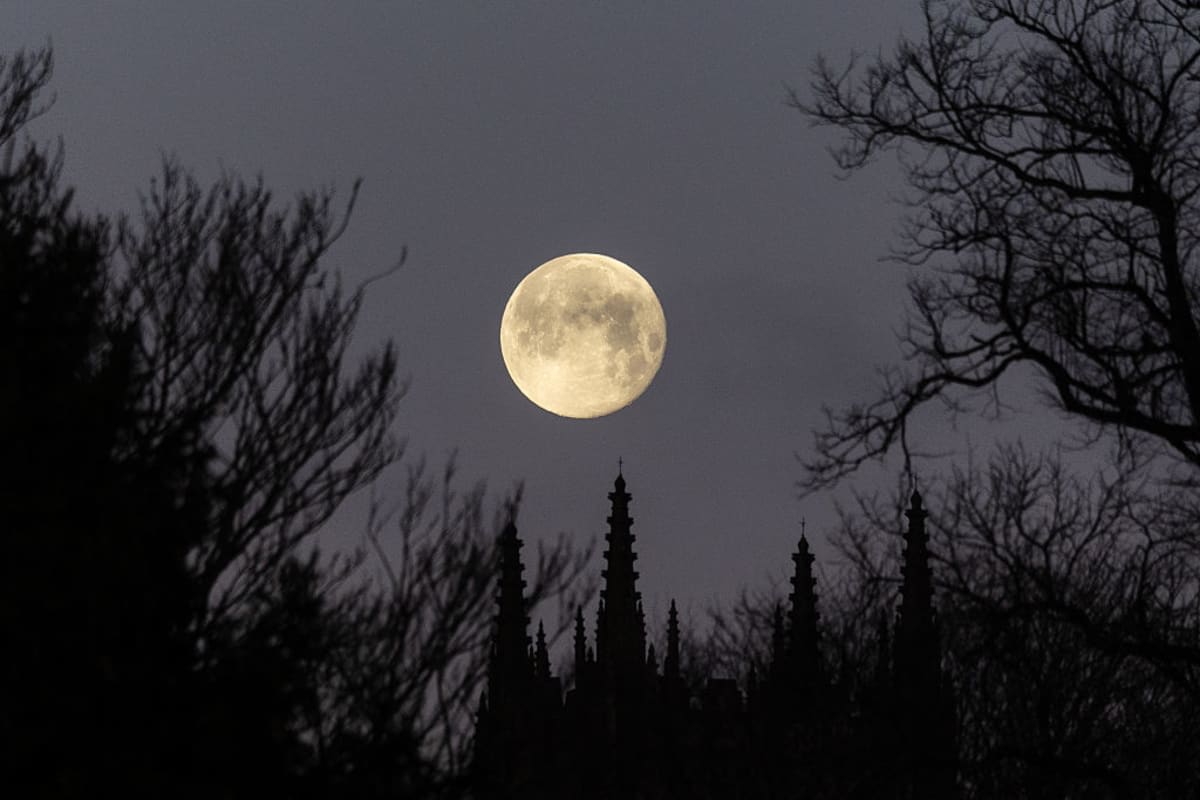
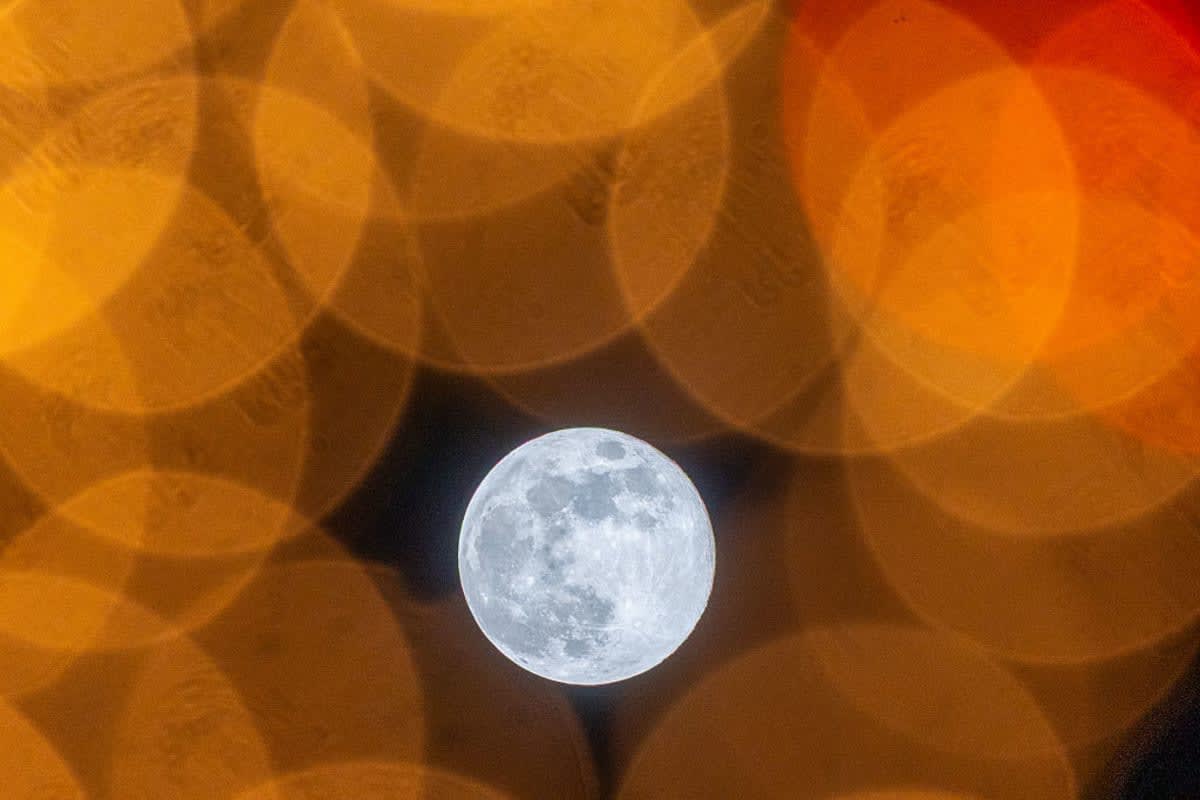
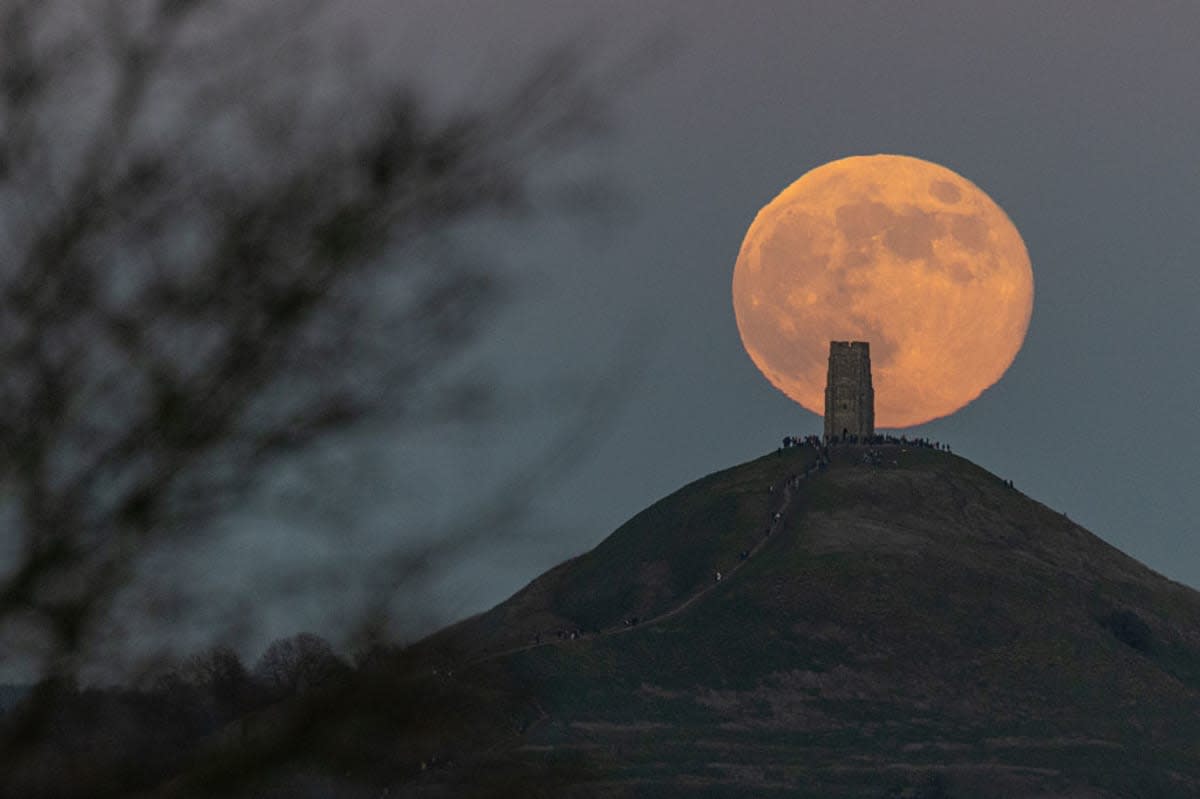
On January 4, the Wolf Moon was seen setting behind the historic Downside Abbey. On the previous night, people had climbed the Glastonbury Tor, which is capped by the ruins of the former St. Michael’s Church, to witness the moonrise. In a different but equally beautiful image also from Glastonbury, the Moon was seen amidst the yellow glow of holiday lights.
New York City, USA
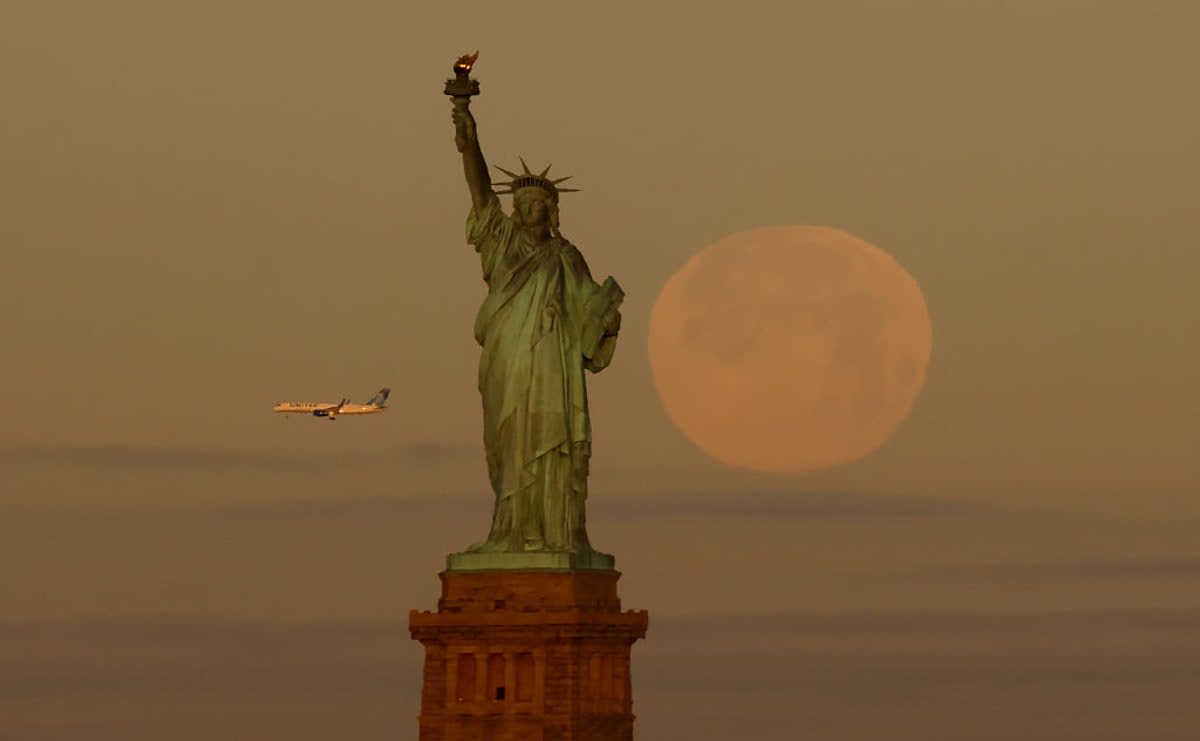
The Moon setting behind the Statue of Liberty was one of the greatest moments, captured perfectly at the right time on January 3. The scene became even more amazing when, right at that moment, a United Airlines airplane appeared on the horizon, crossing the lunar face just as the day was about to break.
Cairo, Egypt
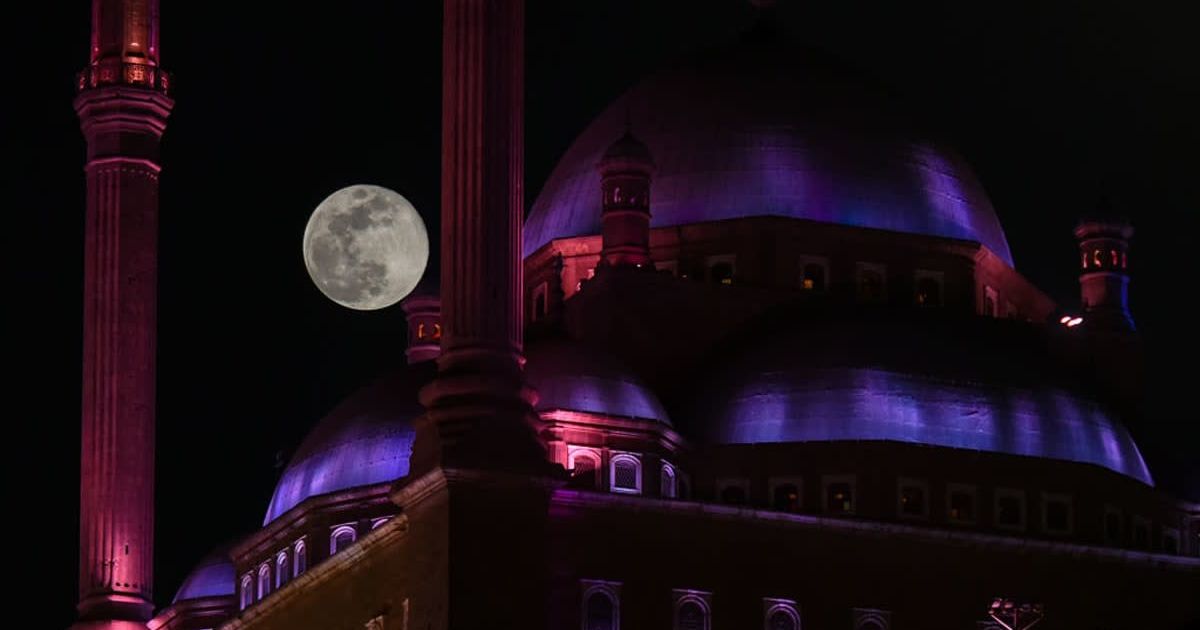
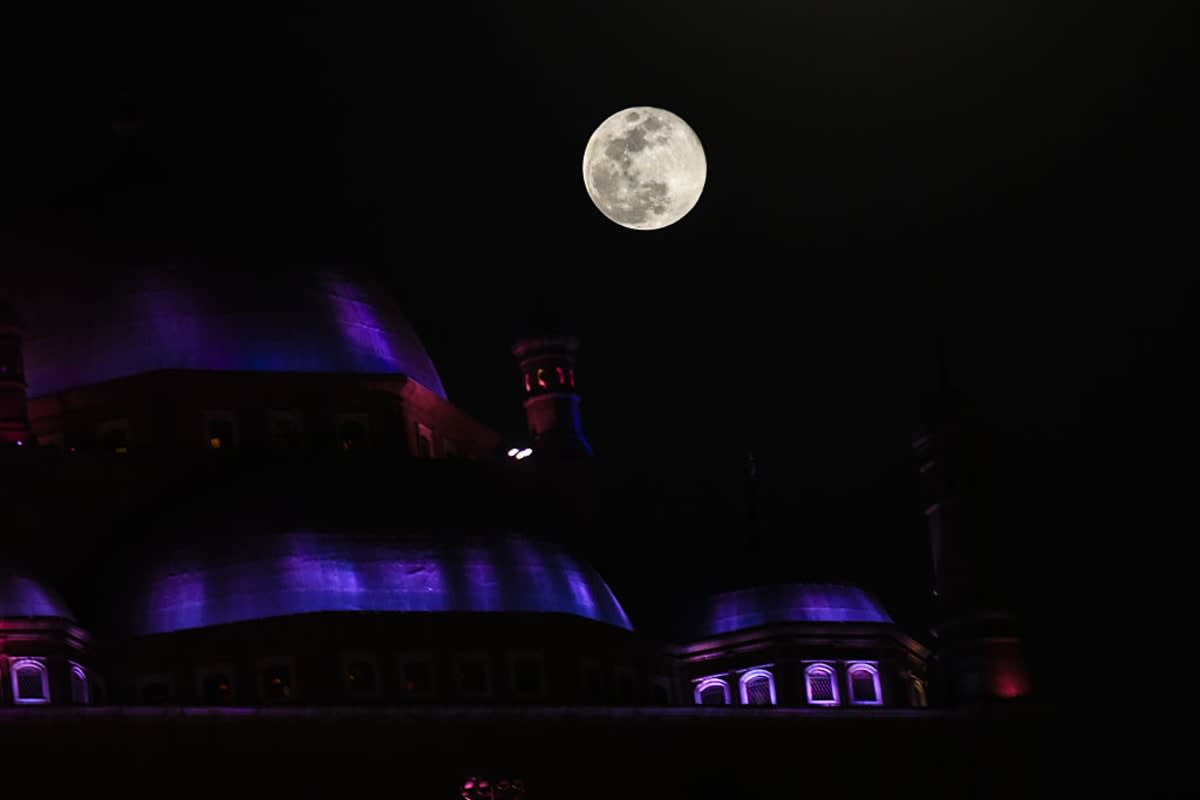
The supermoon created a near-magical atmosphere on January 3 as it shone behind the illuminated domes of the Citadel of Sultan Salah al-Din al-Ayyubi, also known as Saladin's castle, in Cairo, Egypt.
Kashmir, India
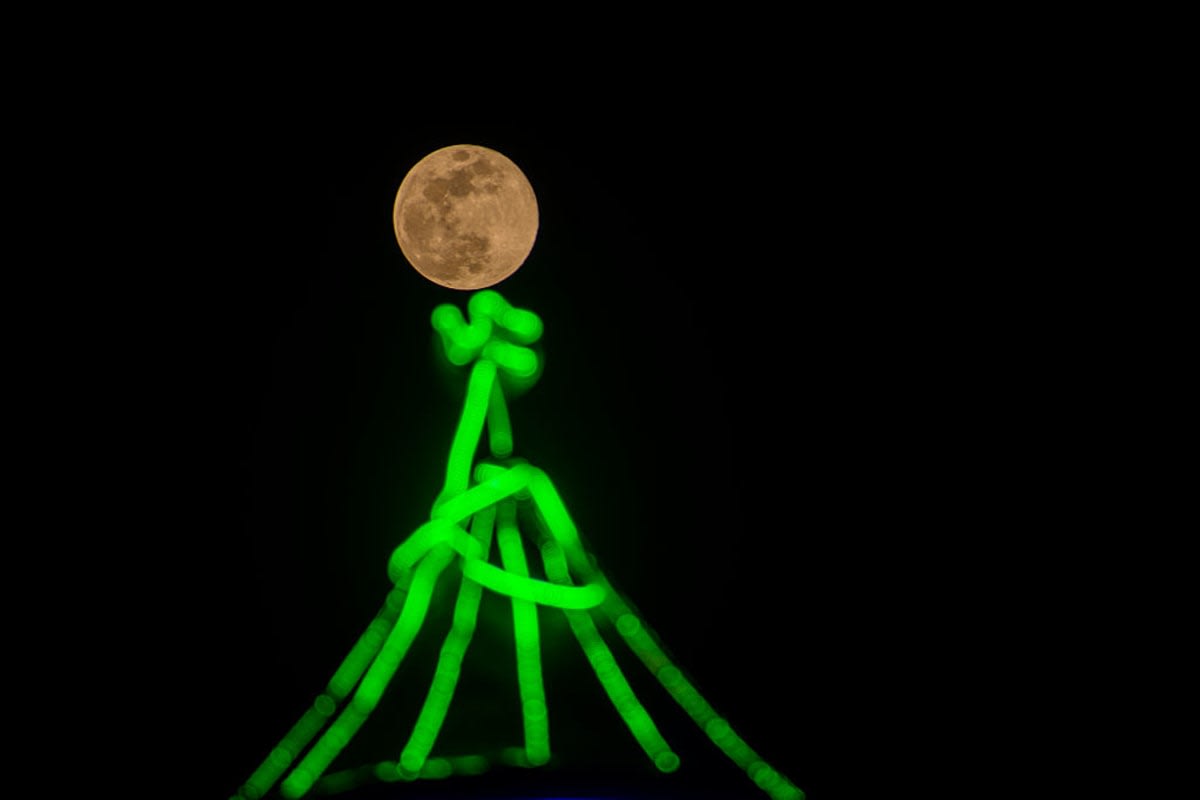
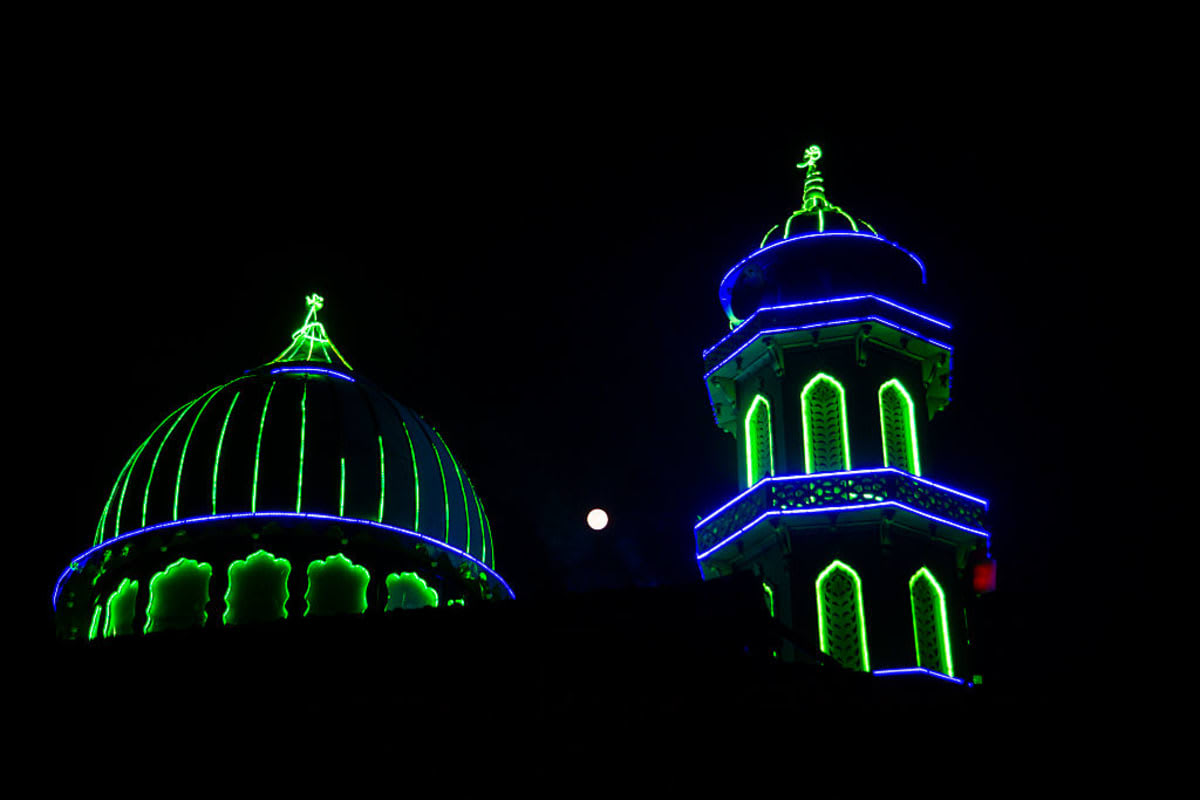
In Kashmir, too, the supermoon was brilliant no matter the perspective it was captured from. In one image, it is seen shining behind the minaret of a mosque, while in another, it is seen peeking from between two minarets.
Cocoyoc, Mexico
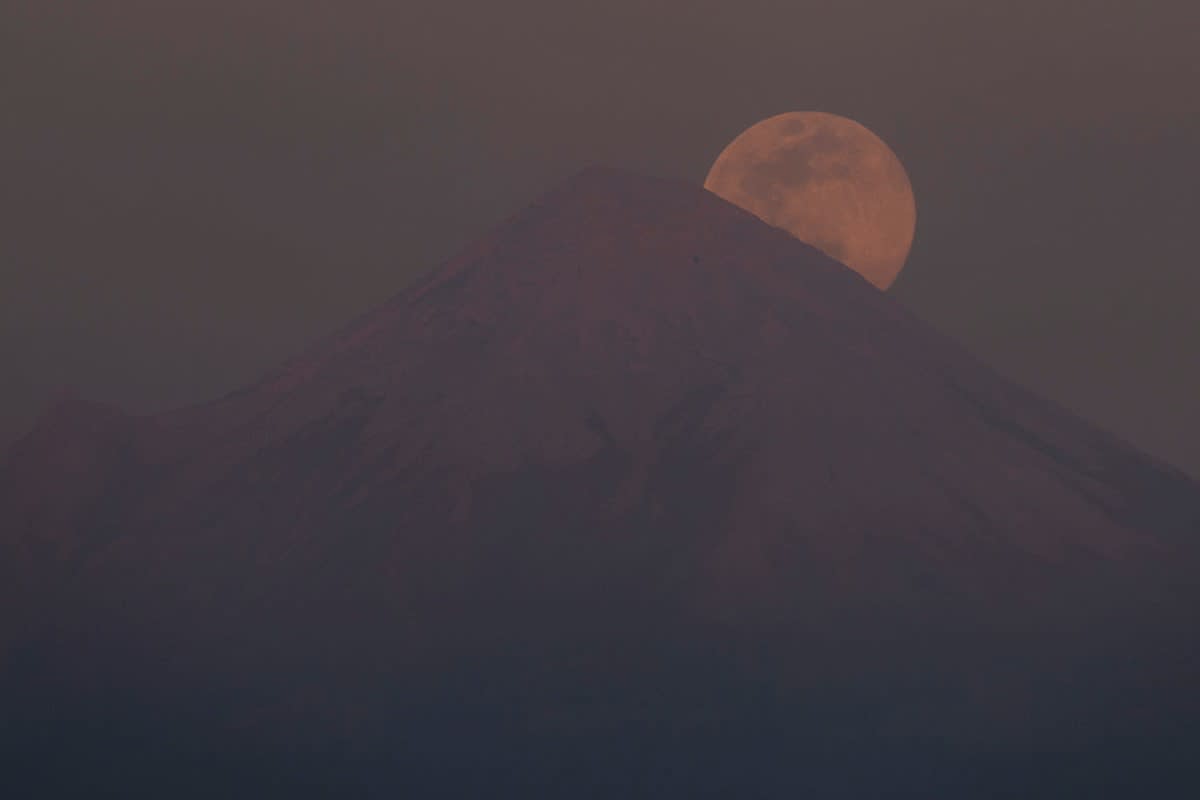
In Mexico on January 2, the moon was seen rising behind the volcano Popocatepetl, which was large and bright enough to be visible even amidst pollution.
The sighting of the Wolf Moon is a remarkable event for astronomers. In addition to being the first noteworthy lunar phenomenon of 2026, it also marks the end of the streak of supermoons, which started in late 2025, per BBC Weather. A supermoon appears when the moon is near its closest point to our planet in its orbit. Hence, when the moon is at this point, it can appear to be as much as 14% larger and also be 30% brighter than a regular full moon. This year, space enthusiasts have a lot more to celebrate. After January's supermoon, the night sky will be graced with two more supermoons later this winter. The first is the Beaver Moon on 24 November, and then the Cold Moon on 23 December.
The lunar calendar generally has 12 full moons a year, but 2026 will be a little different. An additional full moon, known as the Blue Moon, will grace the skies on May 31. Ever heard of the expression "once in a blue moon"? Yeah, this is where it comes from.
More on Starlust
2026 key skywatching events: Blue Moon, total solar eclipse and more
Track the moon in 2026 with NASA: Lunar phases and libration