January 2026: Quadrantids meteor shower and more skywatching events to start the new year
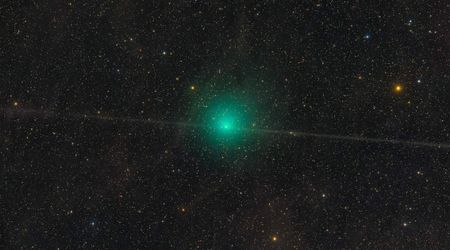
The year 2025 was eventful for skygazers, starting with the planetary conjunction of Venus and Saturn in January, to the Eta Aquarid Meteors in May, and finally 3I/ATLAS's closest approach in December. 2026 won't be too disappointing either. January itself has four major events lined up that should tingle every skygazer's curiosity. Read more about them:
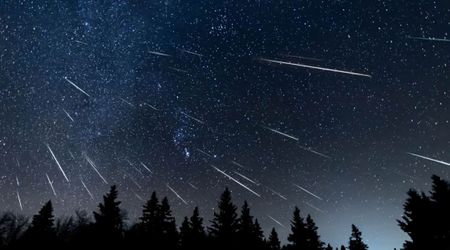
The Quadrantids meteor shower
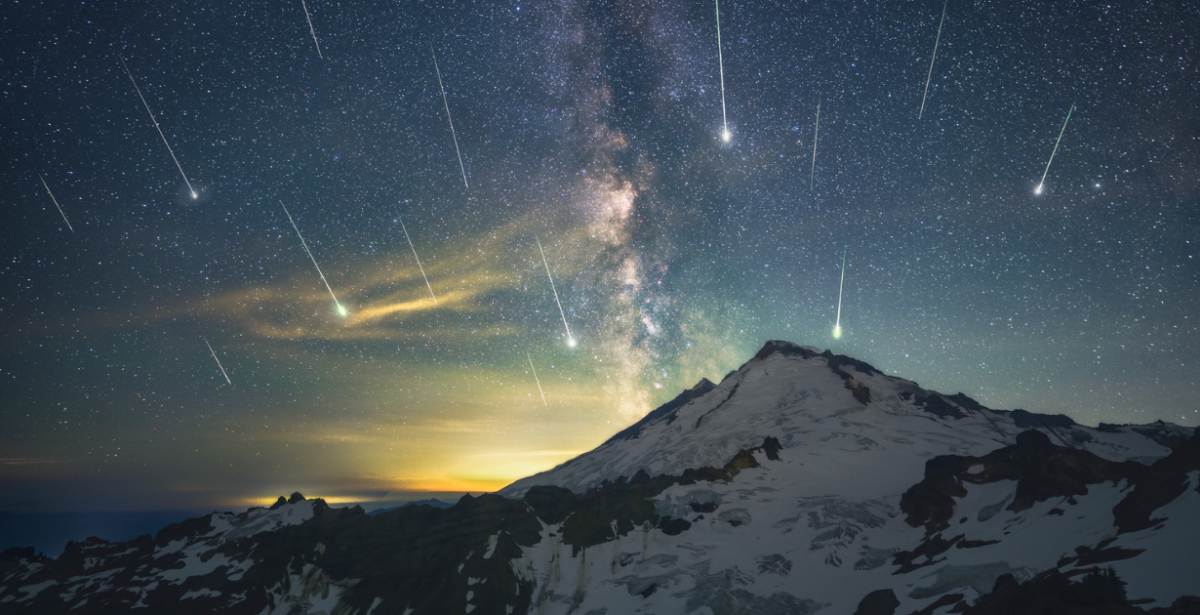
To kick off 2026's skygazing itinerary, we have the annual Quadrantids meteor shower. Touted generally as one of the strongest meteor showers of the year, it will be active from December 28, 2025, to January 12, 2026. Its peak, however, is predicted to be on the night of January 2-3, according to the American Meteor Society. Because of its northerly declination, the meteor shower will be best visible from the Northern Hemisphere. For the best viewing experience, observers will need to lie down with their feet facing northeast and let their eyes get accustomed to the dark. However, while the Quadrantids' peak may offer as many as 60-200 meteors per hour, according to NASA, the Full Moon that is predicted to come around 5:03 UTC on January 3 will interfere with the visibility of the shower. However, there's still hope, as the Quadrantids are also famous for their bright fireballs. Those will be easier to spot even when the Full Moon illuminates the sky.
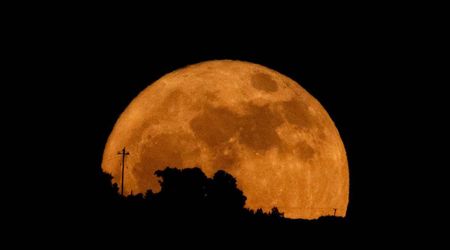
The Wolf Moon
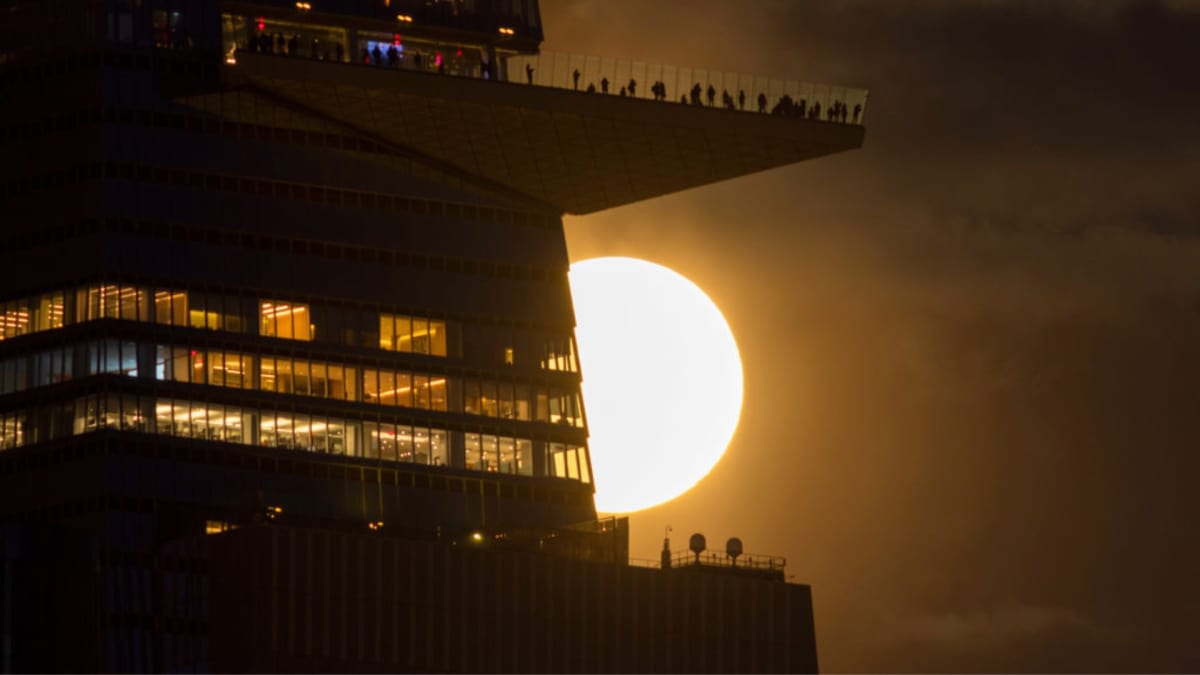
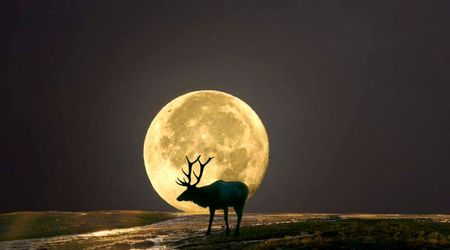
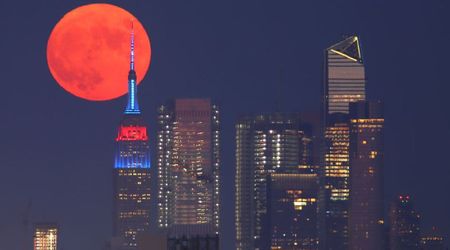
January's Full Moon will reach its peak brightness at 10:02 UTC on January 3. It will also be a Supermoon, according to BBC Sky at Night Magazine, which means it will appear bigger than usual as it will be near its closest approach to Earth. January's Full Moon is also called the Wolf Moon after the heightened activity of wolves during the early part of the year. The name is said to have Celtic and Old English origins and was brought over to America by the European settlers. It is also otherwise known as Stay Home Moon and Quiet Moon.
Jupiter at its brightest
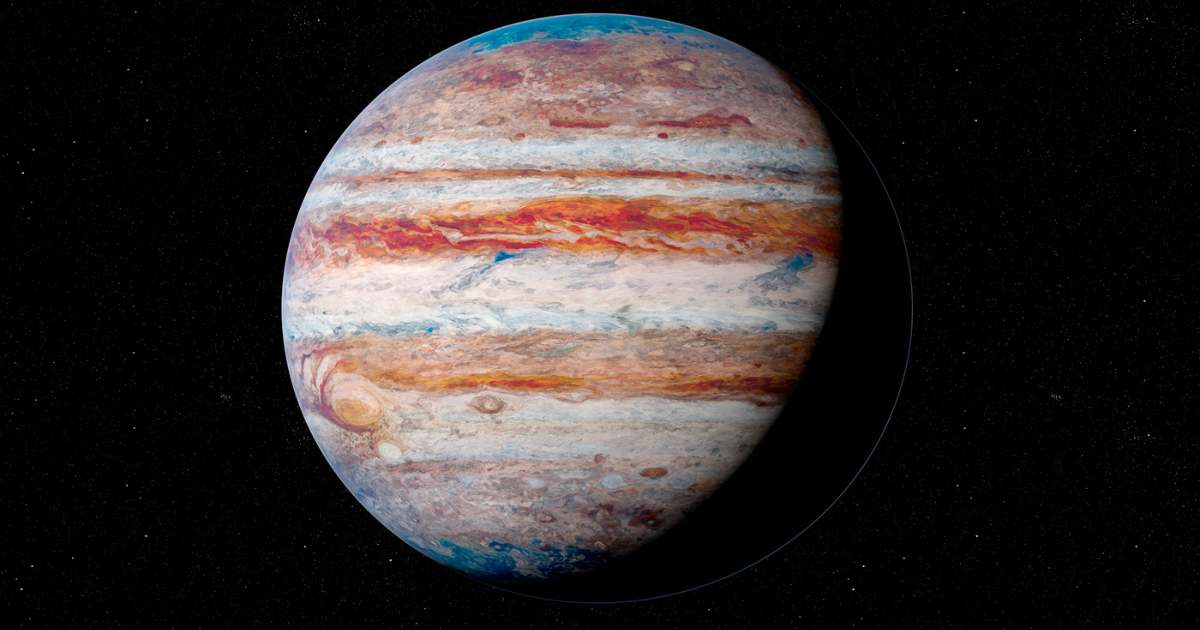
The gas giant Jupiter will reach opposition at 9 UTC (3 a.m. CDT), according to EarthSky.org. This means that the Earth will come between the Sun and Jupiter on that day. As a result, Jupiter will be seen rising in the east as the Sun sets in the west. It will be at its highest in the sky where the Sun was at noon, no matter where you are on Earth. It will shine at magnitude –2.53, making it the fourth-brightest object in the sky, after the Sun, Moon, and Venus. For most of the night, it will be the brightest star-like object that can be seen. Through binoculars, Jupiter will appear like a bright disk. What's more, you may end up spotting its four Galilean moons.
The Moon-Neptune-Saturn alignment
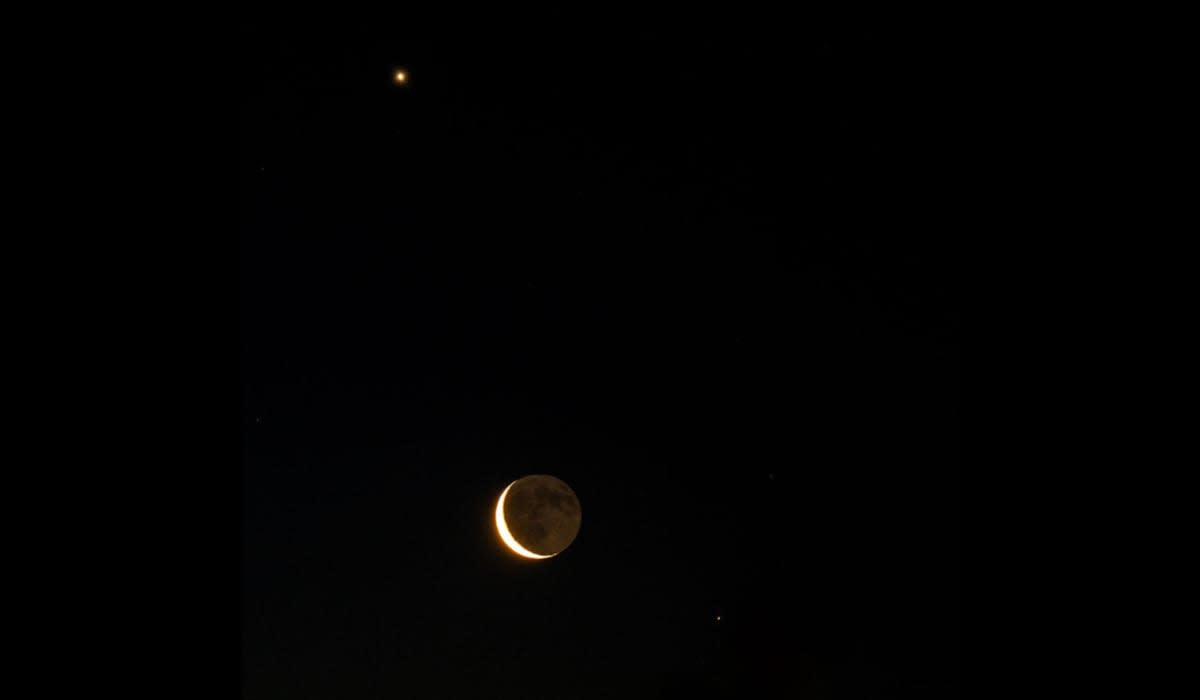
While planetary conjunctions are not so rare, this particular one will be a great sight to behold. According to Time and Date on January 23, 2026, the Moon, Neptune, and Saturn will line up and appear close to each other in the evening sky. Saturn is easily spotted with the naked eye, just like the moon, so there is no requirement for special equipment like telescopes and binoculars. Neptune, which is normally not so easy to spot, owing to its proximity to Saturn and the Moon, will be easier to find. Since it is the farthest planet from the Sun, it's a rarity to spot Neptune, and this conjunction provides a great opportunity for a glance at it!
More on Starlust
Blood moon alert: Here's everything you need to know about next year's total lunar eclipse
Don't miss the century's longest Total Solar Eclipse — here's the exact date