ISS Expedition 74 advances stem cell research and DNA nanotherapy to boost health and the space economy
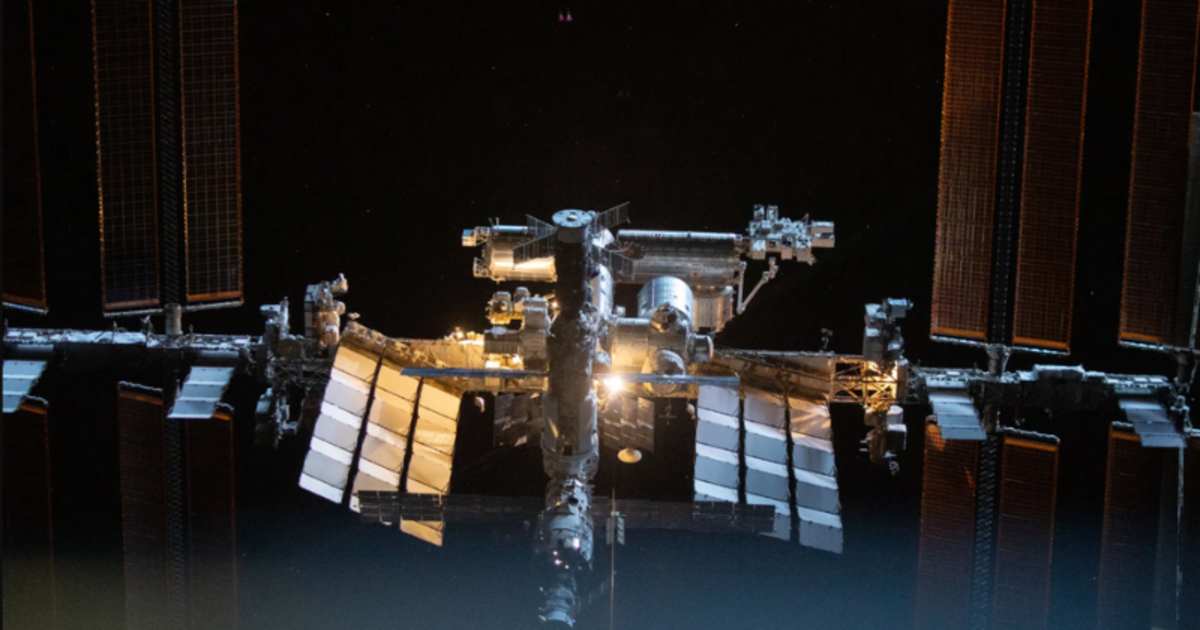
The International Space Station has been making significant advances in space and science. This week, scientists at the ISS had their schedule packed with biotech research, as per NASA. Additionally, the Expedition 74 crew members also had their hands full with state-of-the-art robotic software and space physics exploration, coupled with an emergency departure drill.
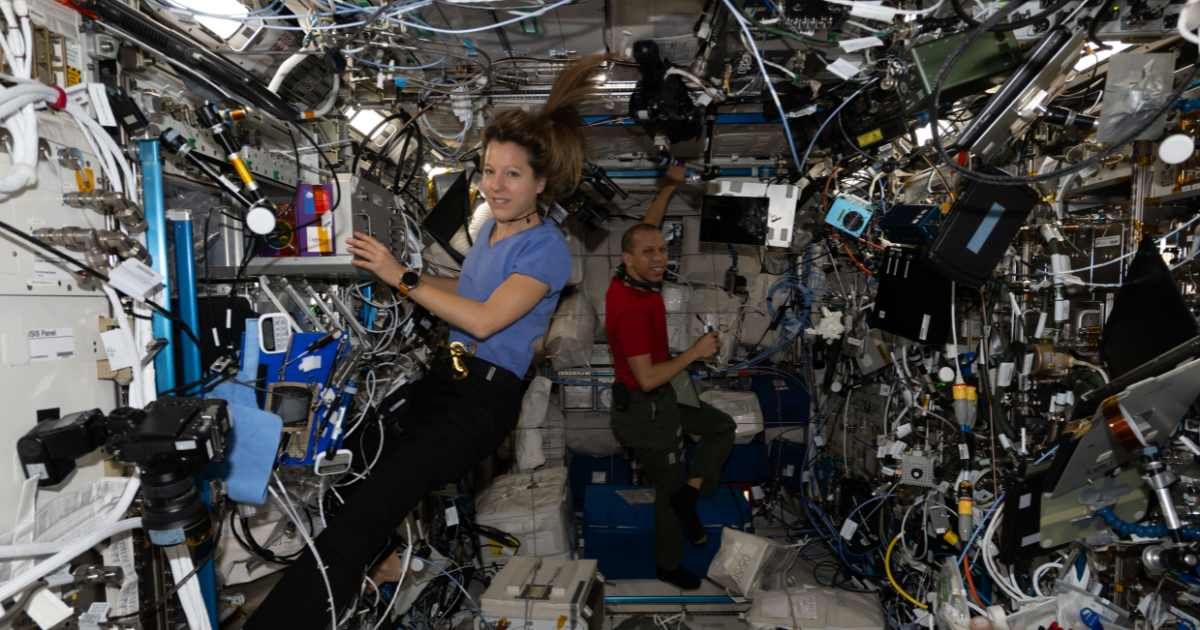
The main theme of the study was to devise new and advanced ways to combat alien illnesses, focusing on blood stem cell research alongside DNA-inspired nanomaterials. With the surge in manned space missions, significant stress has been put on how to contain diseases or reactions caused by foreign objects from space. Coming to the details of the work done, flight engineers Jack Hathaway of NASA and Sophie Adenot of the European Space Agency lead the latest research. They took stem cell samples from blood to learn the process of generating a higher number of clinical-grade stem cells while in space. One of the biggest takeaways that might come out of the experiment will be enhanced stem cell attributes. This will, in turn, contribute towards better cancer and blood disease therapies in humans.
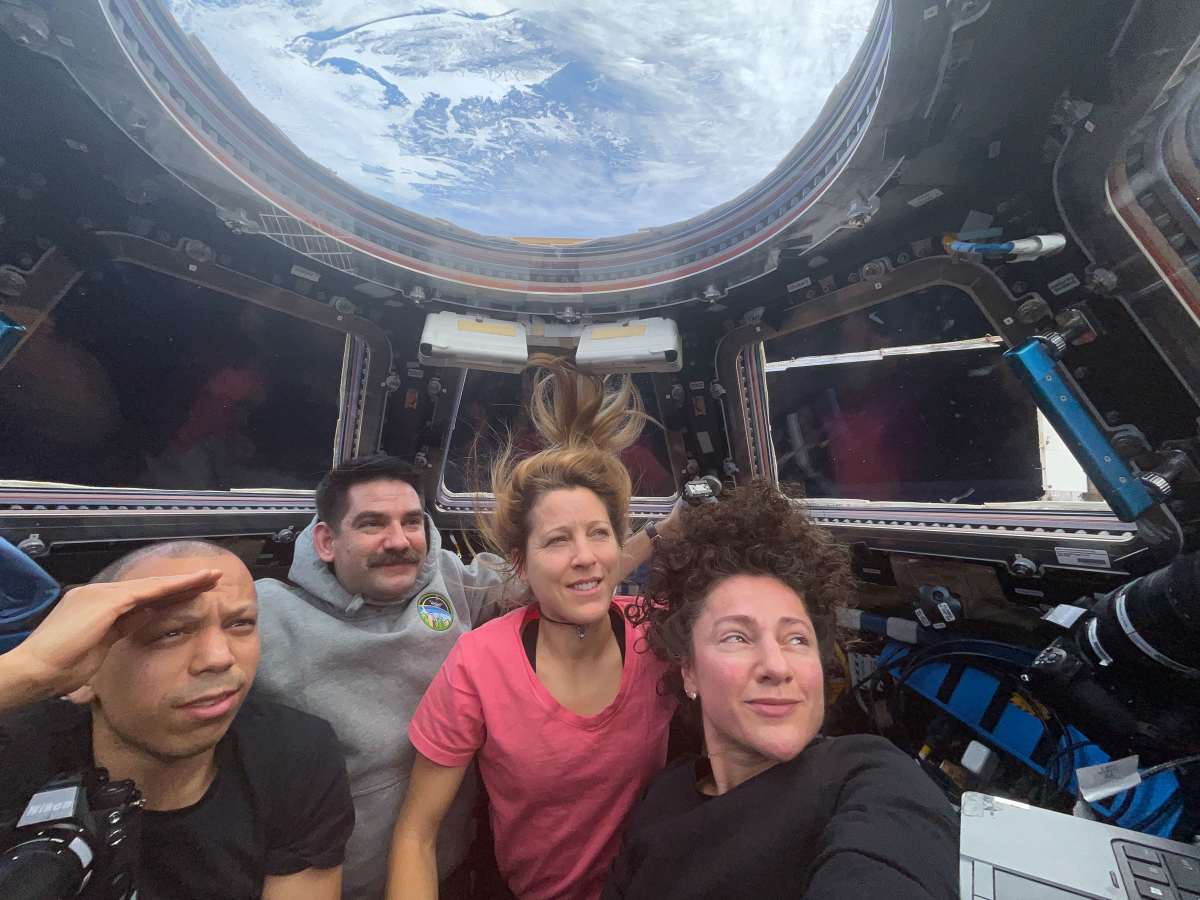
Taking the research further, Hathway took the help of the Destiny laboratory module’s KERMIT fluorescent microscope. By virtue of the microscope, remote viewing of microgravity's impact on the blood stem cells will be possible for the scientists on the ground. And that was not all. Next up, the team of Hathway and Adenot joined hands with NASA flight engineers Chris Williams and Jessica Meir to further elaborate on their initial experiment. Together, they arrived at the Kibo Laboratory module’s Life Science Glovebox, where they worked with the DNA Nano Therapeutics 3. This particular study involves mimicking DNA assembly. A successful and large-scale execution of the process will help in the production of sufficient nano-therapies in microgravity, enhancing the space economy significantly by offering up-scaled treatments for humankind.

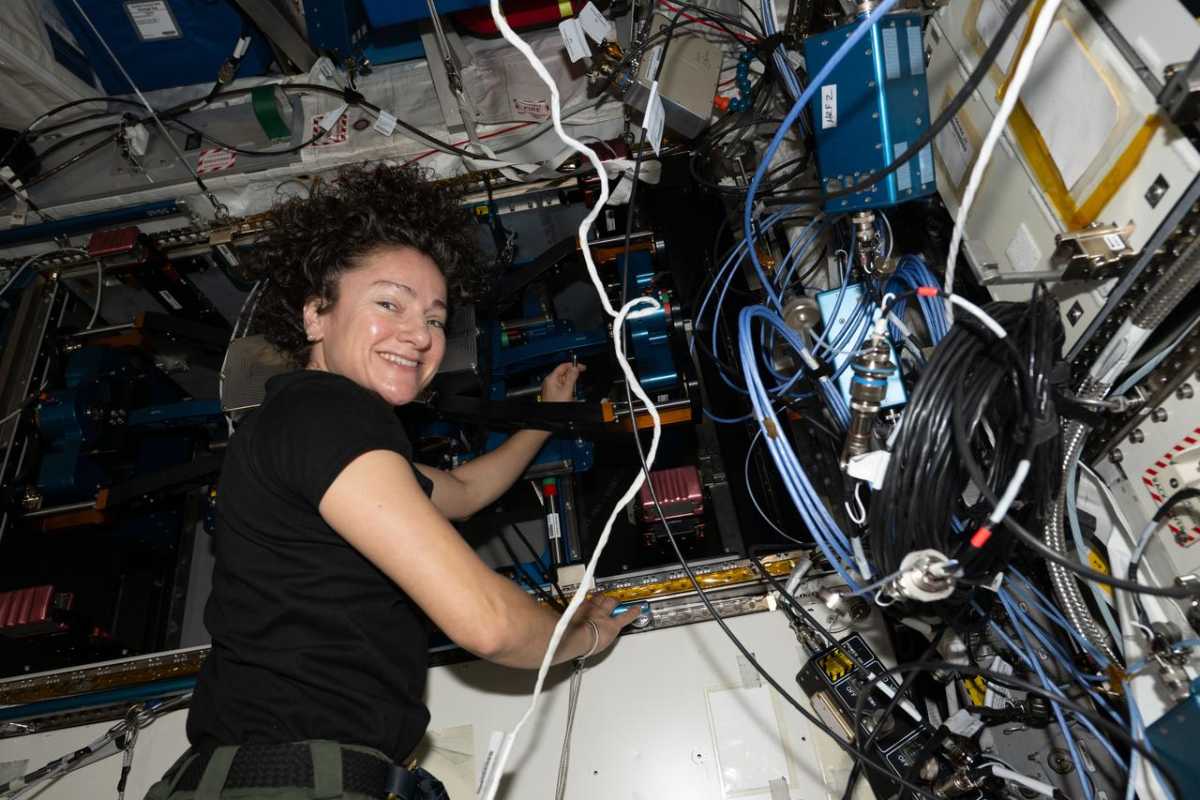
Trying to learn more about the cellular and molecular nitty-gritties of a number of biological samples, Meir powered on the Canadian Space Agency’s Bio-Analyzer. The team also had its attention on a physics-based study while at the International Space Station. While the results of those observations are yet to be published, Meir moved on to Destiny’s Microgravity Science Glovebox. The NASA flight engineer filled up the experiment hardware with gas as she took down notes about the long-term storage methods of cryogenic fluids. If favorable outcomes are derived, this particular study can be vital for sustaining spacecraft fuels as well as life support mechanisms.
Williams, on the other hand, got ready for an emergency mock drill. He was joined by Roscosmos cosmonauts, flight engineer Sergei Mikaev, and station commander Sergey Kud-Sverchkov. The trio promptly got inside the Soyuz MS-28 and practiced the evacuation process on a simulator. For the entirety of the drill, Roscosmos representatives and controllers had a close eye on the trio as they completed the emergency departure simulation successfully. Apart from all the mentioned tasks, Kud-Sverchkov hopped onto the Zvezda service module treadmill for a regular fitness test. Wrapping up a busy day at the ISS, Roscosmos flight engineer Andrey Fedyaev worked in the Nauka science module to improve the functioning of a European robotic arm.