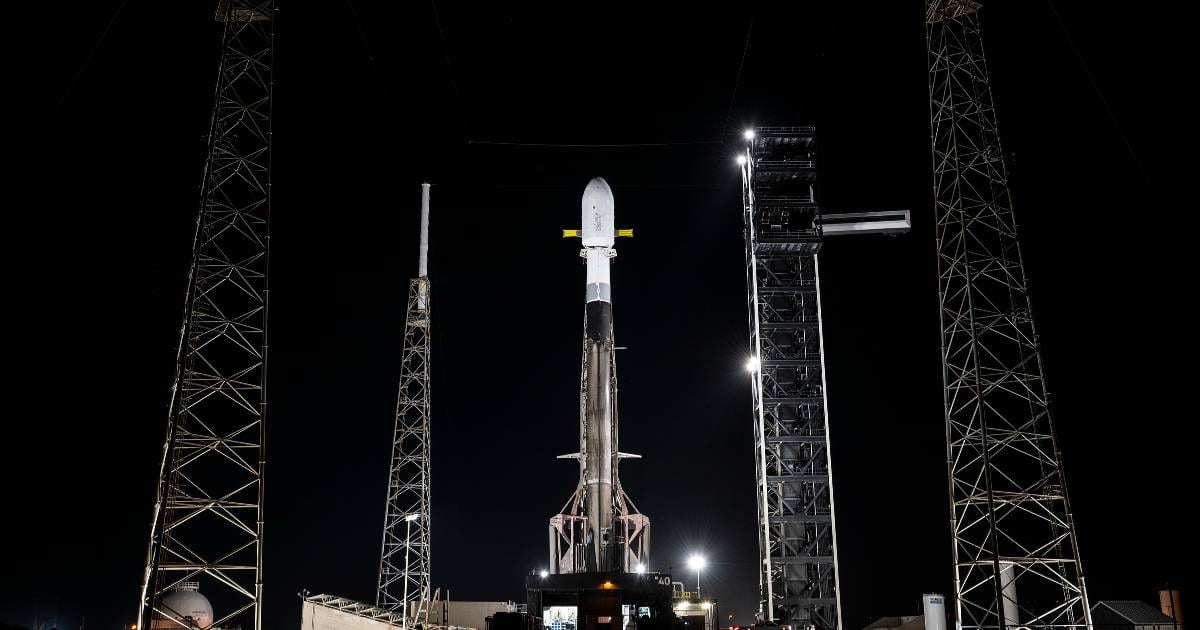
ISRO to launch India's first geosynchronous-orbit imaging satellite today—livestreaming details here
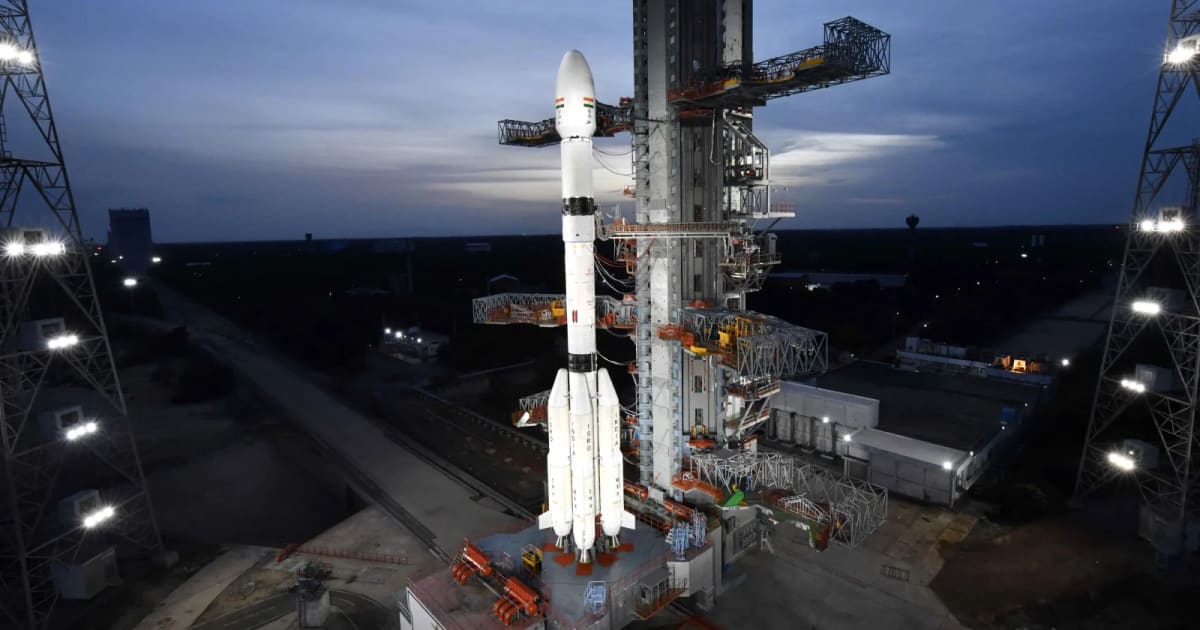
India's space agency ISRO is eyeing a major milestone in Earth observation. It is gearing up for the launch of EOS-05, India's first geosynchronous imaging satellite. The satellite will launch aboard the GSLV-F17 rocket in what will be the 19th flight of ISRO’s Geosynchronous Satellite Launch Vehicle (GSLV).
Meet EOS-05 — a state-of-the-art Earth observation spacecraft and India’s first-ever imaging satellite from Geosynchronous orbit.
— ISRO (@isro) September 2, 2026
🗓️ 04 Sept 2026 | ⏰ 02:55 AM IST
Livestreaming starting from 02:25 AM IST onwardshttps://t.co/uCaGCKcwuC
For more information:…
Watch the launch live
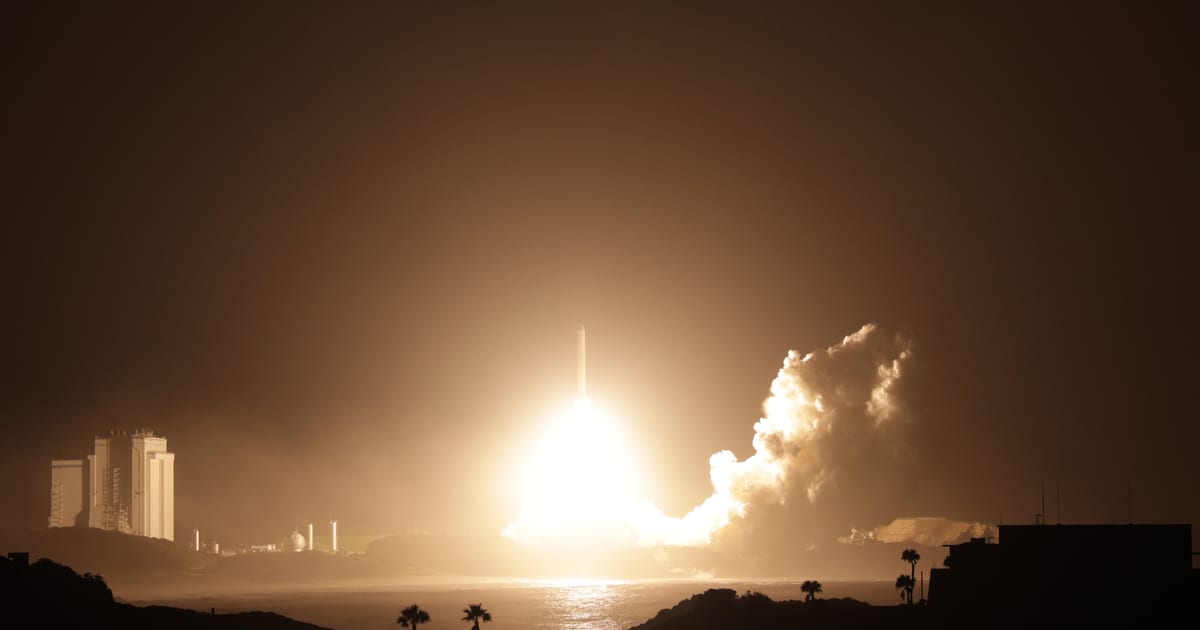
The launch is scheduled to take place later today (September 3) at 5:25 p.m. EDT (2:55 a.m. IST on September 4) from the Second Launch Pad (SLP) at Satish Dhawan Space Centre in Sriharikota. Viewers can catch the liftoff live, as ISRO will be streaming the event from 4:55 p.m. EDT (2:25 a.m. IST) on its official website and on its YouTube channel.
Why put a satellite in geosynchronous orbit?
Rather than directly placing EOS-05 into the final geosynchronous orbit, the rocket will first transport the approximately 2,367 kg EOS-05 satellite into a sub-geosynchronous transfer orbit (sub-GTO), following which EOS-05 will propel itself to reach the final geosynchronous orbit at an altitude of around 36,000 kilometers (approximately 22,300 miles).
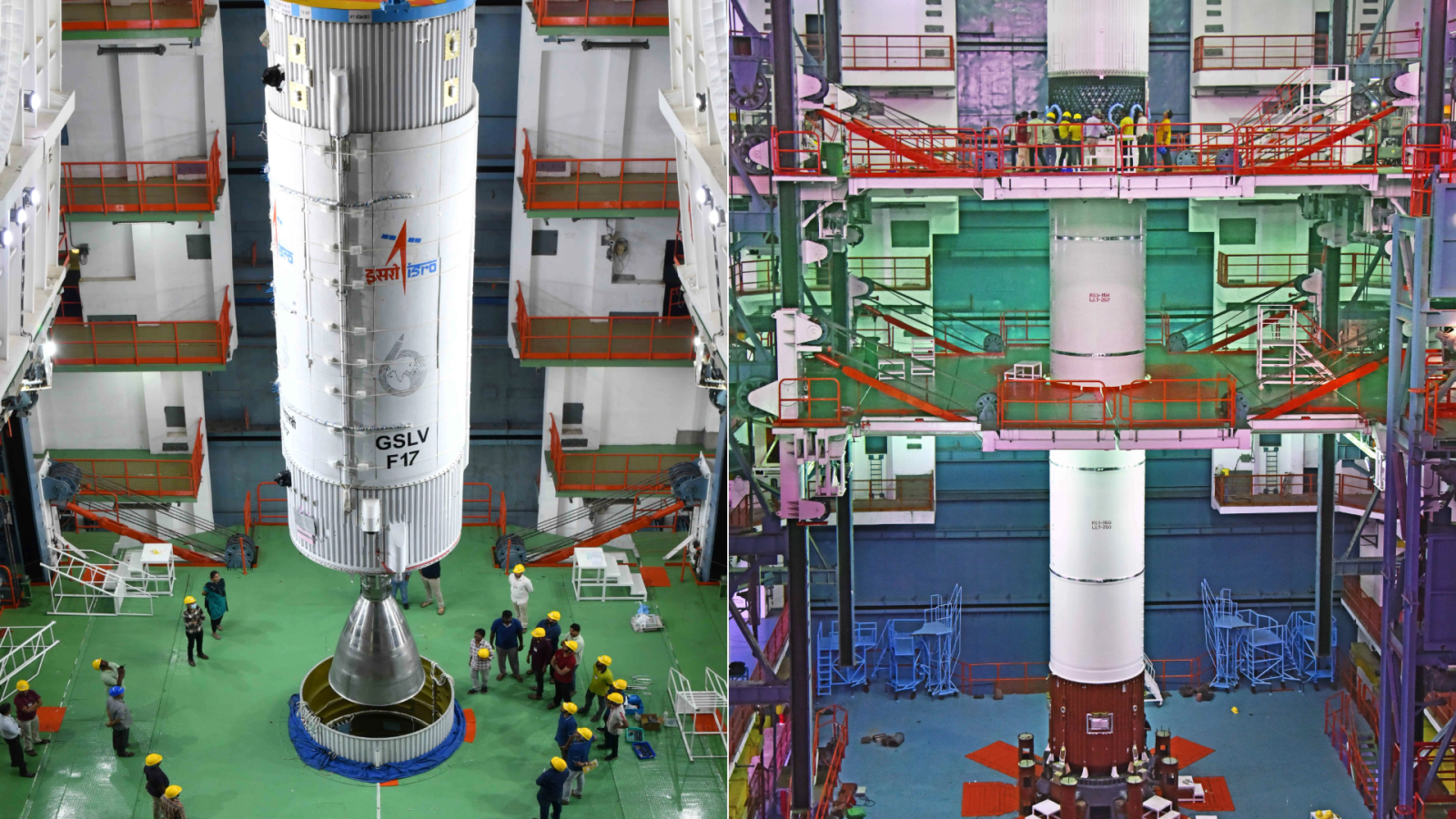
At that altitude, EOS-05's orbit will synchronize itself with the rotation of the Earth, allowing the satellite to remain stationed over the same broad area over India and its surrounding regions. This will enable it to fulfill its objective, which is to provide near-real-time images of large areas at quick intervals, thereby helping monitor natural disasters like cyclones, floods, and cloud bursts that develop quickly. Times of India reported that it will have military applications as well.
GSLV-F17/EOS-05 Mission is scheduled for launch on 04 Sept 2026 at 02:55 AM IST from Satish Dhawan Space Centre, SHAR, Sriharikota.
— ISRO (@isro) August 31, 2026
Launch enthusiasts and visitors can witness the mission from the Launch View Gallery at SDSC SHAR by registering online at:https://t.co/vjNE4RyJYD…
Most of ISRO's Earth observation satellites operate in low-Earth orbit at an altitude between 160 and 2,000 km. And while they may provide high-quality images, they can only take brief snapshots of a particular region before they get to revisit it again on a subsequent pass. EOS-05, meanwhile, is expected to provide imagery roughly every 30 minutes and will also be able to revisit priority targets in as little as five minutes.
ISRO'S GSLV rocket and its infamous nickname
The GSLV rocket is a three-stage vehicle that has a GTO payload capacity of 2,250 kg and an LEO payload capacity of 6,000 kg. The last GSLV rocket launch, i.e., the GSLV-F16/NISAR mission, was successfully carried out on July 30, 2025, when the rocket sent the Earth observation satellite NISAR, jointly developed by NASA and ISRO, into low-Earth orbit. The rocket's overall record, however, has been far from perfect. Six failures on its 18 flights to date have earned it the infamous nickname of "naughty boy" inside ISRO.
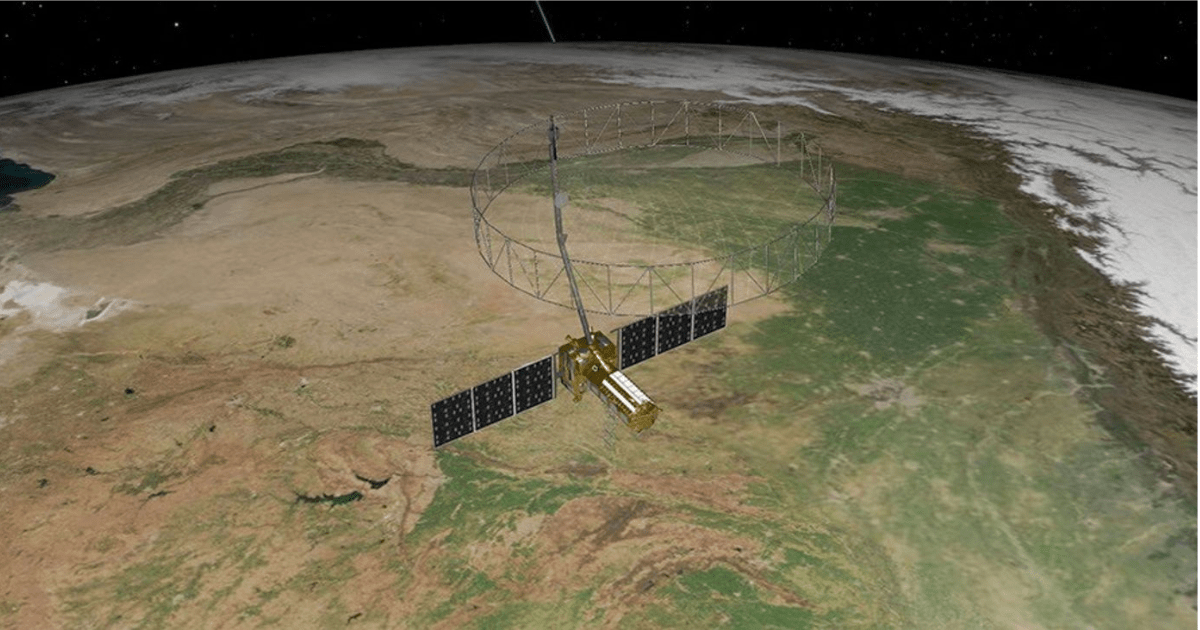
What is ironic is that ISRO has a lot riding on this naughty boy, especially after the failure of its PSLV rocket earlier this year. ISRO chairman V. Narayanan has stated that the launch will provide a major boost to India's Earth observation endeavors and, in addition, enhance the delivery of Earth observation services.
More on Starlust
ISRO aces qualification tests of major spacecraft systems for crewed Gaganyaan mission
This NASA tool will fly aboard a JAXA-ISRO mission to look for water in the Moon's south pole