Inside Artemis III: A look at how astronauts are training for NASA's ambitious mission
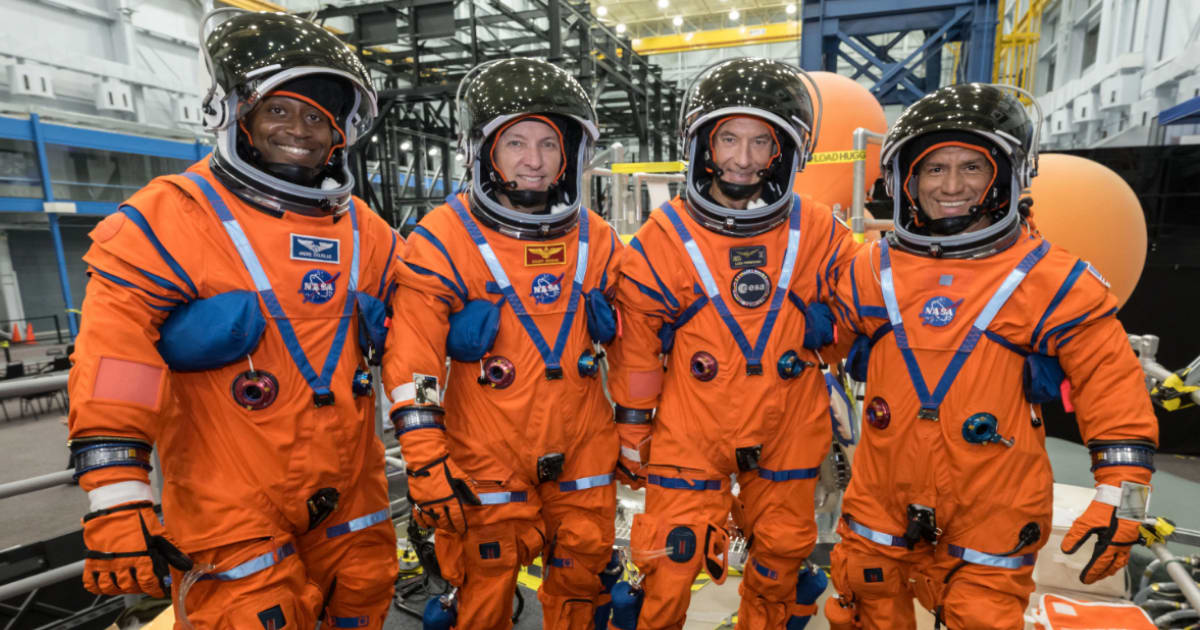
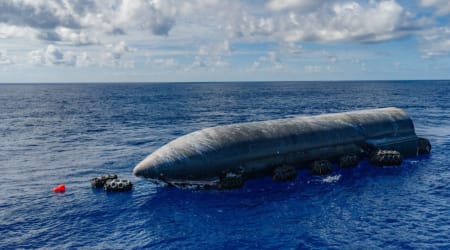
Artemis III crew members recently completed a water survival class at NASA's Johnson Space Center in Houston to practice exiting the Orion spacecraft during a splashdown. As part of the training exercise conducted last week at the Neutral Buoyancy Laboratory, the four astronauts donned their bright orange Orion Crew Survival System suits and practiced emerging from the Orion capsule after a water landing. This required the crew to learn how to operate all onboard survival hardware, including the deployment of life rafts.
@NASAArtemis III Crew 'Family' photo before starting @NASA_Orion water egress training.
— Randy "Komrade" Bresnik (@AstroKomrade) August 31, 2026
Wise proverb - 'If you want to go fast, go alone... if you want to go far, go together!' pic.twitter.com/e6ZhjiKL6w
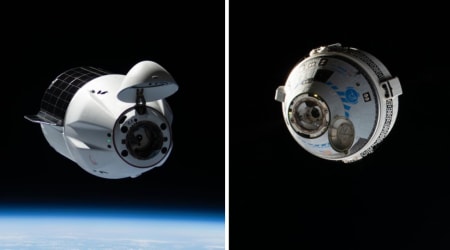
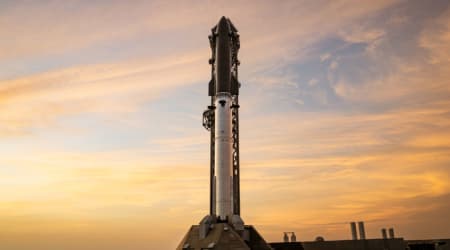
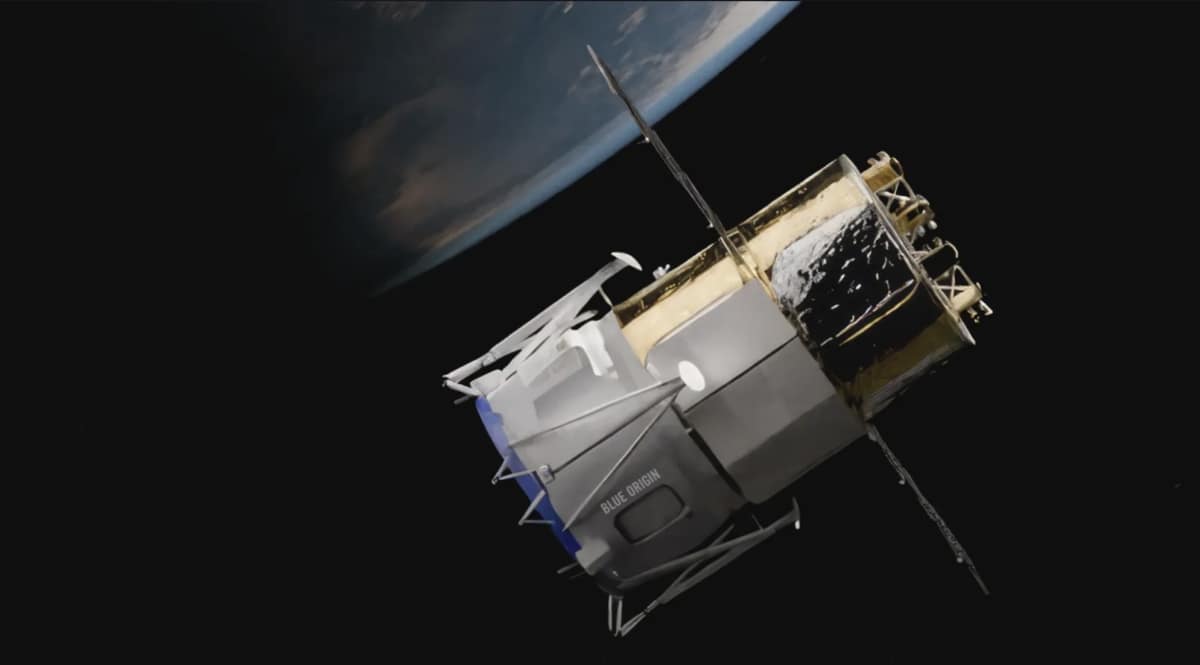
The four members of the crew—Commander Randy Bresnik, European Space Agency Pilot Luca Parmitano, and Mission Specialists Andre Douglas and Frank Rubio—have also been working inside an Orion capsule mock-up to get used to their future living quarters in space. While the Artemis II crew showed that four humans could be supported by Orion's life-support systems for a mission spanning just over nine days, Artemis III will be much longer, lasting several weeks. This means the crew must prepare for a mission that calls for greater endurance, while also managing a flight profile that is far more complex than that of its predecessor. Although Artemis III is an Earth-orbit mission rather than a lunar landing, it is still a complex one. As part of the mission, the crew will rendezvous and dock with two separate Human Landing System pathfinders launched by SpaceX and Blue Origin. Following docking, two crew members will enter the Blue Origin Blue Moon test module in the orbit, to evaluate its environmental control and life-support systems in space for the first time.
Addressing the challenges that differentiate this mission from Artemis II, Chief Training Officer Debbie O’Connell recently noted: "I think the biggest difference to me is that for Orion, we’re still developing the ops concepts, the hardware—the vehicle is still being developed while we’re doing the training." Because of this, the exercises the crew is currently participating in focus on acquiring general skills and familiarizing themselves with living inside the vehicle. This includes practicing the daily activities the crew will perform in space, such as preparing meals and photographing Earth. To that end, the Orion mock-up at JSC features a working food warmer and a potable water dispenser to simulate daily routines, while the astronauts also hone the photography skills they will use in low Earth orbit.
Suit up. Artemis III is getting real. 🚀🌕
— NASA's Johnson Space Center (@NASAJohnson) July 27, 2026
Today’s suited training session prepares the crew for the upcoming @NASAArtemis III mission, where astronauts will test docking procedures between Orion and commercial human landing systems. The suited training allows the crew to gain… pic.twitter.com/Rv3HOTLEmi
To master how the Orion spacecraft functions, the astronauts reportedly underwent two weeks of high-intensity training. Following this, the crew's training focused on maneuvering Orion in space. This required the astronauts to perform simulated engine burns using the Orion mock-up at JSC’s Mission Simulation and Training Facility. "They have procedures and steps that they have to perform every time we translate Orion. And then we just jump right into malfunctions—ascent malfunctions, entry malfunctions. We try to train for all the worst-case scenarios," O'Connell said. The training officer labeled the initial preparations as challenging due to the sheer volume of information the astronauts had to absorb, though the process has smoothed out over time. To build coordination, the astronauts recently conducted joint simulations with the flight control team, practicing with all four crew members present simultaneously.
Inside Orion and behind the camera 📸@NASAArtemis III crew members have been busy training in the Orion mockup at Johnson, practicing daily spacecraft operations like mealtime together and honing their mission imagery skills to share moments with us back on Earth during their… pic.twitter.com/j2upQrUlV3
— NASA's Johnson Space Center (@NASAJohnson) August 20, 2026
The four Artemis III astronauts began their training the very next morning after NASA announced their names and assignments in June. Since then, they have been learning entirely new procedures based around spacecraft hardware they are not familiar with. Reflecting on the crew's progress, O'Connell said: "I’m not in their seat, but I can imagine it would be a little bit frustrating to try to get up to speed really fast. But they are doing excellent."
More on Starlust:
NASA administrator says he's 'extremely confident' Artemis III will launch in 2027
How SpaceX's Starlink will give you a front row seat to NASA's Artemis III mission