Full Pink Moon to illuminate Artemis II launch: What Moon phase will the crew see in low Earth orbit

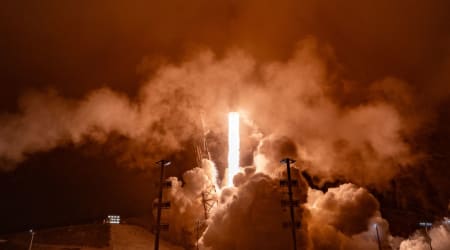
NASA's Artemis II mission is on the verge of launching on Wednesday and, to no surprise, this historic lunar flyby will be bathed in the light of the full Pink Moon. As the launch countdown has officially begun, this mission marks a pivotal moment in space exploration. For the first time, we can anticipate the SLS rocket rising into the night sky alongside the fully illuminated lunar orb. For those residing on the U.S. East Coast, this moment is a rare opportunity to watch this breathtaking spectacle of both the Moon and the rocket ascending into the sky at the same time, kicking off the month of April with a literal bang.
Action. Wonder. Adventure. Artemis II has got it all. Don't miss the moment. Our crewed Moon mission will launch as early as April 1.
— NASA (@NASA) March 30, 2026
Learn how to watch: https://t.co/fAg0bGAqEc pic.twitter.com/2uhg8EhwTv
Pink Moon meets Artemis II launch
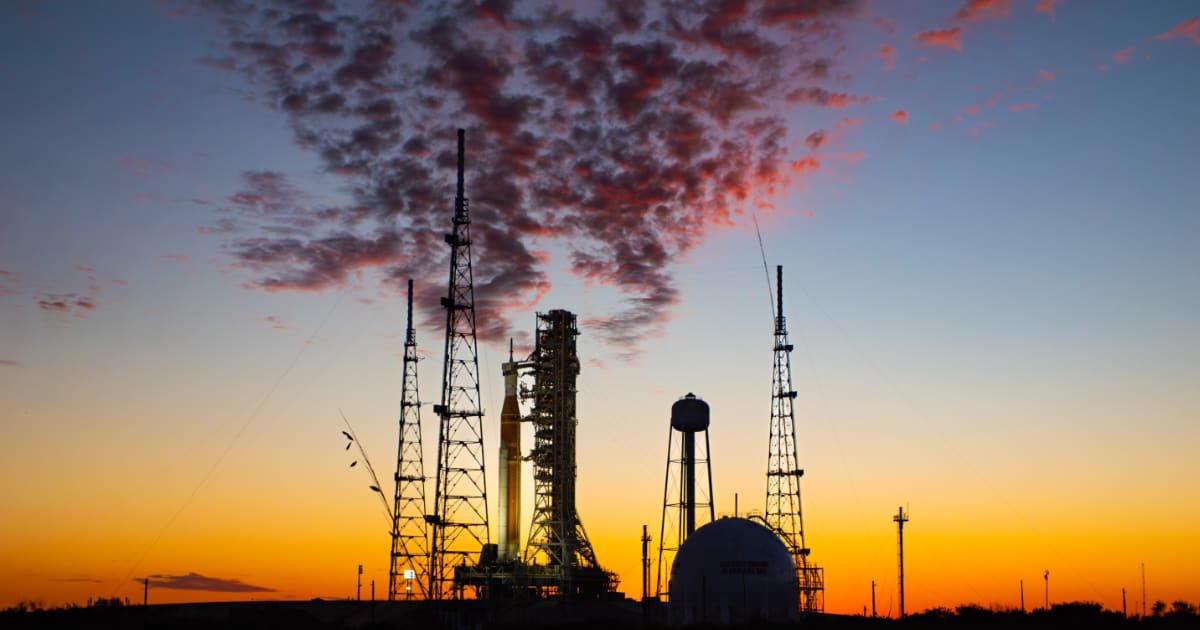
The full Pink Moon will reach full phase in the sky at 10:12 pm EDT (9:12 pm EST) on April 1, 2026, according to TimeandDate. This gleaming peak of this full Moon is in alignment with the Artemis II launch that is scheduled to lift off at 6:24 pm EDT (5:24 EST) from Launch Pad 39B at the Kennedy Space Center in Florida on the same day, as reported by NASA. As the Pink Moon will rise over the horizon to illuminate the starry sky, we will also watch NASA release its first crewed mission to the Moon into space since the Apollo era. It will be a delightful spectacle to witness the four astronauts traversing to the celestial object that we will be dreamily gazing at from Earth.
The Pink Moon
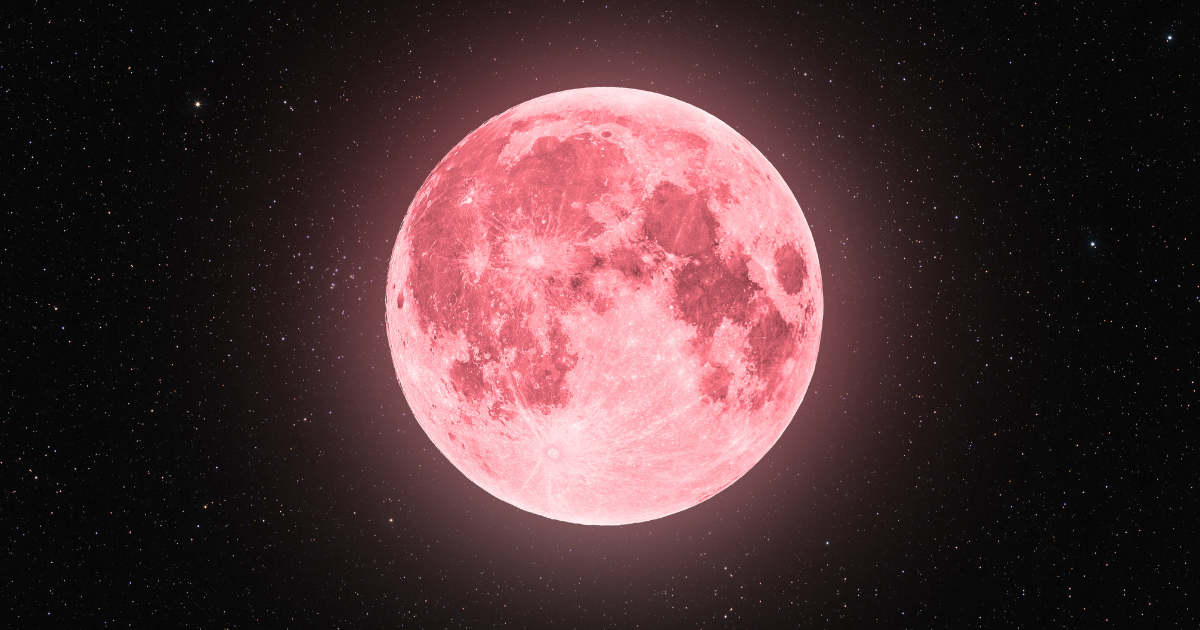
Named after the bright pink phlox flowers that bloom in spring around this time of the year in North America, the ‘Pink Moon’ forms the traditional name of April’s full moon. However, contrary to this popular nickname, the Moon itself doesn’t show any pinkish or reddish hues when it appears. Associated with the ushering in of the arrival of spring, the names allude to the spring thaw and signs of new growth each year. This full moon will appear as a supermoon floating above the horizon on the day, but it will not technically be one. During this celestial event, we will be able to see the lunar disk completely illuminated by the Sun, where the Moon will develop a yellow-orange hue at moonrise and moonset as the light reflected from its surface will be filtered over the course of its journey through Earth's atmosphere. To make the best out of the opportunity, find a good spot, preferably away from city lights, with a clear view of the east.
Artemis II says 'Hi' to the Pink Moon
Now, the Space Launch System (SLS) rocket carrying NASA’s crew of four astronauts - Reid Wiseman, Victor Glover, Christina Koch, and CSA (Canadian Space Agency) astronaut Jeremy Hansen - aboard the Orion spacecraft is ready to travel around the Moon as the last phase of preparations has been completed. Once the SLS rocket launches into space, approximately 8-10 minutes after liftoff, it will reach low Earth orbit in its journey. Here, the Artemis II crew will be greeting this stunning full Pink Moon quite up close.

As this mission will orbit the Earth twice, the crew will be able to view the illuminated disc of the Moon’s near side against the dark edge of Earth, its night side, in high resolution from their windows. A poetic preparation for their ultimate destination to the 'dark side' of the moon in their flyby. This 10-day round trip to the Moon may set the record of the farthest distance traveled in space by humans. Apart from the lunar observation, there are some important firsts this mission is achieving. Pilot Victor Glover will become the first person of colour to fly beyond low-Earth orbit, while Mission Specialist 1 Christina Koch will be the first woman to fly to the Moon. On the other hand, Canadian Space Agency Mission Specialist 2 Jeremy Hansen will be the first non-US citizen to accomplish the same feat.
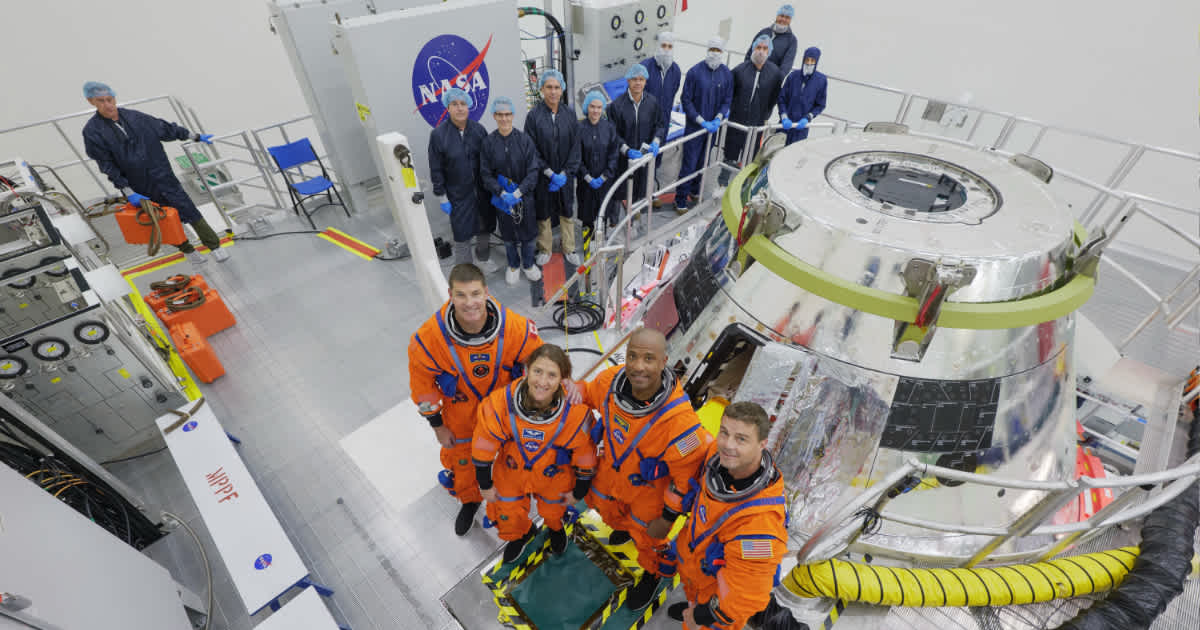
The launch is drawing closer with each passing hour. We all can watch the launch come to life before our eyes as NASA will provide 24/7 mission coverage available to watch across multiple platforms. As the full Pink Moon rises, so will this historic moment.
More on Starlust
Artemis II launch on April 1: Where and how to watch the livestream. Full details
Why is April's Full Moon called the Pink Moon? History and meaning explained