Full Pink Moon 2026: Date, time and how to watch April's Full Moon
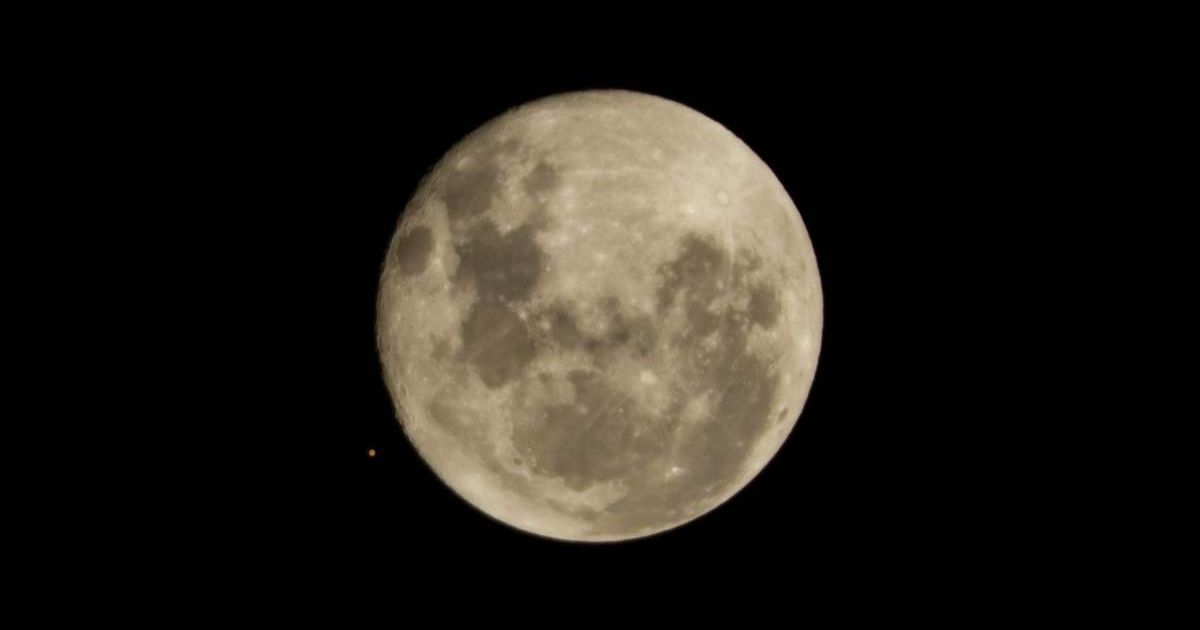
A Full Pink Moon will grace the skies on April 1, 2026, appearing as a supermoon floating above the horizon, even though it won't qualify as one. Moreover, it will bring with it a host of other visual treats for skywatchers' eyes to feast on. Here, we share everything you need to know to have the best experience observing our sole natural satellite on the special occasion next month.
'Pink Moon'—What does it mean?
The April Full Moon is commonly referred to as the ‘Pink Moon,’ not because it suddenly takes on a pinkish hue but because of the bright pink phlox flowers that bloom in spring around this time of the year in North America, according to TimeandDate. It also has several other names, like the Breaking Ice Moon, Budding Moon, Awakening Moon, Egg Moon, and Paschal Moon. The names originating from the Native American culture, such as Breaking Ice Moon and The Moon of the Red Grass Appearing, allude to the spring thaw and signs of new growth each year.

When will the Pink Moon be visible?
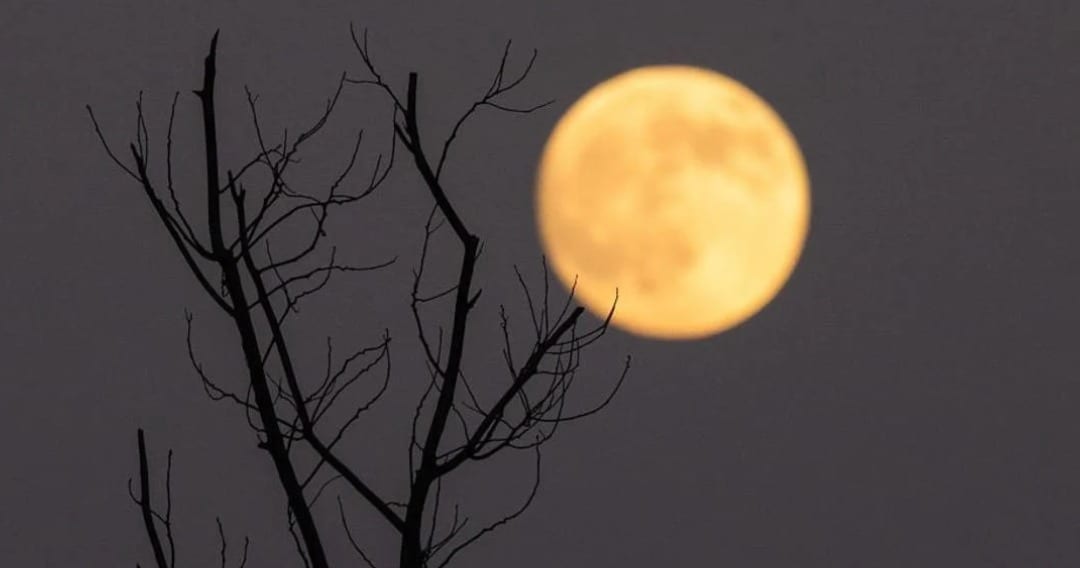
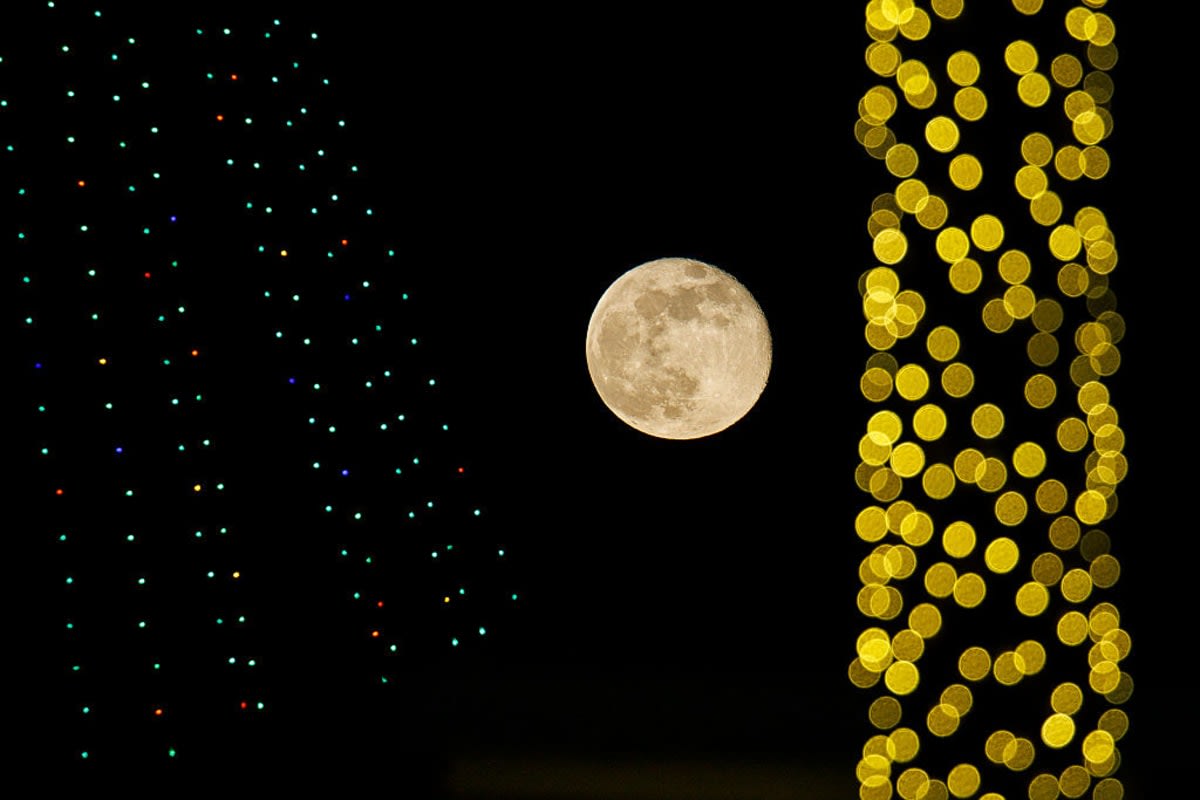
The Pink Moon will appear at 10:12 pm EDT. At this time, we will be able to see the lunar disk completely illuminated by the Sun as the Moon sits opposite it in the sky when observed from Earth. Skywatchers may expect the Moon to develop a yellow-orange hue at moonrise and moonset as the light reflected from its surface will be filtered over the course of its journey through Earth's atmosphere. As mentioned earlier, the Moon will appear larger than usual near the horizon because of what is referred to as the 'Moon illusion.' It is essentially a trick that our mind plays on us, which makes the satellite seem larger when it is close to the horizon than when it is overhead. To make the best out of the opportunity, find a good spot, preferably away from city lights, with a clear view of the east.

What to keep an eye out for besides the Pink Moon
This Pink Moon on April 1 will be accompanied by various other visual delights. While the shining Moon sits in the sky, to the left of it, observers will be able to spot stars from the constellation Virgo, including its brightest star, Spica, per Space.com. To this constellation’s east, the bright red giant Arcturus can also be seen, alongside the Big Dipper pattern that sits in the stunning Ursa Major. Observers will also be able to locate the constellation Leo on this Full Moon night by tracing a line up from the satellite to find a question mark-shaped formation of stars representing the head of the lion. At this pattern’s base lies the luminous star Regulus. With such celestial beauties on display, the April Pink Moon will be a rewarding spectacle for casual skywatchers and astrophotographers alike.
More on Starlust
In pics: March 2026 'Blood Worm Moon' from New Orleans, Beijing and New Zealand
NASA's top skywatching events for 2026: Total lunar eclipse, Perseid meteor shower and more