First commercial asteroid mining could happen 'within years, not decades.' But is space law ready?
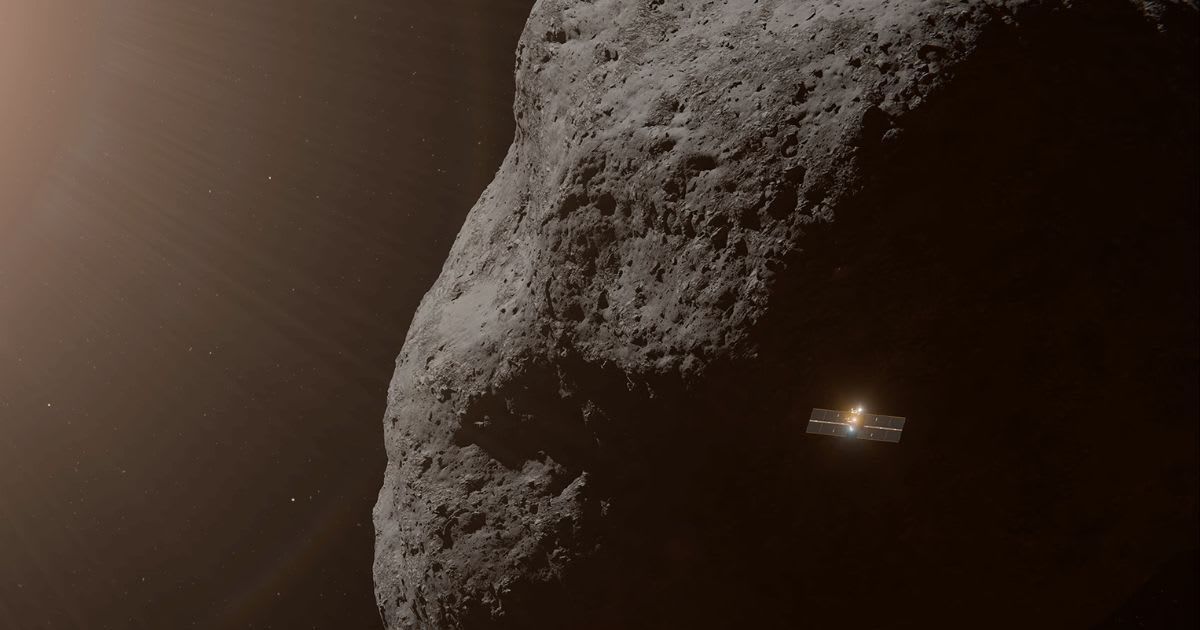
Asteroid mining isn’t just a concept anymore, as private missions are on the verge of launching to space to extract resources. However, the concept seems to have moved from theory to reality faster than governments and global laws could keep up. A new study warns of a glaring legal void in asteroid mining, especially concerning the potential environmental impact of such missions. In this insightful paper, Dr. Anna Marie Brennan of the University of Waikato, New Zealand, explores how current laws are incapable of dealing with space resource extraction and proposes a feasible solution — an independent monitoring framework. The study was published recently in Acta Astronautica.
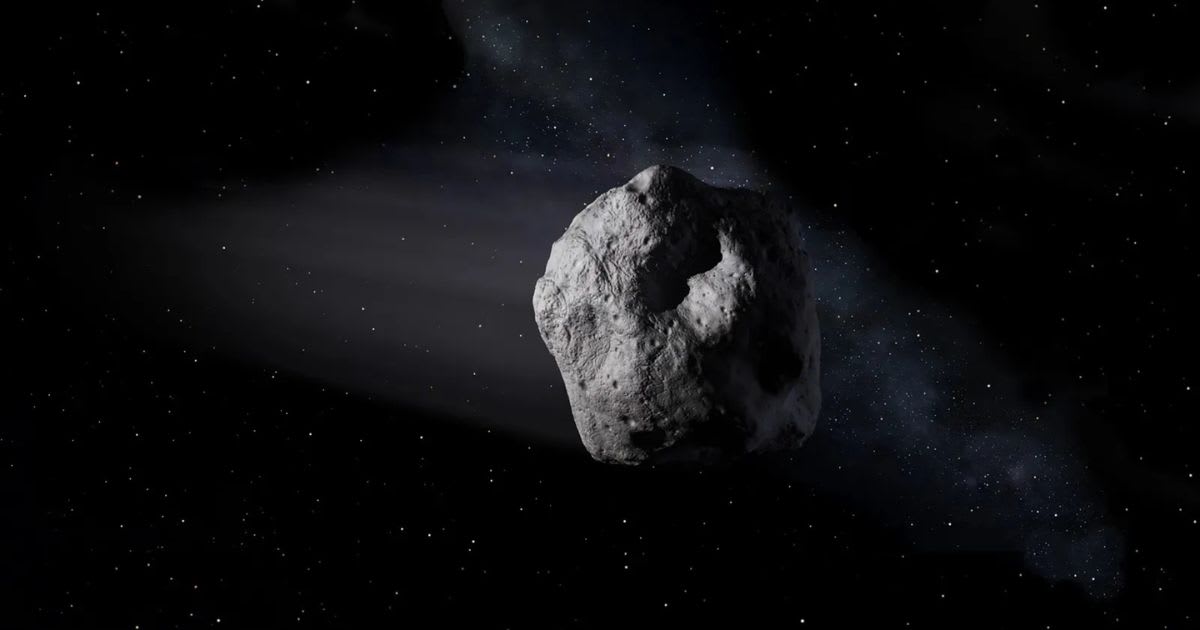
Early space mining without regulation
In an exclusive interview with the Starlust team, Dr. Brennan elaborates on her research paper's central ideas and addresses potential problems related to debris management, environmental accountability and more. Considering private space companies like AstroForge and Karman+ have either already launched their own missions (or at least have plans for next year), the learning cycle around asteroid mining is “now measured in years, not decades,” according to Dr. Brennan. “We are likely within five to ten years of the first credible ‘commercial extraction attempt’ happening before any robust, internationally agreed environmental governance exists,” she explains.
Our next mission, DeepSpace-2, is going to land on an asteroid to validate mining opportunities.
— AstroForge (@AstroForge) September 24, 2025
It’s highly unlikely for proper rules and regulations to emerge before large-scale mining begins, and the outcomes of these initial exploration missions could set the tone for the future. “Early missions can still set precedents on who authorizes operations, what counts as harmful contamination or interference, and whether deconfliction or ‘safety zones’ become de facto exclusion areas,” explains Dr. Brennan. Outer space law is still rather broad enough to avoid harm; it doesn’t enforce a strong global monitoring body or require environmental impact assessment for extracting resources.
Major risks of asteroid mining
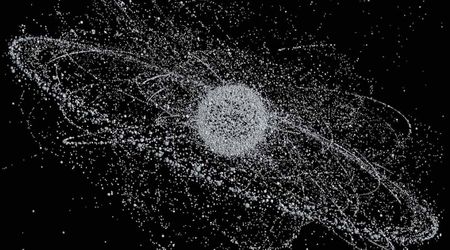
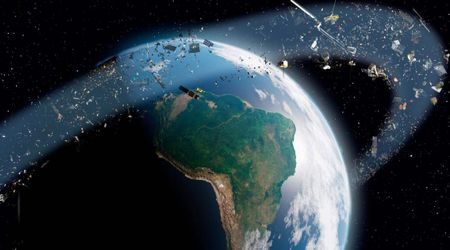
But what could possibly be so alarming about asteroid mining’s environmental impact that requires immediate regulation? Dr. Brennan points out a few “high-consequence, hard-to-reverse” pathways like debris creation and contamination. When an asteroid is drilled, fractured or heated, it’s bound to send high-velocity particles into space. “This raises two risks: localized ‘sandblasting’ hazards for other spacecraft operating nearby, and longer-lived debris if operations occur in busier orbital corridors or if material is inadvertently injected into heliocentric or Earth-crossing orbits,” she explains.
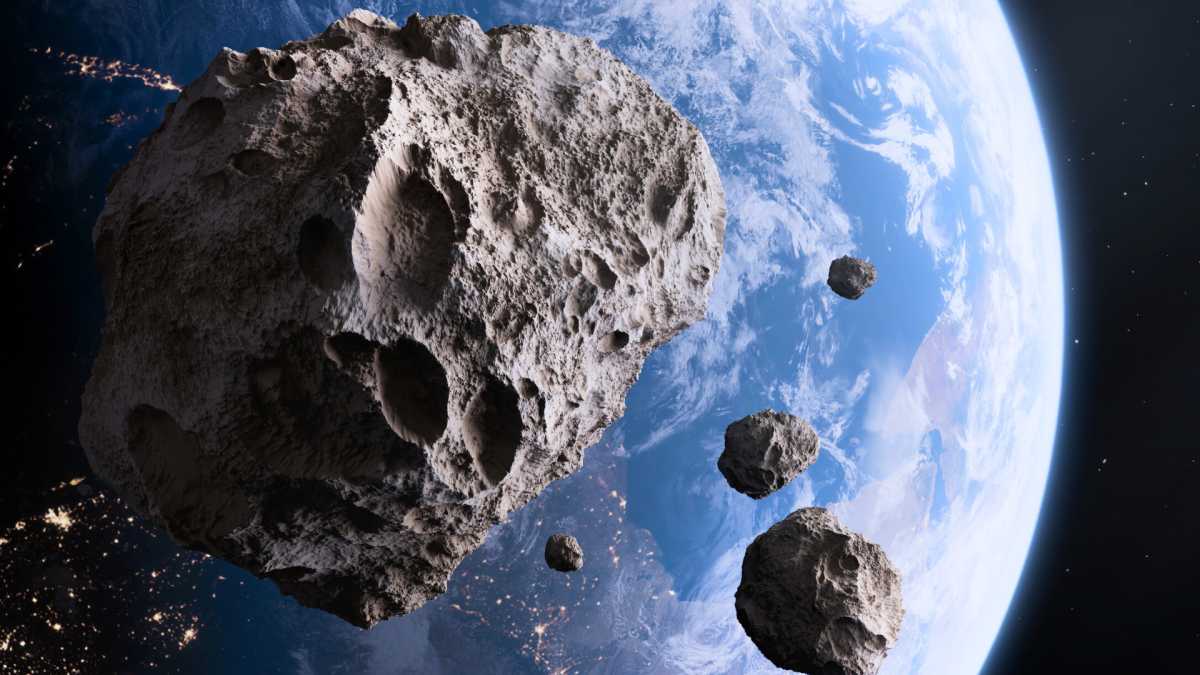
Another concern here is damaging the asteroid itself to such an extent that the entire worksite is split into fragments and loses all value in terms of both resources and scientific importance. Moreover, another risk here is contamination — either by compromising the body’s astrobiology by introducing Earth materials, or bringing home asteroid samples without proper care, which can undermine public trust. Dr. Brennan also identifies “interference externalities such as plumes, radio noise, and exclusion practices that effectively block access to shared high-value targets,” noting that these could create conflict even before actual mining work begins.
Legal gaps and oversight issues
According to Dr. Brennan, the single most glaring gap in space law is the lack of a comprehensive environmental regulatory system for mining. She elaborates, “There is no agreed requirement for an environmental impact assessment, no shared standards for acceptable harm, no monitoring and data disclosure rules, and no neutral process to approve, condition, pause, or terminate operations if impacts emerge.” In essence, the Outer Space Treaty just offers general guidelines and makes states responsible for their companies, without addressing nuanced issues. Dr. Brennan points out the absence of a dedicated mechanism for rapid dispute resolution, which could lead to unilateral safety zones that might block others from accessing certain areas.
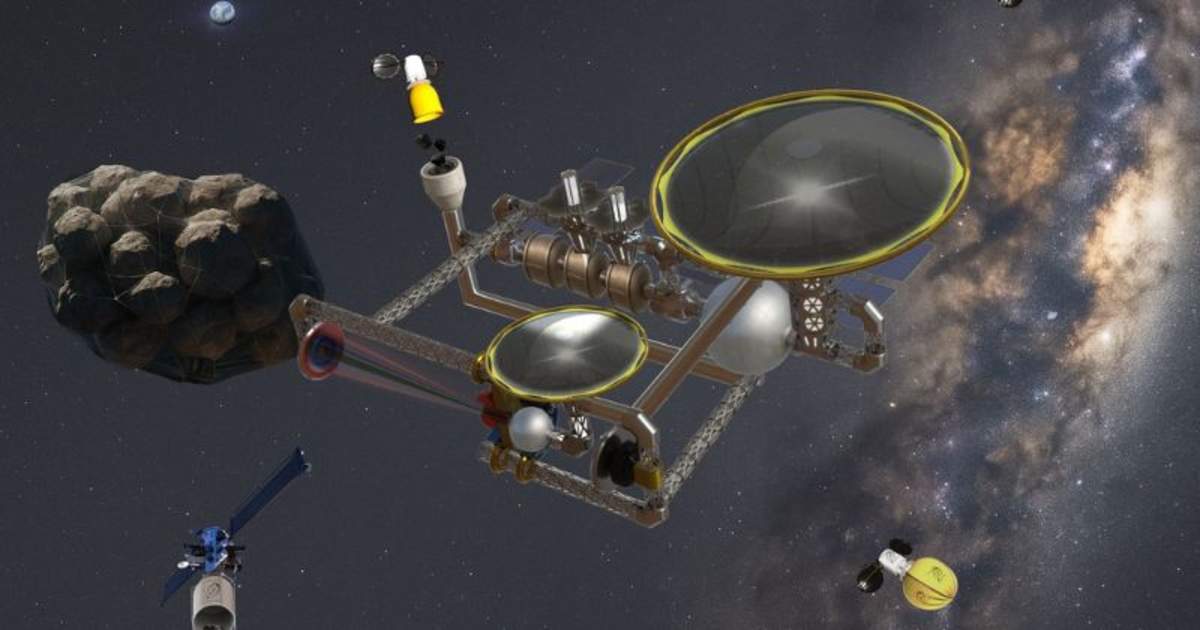
Hypothetically, even if outer space law was already airtight by now, there is still a question of how exactly governments would enforce it, given that asteroid mining missions would operate autonomously millions of kilometers away. Instead of direct, real-time operational control, Dr. Brennan states that supervision would “take the form of a comprehensive licensing and assurance framework.” This would involve continuous telemetry reporting and independent verification of mission data. She also calls for clearly defined, enforceable operational thresholds that determine when activities may proceed, pause, or cease.
Is NASA mining asteroids? No, but we love studying them.
— NASA (@NASA) June 28, 2023
The science gained from asteroid missions—like our upcoming #PsycheMission to a unique metal-rich world—could one day benefit future cosmic resource endeavors. https://t.co/Pl56UQW6Cc pic.twitter.com/8Pzsyo7rCB
Breaking down Dr. Brennan’s suggestions, companies sending back data on mining activities and debris monitoring is a reasonable minimum requirement. Problems such as unexpected breakage, loss of control, or path changes must be reported well in advance. In fact, governments shouldn’t have to rely on self-reporting from the operators in this regard. Instead, they should have independent access to raw data and even use independent tracking systems to verify information.
Lessons from deep-sea mining
A key pillar of Dr. Brennan’s recent study is what systems asteroid mining could potentially borrow from deep-sea mineral extraction, which the International Seabed Authority regulates. “One useful element is a staged licensing system that treats prospecting, exploration, and exploitation as separate phases with increasing obligations,” she explains. “This approach allows time-limited authorizations, clear work plans, financial guarantees, and renewals based on compliance rather than permanence.”
Environmental management practices could also carry over, as deep-sea mining’s baseline studies and structured impact assessment processes might just translate to asteroids, even though the legal basis in outer space differs. However, asteroid-specific constraints like ejecta creation, fragmentation risk, and interference would have to be addressed in such a model. “Benefit sharing is harder to transfer directly, but lighter mechanisms such as licensing fees, open publication of scientific data, and training or technology cooperation could serve as a practical starting point,” Dr Brennan adds.
Assessing impacts, protecting asteroids
But just how feasible are environmental impact assessments (EIAs) of asteroids? One interpretation of Dr. Brennan’s study is that they are possible, but meaningful only if a mission goes beyond remote calculations and studies the asteroid up close to obtain important baseline data. This includes its physical details like size and spin, surface properties like regolith cohesion and grain size, and interaction behavior like how the material breaks apart into debris. Mining also threatens asteroids that hold exceptional scientific importance, and these celestial bodies need to be classified and protected.
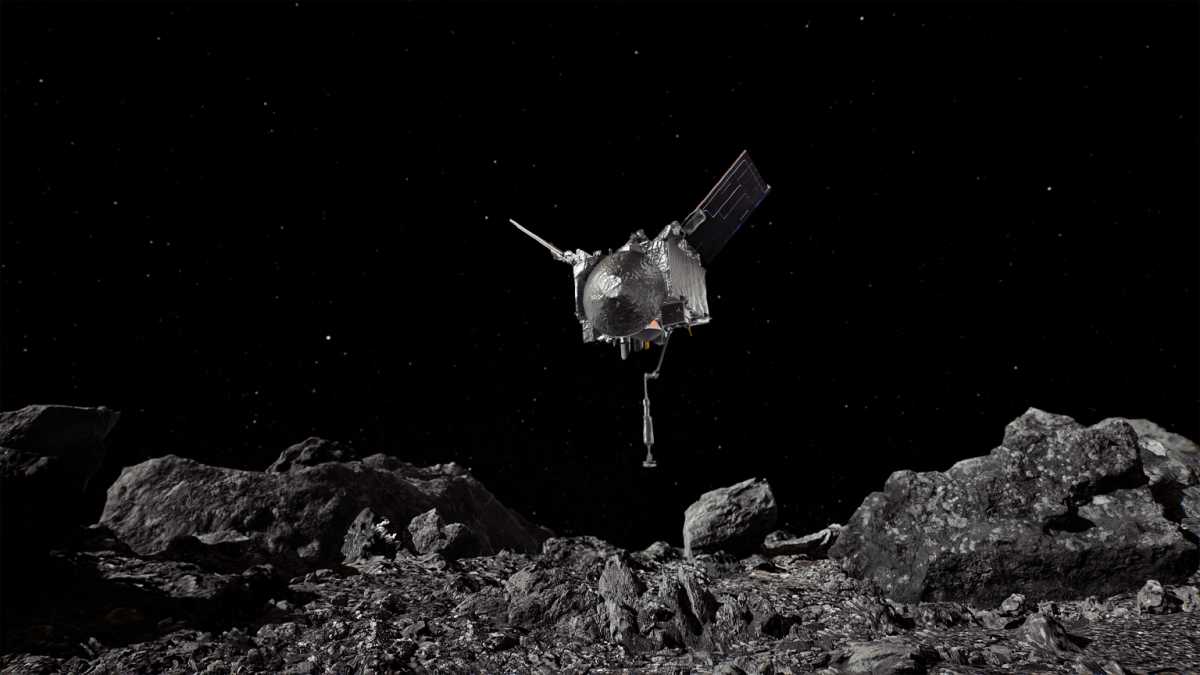
If left unprotected, we might risk losing invaluable insights into learning more about not just asteroids or our Solar System, but the origins of life as we know it. Dr. Brennan adds, “Certain bodies, or specific locations on them, could be designated as planetary parks that remain open to scientific study and limited sampling while restricting activities that would significantly alter or damage their surfaces.” The criteria for selecting the protected sites could be based on rarity, pristineness, scientific significance, relevance for planetary defense, or geological uniqueness. The level of protection could also vary from fully protected “no-take” zones to areas with limited research access.
Space mining, but with a hybrid liability approach
Finally, Dr. Brennan’s research paper opens up a question on whether asteroid mining should follow strict liability (automatic responsibility for damage) or a due diligence approach (responsibility only if proper care wasn’t taken). While strict liability might appeal more due to high risk and uncertainty, applying it to all space damage is impractical since it can be difficult to prove what caused it or how serious it is. Here, Dr. Brennan proposes a hybrid model that enforces a liability regime for high-consequence issues like creating uncontrolled debris. Alternatively, a due diligence standard would govern everything else, like environmental impact assessments, monitoring and transparency.
More on Starlust
This private space company wants to 'bag' a 100-ton asteroid and bring it closer to Earth for mining
EU Space Act nears a monumental launch, aiming to unify rules governing space operations