'A dark, hot rock': Astronomers directly study exoplanet surface for the first time using JWST
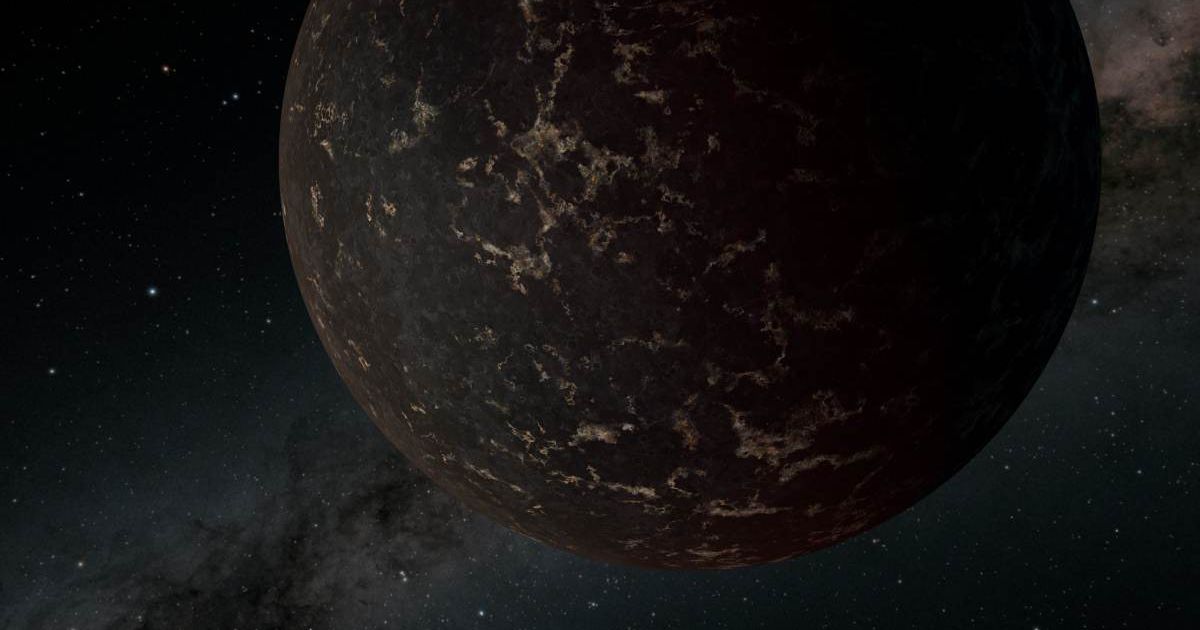
Astronomers, using the James Webb Space Telescope (JWST), have for the first time directly studied the surface of a rocky exoplanet, peering across the cosmos to analyze a super-Earth named LHS 3844 b located 50 light-years away.
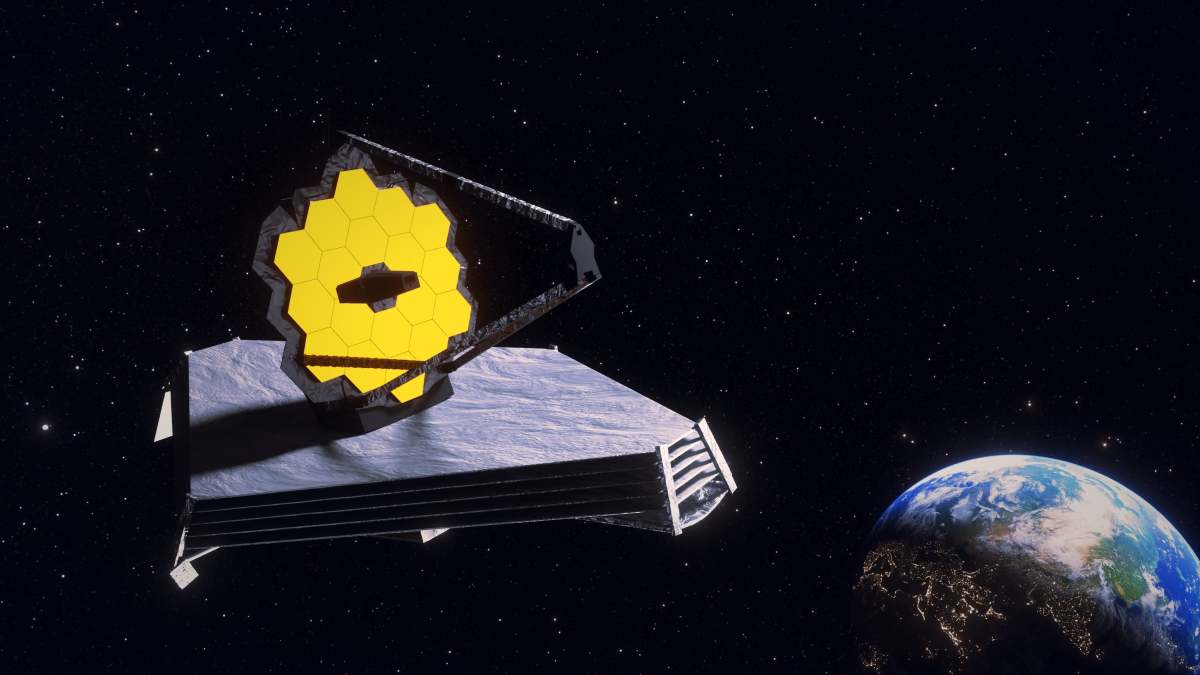
While research into the characteristics of exoplanets had thus far been largely limited to the analysis of atmospheres, this first-of-its-kind study is a massive step in the emerging field of exoplanet geology, allowing us a look at the bare rocks of alien worlds using mid-infrared spectroscopy.
A dark, hot, barren rock
A rocky planet measuring 1.3 times the Earth's radius, LHS 3844 b was discovered in 2019 and orbits a red dwarf. It is an ultra-short-period planet, completing a revolution around its star in just 11 hours. LHS 3844 b is also tidally locked, meaning one side of the planet faces its star permanently while the other experiences eternal night.
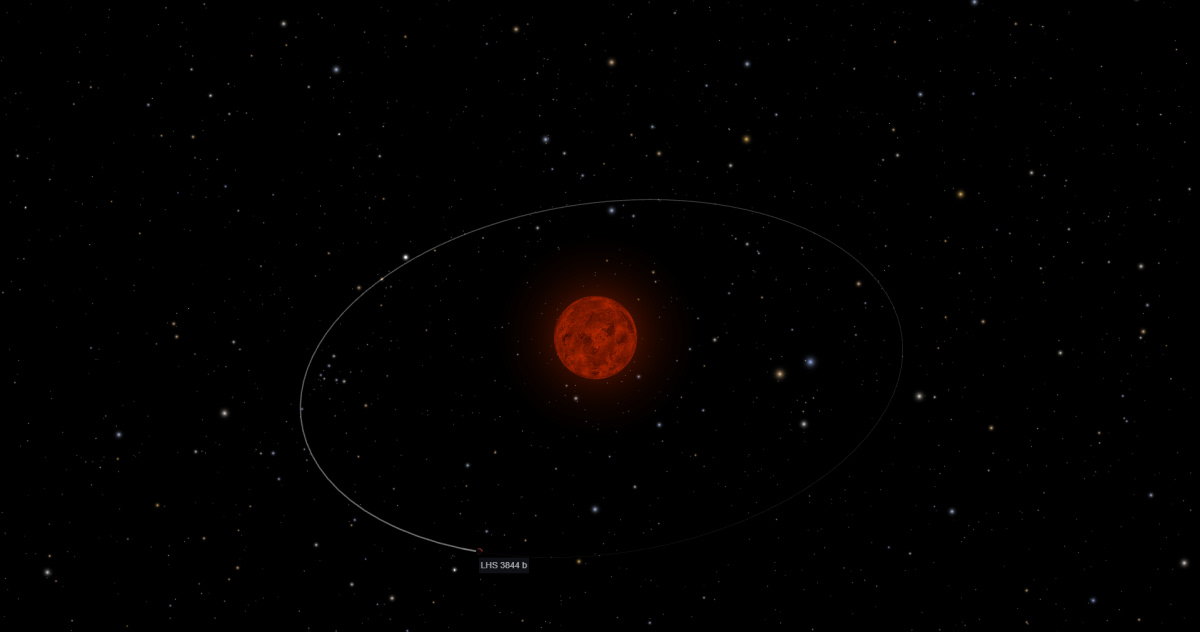
Because of LHS 3844b's proximity to its host, the star-facing side sees blistering temperatures of around 725 degrees Celsius, radiating heat from the surface. JWST caught on to the glowing heat of the planet's surface just before it passed behind its star, allowing astronomers to read a geological fingerprint of LHS 3844 b.
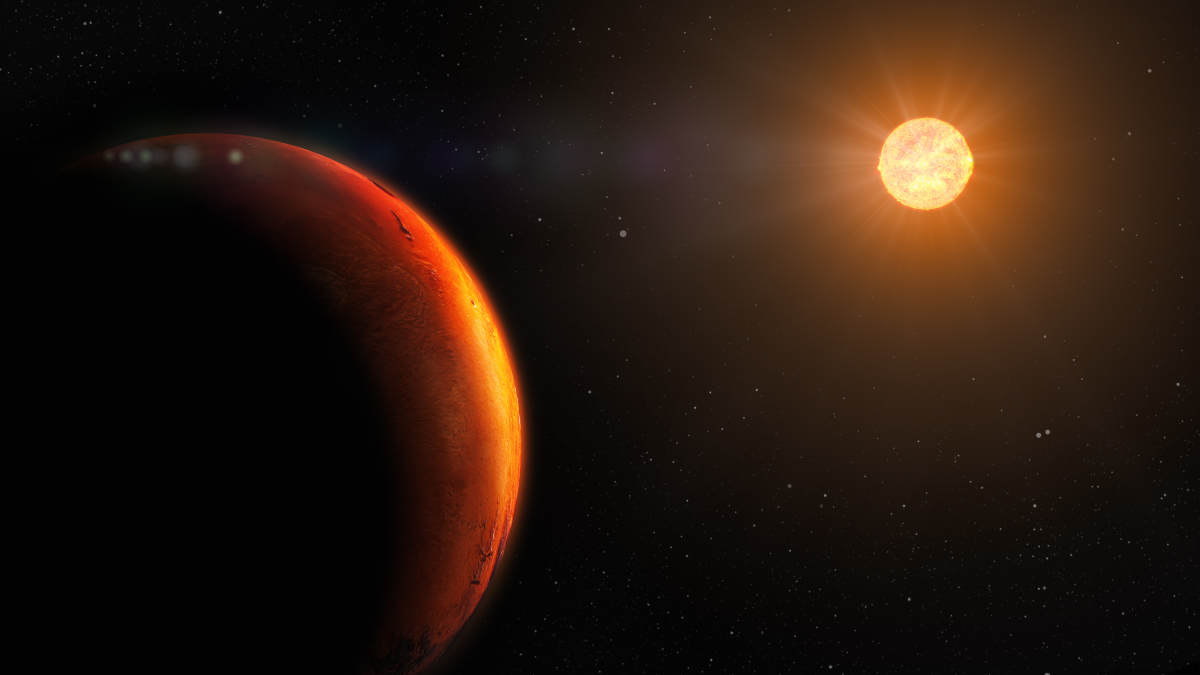
"Thanks to the amazing sensitivity of JWST, we can detect light coming directly from the surface of this distant rocky planet," said Laura Kreidberg of the Max Planck Institute for Astronomy, who served as the principal investigator of the JWST observations.
What did they find? "We see a dark, hot, barren rock, devoid of any atmosphere," said Kreidberg.
Exoplanet geology
Because there are no clouds or atmospheric gases to block the view, LHS 3844 b offered JWST a clear look at its surface. By analyzing the specific wavelengths of infrared light bouncing off the planet, scientists were able to match the "spectral fingerprint" of the world against known rocks and minerals from Earth, the Moon, and Mars.
This ruled out the possibility of LHS 3844 b's crust having a composition similar to that of Earth's, which has silicate-rich minerals such as granite. Earth-like crusts typically form through water-driven geological processes and plate tectonics, and the absence of a silicate-rich crust provided insights into the planet's geology.
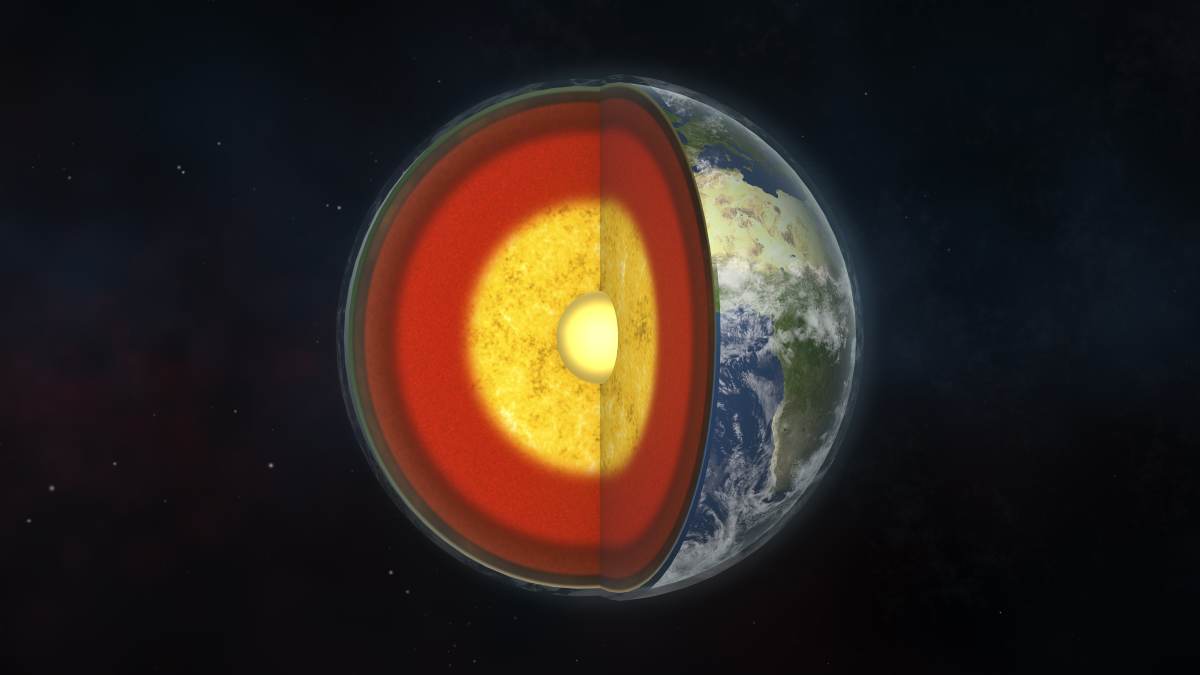
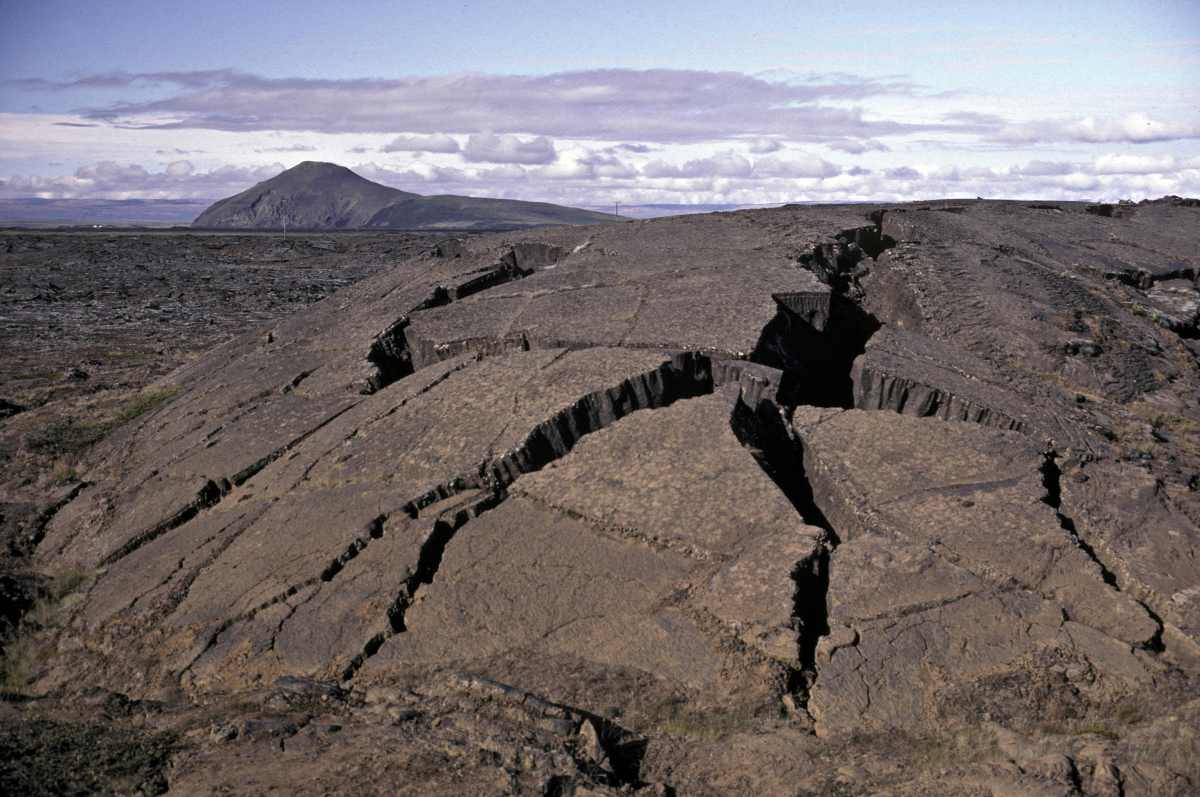
“Since LHS 3844 b lacks such a silicate crust, one may conclude that Earth-like plate tectonics does not apply to this planet, or it is ineffective. This planet likely only contains little water,” said study lead Sebastian Zieba, a NASA Sagan Fellow at the Center for Astrophysics, Harvard & Smithsonian. The data, instead, pointed to a dark, low-silica surface such as basalt or other olivine-rich materials.
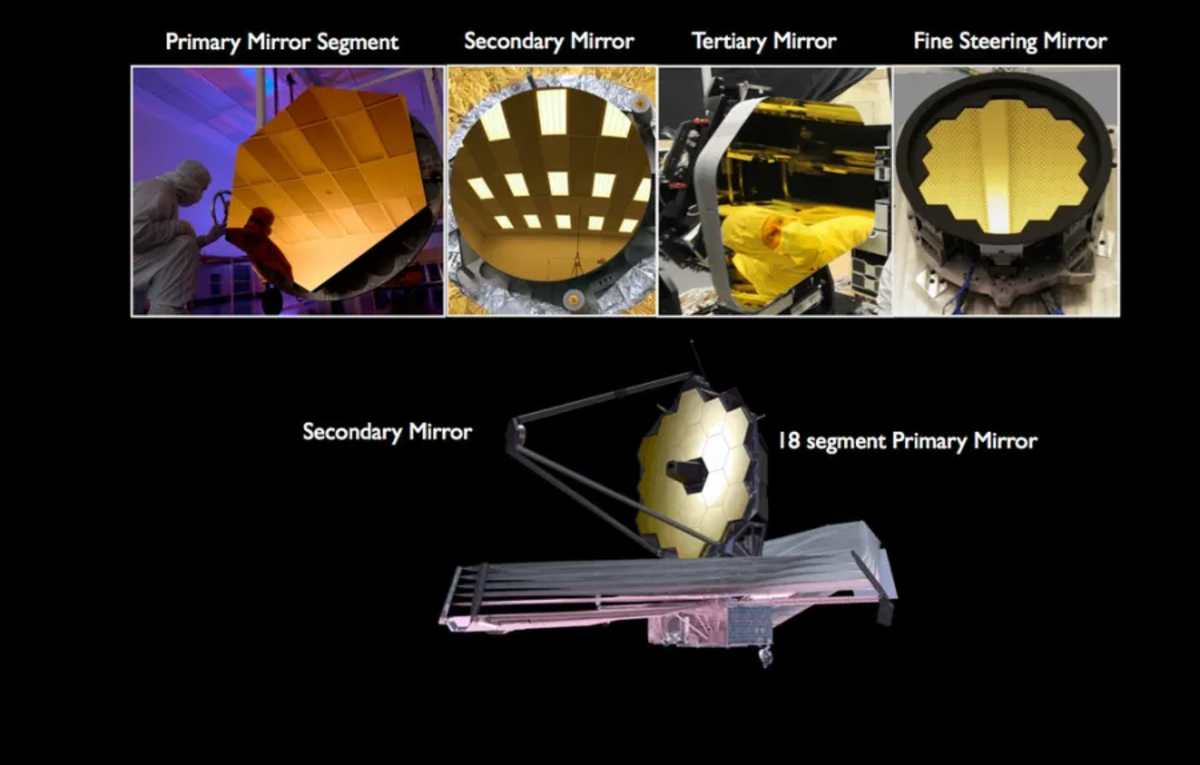
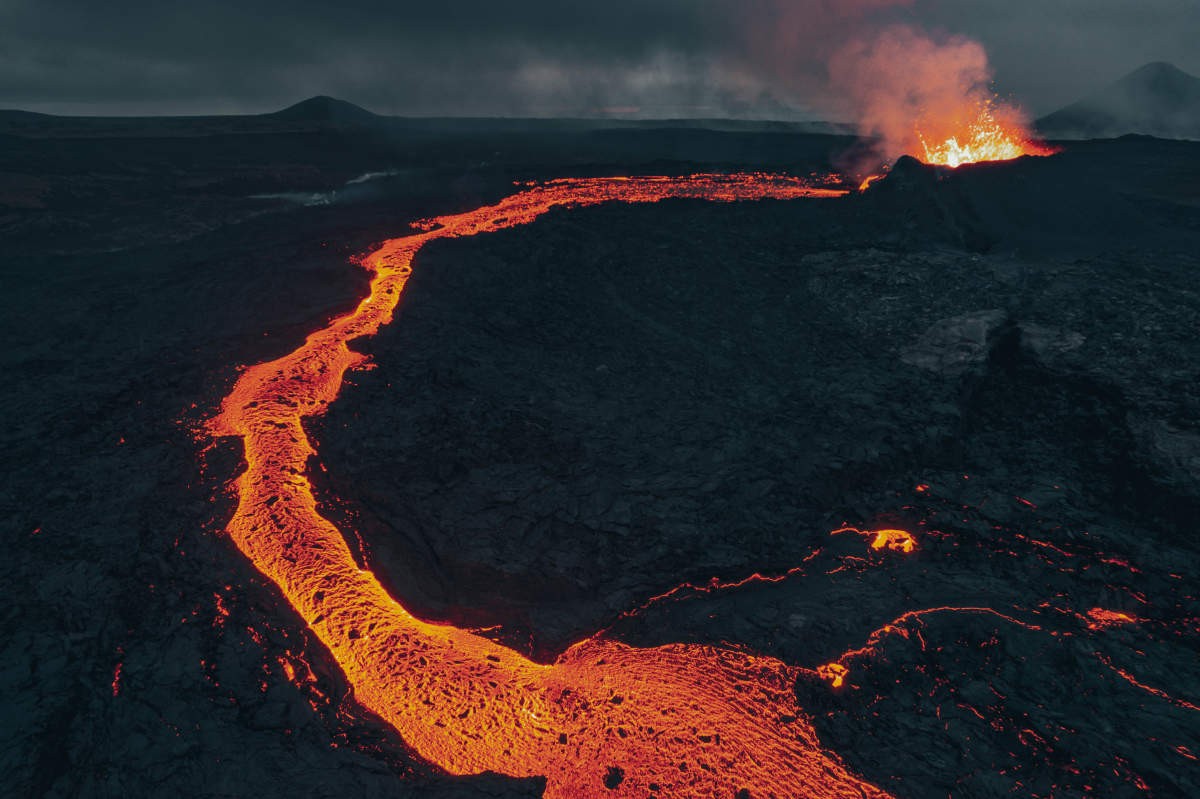
One possible explanation could be that LHS 3844 b has a relatively young surface shaped by volcanic activity, the researchers said, noting, however, that gases released by such activity couldn't be detected by JWST's Mid-Infrared Instrument (MIRI).
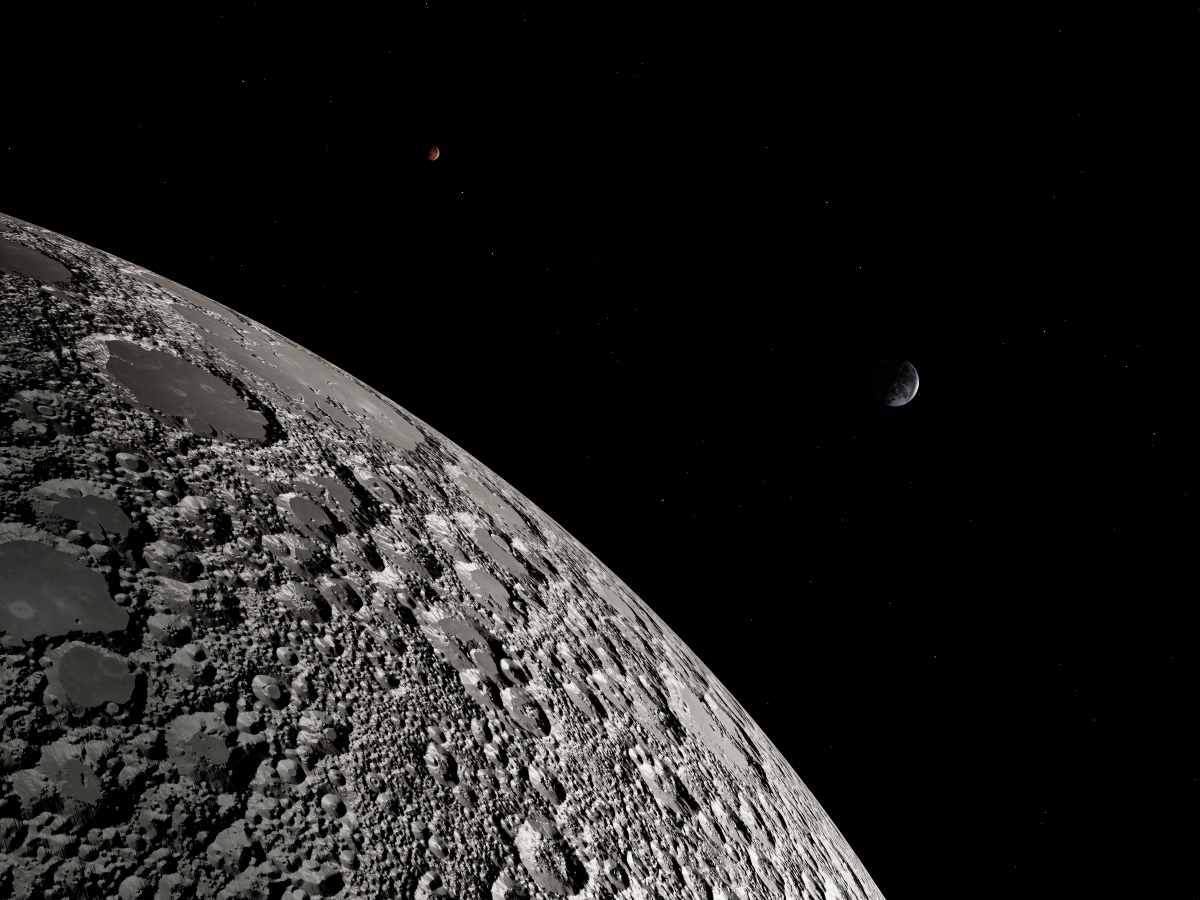
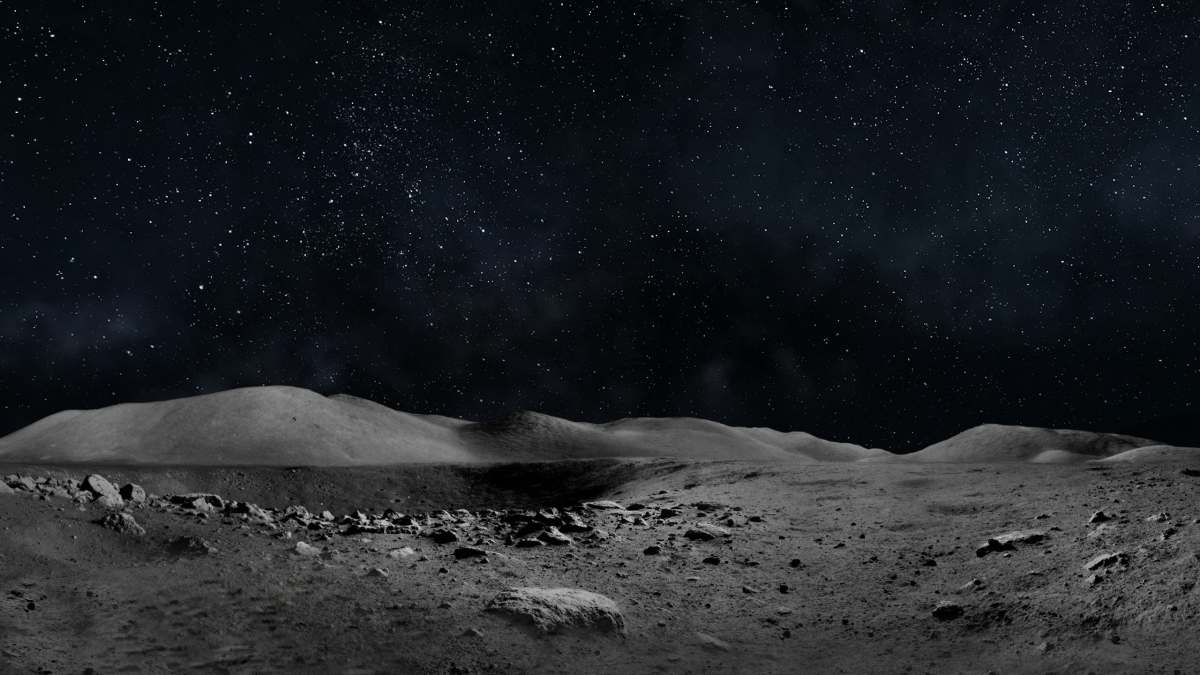
Instead, the team believes that LHS 3844 b is an ancient world covered by a thick layer of dark, fine-grained material formed over eons through meteorite impacts and radiation, similar to the surfaces of the Moon or Mercury.
Follow-up observations on LHS 3844 b are planned to refine the current picture of its surface properties and determine whether the surface is composed of solid rock or loose weathered material. "We are confident the same technique will allow us to clarify the nature of LHS 3844 b's crust and, in the future, other rocky exoplanets," said Kriedberg. The study was published on Monday, 4 May, 2026, in the journal Nature Astronomy.
What next?
The observations of LHS 3844 b suggest that JWST can go far beyond the analysis of atmospheres when studying exoplanets, and could serve as an important tool for exoplanet geology, allowing astronomers to study airless worlds. With NASA's planned Habitable Worlds Observatory (HWO) currently slated for a launch window in the 2030s to 2040s, astronomers today are laying the vital groundwork to understand what those future telescopes will see.

While the HWO aims to achieve the "holy grail" of exoplanet research—directly imaging an Earth-like planet to search for oceans, continents, and potential signs of life or 'biosignatures'—interpreting the faint specks of light it eventually captures will still be an immense scientific challenge. Given this, advances today in exoplanet geology could help considerably in mapping the surfaces of temperate, habitable worlds in the near future.
More on Starlust
Over 1,000 radio galaxies with 'wings' identified amid mystery behind formation
Newly detected 40-meter asteroid close to Venus orbit could strike Earth with city-level impact